
Film
Searching
A father whose teenage daughter vanishes launches a desperate digital investigation through her laptop and social media. Told entirely on screens—browsers, chat windows, security footage—it transforms the claustrophobia of modern parenthood into mounting dread. Ingenious formally, genuinely moving, and built on the terrifying gulf between what parents think they know and what their kids actually live.
Should you watch it?
Watch it if you enjoy puzzles told through screens, where the clues arrive as search results, chat windows and video calls, and the suspense comes from watching someone read a life in real time.
Skip it if you want a camera that roams the world and lets the story breathe, since nearly every frame here is a computer display and the pace hinges on typing and scrolling.
What it asks of you: About ninety minutes of close, steady attention to small on-screen details, with tension that builds quietly rather than through big set pieces or loud shocks.
Not sure? Find tonight's pick in a minute.
If you liked this
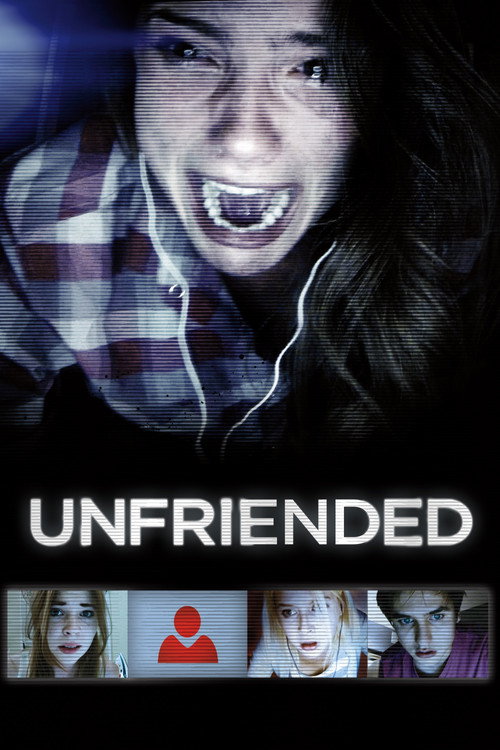
Unfriended2014
A possessed teen dies in a Skype call; her vengeful ghost hunts her cyberbullies one by one. Like Searching, it's horror built entirely through screens, crackling with real tension and darkly funny about how we perform online.
But The premise sounds gimmicky, and the found-footage-via-webcam format takes real patience if you're not already sold on the concept.
Her2013
A lonely man falls in love with an AI assistant. Where Searching asks what we hide online, Her asks what we become when we're constantly connected. Both are quiet heartbreaks about the distance between people, even when they're digitally close.
But It's meditative and slow, built on mood rather than plot. Some find Joaquin Phoenix's vulnerability exhausting rather than moving.

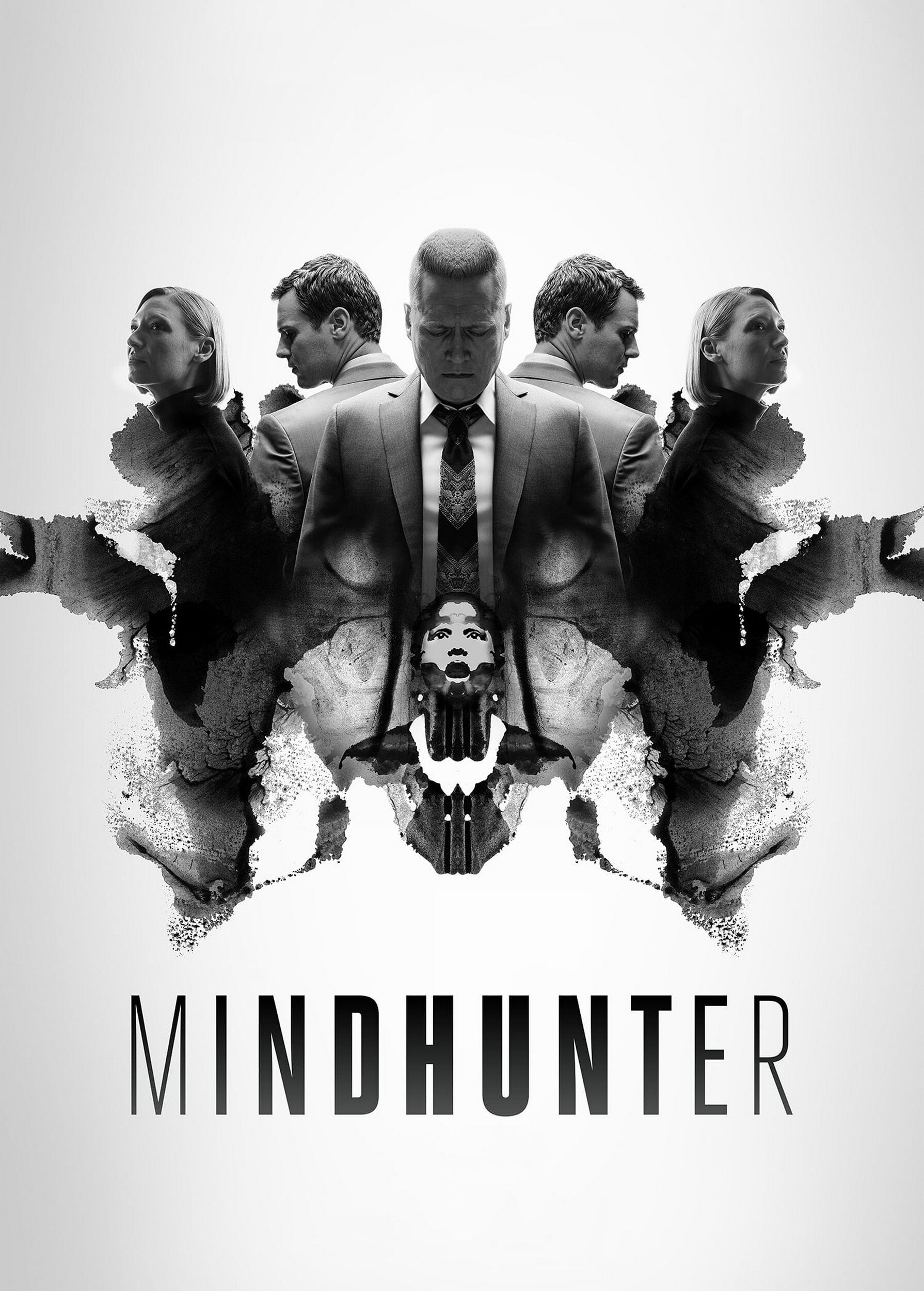
MINDHUNTER2017
Two FBI agents invent criminal profiling by interviewing serial killers. Methodical, intellectually rigorous, obsessed with understanding monsters. That same patient unraveling of a mystery, that sense of people being not what they seem, runs through both.
But The second season loses momentum, and it ends on a cliffhanger that Netflix never resolved. Some find the procedural sections slower than the interrogations.
Not sure tonight? Get a pick in a minute, starting from Searching
The wildcard
Something you would not have found on your own.
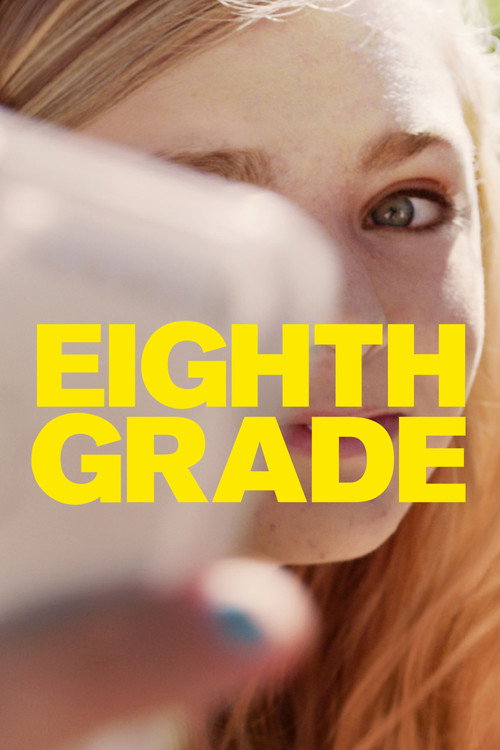
Eighth Grade2018
Both film a parent's terror at not knowing their child, but Searching shows us the father's investigation while Eighth Grade shows us the daughter's secret reality. They're two sides of the same tragedy.
An introverted 13-year-old documents her life on YouTube while drowning in the chaos of middle school. Like Searching, it's about the gulf between a teenager's carefully curated online self and their actual inner life—but here we're inside her head, watching her perform for strangers while her father loves her from a distance.
But There's almost no plot. If you need narrative momentum or conflict that resolves, you'll find it formless and occasionally painfully awkward to watch.
More like this (8)
Spotlight2015
Boston Globe reporters methodically unearth a massive abuse scandal. Like Searching, it's about pursuing the truth through documentation and interviews, and the quiet devastation of discovering secrets that were always there, hidden in plain sight.
But It's a procedural about journalism—methodical, dialogue-heavy, lacking action or conventional drama. The payoff is emotional rather than thrilling.

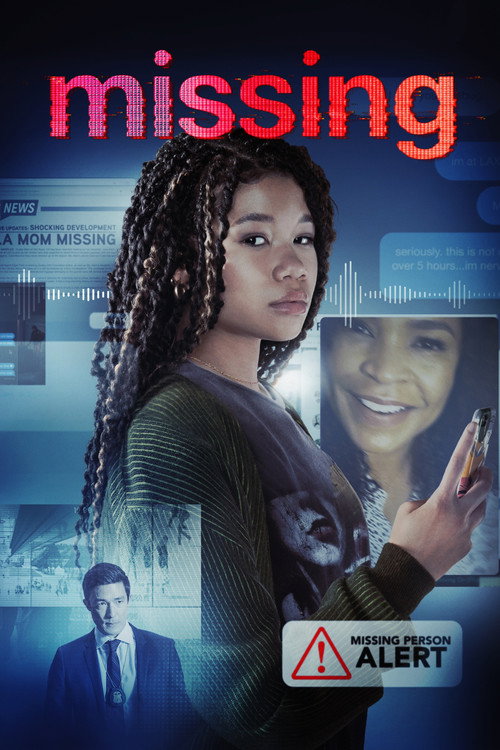
Missing2023
A young woman's mother vanishes; she navigates AI, dating apps, and encrypted messaging to find her. It's a spiritual successor to Searching, using the same screen-based language but with a Gen Z protagonist who's far more digitally native than David Kim.
But It doesn't reinvent the format; if you've seen Searching, the novelty is diminished. Some find the protagonist's decisions frustratingly reckless.
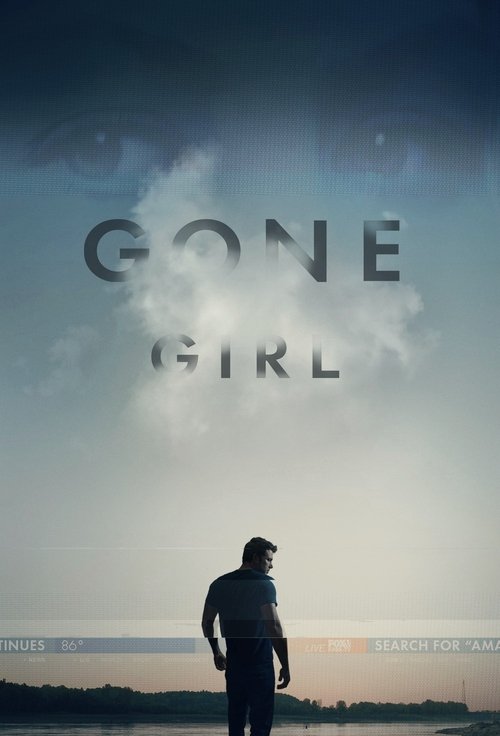
Gone Girl2014
A woman disappears on her anniversary; the investigation reveals nothing is what it seems, and the truth is far darker than anyone suspected. Both films build mystery through what people conceal and the lies embedded in digital footprints.
But The wife's characterization infuriates many viewers. If you hate unreliable narrators who outwit everyone around them, this will make you furious.
Memories of Murder2003
South Korean detectives hunt a serial killer in the 1980s. Like Searching, it's built on the frustration of investigation—piecing together fragments, following dead ends, the horror of uncertainty. Methodical, atmospheric, and deeply sad.
But It's slow, subtitled, and the mystery goes partially unsolved. The 2-hour runtime feels longer, and the tone is bleak rather than propulsive.

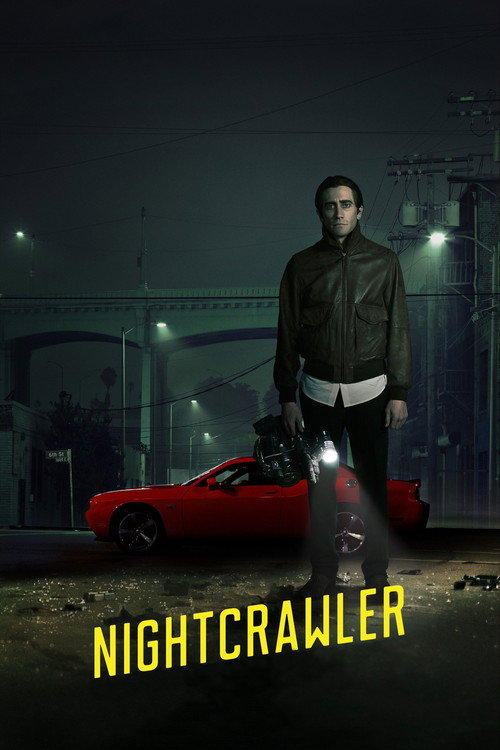
Nightcrawler2014
A predatory drifter films crime scenes for local news, climbing higher by exploiting tragedy. Both films are about the masks people wear online and offline, and the violence hidden beneath the surface of ordinary life.
But Jake Gyllenhaal's character is repellent and the film doesn't flinch away from that. If you need to like your protagonists, this will feel punishing.
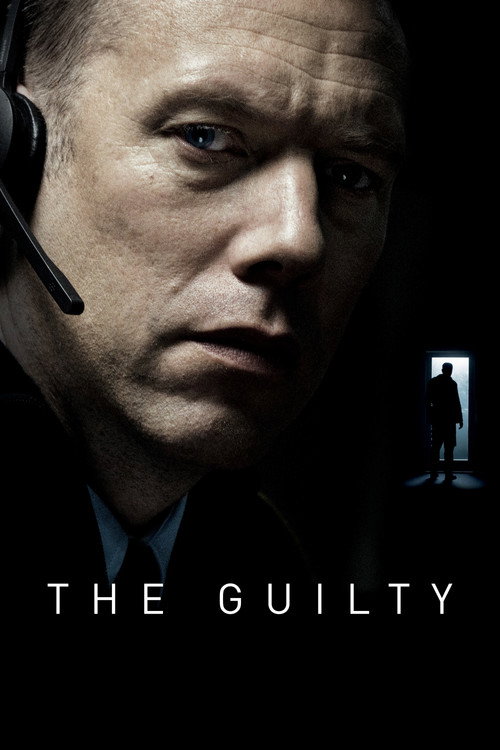
The Guilty2018
A 911 dispatcher takes a call from a woman in danger; he becomes obsessed with solving it. Claustrophobic, tense, and told almost entirely through audio. That same sense of a person clawing through fragments of evidence for the truth.
But It's set almost entirely in a dispatch center. If you need visual variety and action, you'll find the single-location format suffocating.
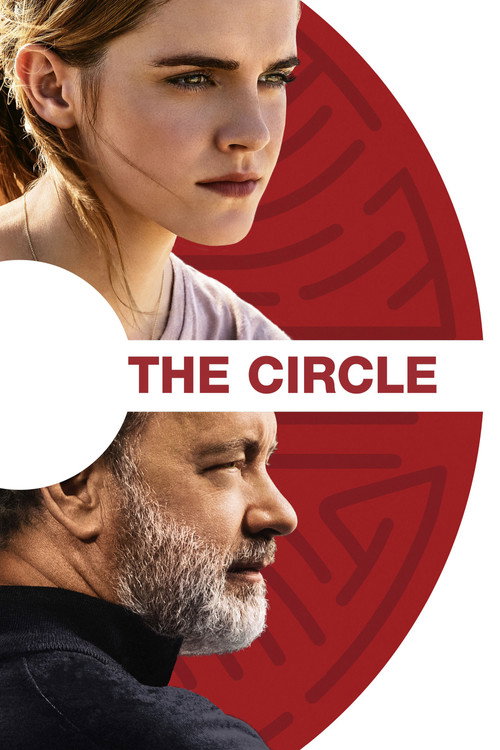
The Circle2017
Searching finds meaning in secrets, in the digital trails we leave behind. The Circle imagines a world where those secrets are forcibly erased. Same paranoia, opposite direction.
An idealistic young woman joins a tech giant that values total transparency and radical surveillance. It's a nightmare-mirror of Searching's premise: what if there were no privacy left, no secrets, no corners of yourself hidden from view? The film asks what happens when you can know everything.
But The messaging is heavy-handed, the execution clumsy, and it feels like a tract rather than a story. Many find it didactic and dramatically inert.
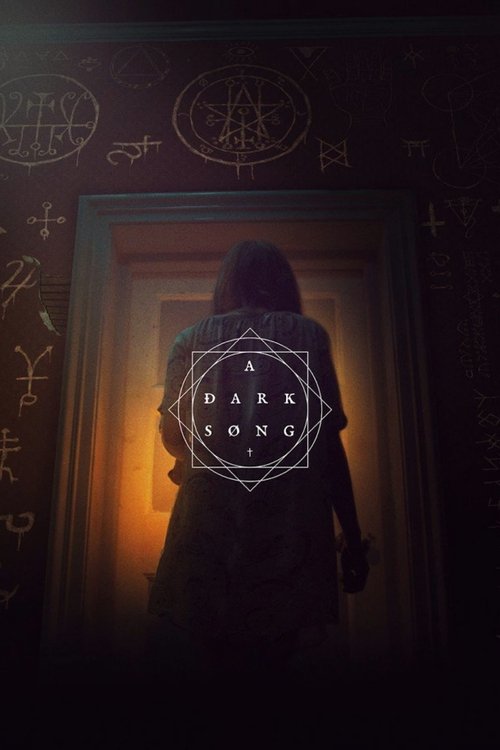
A Dark Song2016
Both are about a parent refusing to accept that they cannot reach their child. But where Searching uses technology as a tool, A Dark Song surrenders to mystery and accepts that some separations cannot be bridged.
A grieving woman hires an occultist to perform a dangerous ritual, hoping to contact her dead son. Slow, strange, about a mother's refusal to accept loss. Like Searching, it's about a parent's desperation to find or understand their child, but it trades digital investigation for mysticism, and the film trusts silence and absence over plot.
But It's barely a film by conventional standards—minimal dialogue, long static shots, a logic that's emotional rather than rational. If you need conventional narrative, it will feel pretentious and glacially slow.
People
Cast
 John ChoDavid Kim
 Michelle LaMargot
 Debra MessingDetective Vick
 Joseph LeePeter
 Sara SohnPamela Nam Kim
 Briana McLeanAbigail
 Erica JenkinsHannah
 Connor McRaithIsaac
 Dominic HoffmanMichael Porter
 Ric SarabiaRandy Cartoff
- Steven Michael EichRobert
 Melissa DisneyIsaac's Mom (voice)
Directing
- Aneesh ChagantyDirector
- Carly SturgeonFirst Assistant Director
- Shawn TiraScript Supervisor
- Rachel PennerSecond Second Assistant Director
Writing
- Aneesh ChagantyWriter
- Sev OhanianWriter
Production
- Mayank BhatterCasting Associate
- Lindsey WeissmuellerCasting Director
- Congyu ECo-Producer
- Ana Liza MuravinaExecutive Producer
- Igor TsayExecutive Producer
- Mariya ZatulovskayaExecutive Producer
- Adam SidmanProducer
- Natalie QasabianProducer
- Sev OhanianProducer
- Timur BekmambetovProducer
- Bill WingateProduction Accountant
- Angel HerreraProduction Designer
- Tim SmithProduction Supervisor
Recommended by
Catfish, Taken, The Disappearance of Madeleine McCann, Red Eye, The Call, Cam, Nerve, Unfriended, Unknown White Male, The Guilty, Minding the Gap, Web Junkie, Cry_Wolf, Cyberbully, The Vanished, My Son, Missing 411, Dreams of a Life, The Monster Project, Phoebe in Wonderland, Svaha: The Sixth Finger, The Case for Christ, Unfriended: Dark Web, The Den, C U Soon, Tell Me What You Saw, Unfollowed, UFO, Evidence, Untraceable