Television series
Tell Me What You Saw
A Korean thriller where an eccentric profiler and a detective with perfect visual recall hunt a serial killer thought long dead. It's taut, propulsive, and deeply unsettling—the episodes are lean (80 minutes), so nothing wastes your time. For fans of crime procedurals who want intellectual puzzle-solving with real stakes and darkness.
Should you watch it?
Watch it if you like crime stories built on sharp dialogue and the slow puzzle of a profiler reading people, where the pleasure is in the reasoning more than the chase.
Skip it if you want a steady procedural with clean case-of-the-week closures, since its threads run long and ask you to hold a lot of pieces for a good stretch.
What it asks of you: Sixteen episodes of around eighty minutes each, so set aside a real weekend stretch; the tension builds in patient layers rather than sudden jolts.
Not sure? Find tonight's pick in a minute.
If you liked this
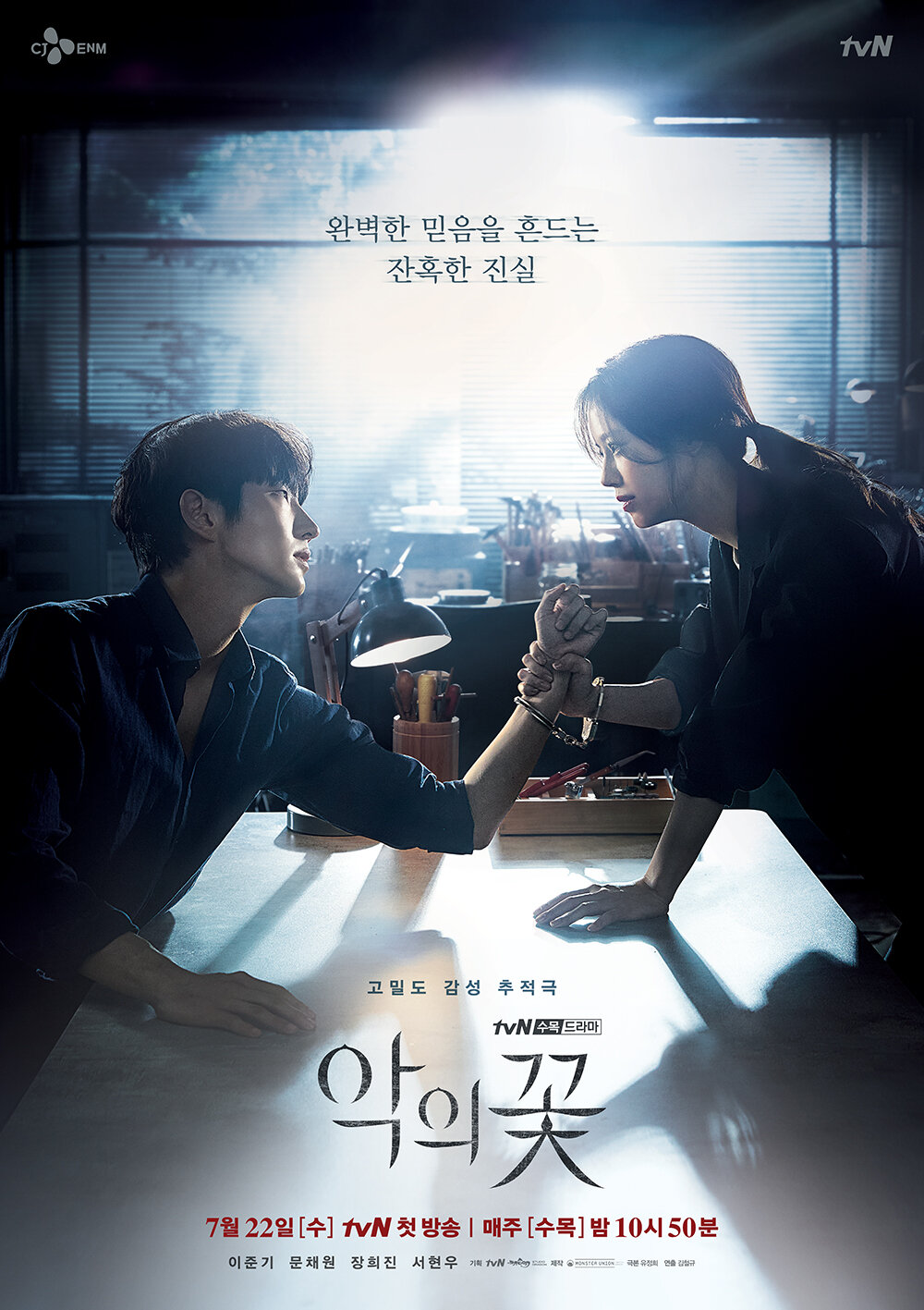
Flower of Evil2020
A Korean thriller about a man hiding his past, built on the same engine of buried secrets and psychological tension. Devastatingly acted, with plot twists that recontextualise everything. Absolutely gripping.
But It's slower than Tell Me What You Saw and leans heavily into family trauma alongside the crime plot. The pacing can feel deliberate rather than propulsive.
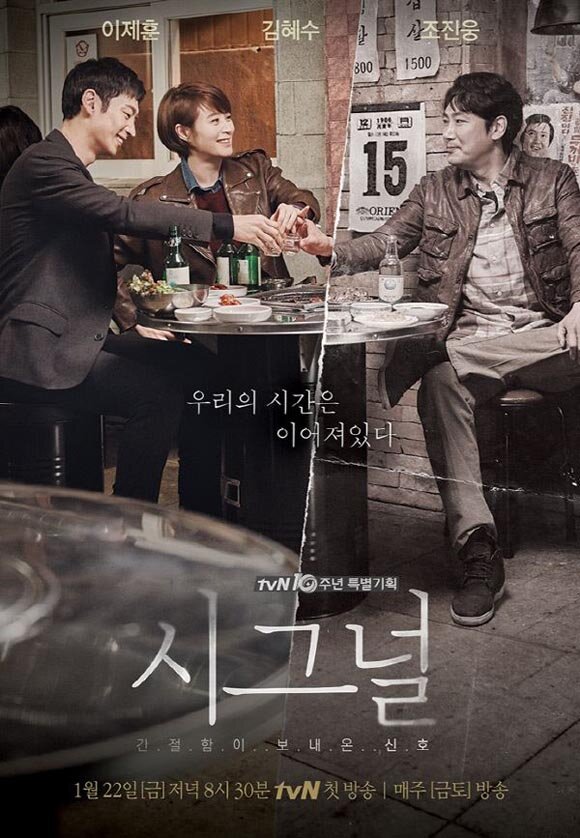
Signal2016
Korean procedural that layers impossible cases with time travel and genuine emotional weight. The central mystery is ingenious, and it builds with the intensity of someone solving a jigsaw in the dark. Every episode matters.
But The sci-fi conceit can feel jarring if you're after straightforward crime drama. Some logic threads require patience to untangle.
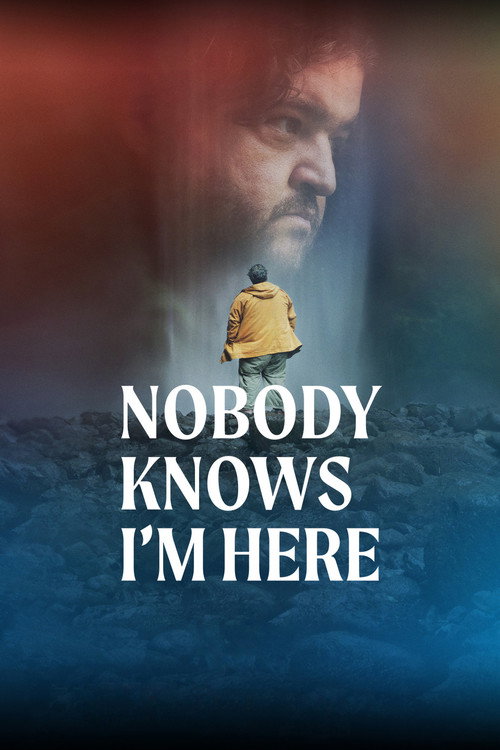
Nobody Knows I'm Here2020
A Korean limited series about a serial killer investigation that strips everything to bone. Claustrophobic, brutal, psychologically intricate—this is the sound of obsession in a room with no windows.
But It's deliberately grim and offers no comfort. Some viewers will find the relentlessness exhausting rather than compelling.
Not sure tonight? Get a pick in a minute, starting from Tell Me What You Saw
The wildcard
Something you would not have found on your own.
Memories of Murder2003
Both are Korean explorations of the serial killer procedural, but this transplants the form into cinema and into history, making it something stranger and more profound. It's the art film version of what Tell Me What You Saw does as genre entertainment.
Bong Joon-ho's masterpiece about a serial killer investigation in 1980s Korea. It shares the DNA of Tell Me What You Saw—obsessive detectives, psychological profiling, the hunt for an unseen killer—but as a two-hour film, everything is concentrate. Devastating and brilliant.
But It's deliberately ambiguous and offers no catharsis. The ending will frustrate anyone needing neat resolution. Filmed in grainy, sometimes ugly handheld that some find dated.

More like this (7)
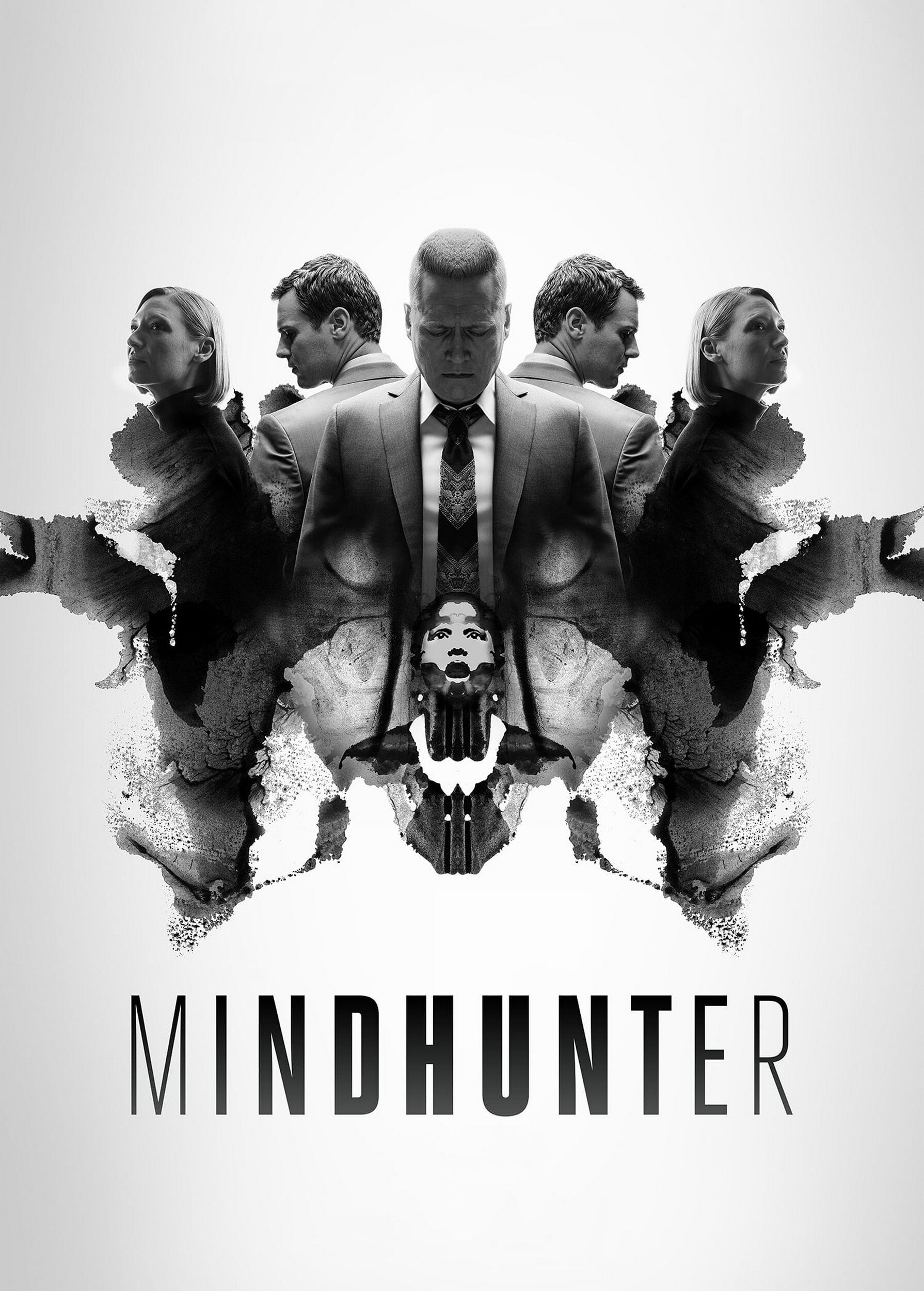
MINDHUNTER2017
American series about the birth of criminal profiling, built on intellectual sparring and case-solving. Meticulous, atmospheric, and filled with the kind of lateral thinking that Tell Me What You Saw also prizes.
But The second season loses momentum and the cancellation stings. It's also very American in its pacing—longer seasons, slower burn.
The Time Tunnel1966
A detective obsessed with an unsolved case from decades past. Korean thriller that moves like a bullet and trusts the audience completely. Uncompromising and achingly smart.
But The plot hinges on contrivances that don't quite hold up to scrutiny. Some viewers find the relentlessness punishing rather than thrilling.
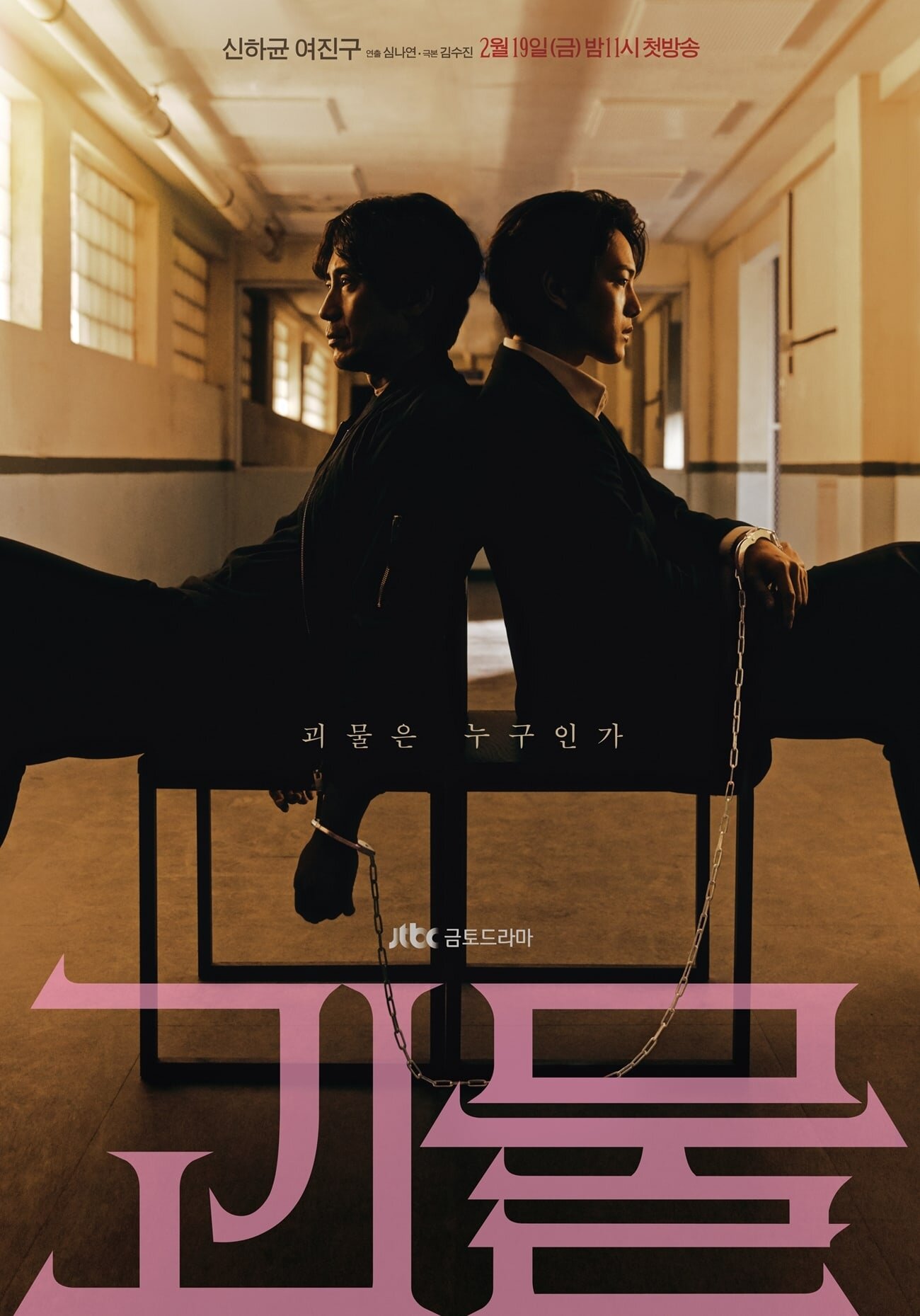
Beyond Evil2021
Two men—one cop, one suspect—locked in a dance of suspicion in a small town. A Korean masterpiece about certainty and doubt, built on atmosphere rather than jump scares. Phenomenal acting.
But It's glacially paced by design, and the emotional core is bleak. If you need plot momentum to stay engaged, this will feel static.
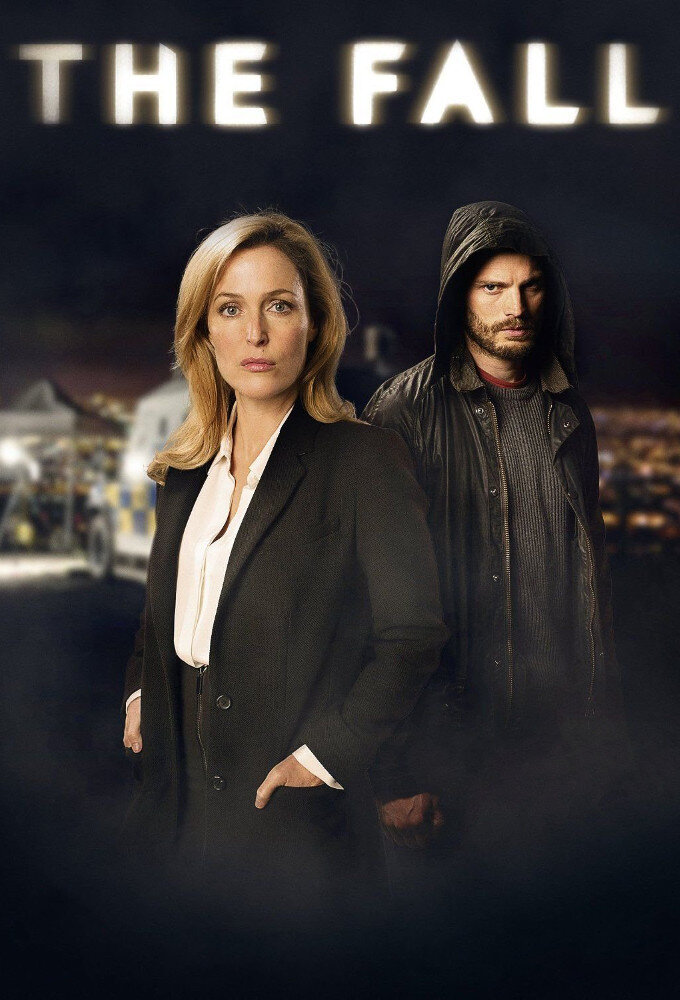
The Fall2013
A serial killer hunter and her prey in a psychological cat-and-mouse game. Taut, smart, and written to make you uncomfortable. Every episode earns its place.
But It's gruesome and misogynistic in its subject matter. The repetition of violence can feel gratuitous if you're not onboard with the show's moral framework.
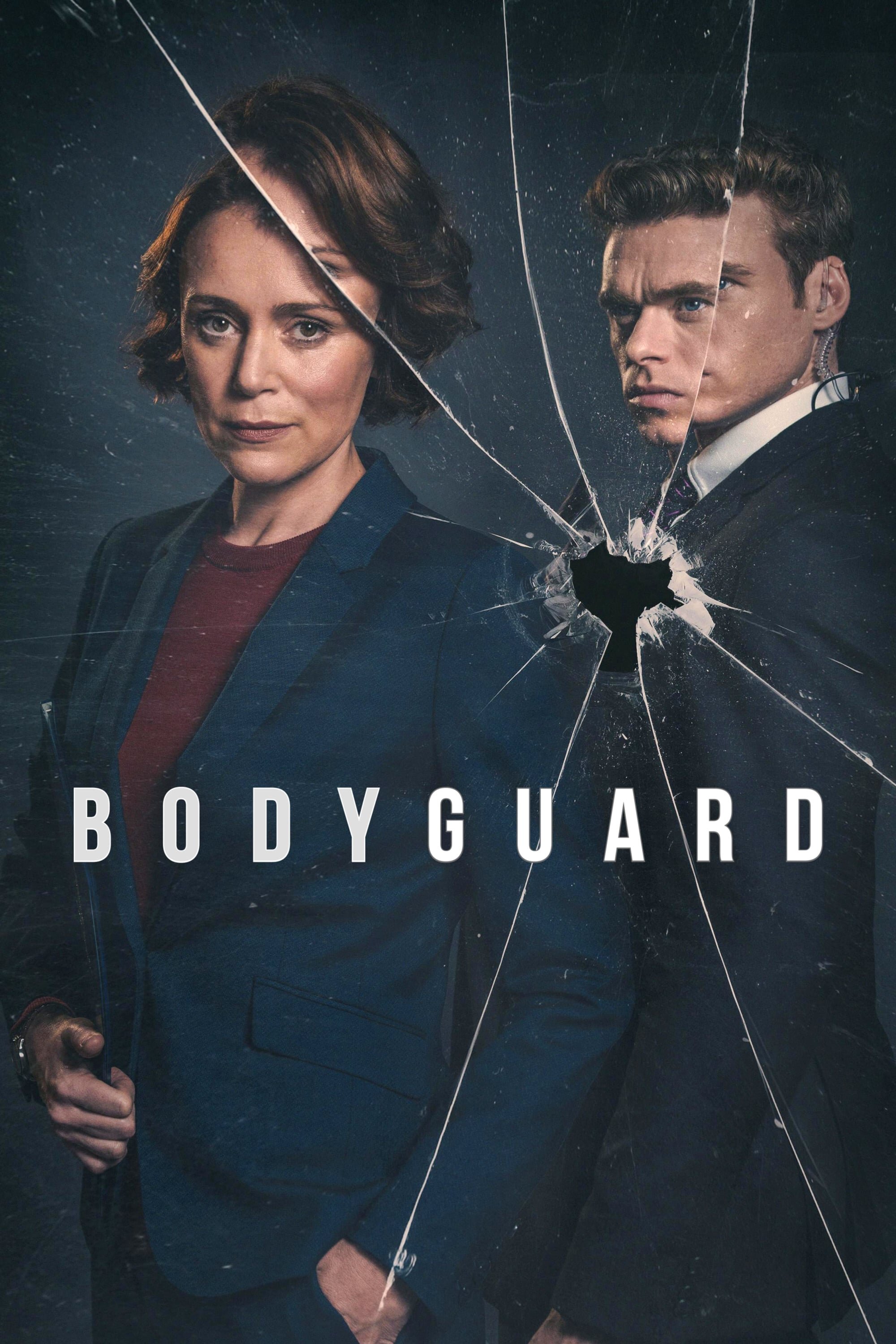
Bodyguard2018
A tight British thriller about a protection officer protecting a politician, with layers of conspiracy and moral ambiguity. Six episodes that move like a thriller should. Fantastically tense.
But The final episode's resolution divides viewers sharply. Some feel it undermines the build; others find it perfectly earned.
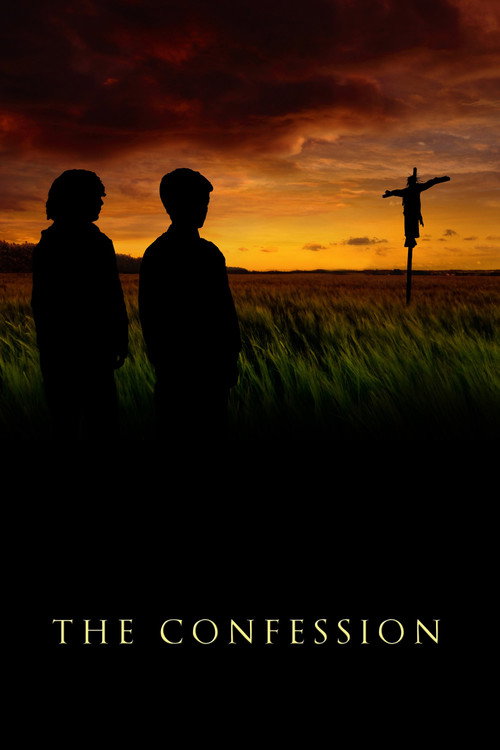
The Confession2010
Like Tell Me What You Saw, it's about the psychology of certainty—who is guilty, how do we know, what does it cost to be sure? But it locates that tension inside a confessional box rather than a police station, and in the spiritual rather than criminal register.
A priest receives a confession of a murder, then obsesses over whether his informant is guilty. Spanish thriller by Íker Bollaín, built entirely on psychological doubt and the weight of knowing without proof. Compulsive and morally vicious.
But It's slowburn to a fault and very Catholic in its preoccupations. Minimal plot, maximum moral ambiguity—not for viewers who want action or plot clarity.
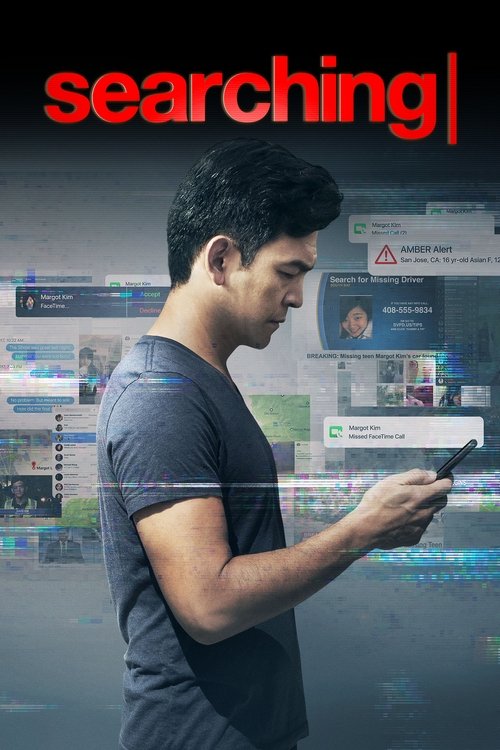
Searching2018
Both prize the intellectual puzzle of investigation—following clues, building profiles, asking the right questions. But Searching strips the procedural to its absolute essence and makes the form itself part of the meaning. Where Tell Me What You Saw is traditional thriller, this is what thrillers look like when cinema catches up to how we actually search.
A father searches for his missing daughter, filmed entirely through screens—laptops, phones, surveillance feeds. The detective work feels forensic and immediate; you piece together the mystery as he does, in real time. Genius formal conceit, genuinely gripping.
But The screen-based format is gimmicky and won't suit everyone. It can feel technically showy rather than human. Some find the twist reductive.