
Film
Unfriended: Dark Web
- Horror
- Techno-thriller
- Very dark
A hacker discovers a sinister cache on a secondhand laptop, dragging his friend group into dark web surveillance and violence. Told almost entirely through computer screens, it's a claustrophobic tech-horror that trades jump-scares for dread. For viewers who find found-footage tension in the glow of a monitor, and who've wondered if their webcam is really dark.
Should you watch it?
Watch it if you enjoy stories told entirely through glowing screens, chat windows and browser tabs, and get a kick from the paranoia of being watched through your own device.
Skip it if your patience for the format is thin, since nearly every frame is a desktop and the mechanics of the plot tend to outweigh the characters.
What it asks of you: It runs about ninety minutes of nonstop screen time with little room to breathe, so you must track several people typing, calling and scrolling at once.
Not sure? Find tonight's pick in a minute.
If you liked this
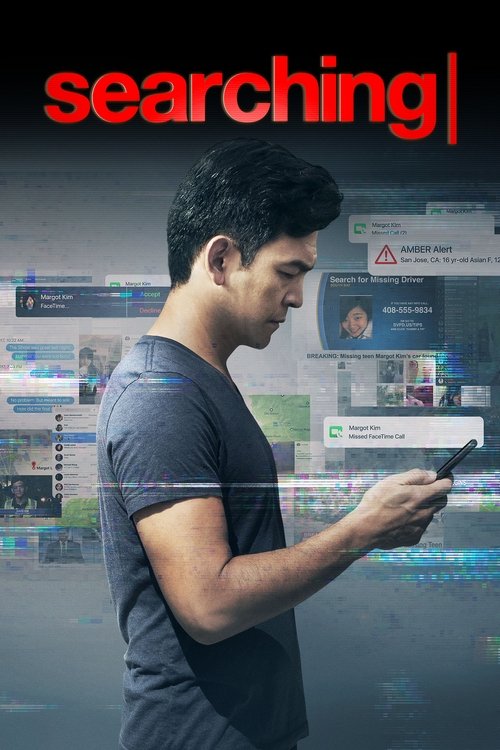
Searching2018
A father hunts for his missing daughter through Google searches, emails, and video calls. Like Dark Web, it weaponizes the mundane tools of modern life into instruments of terror and mystery.
But The computer-screen format can feel gimmicky if you're not already primed for it, and the pacing is deliberate rather than propulsive.
Cam2018
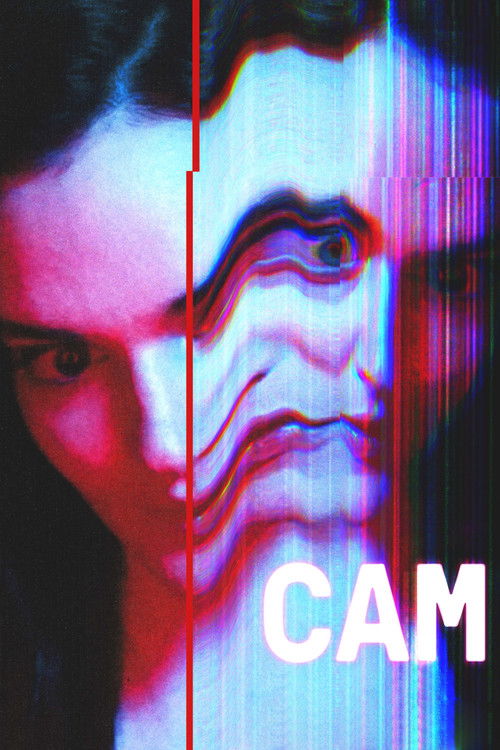
A cam performer discovers her stream has been hijacked by a digital doppelgänger. It shares Dark Web's fascination with how technology erases the boundary between private and exposed, and builds dread through screens.
But The sex work subject matter makes some uncomfortable; it's also a quieter, more philosophical horror than pure thriller.
Unfriended2014
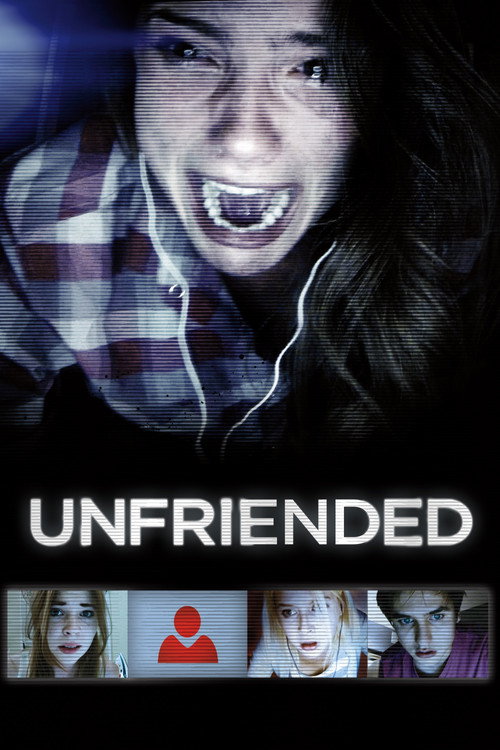
The first film in this franchise sets the template: six friends being stalked through Skype calls and messaging apps by a vengeful presence. If you liked Dark Web's premise, the original is rawer and faster.
But It's lower-budget and relies heavily on jump-scares; some feel the gimmick wears thin by the end.
Not sure tonight? Get a pick in a minute, starting from Unfriended: Dark Web
The wildcard
Something you would not have found on your own.
The Den2013
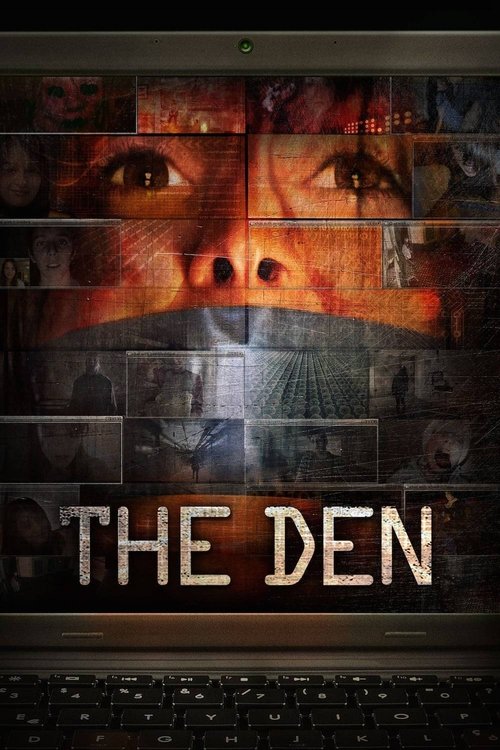
Both understand that the real horror of the dark web isn't supernatural—it's the distance between predator and prey, and how technology collapses that distance into nothing.
A film student is harassed by strangers through a Chatroulette-like site, and as the abuse escalates, she finds it's impossible to disconnect. It predates the trend of computer-screen horror and does it with brutal, understated authenticity—no sentient darkness, just human cruelty and tech that enables it.
But Shot on found footage and lower-end digital video, it looks deliberately cheap and can feel amateurish; the harassment is sustained and ugly in ways that feel less like entertainment.
More like this (8)
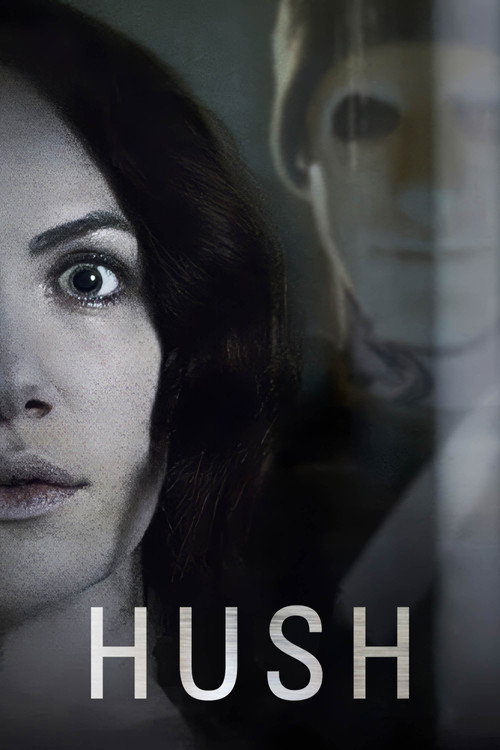
Hush2016
A deaf writer under siege in her home, unable to call for help. It shares Dark Web's focus on isolation and the weapons at hand—here, a silent house instead of a laptop, but the same suffocation.
But It's more home invasion thriller than tech horror; if you want screens and keystrokes, this won't deliver them.
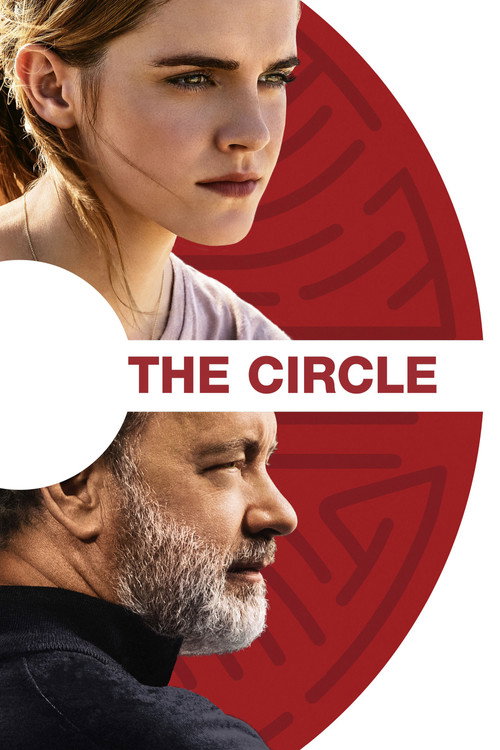
The Circle2017
A young woman joins a tech giant obsessed with radical transparency, and discovers the chilling cost of being watched constantly. Same paranoia about surveillance; same question of who controls the image.
But It's slow and preachy rather than scary, and many found it didactic without the payoff.
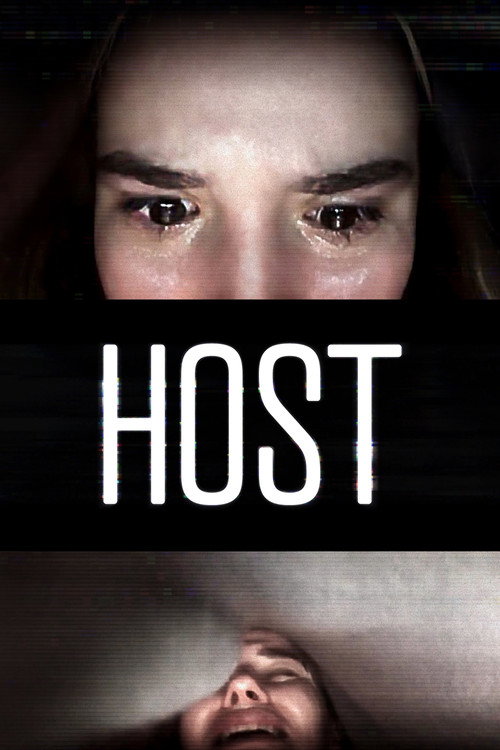
Host2020
Six friends on a Zoom séance during lockdown are haunted by something that knows how to work the platform. It updates the screen-based horror playbook for the pandemic era, with genuine scares baked into video call mechanics.
But At 56 minutes, it's slight; some viewers feel it prioritizes novelty over character depth.
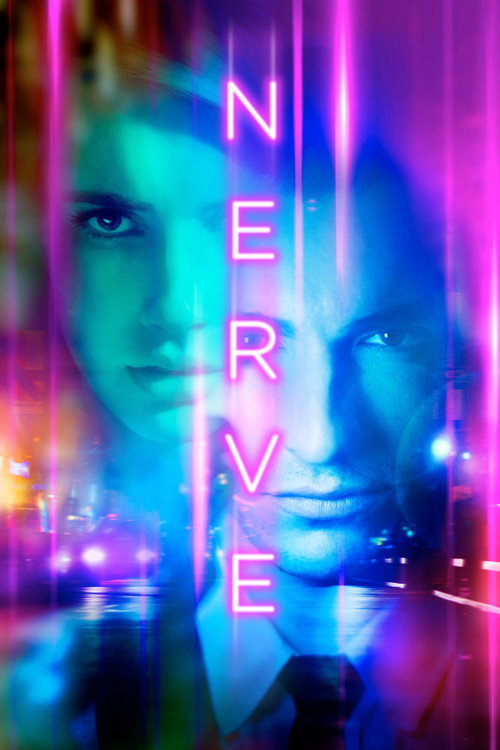
Nerve2016
A teenager joins an anonymous online game where watchers dare her to increasingly dangerous stunts. It captures the dark web's blend of spectacle and danger, with Vee and strangers pulling the strings.
But It's more YA thriller than horror, and the plot becomes predictable; some find it glosses over the real stakes involved.
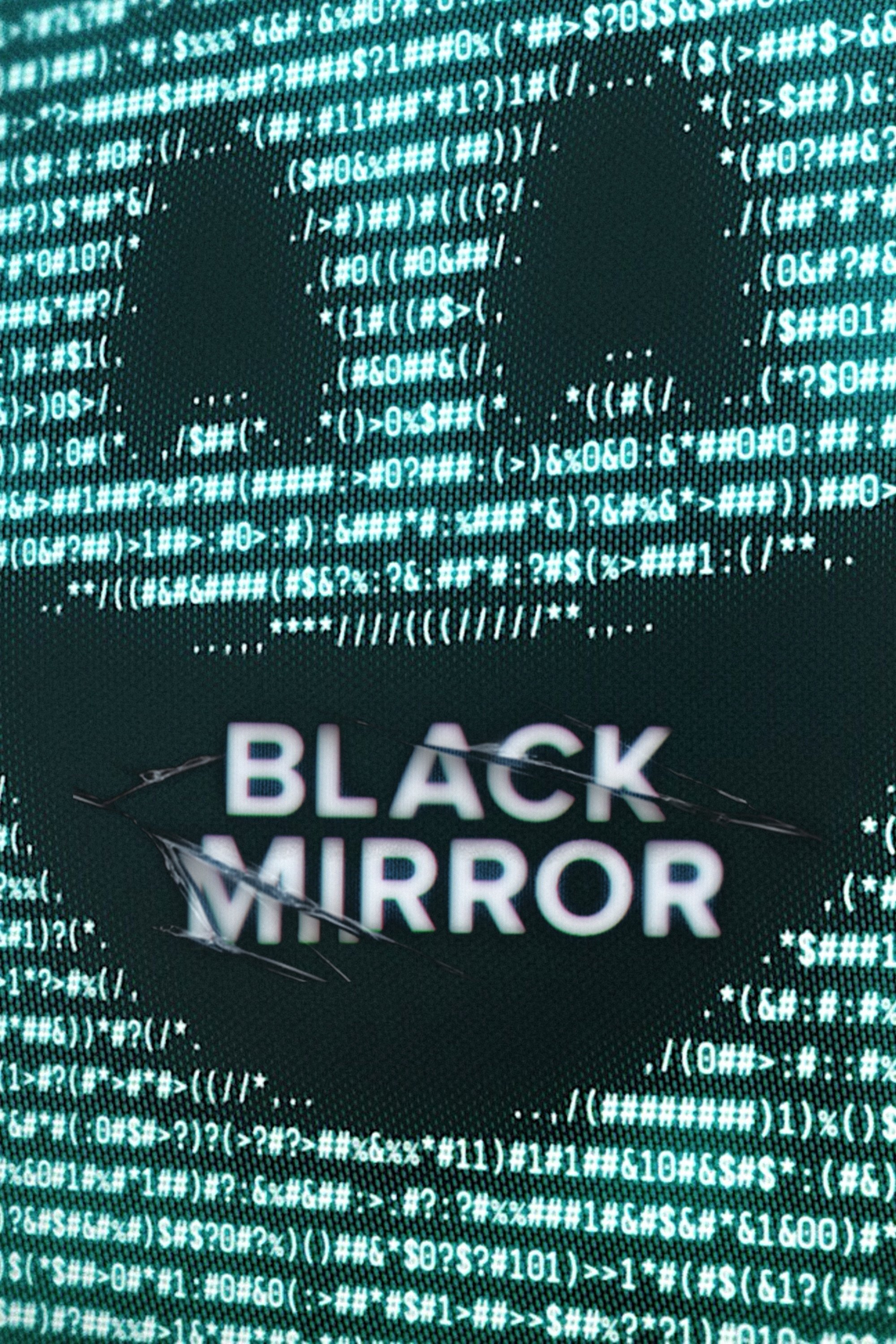
Black Mirror2011
A tech CEO traps his employees in a digital simulation of Star Trek and tortures them for fun. It's about power, surveillance, and the horrors that live inside technology—a perfect hour of the same dread Dark Web chases.
But It's a standalone episode, so you won't need the rest of Black Mirror, but it can feel tonally uneven—part sci-fi satire, part horror.
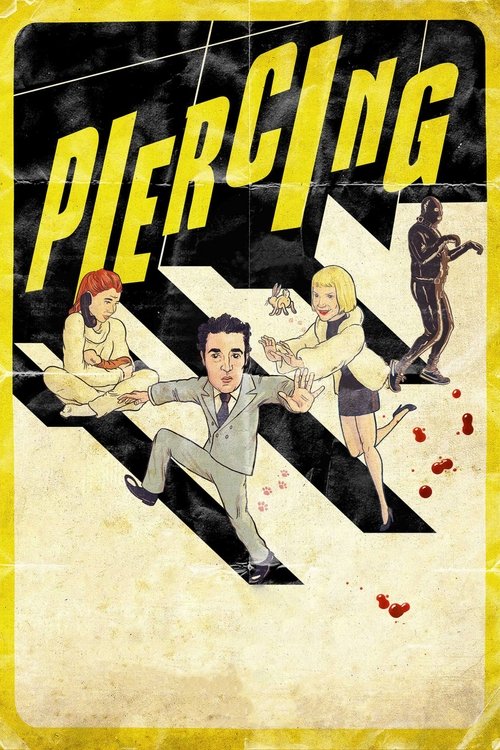
Piercing2019
A man books a hotel room to murder a woman; she arrives with her own dark agenda. Both are watching, plotting, performing for each other in a confined space—a psychological cat-and-mouse that uses intimacy and deception like Dark Web uses the dark web.
But It's art-house and oblique; graphic violence and sexual content aren't handled with restraint; and the narrative can feel opaque.
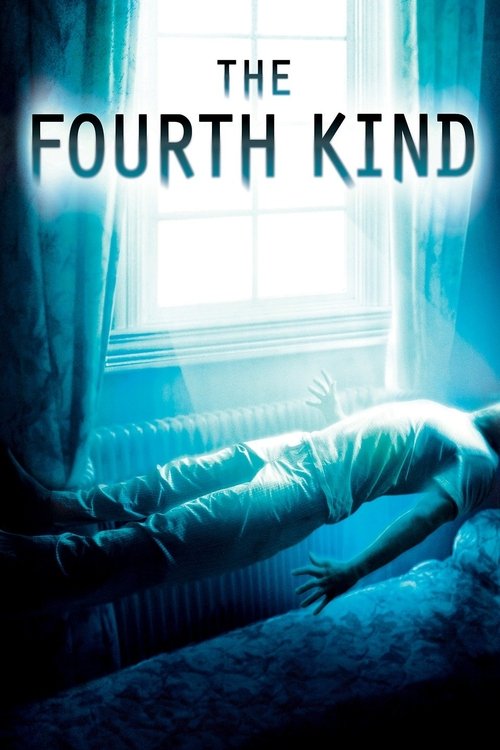
The Fourth Kind2009
Both use the format of digital proof—screens, recordings, evidence—to destabilize what you're actually seeing, making you question whether the medium itself is weaponized against the viewer.
An Alaska therapist uncovers alien possession in her patients; the film mixes documentary-style interviews with found footage that supposedly captures the truth. It's not the subject matter—it's the paranoia about what's real and what's being shown to you, and the feeling that someone else controls the frame.
But The alien angle is genuinely silly, and the found footage/interview hybrid makes it feel cheap; many dismiss it outright as pseudo-documentary nonsense.
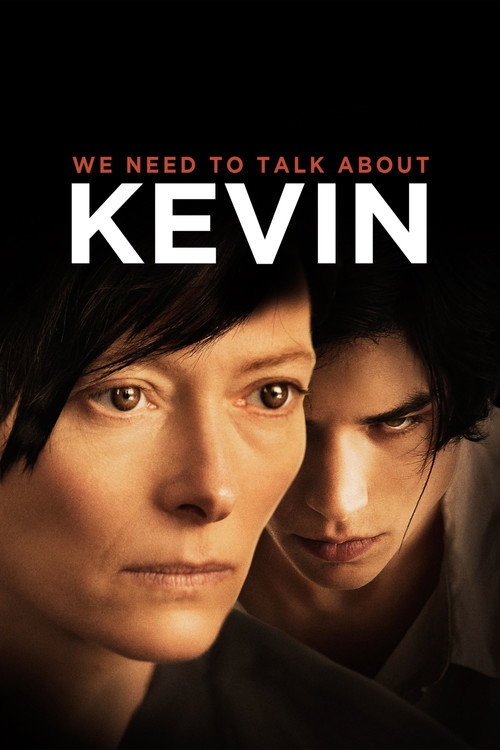
We Need to Talk About Kevin2011
Like Dark Web, it captures the modern experience of being watched and implicated through screens—but turns the camera on the watcher rather than the watched, and asks harder questions about what we're responsible for.
A mother confronts her relationship with her disturbed son after he commits an act of unspeakable violence. It's structured through fragmented screens of memory and surveillance video. Not a thriller—something much quieter and more sickening: the gradual understanding that you're watching a woman grapple with being complicit in horror she didn't cause.
But It's relentlessly bleak, meditative, and slow. There are no answers, no catharsis, and spending two hours in this woman's guilt is legitimately punishing.
People
Cast
 Colin WoodellMatias O'Brien
 Betty GabrielNari Jemisin
 Rebecca RittenhouseSerena Lange
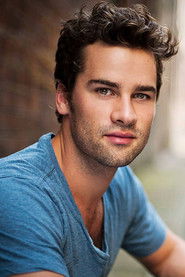 Andrew LeesDamon Horton
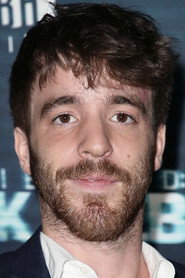 Connor Del RioAj Williams
 Stephanie NoguerasAmaya DeSoto
 Savira WindyaniLexx Putri
 Chelsea AldenKelly
 Alexa MansourErica Dunne
 Bryan AdrianJack
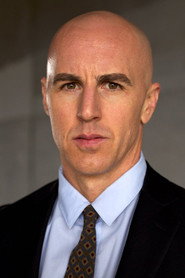 Douglas TaitCharon IV
 Rob WelshCharon V
Directing
- Stephen SuscoDirector
- Lori DenilScript Supervisor
Writing
- Stephen SuscoWriter
Production
- John McAlaryCasting
- Matthew NelsonCasting Assistant
- Ryan TurekCo-Producer
- Todd BreauCo-Producer
- Adam SidmanExecutive Producer
- Couper SamuelsonExecutive Producer
- Nelson GreavesExecutive Producer
- Jason BlumProducer
- Majd NassifProducer
- Timur BekmambetovProducer
- Max ReinerProduction Coordinator