
Film
Host
Host is a 2020 found-footage horror film that unfolds entirely on a Zoom call during lockdown. Six friends hire a medium for a séance and accidentally invite something genuinely malevolent into their homes. It's lean, inventive, and genuinely unsettling—a film that turns the mundanity of video conferencing into pure dread. It rewards patience and delivers real scares.
Should you watch it?
Watch it if you enjoy lean, screen-bound horror where dread builds through webcam squares and jittery group chatter, and a short running time keeps every scare sharp.
Skip it if you need slow-burn character work or a fully fleshed-out mythology; this is brisk, thin on backstory, and its jump-scare rhythm may feel more like a mechanism than a mood.
What it asks of you: Barely an hour of your evening, handed over in one sitting, with little breathing room between unease and outright panic.
Not sure? Find tonight's pick in a minute.
If you liked this
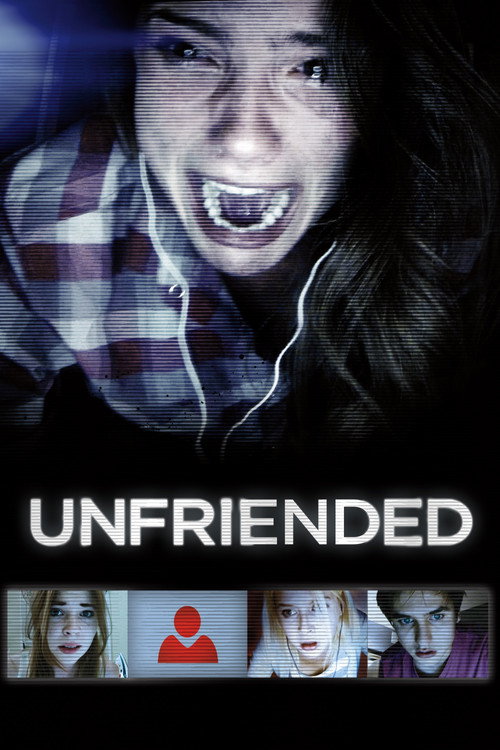
Unfriended2014
A supernatural thriller told entirely through computer screens, just like Host. It builds tension through chat windows and video feeds, creating an atmosphere of helpless isolation as a vengeful ghost hunts down former friends.
But The concept can feel gimmicky, and spending 83 minutes staring at a screen—even a fictional one—exhausts some viewers. The characters make dumb decisions that frustrate rather than frighten.
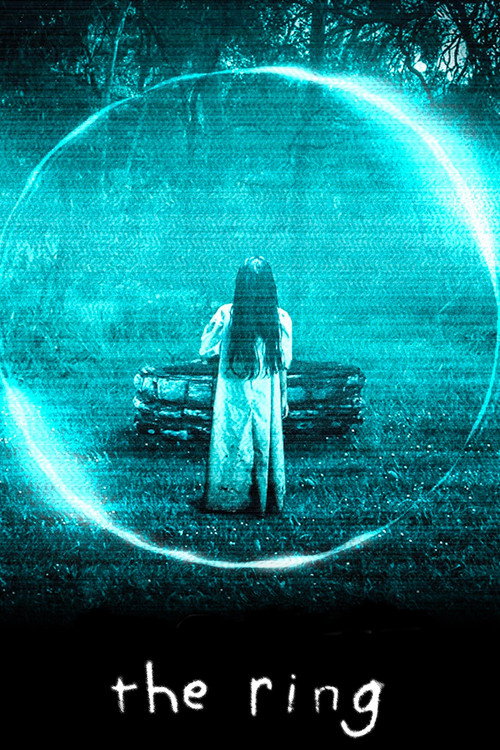
The Ring2002
Structural DNA shared with Host: the curse begins casually, escalates rapidly, and turns everyday technology into a vector for supernatural terror. Both films understand that violation of domestic space is more frightening than jump scares.
But It's aged visibly in spots, and the mythology gets a bit convoluted by the end. Some find the pacing slack in the middle stretch.
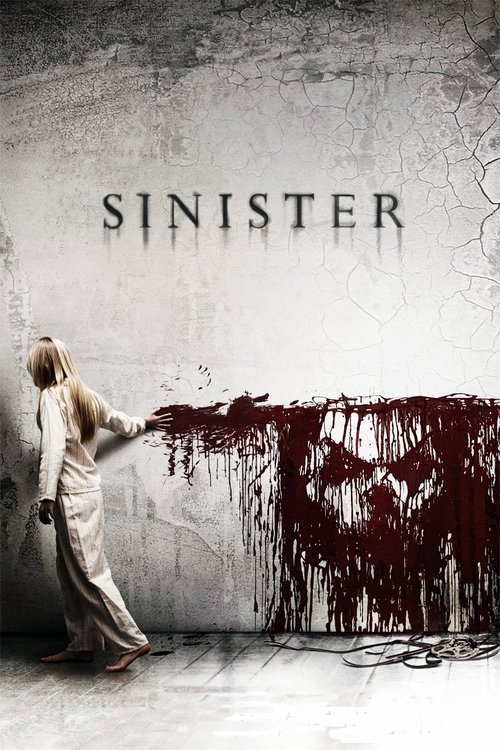
Sinister2012
A masterclass in sustained dread. Ethan Hawke investigates a haunted house while watching found footage. Like Host, it earns its scares through atmosphere and the slow realization that something genuinely wrong is happening, not theatrics.
But The film images are disturbing in ways that linger uncomfortably. It's bleak rather than cathartic, which some viewers find joyless rather than suspenseful.
Not sure tonight? Get a pick in a minute, starting from Host
The wildcard
Something you would not have found on your own.
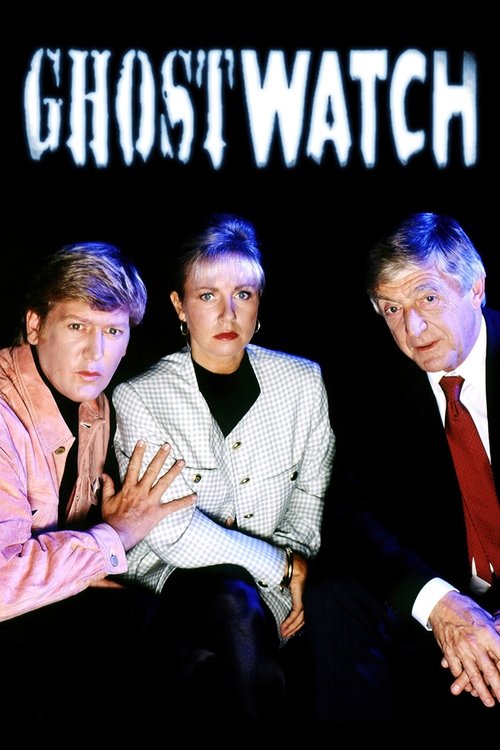
Ghostwatch1992
Both films understand that the *liveness* of video—the sense that something is happening right now, unpredictably—is more frightening than any edit could be. Ghostwatch is the spiritual ancestor of Host's formal experiment.
A BBC Halloween special presented as a live investigation of a haunted house. It pioneered the found-footage/fake-documentary approach to horror decades before the internet made it common. Genuinely creepy, genuinely shocking, and it fooled viewers into thinking it was real.
But It's deliberately paced and low-budget, which reads as cheap rather than atmospheric to modern viewers. Being nearly 30 years old, the broadcast-television aesthetic works against it.
More like this (8)
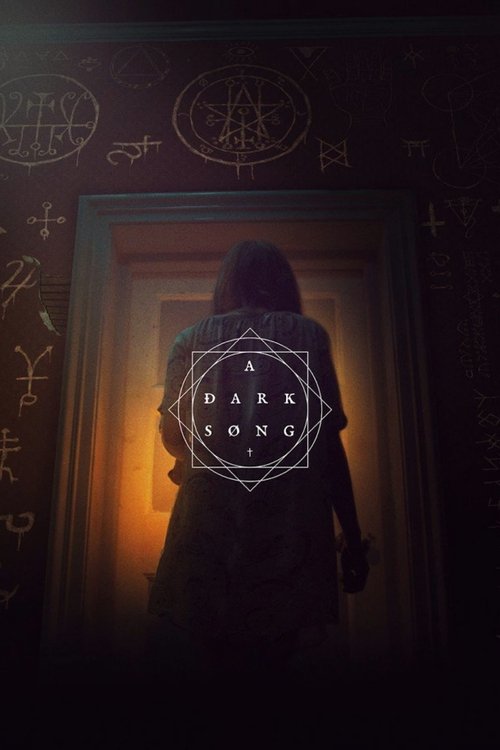
A Dark Song2016
Two people in an isolated house attempt a supernatural ritual. It's meditative and strange, exploring grief through the lens of the occult. Where Host is about invasion, this is about yearning—but both understand that the spiritual is intimate and devastating.
But It moves at a deliberate pace and won't satisfy anyone wanting conventional scares. The ending divides viewers sharply on whether it's transcendent or disappointing.
The Wailing2016
A Korean horror-thriller about spiritual contamination spreading through a community. Like Host, it's concerned with how evil propagates through small groups and intimate spaces, and how quickly trust collapses when fear takes hold.
But At nearly three hours, it demands patience and rewards multiple viewings to untangle its logic. The mythology is deliberately ambiguous in ways that frustrate viewers seeking clarity.

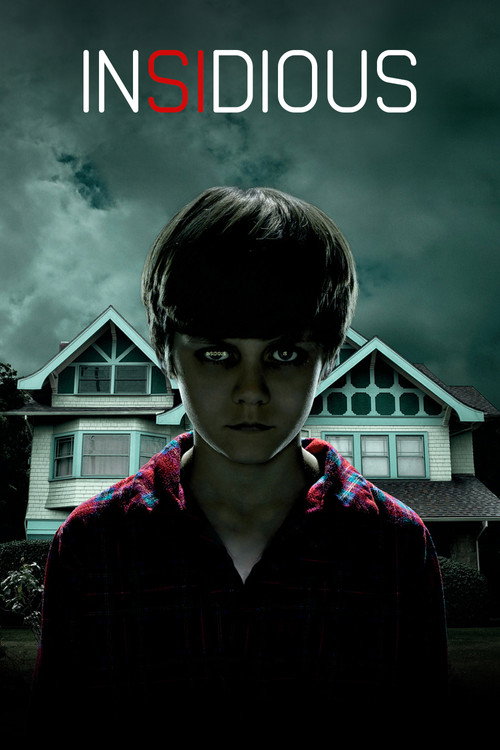
Insidious2011
A haunted-house film about a family under supernatural siege. It shares Host's understanding that the real horror is feeling helpless while something invades your home—the thing you trust most becomes the site of maximum vulnerability.
But The jump scares come thick enough that some find them manipulative. The sequels tarnished the original's reputation, so it can feel overshadowed by worse films in the franchise.
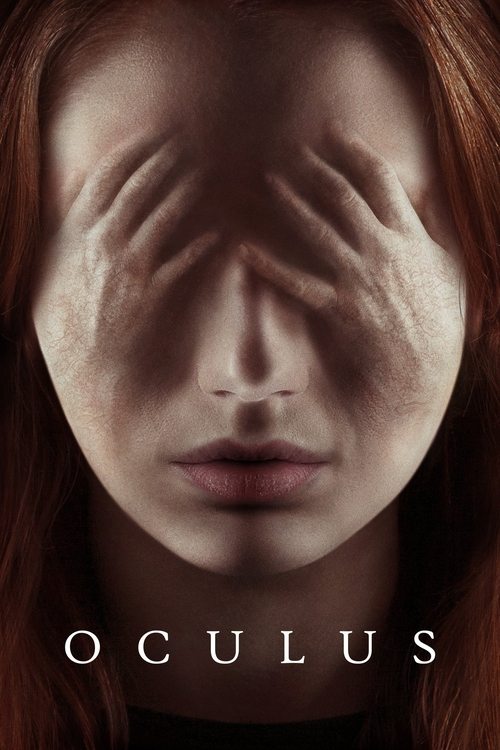
Oculus2014
A woman attempts to prove a mirror is haunted by documenting its effects. Like Host, it's about rational people confronting irrational evidence, and about how technology becomes a weapon when used to contact what shouldn't be contacted.
But The non-linear timeline can feel confusing on first watch. Some viewers find the repeated jump-scare structure predictable rather than scary.
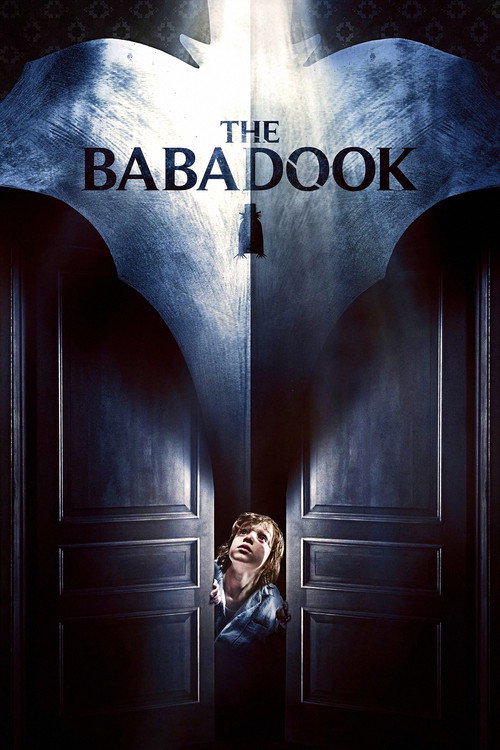
The Babadook2014
An Australian horror film about grief manifesting as a supernatural presence. It shares Host's interest in how terror works on intimate, domestic scales—the truly frightening thing isn't the monster, it's what it represents.
But It's more psychological drama than horror, and some viewers find it slow and precious rather than genuinely scary. The metaphor overshadows the scares.
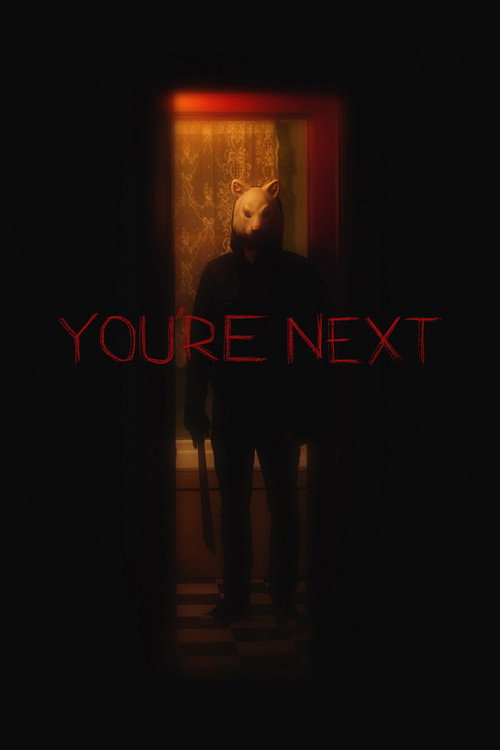
You're Next2013
A home-invasion thriller with genuine wit and craft. It understands that horror works best when characters are competent but overwhelmed. The violence is visceral without being gratuitous, and it respects the intelligence of both characters and audience.
But The twist divides opinion sharply. Some find it clever; others feel it betrays the tone. The ending is divisive enough that it overshadows what came before.
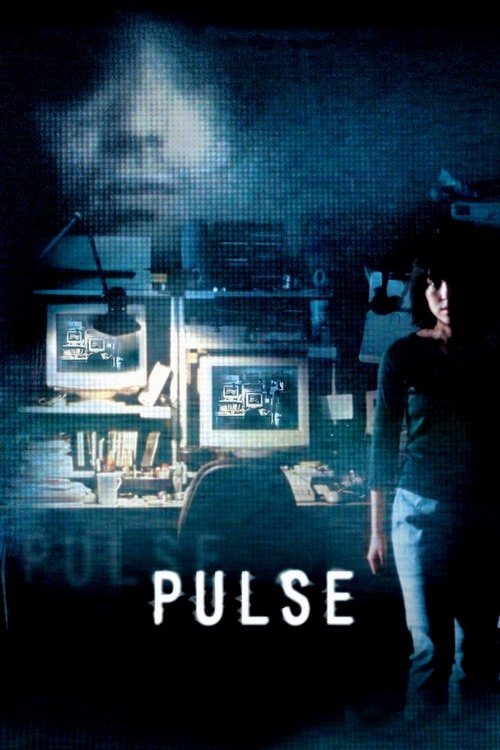
Pulse2001
Both films locate horror in the technology we use to connect with others. For Host, Zoom is the medium through which evil travels; for Pulse, it's the internet itself. Both ask: what if the thing that brings us together also brings something else?
A Japanese horror film where the internet itself becomes haunted. Spirits are leaking through digital networks and dragging people into a void of ash and emptiness. It's visionary, terrifying, and philosophically disturbing in ways most horror isn't.
But The special effects haven't aged gracefully, which undercuts the terror. It's also slow and meditative in a way that tests patience; it prioritizes mood over incident.
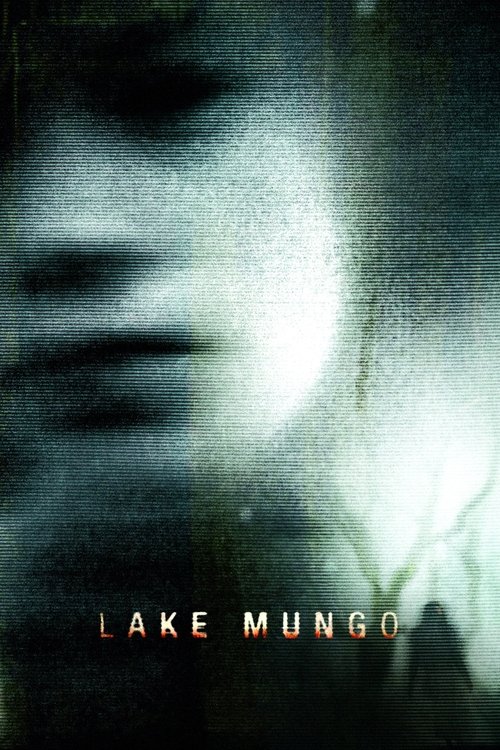
Lake Mungo2009
Both films use the grammar of domestic video and digital documentation to tell stories about what happens when the boundary between the living and dead dissolves. Host does it through Zoom; Lake Mungo does it through home videos. Both understand that footage is evidence, and evidence can be haunting.
An Australian mockumentary about a family investigating their daughter's death. It uses interviews, home video, and found footage to piece together a mystery, building to a final revelation that recontextualizes everything you've seen. Quietly devastating.
But Nothing happens in a conventional sense. It's an anti-horror film that relies entirely on emotional resonance and a willingness to sit with discomfort. Some find it boring; others find it profound.
People
Cast
 Haley BishopHaley
 Jemma MooreJemma
 Emma Louise WebbEmma
 Radina DrandovaRadina
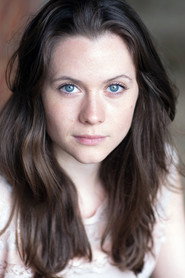 Caroline WardCaroline
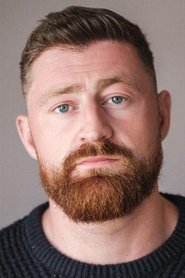 Edward LinardTeddy
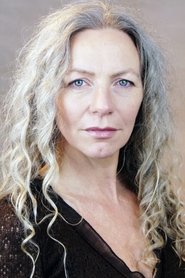 Seylan BaxterSeylan
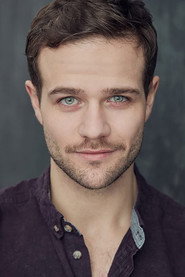 Alan EmrysAlan
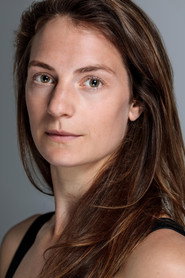 Jinny LofthouseJinny
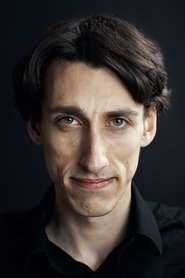 James SwantonThe Spirit
- Jack BrydonLegs
- Patrick WardCaroline's Dad
Directing
- Rob SavageDirector
Writing
- Gemma HurleyWriter
- Jed ShepherdWriter
- Rob SavageWriter
Production
- Craig EnglerExecutive Producer
- Jed ShepherdExecutive Producer
- Rob SavageExecutive Producer
- Douglas CoxProducer
- Emily GottoProducer
- Samuel ZimmermanProducer
- Charley CarsonProduction Coordinator
- Drew O'NeillProduction Coordinator
Recommended by
Talk to Me, Ghostwatch, Speak No Evil, Gonjiam: Haunted Asylum, Quarantine, Portals to Hell, The Tunnel, The Monster Project, Late Night with the Devil, Ghoul, Unfriended: Dark Web, The Den, Unfollowed