
Film
Ghoul
- Horror
- Survival thriller
- Fantasy
- Very dark
A found-footage horror film that uses historical atrocity—Ukraine's 1932 famine—as a gateway into supernatural terror. The documentary-within-the-film structure collapses when a crew ventures into the forest. Lean, efficient, and genuinely unsettling, it's for people who want dread without bloat.
Should you watch it?
Watch it if you want a lean, claustrophobic horror where dread creeps in from a documentary crew's ordinary errands and grows harder to escape, and you can sit with a grim historical backdrop.
Skip it if you may find its low budget showing and its bleak mood wearing, with the famine history heavy going.
What it asks of you: Eighty-six minutes of close attention, a slow build that rewards staying in the forest rather than checking the clock.
Not sure? Find tonight's pick in a minute.
If you liked this
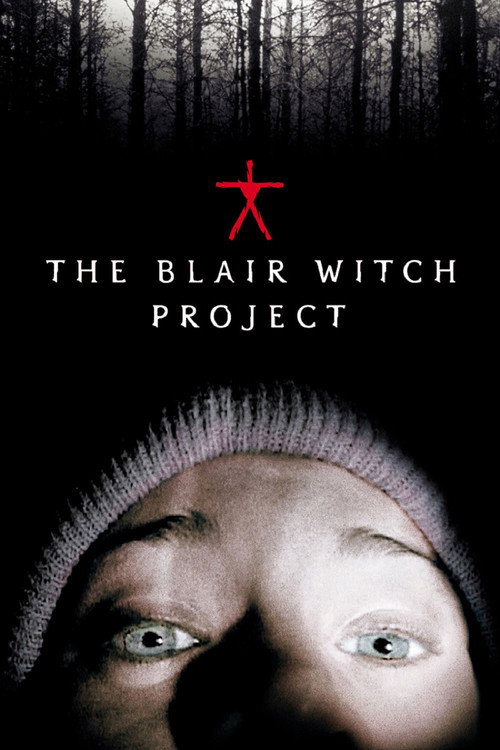
The Blair Witch Project1999
The template for found-footage that still works: minimal budget, maximum atmosphere, a group fracturing under pressure in an unknown landscape. The conviction that something is really hunting them.
But No gore, no jump scares—just creeping dread. If you need visceral horror, this is patience disguised as a film.
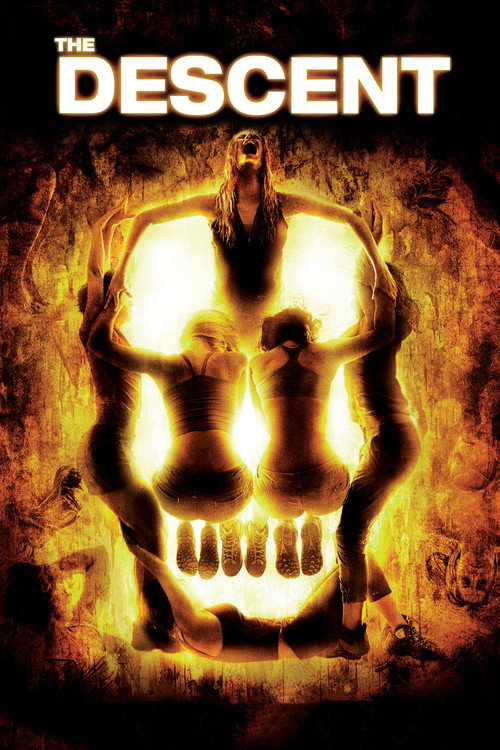
The Descent2005
Claustrophobic cave horror where the setting itself becomes a character. Brilliant use of darkness, genuine scares, and a group dynamic that deteriorates alongside the plot. A masterclass in tension.
But The creature design is practical rather than subtle. Some find the gore excess; others find the darkness confusing to watch.
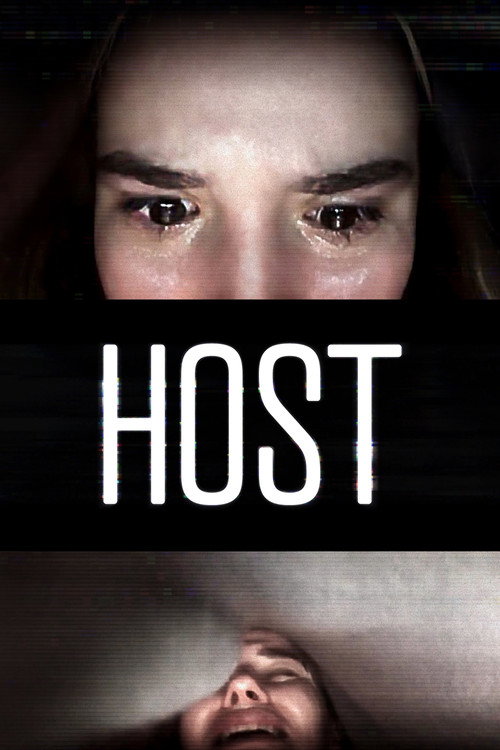
Host2020
A Zoom-based séance film that makes the medium part of the story, not just a gimmick. Eerie, fast-paced, and genuinely inventive. Proves found-footage still has places left to go.
But The small-screen format means you're watching small people on a screen in a screen. That's the point, but it can feel distant.
Not sure tonight? Get a pick in a minute, starting from Ghoul
The wildcard
Something you would not have found on your own.
Come and See1985
Both films mine real historical atrocity for their power. Where Ghoul uses famine as a threshold into the supernatural, Come and See strips away genre altogether and shows you the actual abyss.
A Soviet-era film about a boy caught in Nazi occupation of Belarus. It is brutal, hallucinatory, and genuinely apocalyptic. Same historical darkness as Ghoul, but rendered as lived nightmare rather than genre framework—and far more powerful for it.
But Not a horror film, but it is horrifying. Graphic violence. Not entertainment—endurance. But if you want to understand what real evil looks like, this is it.

More like this (8)
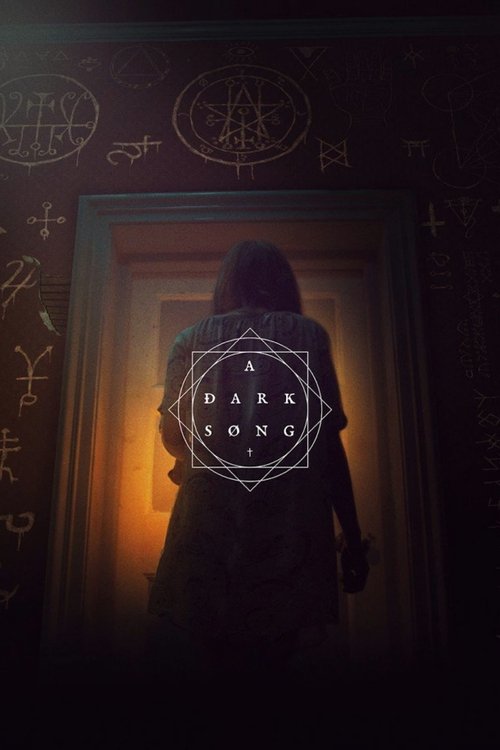
A Dark Song2016
A woman and a occultist in a remote house, intent on communion with the divine—or something. Slow-burn supernatural drama with real emotional weight. The script finds grace in darkness.
But Meditative to the point of stasis. If you're here for plot momentum or scares, you'll be disappointed.
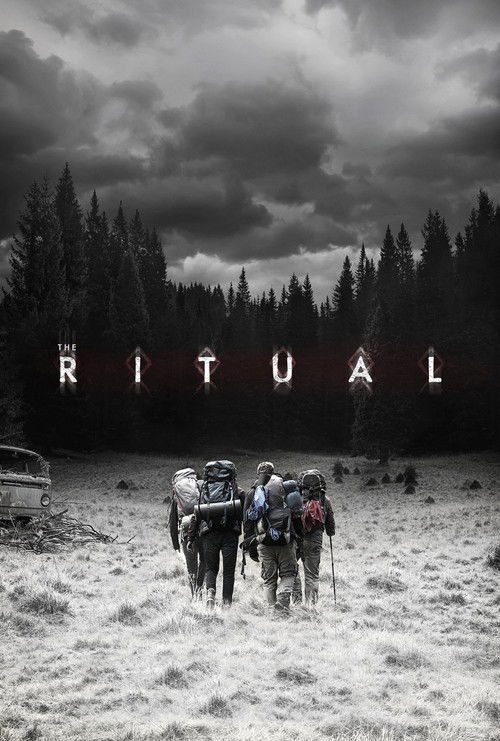
The Ritual2017
Hikers lost in a Scandinavian forest stumble onto something older and wrong. Beautiful landscape photography contrasts sharply with creeping dread. A film that understands isolation.
But The second half leans into creature-feature territory. Some felt the payoff deflates the atmosphere that made the first half work.
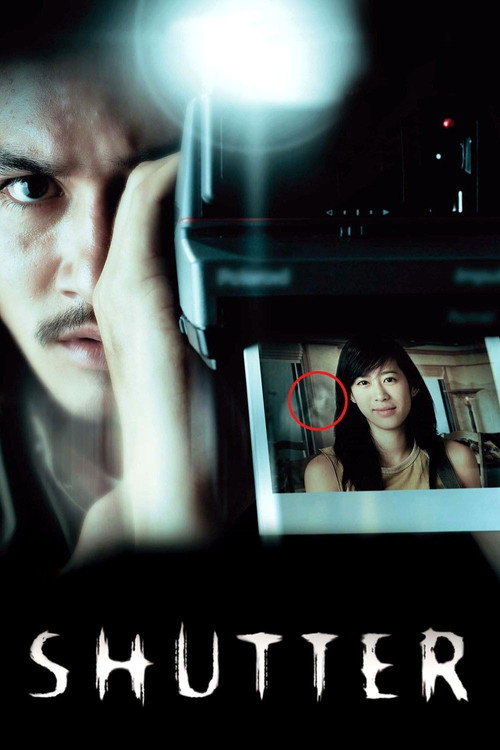
Shutter2004
Thai ghost story—technically supernatural, but it's haunted by trauma and guilt, not just spirits. Atmospheric, beautifully shot, genuinely disturbing in ways that linger.
But Subtitled. The twist, though earned, may feel like it rewrites what you thought you were watching.
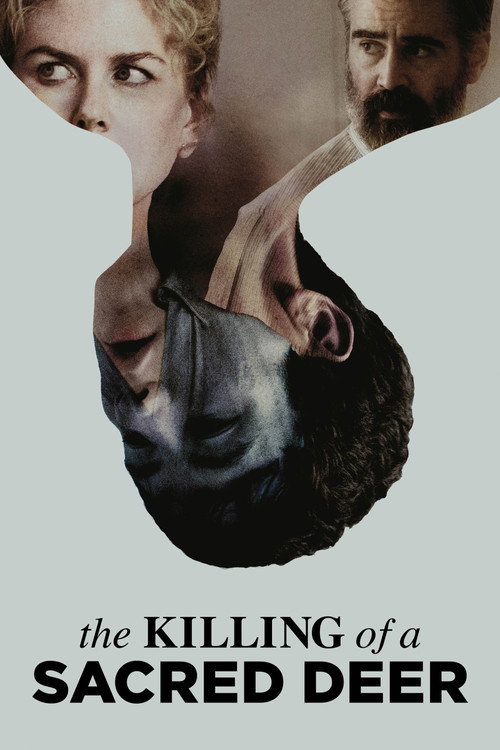
The Killing of a Sacred Deer2017
A family terrorized by a silent, inexplicable threat. Yorgos Lanthimos finds horror not in jump scares but in the dissolution of normalcy. The dialogue alone is unnerving.
But Deliberately flat tone and detached style. Some find it brilliant; others find it cold.
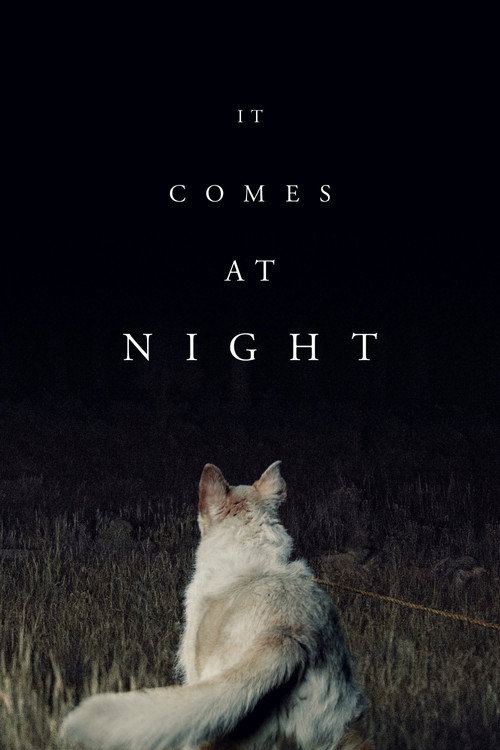
It Comes at Night2017
Isolation, paranoia, and a plague closing in. The horror is relational and quiet—people falling apart as the world does. Tense in a way that stays with you.
But The threat remains ambiguous by design. If you need clarity and resolution, this will frustrate you.
The Wailing2016
A Korean mystery-thriller about faith, doubt, and whether evil is supernatural or human. Layered, surprising, gorgeously made. Rewards attention on the first viewing and again on the fifth.
But Nearly three hours and cryptic enough that some viewers feel cheated. Not a straightforward narrative.

The Ascent1977
Both films use Eastern European landscape and history as a character. Ghoul weaponizes that landscape for genre thrills; The Ascent uses it to examine whether grace exists in a world designed to destroy you.
Two Soviet partisans trudge through snowy forest during occupation, their faith tested by cold, hunger, and brutality. Andrei Tarkovsky's film is meditative, spare, and existentially devastating. A spiritual horror story without jump scares.
But Black-and-white, slow, philosophical rather than narrative-driven. If you want plot, stop here. If you can sit with it, you're haunted for weeks.

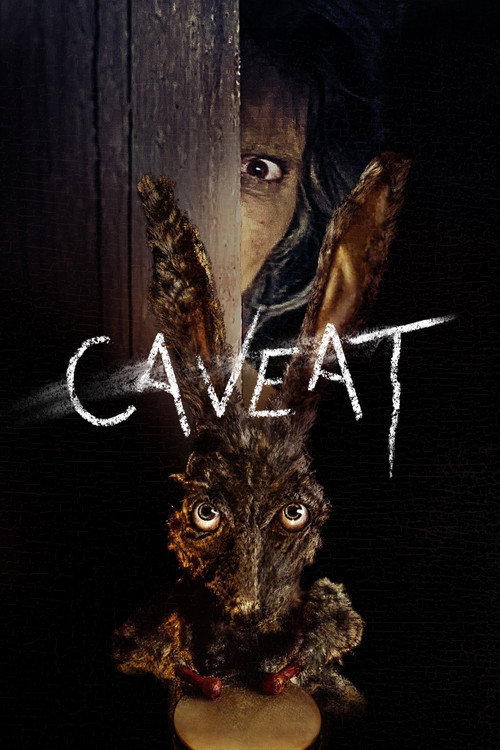
Caveat2021
Both are found-footage-adjacent films (Caveat mimics decay of old film) that collapse modern people into historic or ancient horror. Where Ghoul is supernatural, Caveat is purely psychological—but equally trapped.
A drifter arrives at a mysterious island to babysit a strange boy. Shot on 16mm like a film from 1974, it's deliberately archaic—grainy, off-colour, disorienting. Utterly unique sensory experience with a nightmare logic all its own.
But Intentionally feels broken and corrupted. Some find that refreshing; others find it unpleasant to look at. Very slow, very weird.
People
Cast
 Jennifer ArmourJenny
- Jeremy IsabellaEthan
 Paul S. TraceyRyan
- Alina GolovlyovaKatarina
 Inna BelikovaInna
Directing
- Petr JáklDirector
- Dorota MejstříkováScript Supervisor
Production
- Nancy BishopCasting
- Kevin BernhardtCo-Executive Producer
- Joe LynchExecutive Producer
- Rob CohenExecutive Producer
- Petr JáklProducer