
Film
Shutter
Other titles called Shutter: the 2008 film.
A Thai horror film where a hit-and-run becomes the opening of something far worse: a photographer begins finding mysterious shadows in his pictures, and they're getting closer. Gorgeously shot and genuinely unsettling, it trades jump scares for dread and a creeping sense that the couple can't outrun what they've done. For anyone who loves horror that believes in consequence.
Should you watch it?
Watch it if you like a ghost story that builds guilt and dread through still images and gradual unease, where a photograph becomes a sinister clue rather than a jump scare.
Skip it if you want fast scares or a tidy explanation, since it lingers on mood, moves at a patient pace, and leaves its logic loose.
What it asks of you: Its ninety-six minutes take their time, with long quiet stretches where you have to study the edges of the frame and keep track of who saw what.
Not sure? Find tonight's pick in a minute.
If you liked this
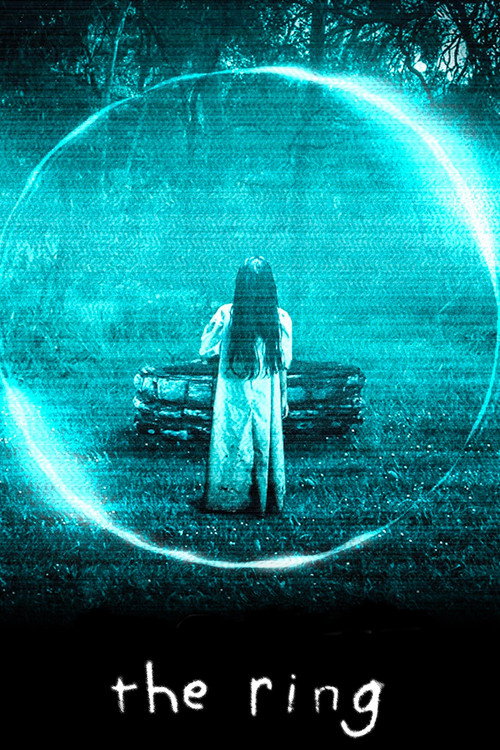
The Ring2002
A haunting emerges through a medium—here, a cursed videotape; in Shutter, photographs. Both build dread through a specific object and both understand that some supernatural debts cannot be escaped, only understood.
But The Ring is more famously terrifying, and if you've seen it, Shutter might feel like a variation rather than a revelation. The American remake has dated less gracefully than this Thai original.
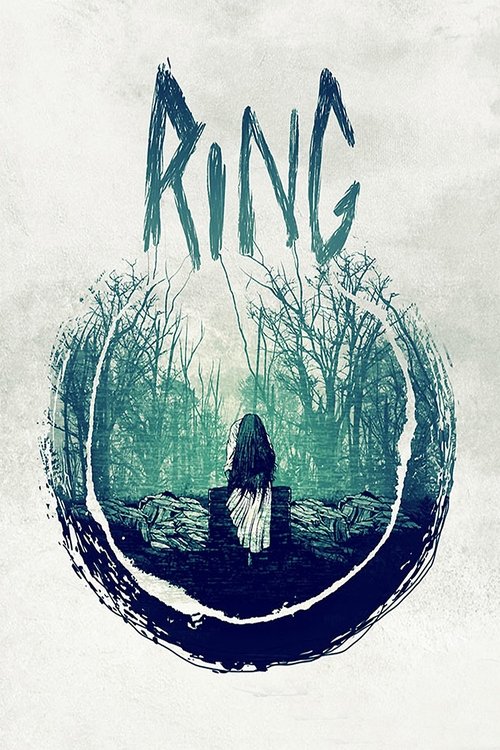
Ring1998
The original Japanese film that started it all: a woman investigates a cursed videotape and discovers the haunting is rooted in genuine tragedy. Like Shutter, it uses restraint and atmosphere to make the supernatural feel inevitable rather than imposed.
But It moves slower than modern horror; patience is required. Some will find the pacing meditative, others will find it sluggish. The mystery unfolds gradually.
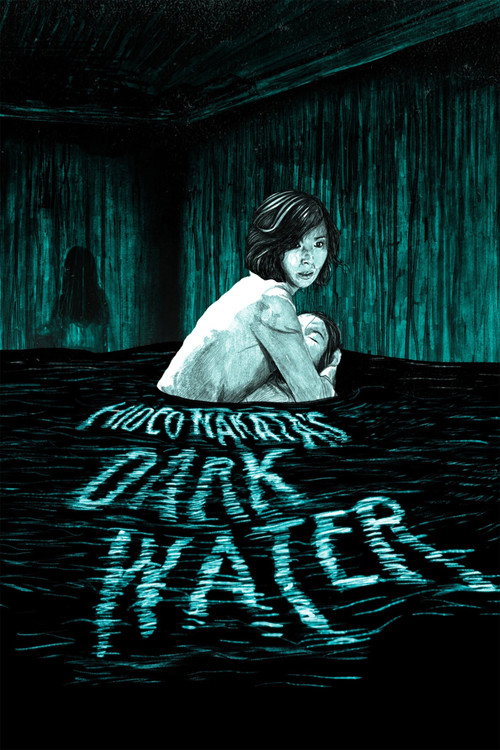
Dark Water2002
Another Japanese horror about a woman haunted by something she didn't fully understand—guilt and the supernatural are intertwined. The atmosphere is oppressive and intimate, focused on psychological torment rather than gore.
But Less viscerally scary than Shutter, more about creeping unease. If you want supernatural horror with traditional scares, this might feel too restrained.
Not sure tonight? Get a pick in a minute, starting from Shutter
The wildcard
Something you would not have found on your own.
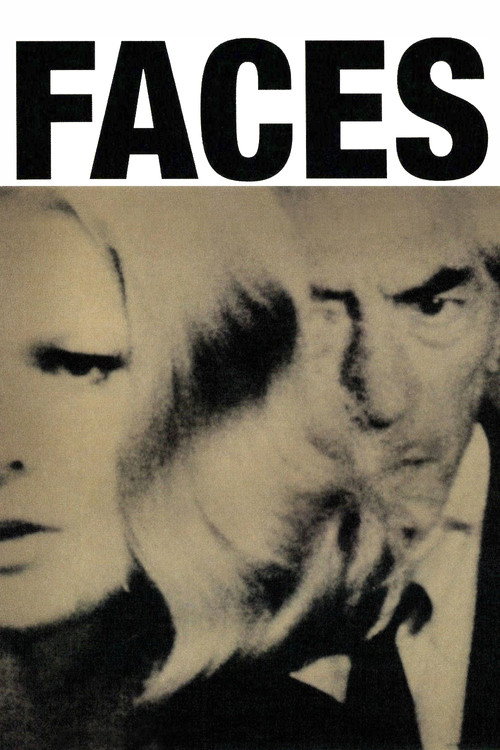
Faces1968
Both films understand that the true horror is consequence and complicity. In Shutter, a couple can't outrun what they've done. In Faces, a couple can't outrun what they are to each other. Both treat entrapment as inevitable.
John Cassavetes' raw, unfiltered study of a marriage dissolving, shot in grainy black-and-white with non-professional actors. Like Shutter, it's about ordinary people caught in something they can't escape—not supernatural, but just as inescapable.
But It's a three-hour hangover of human failure and cruelty, unsparing and uncomfortable. There's no release, no catharsis. Not entertaining in any traditional sense.
More like this (8)
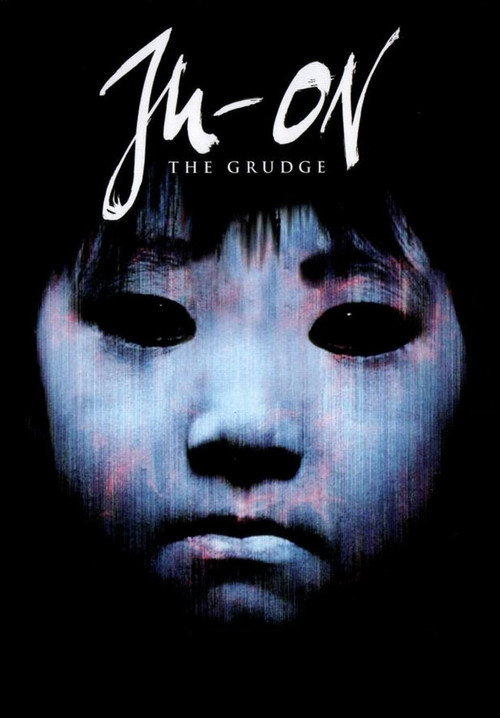
Ju-on: The Grudge2002
A curse that persists and spreads, punishment for sins both active and passive. Like Shutter, it believes the horror is earned—wrong actions have consequences that can't be undone by running away.
But The narrative structure is deliberately fragmented, which some find brilliant and others find confusing. It's less a story than a series of haunted moments.
The Wailing2016
A Korean thriller-horror about a family stalked by something supernatural, rooted in guilt and moral ambiguity. It builds to genuine terror through atmosphere and philosophical dread rather than conventional scares.
But At nearly three hours, it demands your full attention and refuses to explain itself clearly. The ending is deliberately open to interpretation, which frustrates some viewers.

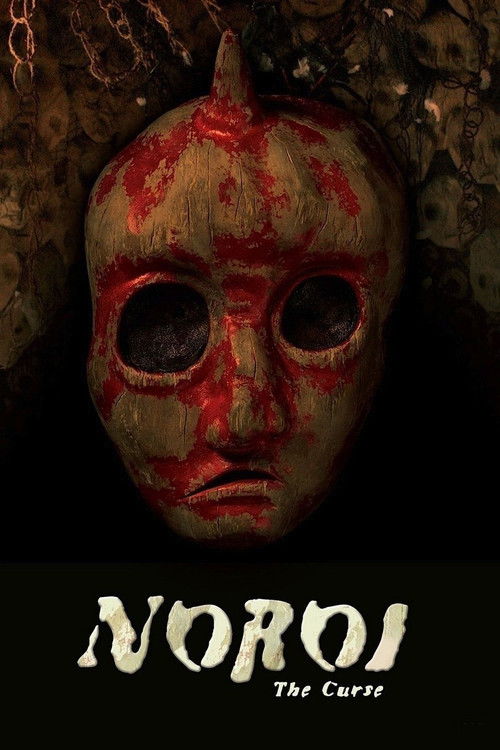
Noroi: The Curse2005
A found-footage haunting documentary where a TV producer uncovers a curse through old footage and research. Like Shutter, it suggests the horror was waiting all along, and investigating it only makes things worse.
But Found footage from 2005 doesn't feel as immersive now, and the pacing is genuinely slow. You have to be in the mood for something that trusts silence more than music.
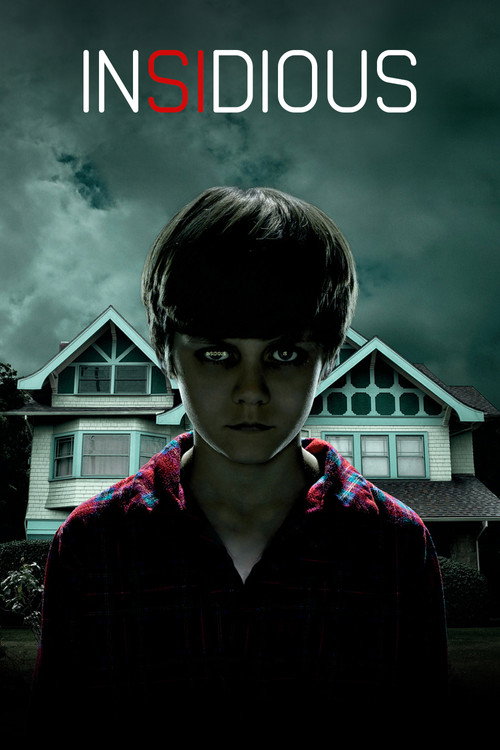
Insidious2011
A family haunted by something from another realm, driven by excellent sound design and James Wan's control of tension. It proves that mainstream American horror can be genuinely frightening when it respects the audience's intelligence.
But It leans harder into jump scares than Shutter does, and the third act becomes more action than dread. Some find it manipulative rather than earned.
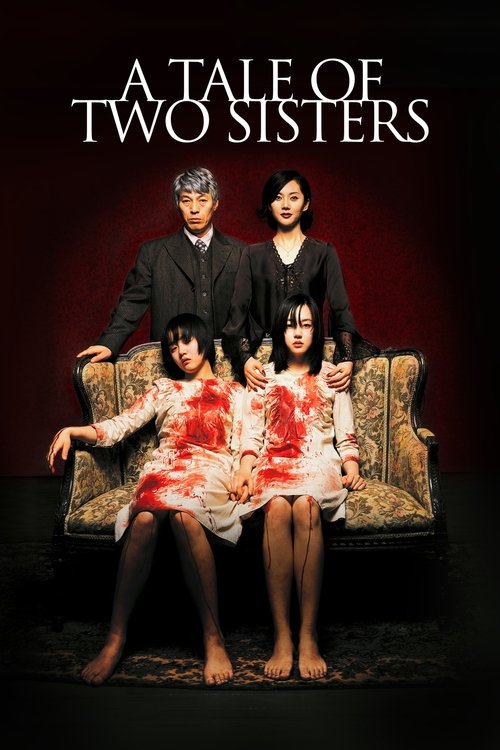
A Tale of Two Sisters2003
A Korean horror-fantasy about two sisters and a stepmother, built on atmosphere and psychological unease. It's visually stunning and deeply unsettling, with a twist that reframes everything you've watched.
But The plot is deliberately cryptic and the ending may leave you more confused than satisfied. It rewards obsessive rewatching; casual viewers may bounce off it.
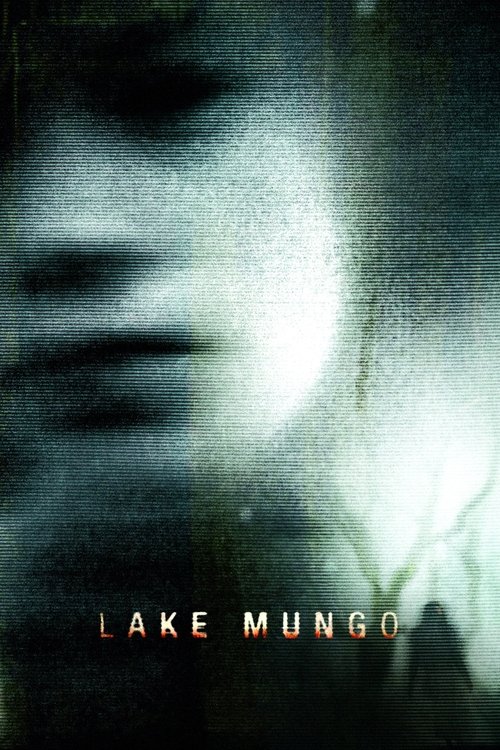
Lake Mungo2009
An Australian mockumentary about a family investigating their daughter's death, discovering something far stranger. It's intimate, heartbreaking, and builds its horror from grief and love rather than malice.
But It's slow-burn and deliberately flat in presentation, structured as an investigation rather than a narrative. The scares are rare and subtle. Some will find it boring.
Come and See1985
Both understand that guilt and complicity are more terrifying than any ghost. The boy in Come and See witnesses atrocities he cannot stop; Tun witnesses something he caused. Both are trapped in a logic they can't escape.
A Soviet war film that follows a boy conscripted into battle during WWII. It's visually apocalyptic, morally devastating, and committed to showing horror as something that breaks the spirit rather than merely frightens it.
But It's profoundly bleak and difficult to watch—not horror-film scary, but genuinely traumatic. It's long, loud, and offers no comfort or resolution. Most viewers will find it punishing.

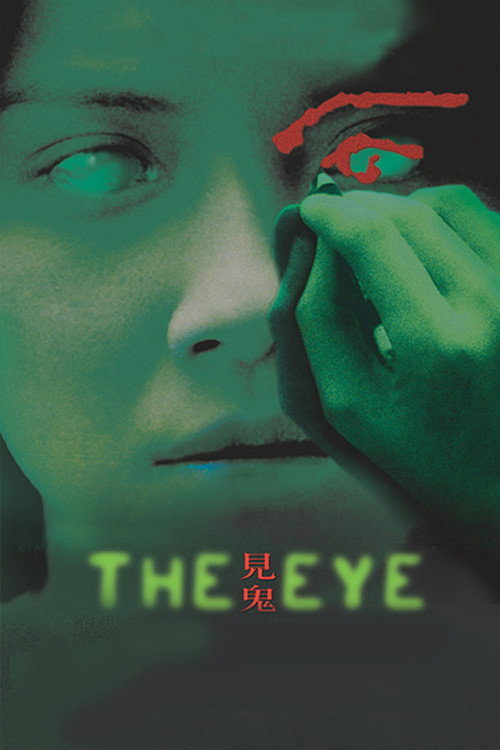
The Eye2002
Both are Thai films that treat the supernatural as real and immediate, rooted in Buddhist concepts of karma and consequence. Both use photography and visual media as the gateway to the unseen world.
A Thai thriller about a woman who receives a corneal transplant and begins seeing ghosts. It's visually inventive, deeply strange, and genuinely eerie—more surreal than Shutter, but built on the same cultural logic and visual language.
But It's more deliberately weird than scary, and some of its CGI hasn't aged well. The plot relies on ideas about the soul that won't resonate if you're not open to them.
People
Cast


 Achita SikamanaNatre
- Chachchaya ChalempholTonn's Wife
- Apichart ChusakulMagazine Editor
- Binn KitchachonpongAsst. Magazine Editor
- Panitan MavichakNuch
Directing
- Banjong PisanthanakunDirector
- Parkpoom WongpoomDirector
- Ake PunyaseeFirst Assistant Director
- Ratchapan RatwattananunSecond Assistant Director
- Nalina ChayasombatThird Assistant Director
- Sangrawee JongsinkulThird Assistant Director
- Vicha JittraratThird Assistant Director
- Weerachai YaikwawongThird Assistant Director
Writing
- Banjong PisanthanakunScreenplay
- Parkpoom WongpoomScreenplay
- Sophon SakdaphisitScreenplay
- Songpol SungsuanStoryboard
Production
- Panjai SirisuwanCasting
- Boosaba DaoruengExecutive Producer
- Paiboon DamrongchaithamExecutive Producer
- Chatmanee Sa-NgiamluksanaLine Producer
- Yodphet SudsawadProducer
- Pimsuda BoonhamProduction Coordinator
- Piyarat PiyapongwiwatProduction Manager
- Sangrawee JongsinkulProduction Manager
Recommended by
Ring 2, Paranormal Witness, Alone With Her, Hospital, Bees Saal Baad, Sick Nurses, Aval, Carved: The Slit-Mouthed Woman, Pizza, Ghoul, Memento Mori, Whispering Corridors, Innocent Curse, The Maid, The Seance, Demonte Colony, Crawl Space, Possessed, Watcher, The Wailing of the Maghrib, Amusement, Nightmare Detective, Pizza, Never After Dark, The Rope Curse, The Eye