
Film
The Eye
Other titles called The Eye: the 2008 film.
A blind violinist regains her sight through corneal transplant, only to discover her new eye perceives the supernatural. This Hong Kong horror film trades jump scares for a creeping, philosophical unease about identity and obligation. Visually inventive and genuinely unsettling, it's for viewers who want their scares to linger in the mind rather than the nervous system.
Should you watch it?
Watch it if you like ghost stories built on atmosphere and grief, where the dread creeps in through ordinary rooms, hospital corridors and a newly restored point of view.
Skip it if you need a brisk genre thriller, since its pace is deliberate and its middle stretches can feel slow and repetitive to viewers hoping for steady shocks.
What it asks of you: Settle in for a patient 98 minutes, with long quiet takes and dread that accumulates rather than detonates, so bring full attention rather than half-focus while folding laundry.
Not sure? Find tonight's pick in a minute.
If you liked this
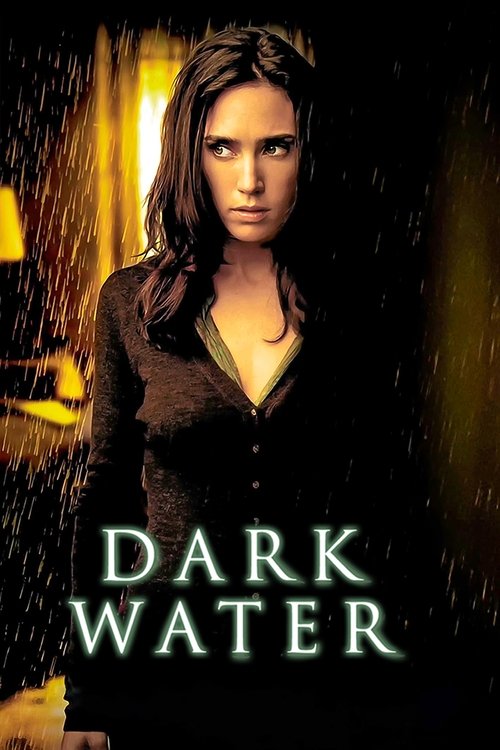
Dark Water2005
Another Asian horror film about inheriting trauma through an object—a flooded apartment building becomes a character itself. Combines supernatural dread with the mundane to create something genuinely claustrophobic and sad.
But Slower than Western horror; the payoff is existential rather than cathartic, which some find unsatisfying rather than thought-provoking.
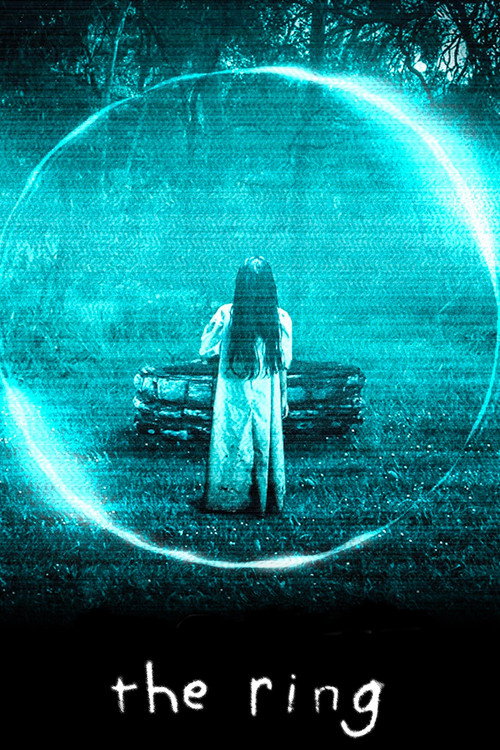
The Ring2002
A Japanese horror masterpiece about investigating an object's dark history. Like The Eye, it builds terror through atmosphere and implication rather than gore, and asks what we owe the dead.
But If you've seen the American remake, the original may feel less novel. Some find the pacing deliberate to the point of drag.
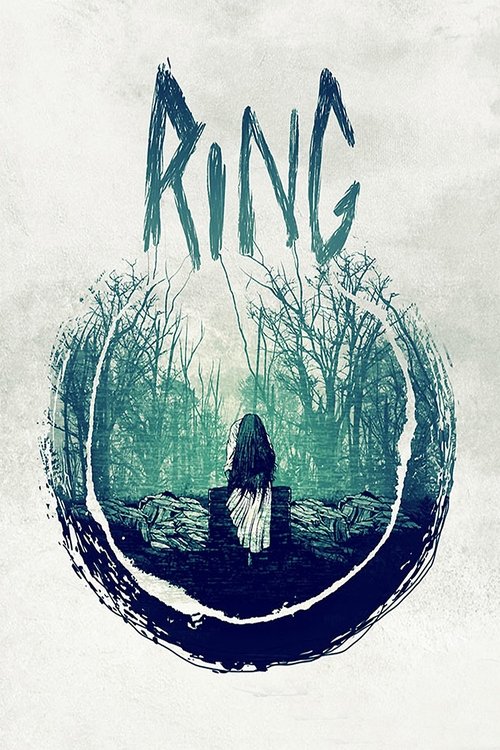
Ring1998
The originating Japanese film that redefined horror cinema. Proof that restraint and suggestion create more dread than explicit violence; the mystery itself becomes the monster.
But Released nearly 30 years ago and much imitated since; it may feel familiar even if you haven't seen it. Subtitles required.
Not sure tonight? Get a pick in a minute, starting from The Eye
The wildcard
Something you would not have found on your own.
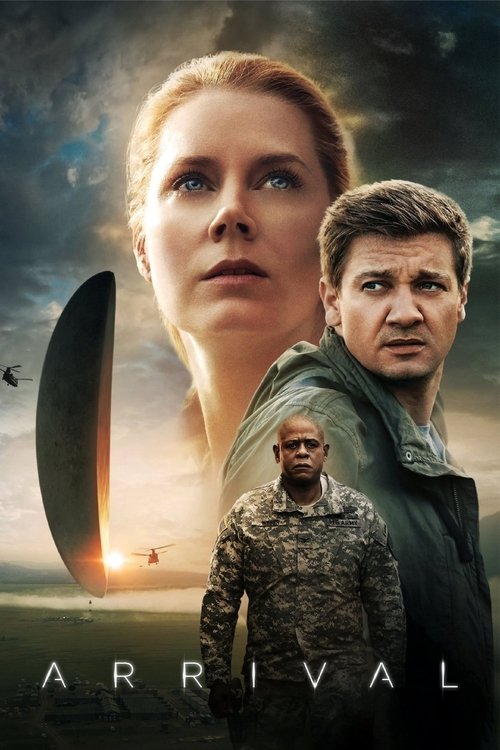
Arrival2016
Both use a sensory transformation—sight, language—as the engine for the entire story, asking what we become when we perceive differently. Both are quiet about their revelations.
A linguist makes contact with an alien species and discovers language literally rewires how we perceive time and causality. Like The Eye, it's about gaining a new sense that changes everything you thought you knew—but it's hard sci-fi instead of horror.
But Philosophical and deliberate; if you want aliens and action, this prioritizes ideas over spectacle. The emotional climax may feel slow-building.
More like this (8)
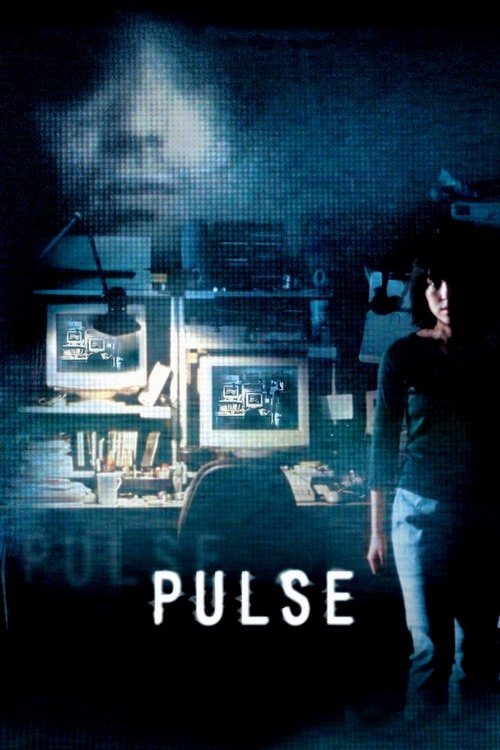
Pulse2001
A devastating exploration of urban isolation wrapped in ghost-story clothing. Each scene feels like watching someone fade from the world, and the horror is existential—about erasure itself.
But Genuinely bleak. No catharsis, no redemption arc. Some viewers find it emotionally exhausting rather than entertaining.
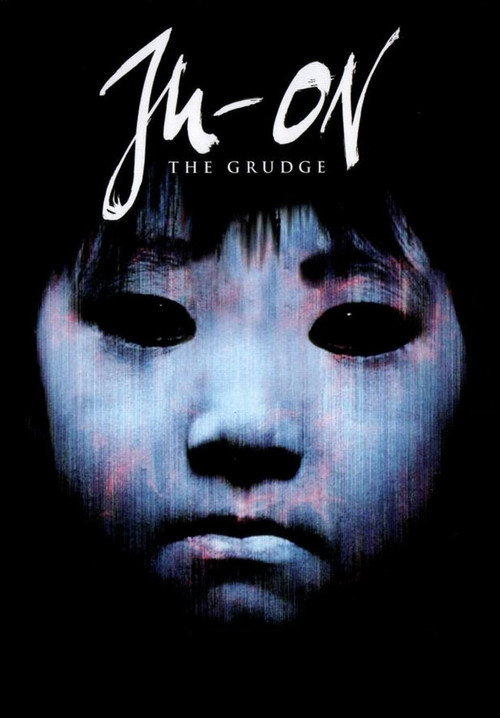
Ju-on: The Grudge2002
Japanese horror operating at the edge of abstraction, where the curse becomes a force of nature rather than a punishable wrong. The structure itself mirrors the viral spread of supernatural infection.
But Non-linear storytelling can feel frustrating if you're expecting conventional narrative logic or character development.
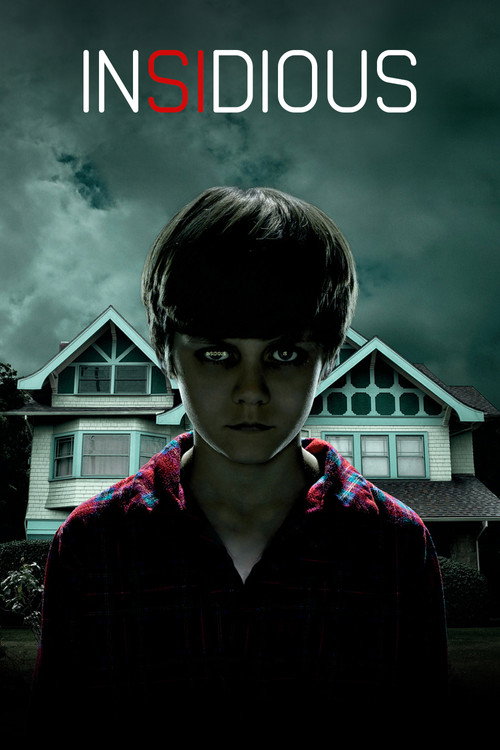
Insidious2011
A modern American take on the haunted-consciousness concept: a child's astral projection traps him between worlds. Strong production design and James Wan's control of tension make the familiar feel fresh.
But Relies on jump scares more than atmosphere; some of the supernatural elements are explained in ways that feel mechanical rather than eerie.
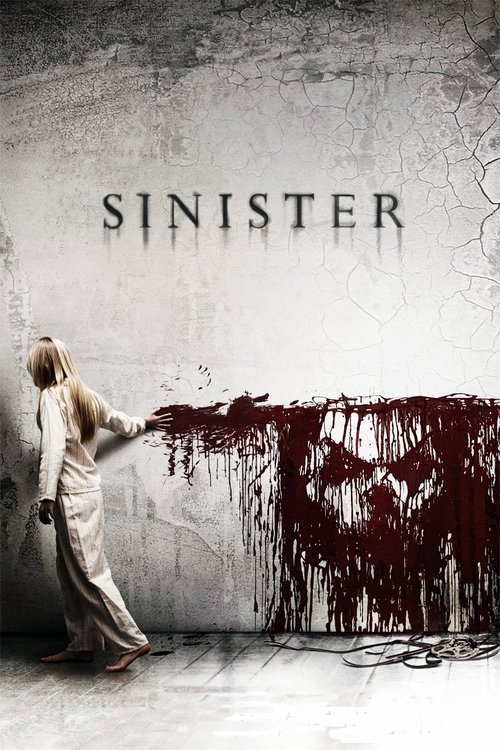
Sinister2012
A journalist uncovers footage tied to a supernatural curse, blending detective-story momentum with genuine dread. Ethan Hawke grounds the escalating weirdness in rational fear.
But The final act leans heavily on visceral violence; the intellectual premise gives way to more conventional horror beats.
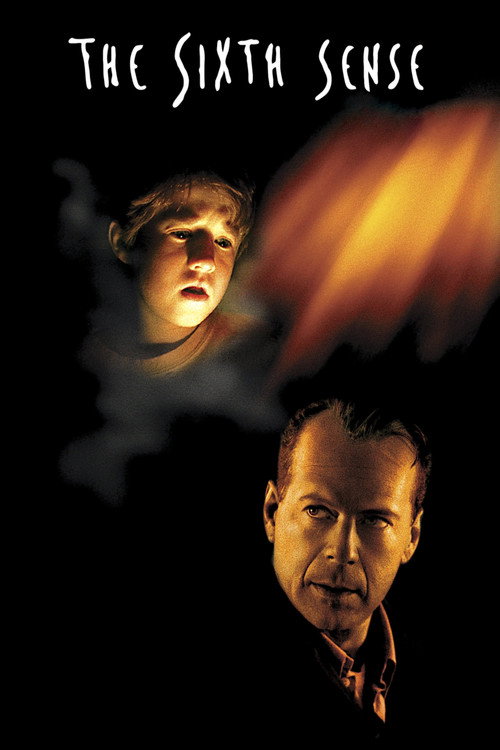
The Sixth Sense1999
A child who sees dead people investigates their unfinished business. Expertly crafted, emotionally resonant, and genuinely moving beneath the supernatural premise—a reminder that good horror can make you cry.
But The famous twist is widely known by now. Rewatching loses impact, and some scenes feel dated in their execution.
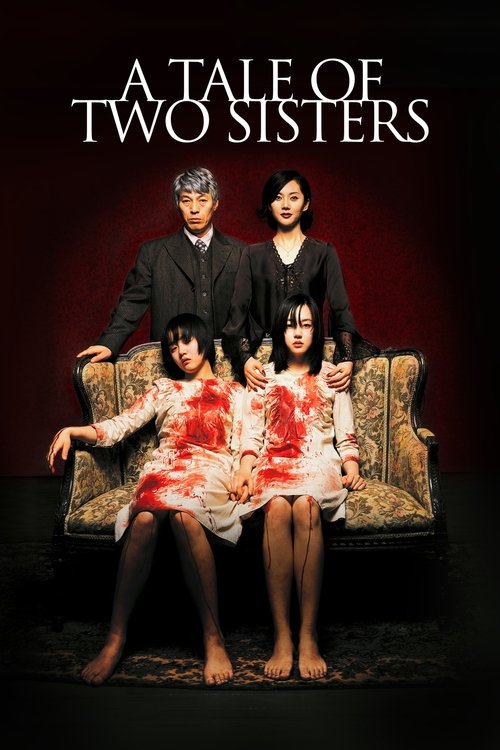
A Tale of Two Sisters2003
South Korean gothic horror with a fractured narrative and haunting visuals. The ambiguity about what's supernatural and what's psychological lingers long after the credits.
But The final revelation recontextualizes the entire film in ways some find frustrating or insufficiently explained. Very slow-burn.
Mulholland Drive2001
Both films treat supernatural vision as a way to explore psychological fragmentation. Both are indifferent to providing comfortable answers about what's real.
David Lynch's Los Angeles nightmare about identity and what we see versus what we believe. Like The Eye, it's obsessed with vision itself—ocular and psychological—and uses the supernatural as metaphor for internal collapse.
But Deliberately cryptic and fragmentary; Lynch does not explain. Some see genius, others see pretension; there is no middle ground here.

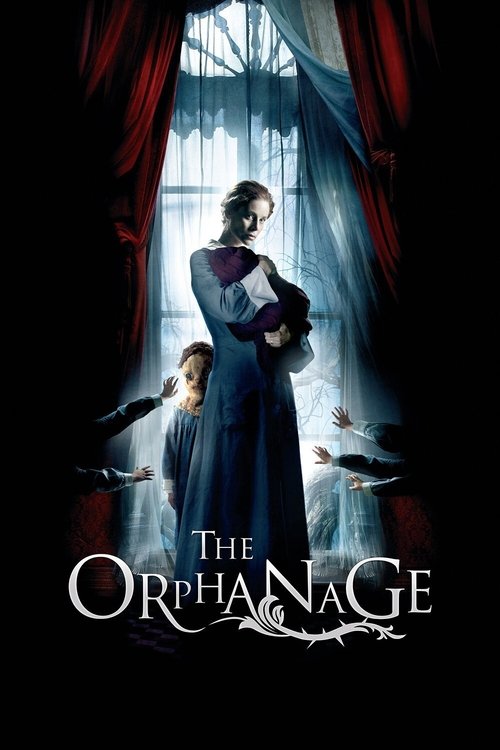
The Orphanage2007
Both hinge on inherited trauma tied to an object or place, and both suggest that what we see tells us less truth than what we feel. Both end with the protagonist understanding more than is comfortable.
A woman returns to the orphanage where she grew up to find it haunted. It's a ghost story, but the real horror is about repressed memory and the gap between what happened and what we need to believe happened. Devastating final twist.
But Emotionally wrenching in ways that feel more like grief than entertainment. The climax prioritizes heartbreak over fear.
People
Cast
 Angelica LeeWong Kar Mun
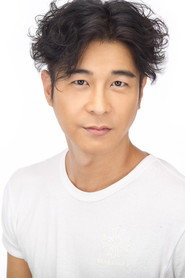 Lawrence ChouDr. Lo, Wah
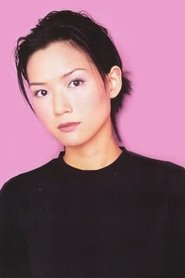 Candy LoYee
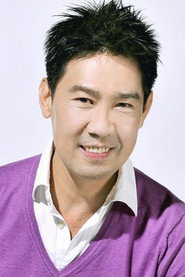 Edmund ChenDr. Lo
- Yut Lai SoYingying
- Chadatirud LertaveesinChiu Wai Ling
- Yin Ping KoMun's Grandmother
- Florence Wu Wing-HanNurse
- Wisarup AnnuarDark Figure
- Yuet Siu WongGhost in the Hospital
- Well Chin Wing-WaiHospital Caretaker
- Tao LeungGhost on the Highway
Directing
- Danny PangDirector
- Oxide PangDirector
Writing
- Danny PangWriter
- Jojo Hui Yuet-ChunWriter
- Oxide PangWriter
Production
- Samart TunsadeeCasting
- Eric TsangProducer
- Lawrence Cheng Tan-ShuiProducer
- Peter ChanProducer