
Film
The Eye
Other titles called The Eye: the 2002 film.
A supernatural thriller about a blind violinist who gains sight through corneal surgery, only to discover she can now see the dead. Jessica Alba carries a high-concept premise that wavers between genuinely unsettling and overreaching. It's for viewers drawn to horror-adjacent stories about perception and trauma, though the execution rarely justifies its ambitious framework.
If you liked this
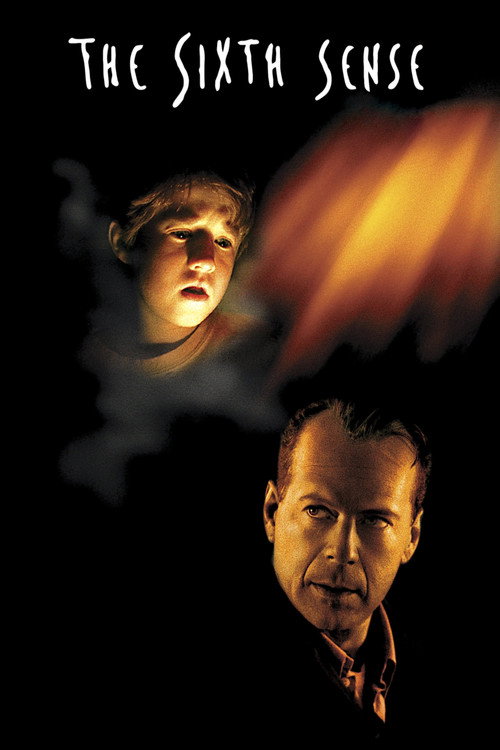
The Sixth Sense1999
The template for seeing-the-dead narratives, executed with restraint and a twist that lands. Shyamalan controls atmosphere brilliantly, letting dread build through suggestion rather than spectacle.
But It's a 1999 film that shaped every supernatural thriller after it, so the structure may feel familiar rather than fresh.
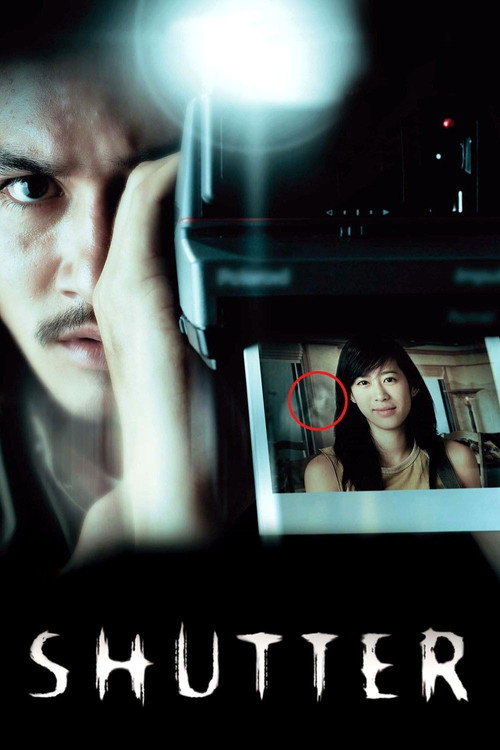
Shutter2004
A Japanese horror masterpiece about a photographer haunted by images he cannot unsee. Genuinely frightening, with a moral dimension that deepens as it progresses. The reveal is devastating.
But Subtitled, and the scares depend on patience and mounting dread rather than jolts. Slow burn will frustrate viewers wanting immediate payoff.
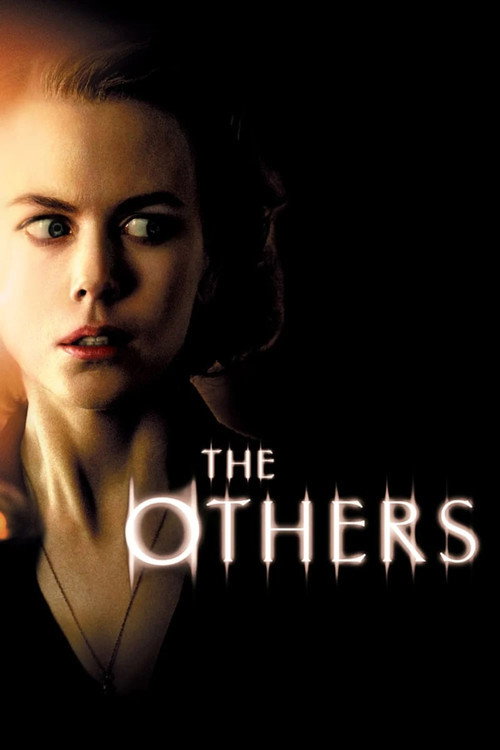
The Others2001
Nicole Kidman in a gothic ghost story that builds psychological tension methodically. Suspenseful, beautifully shot, and structured around an idea rather than just set-pieces.
But The pacing is deliberate and the scares are sparse. If you need constant stimulation, this will feel static.
Not sure tonight? Get a pick in a minute, starting from The Eye
The wildcard
Something you would not have found on your own.
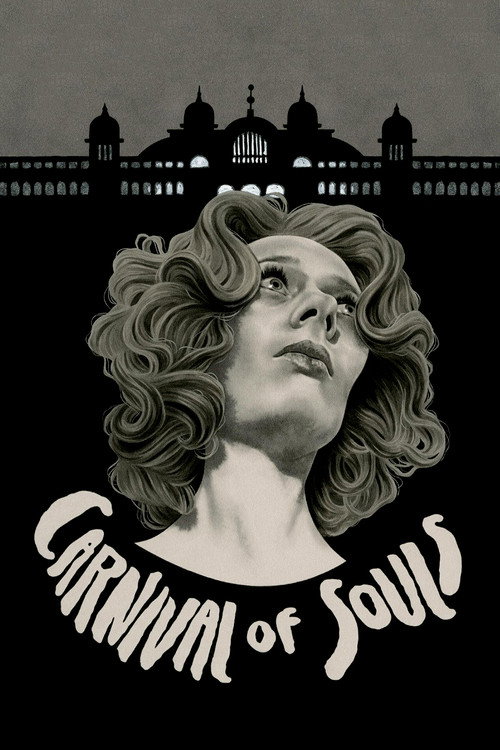
Carnival of Souls1962
Both center on a woman gaining unwanted access to a hidden realm that haunts rather than empowers her. Both are concerned with the psychological cost of perception.
A low-budget 1962 indie about a woman returning from near-death only to drift between the living and dead. Genuinely eerie, hypnotic, and morally complex in ways modern horror rarely attempts. Essential viewing for anyone who thinks supernatural cinema began in the 1990s.
But Black-and-white, deliberately paced, with deliberately ambiguous resolution. The organ score is deliberately unsettling rather than entertaining.
More like this (8)
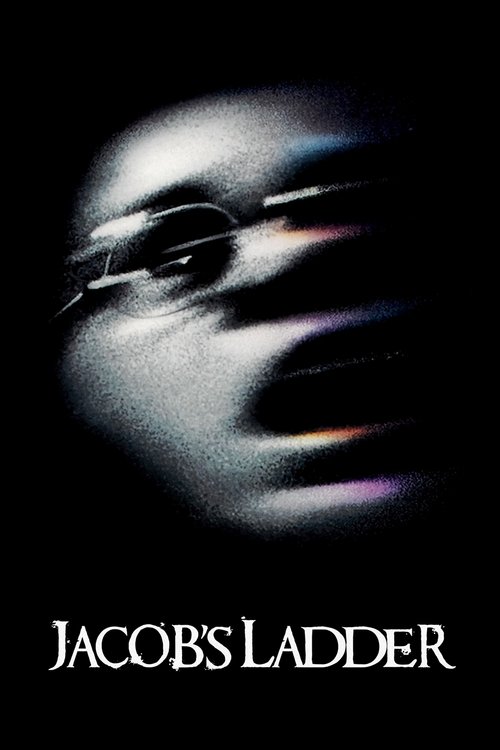
Jacob's Ladder1990
A fever dream of a film about a man's collapsing sense of reality. Grotesque, disorienting, and profoundly unsettling—spiritual horror that gets under your skin in ways the jump-scare variety cannot.
But The plot is deliberately fragmentary and the experience is nauseating by design. Some viewers will find it incoherent rather than artfully cryptic.
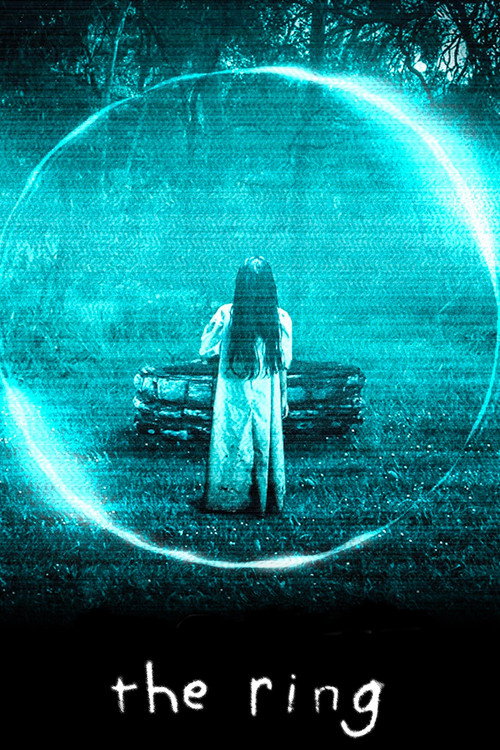
The Ring2002
Smartly executed American horror about an image that kills. The premise is absurd but the film commits to it with craft and atmosphere, making supernatural rules feel consequential.
But Relies heavily on early-2000s technology that now looks quaint, which undercuts some of the mounting dread.
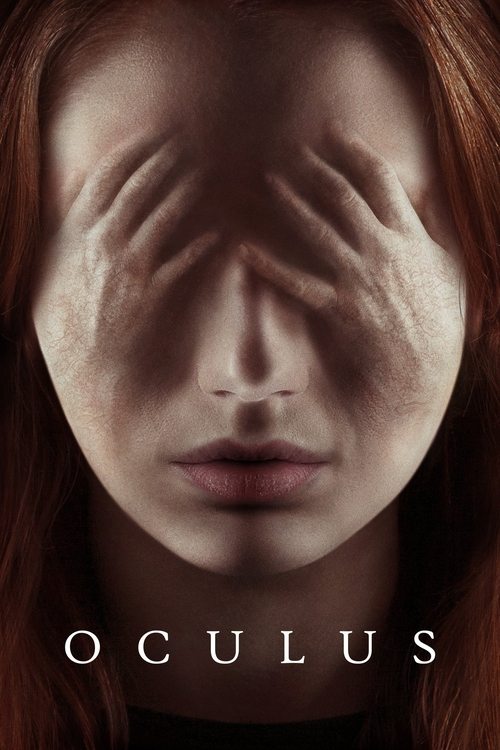
Oculus2014
Mike Flanagan's elegant puzzle-box about reality fracturing around a haunted mirror. Clever editing and a clever premise that actually earns its ambition, unlike many supernatural thrillers.
But The nested-timeline structure requires active attention and can feel intellectually show-offy on a rewatch.
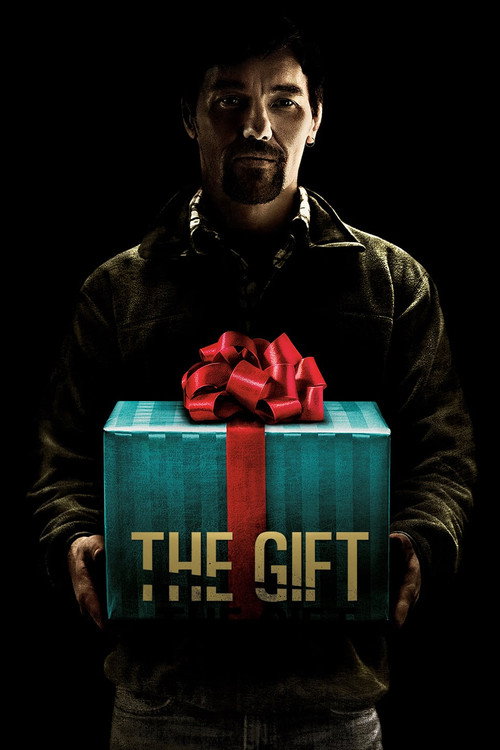
The Gift2015
A taut psychological thriller about perception and hidden histories. Joel Edgerton directs with precision, and the film trusts its audience to sit with moral ambiguity rather than resolving neatly.
But No supernatural elements—it's a grounded story about ordinary people, which may disappoint viewers seeking genre thrills.
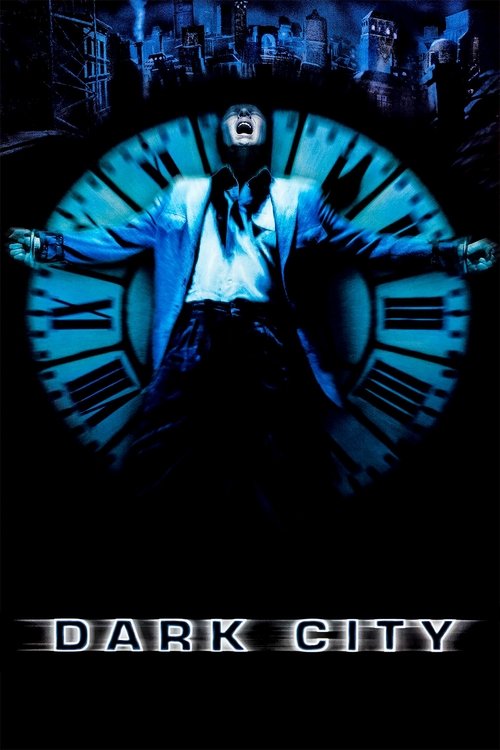
Dark City1998
A visually stunning noir-horror hybrid about a city and its citizens' stolen memories. Imaginative world-building, genuine mystery, and the kind of atmosphere that lingers after the credits.
But The plot turns into science fiction abstraction by the third act, potentially frustrating viewers invested in character over concept.
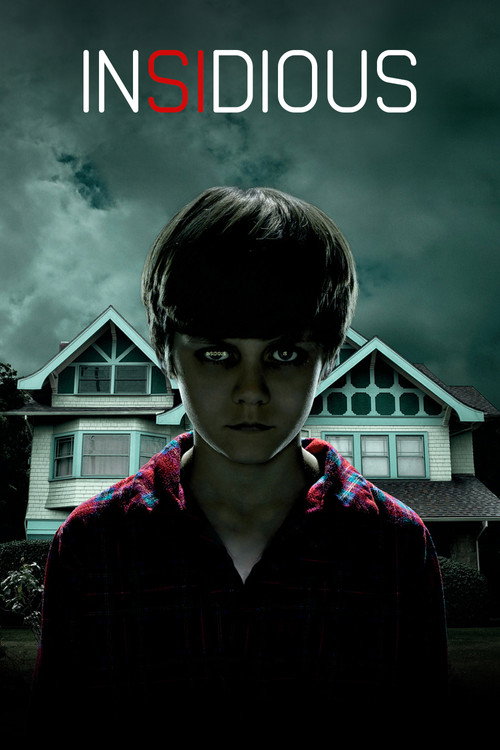
Insidious2011
James Wan's efficient supernatural horror about a boy trapped between worlds. Well-paced, inventive scares, and production design that does more work than the budget should allow.
But Pivots into franchise-building spectacle in the third act, abandoning the intimate dread that made the opening effective.
Mulholland Drive2001
Both explore how trauma reshapes perception. Both suggest that what we see is determined by what we've suffered rather than objective reality.
Lynch's Hollywood nightmare where reality fractures and identity dissolves. Not horror in the traditional sense, but deeply horrifying—about illusion, vanity, and the self's porousness. A masterwork that rewards multiple viewings.
But Three-hour nightmare logic with no linear plot. Viewers seeking clarity or narrative resolution will leave frustrated or angry.

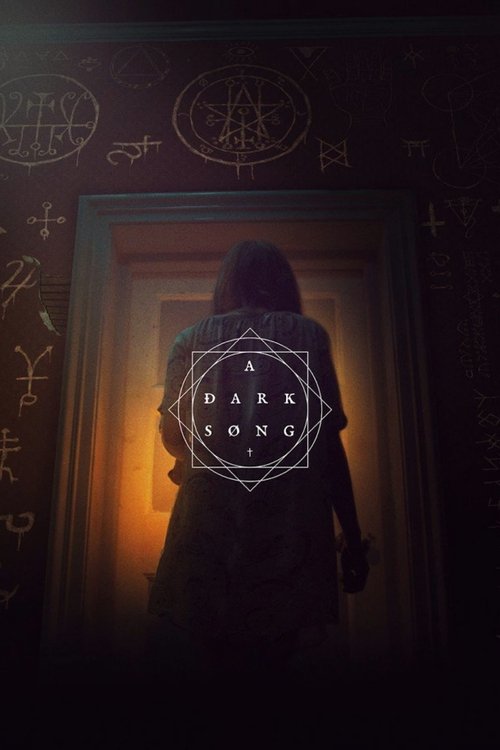
A Dark Song2016
Both use the supernatural framework to externalize internal trauma. Both ask whether what's haunting us is external or self-generated.
A Welsh occult drama about grief and ritual. A woman hires an occultist to contact her dead son. Intimate, devastating, and genuinely spiritual without being sentimental. The supernatural serves the emotional truth rather than drowning it out.
But Extremely slow, emotionally punishing, and the 'supernatural' elements remain intentionally ambiguous. Not a thriller—a meditation on loss presented as a genre film.
People
Cast
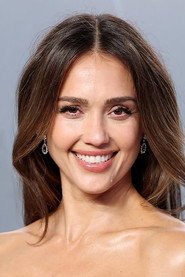 Jessica AlbaSydney Wells
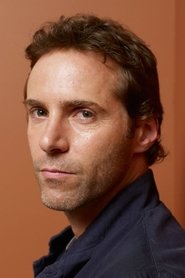 Alessandro NivolaDr. Paul Faulkner
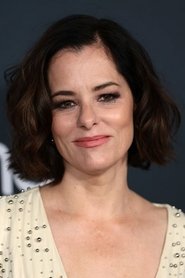 Parker PoseyHelen Wells
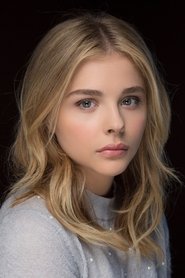 Chloë Grace MoretzAlicia Millstone
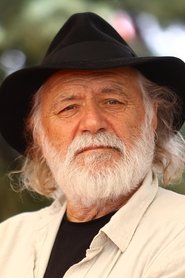 Rade ŠerbedžijaSimon McCullough
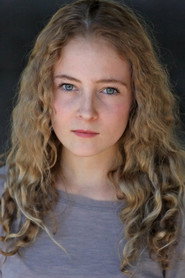 Mia StallardLittle Girl
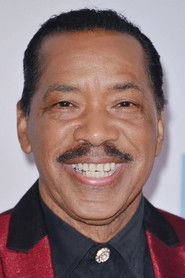 Obba BabatundéDr. Haskins
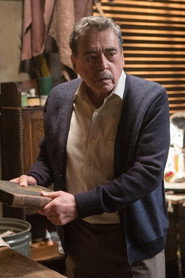 Danny MoraMiguel
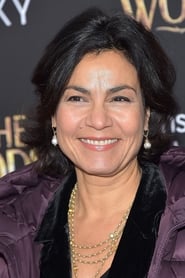 Rachel TicotinRosa Martinez
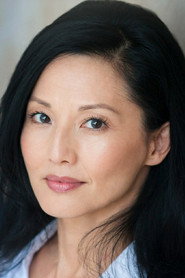 Tamlyn TomitaMrs. Cheung
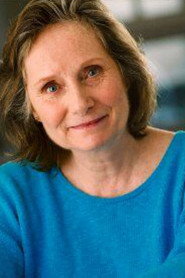 Karen Elizabeth AustinMrs. Hillman
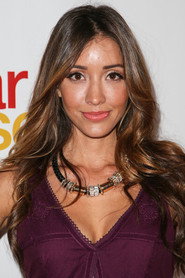 Fernanda RomeroAna Christina Martinez
Directing
- David MoreauDirector
- Xavier PaludDirector
- Mic RodgersSecond Unit Director
Writing
- Danny Pang PhatOriginal Film Writer
- Jojo Hui Yuet-ChunOriginal Film Writer
- Oxide Pang ChunOriginal Film Writer
- Sebastian GutierrezScreenplay
Production
- Chris GehrtCasting Assistant
- Darren MillerExecutive Producer
- Doug DavisonExecutive Producer
- Michael PaseornekExecutive Producer
- Mike ElliottExecutive Producer
- Peter BlockExecutive Producer
- Peter ChanExecutive Producer
- Roy LeeExecutive Producer
- Tom OrtenbergExecutive Producer
- Jack L. MurrayLine Producer
- Don GrangerProducer
- Michelle ManningProducer
- Paula WagnerProducer
- Daria CercekProducer's Assistant