
Film
Phone
A woman inherits a cursed phone number and discovers its previous owners died under mysterious circumstances. This 2002 Korean thriller builds dread through the mundane—answering machines, caller ID, text messages—turning everyday technology into something sinister. It's a taut, clever mystery that respects your intelligence and rewards close attention.
Should you watch it?
Watch it if you enjoy slow-burn Korean ghost stories where dread builds through ordinary objects and a mounting sense that something is patiently waiting for its turn.
Skip it if you want a fast, gory shocker or a tidy explanation, since this is restrained, slightly murky, and more interested in unease than answers.
What it asks of you: Just under two hours, paced slowly, with quiet stretches that let unease settle before anything jolts you; it rewards close attention more than it offers easy relief.
Not sure? Find tonight's pick in a minute.
If you liked this
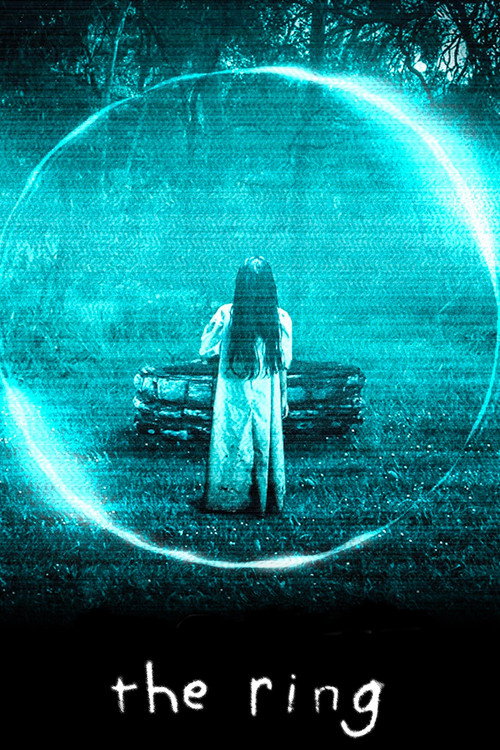
The Ring2002
The definitive cursed-object thriller: a videotape that kills you seven days after watching. Masterful pacing, genuine scares, and a mystery that unfolds with the same logic as Phone—investigate or die.
But The American remake lacks the atmospheric subtlety of the Japanese original, and both can feel slow if you're impatient with creeping dread.
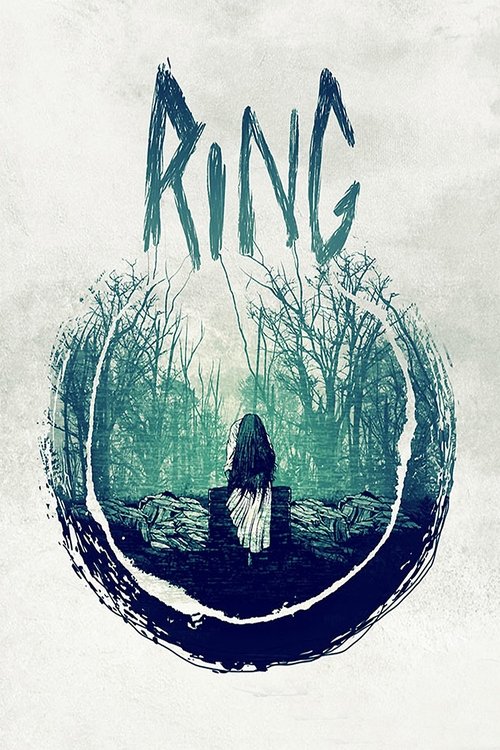
Ring1998
The Japanese original that started the craze. More atmospheric and psychologically complex than its remake, with genuine mystery about why the curse exists and how to break it. Influenced every cursed-object film that followed.
But Slower burn than Western thrillers, and the final act reveal might feel anticlimactic if you're expecting jump scares.
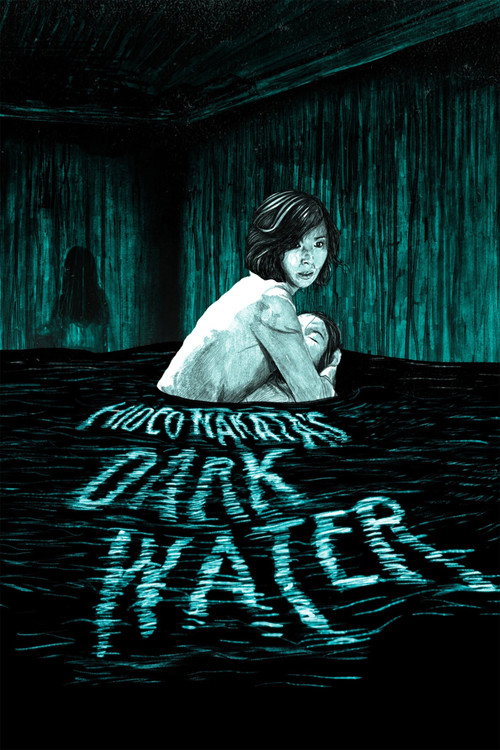
Dark Water2002
Another Japanese masterpiece about a curse tied to ordinary objects—this time water seeping into an apartment. Blends supernatural horror with social realism: a single mother's real desperation makes the horror hit harder.
But Deliberately unglamorous and bleak. The supernatural elements are background to human vulnerability, which some viewers find depressing rather than thrilling.
Not sure tonight? Get a pick in a minute, starting from Phone
The wildcard
Something you would not have found on your own.
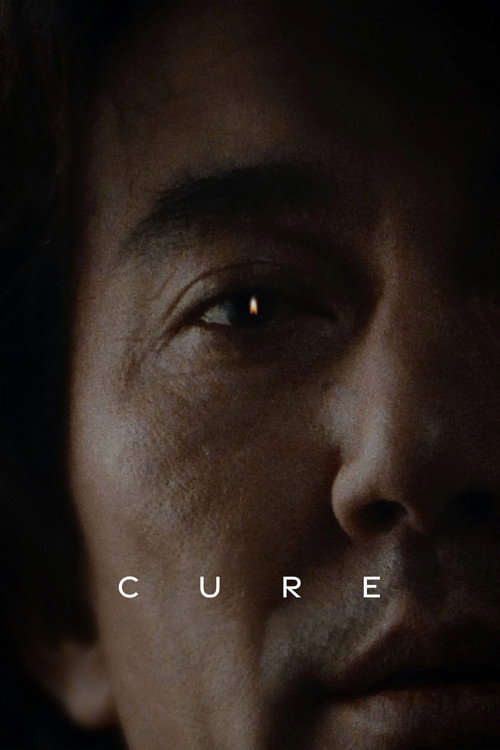
Cure1997
Both Phone and Cure explore how invisible forces (curse, suggestion) spread through ordinary people and infrastructure, turning the mundane world paranoid.
A Japanese film where a mysterious man causes people to commit violent crimes through hypnotic suggestion. Like Phone, it's about invisible contagion spreading through society, but it's a psychological thriller about human suggestibility rather than supernatural curse. Deeply unsettling.
But Deliberately ambiguous about what's real, with minimal plot momentum and a protagonist who doesn't drive events—he's swept along by them. Demands interpretation, offers no catharsis.
More like this (6)
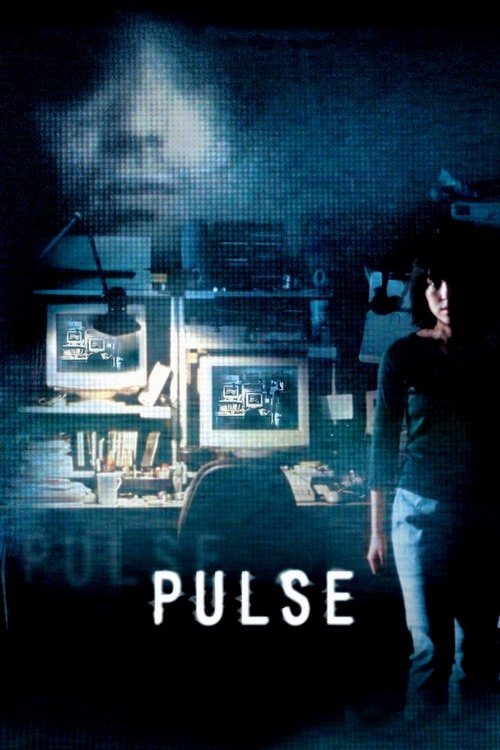
Pulse2001
A Japanese horror film where the internet itself becomes a conduit for the dead. Paranoid, original, and taps into genuine anxiety about technology—made in 2001, it feels prophetic about digital dread.
But Conceptually brilliant but narratively messy; the plot gets increasingly abstract and harder to follow as it accelerates.
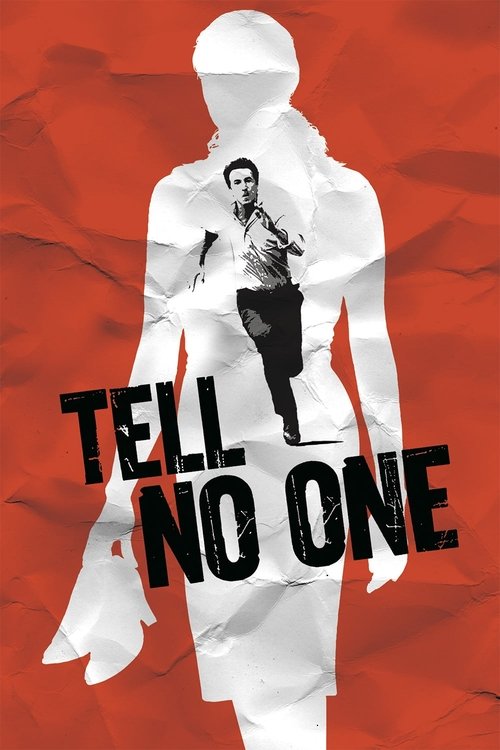
Tell No One2006
A French thriller about a man receiving mysterious messages connected to his wife's unsolved murder. Tense, intelligent mystery with excellent twists and a protagonist who's sympathetic but flawed. Narrative momentum is relentless.
But Subtitled, and the plot hinges on details you have to follow closely. Rewatch value is high but first-time viewing demands attention.
The Wailing2016
Modern Korean mystery-thriller that echoes Phone's structure: ordinary people investigate an inexplicable horror in their community, and answers become increasingly murky. Ambiguous, layered, and deeply unsettling.
But Nearly three hours long and deliberately refuses to provide clear answers. The ambiguity some find brilliant, others find infuriating.

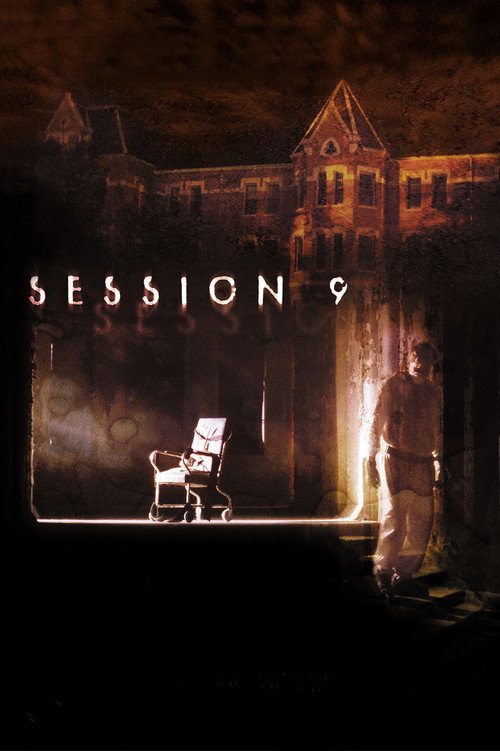
Session 92001
An American indie horror film shot in an actual abandoned psychiatric hospital. Dread builds through atmosphere and sound design rather than plot—the mystery of what happened in the building becomes the real curse.
But Slow, dialogue-heavy, and the payoff is more existential than narrative. Feels like a B-movie in the best and worst ways.
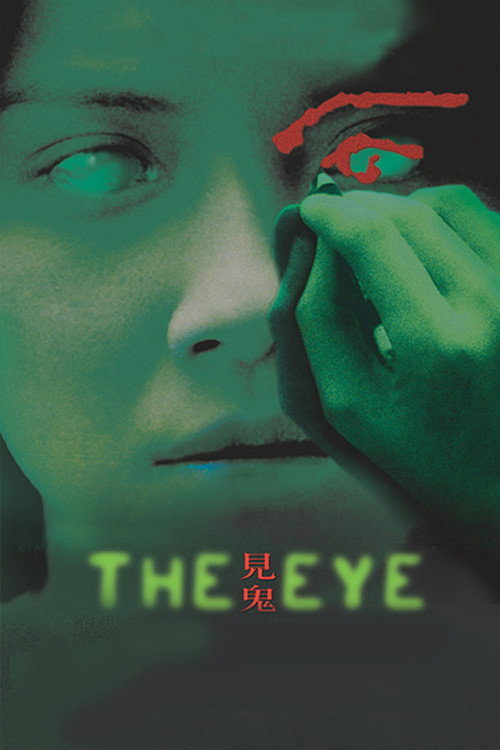
The Eye2002
A Thai thriller where a blind woman gains sight through corneal transplant and begins seeing ghosts. Fresh take on supernatural mystery, with strong emotional core alongside genuine scares. Visual creativity compensates for familiar premise.
But Relies on CGI effects that show their age. The second half leans harder into conventional thriller plotting than the atmosphere of the first.
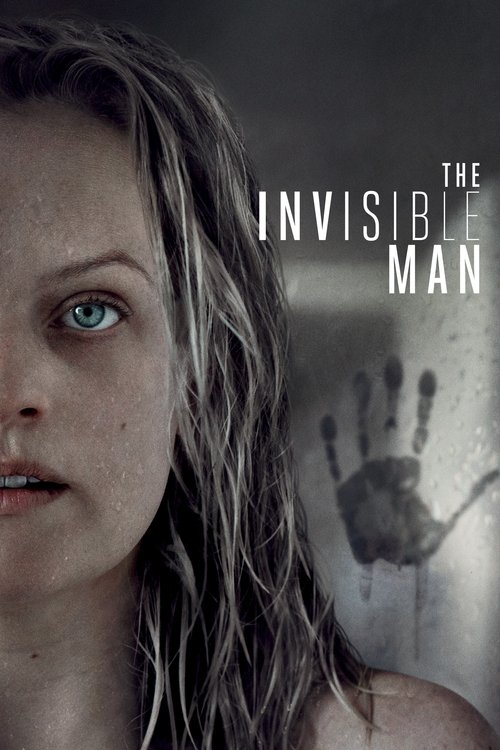
The Invisible Man2020
Like Phone, it weaponizes everyday technology and systems (abuser's surveillance, victim's inability to prove presence) into something inescapable. The curse is human predation, not the supernatural.
An Australian horror-thriller where domestic abuse becomes literal invisibility. Brilliant reframing of a classic concept to explore how violence becomes invisible to systems that should protect victims. Modern, angry, terrifying for reasons beyond jump scares.
But Protagonist trauma is the center and it's relentlessly dark. The horror is interpersonal rather than supernatural, which some find more disturbing than comforting. Visible trauma on screen, not just implied.
People
Cast
 Ha Ji-wonJi-won
 Kim Yu-miHo-jeong
- Choi Woo-jaeChang-hoon
- Choi Ji-yeonJin-hee
- Eun Seo-wooYeong-ju
 Choi Jung-yoonJa-yeong
- Jeong Seong-hwanJin-woo
 Lee Seo-yeonMi-ran
- Park Min-gwanDetective Kim
 Kim Gyeong-ryongSecurity Guard
 Oh Chang-kyungTaxi Company Employee
 Jung Woon-sunHigh School Student
Directing
- Ahn Byeong-kiDirector
Writing
- Ahn Byeong-kiScreenplay
Production
- Ahn Byeong-kiProducer
- Kim Yong-daeProducer