
Film
Tell No One
- Mystery
- Crime thriller
- Crime
- Very dark
A French thriller about a man who receives a cryptic email suggesting his murdered wife may still be alive. What follows is a breathless game of cat-and-mouse with the police, organised crime, and his own past. Taut, cunningly plotted, and genuinely gripping—the kind of film that makes you grip the armrests.
Should you watch it?
Watch it if you like thrillers built on a wounded, stubborn protagonist and a plot that keeps tightening around him, with a melancholy French texture rather than gunfire.
Skip it if you need brisk, clean plotting, since the puzzles and doubling back run long for a 131-minute film and its grief is heavy going.
What it asks of you: Over two hours of steady tension that builds through interrogation and pursuit rather than explosions, with its emotional weight arriving slowly and heavily.
Not sure? Find tonight's pick in a minute.
If you liked this
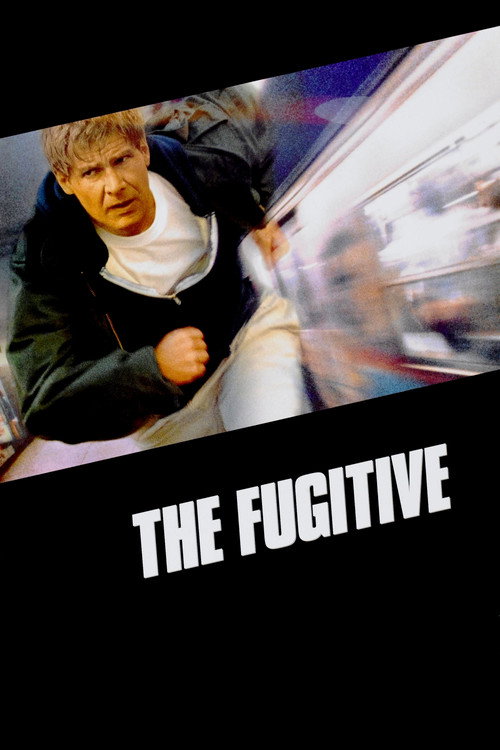
The Fugitive1993
A man wrongly accused hunts for the real killer while evading relentless pursuit. The template for intelligent thriller filmmaking: propulsive, tightly constructed, and built on a foundation of genuine emotional stakes that never lets go.
But It's nearly three hours long, and while the pacing is excellent, some found-footage moments in the middle stretch feel dated now.
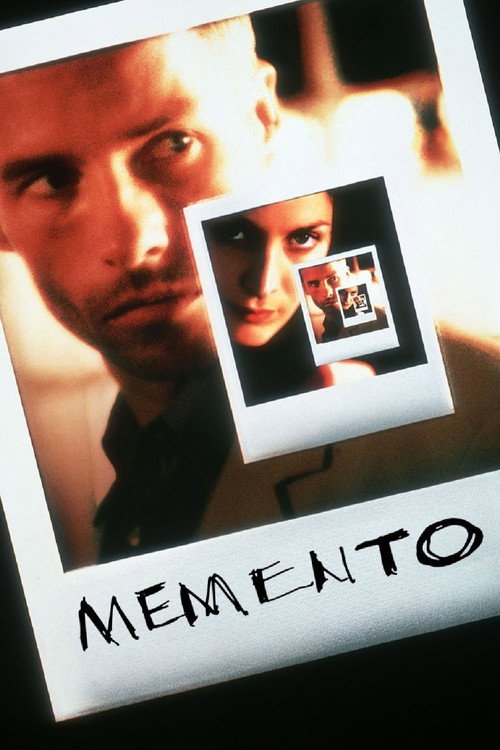
Memento2000
Christopher Nolan's backwards-told story of a man hunting his wife's killer while battling his own memory loss creates the same sense of disorientation and mounting dread. The puzzle-box structure rewards attention and rewatch.
But The fractured timeline can feel gimmicky on first viewing, and the emotional core is deliberately obscured until late in the film.
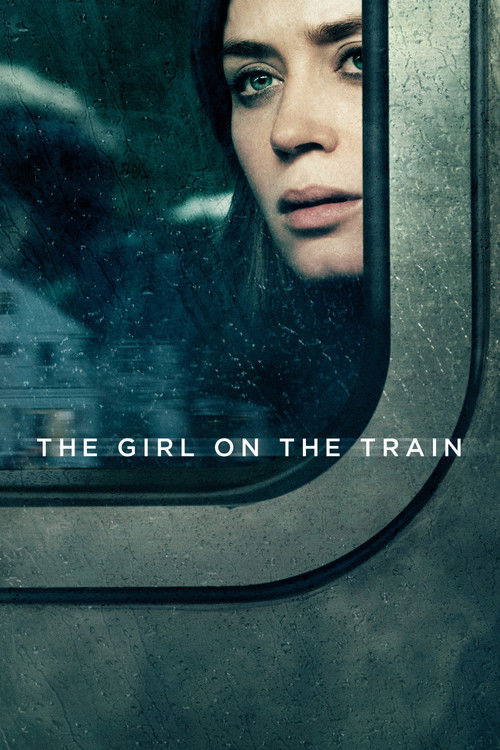
The Girl on the Train2016
A woman sees something from a train that entangles her in a murder investigation, leading to a fractured narrative full of misdirection and reveals. Like Tell No One, it understands that grief and obsession can blind you to the truth.
But The protagonist is deeply flawed and alcoholic in ways that some find exhausting rather than compelling to watch.
Not sure tonight? Get a pick in a minute, starting from Tell No One
The wildcard
Something you would not have found on your own.
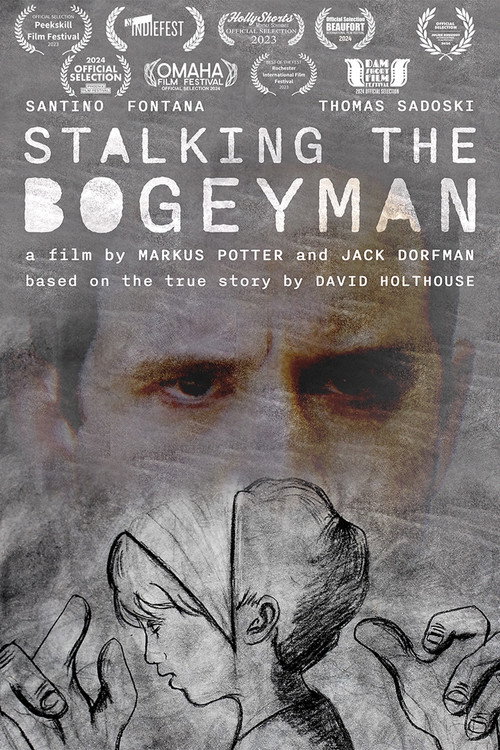
Stalking the Bogeyman
Both explore an ordinary person's fixation on something they can't let go of, and both ask whether that obsession is justified or destructive—the only difference is Tell No One gets to script an ending.
A documentary following a man who hunts down the man who molested him as a child, confronting him directly. It's the same engine as Tell No One—obsession with the past, the price of seeking answers, the question of what justice actually means—but stripped of fiction and all the more unsettling for it.
But It's a real trauma, real confrontation. There's no narrative relief or closure, just the messy, painful truth of what happens when you won't let the past stay buried.
More like this (7)
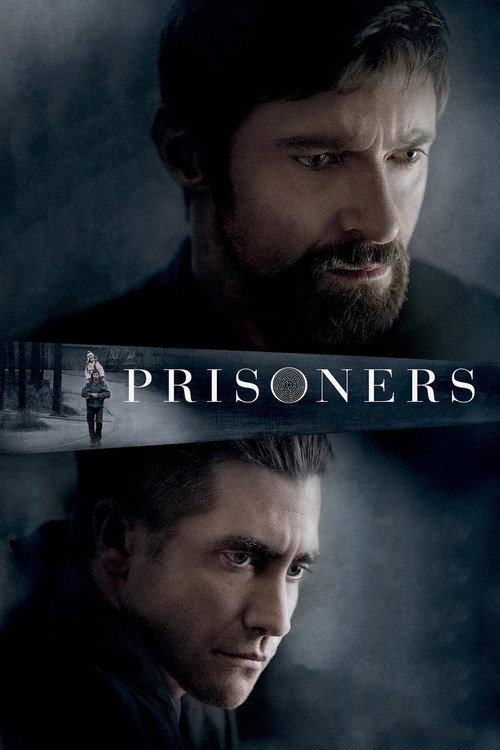
Prisoners2013
A father takes justice into his own hands when his daughter goes missing, spiralling into moral compromise. It shares Tell No One's exploration of how desperation strips away your certainty about right and wrong.
But It's deliberately bleak and morally murky, with violence that serves the story but doesn't look away. Not a comforting watch.
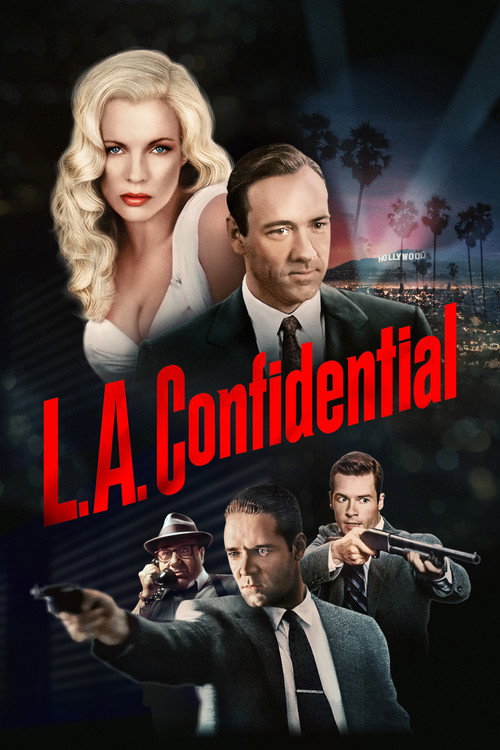
L.A. Confidential1997
A Los Angeles crime thriller where corruption runs so deep that finding the truth means dismantling the system around you. Stylish, intricate plotting, and the kind of noir sensibility that Tell No One carries into the modern day.
But The ensemble cast means some characters feel underdeveloped, and the 1950s setting may feel distant from the contemporary urgency you want.
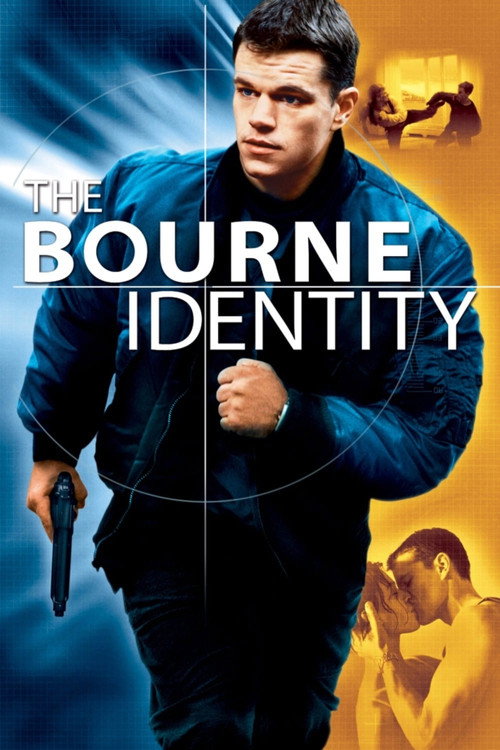
The Bourne Identity2002
A man on the run piecing together fragments of his past while pursued by forces he doesn't fully understand. It pioneered the modern chase thriller, all forward momentum and paranoia, with an ordinary protagonist caught in extraordinary circumstances.
But The hand-held camera work in action sequences was revolutionary then but now feels shaky and sometimes incoherent.
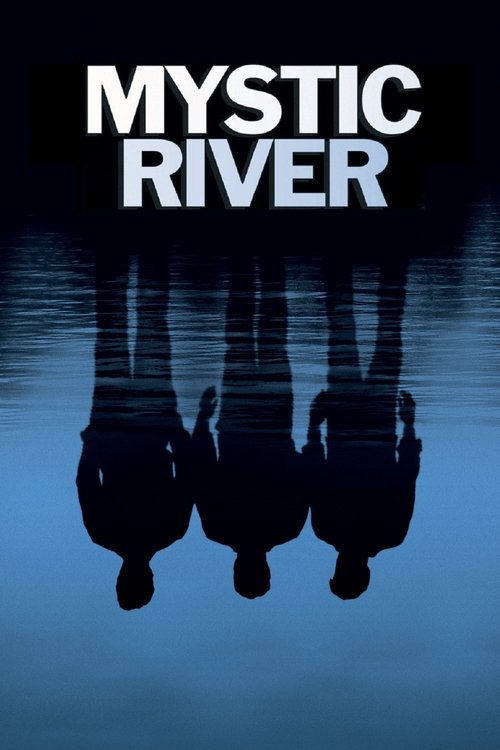
Mystic River2003
Three childhood friends collide when a girl is murdered in their Boston neighbourhood. Clint Eastwood's meditation on how the past never truly releases us, and how trauma warps your judgment—themes that resonate deeply with Tell No One.
But At two hours forty-one minutes, it's slow-burn and contemplative rather than thriller-paced, which can feel at odds with its crime-story framework.
A Prophet2009
A young man imprisoned for a minor crime becomes entangled in prison politics and emerges transformed. The same moral complexity as Tell No One: a good person pushed into terrible choices, with consequences that can't be undone.
But It's French cinema at its most deliberately difficult—long, unglamorous, and offers no easy catharsis or redemption.

The Lincoln Lawyer2011
A man falsely imprisoned for murder is released and seeks revenge on those who destroyed his life. It scratches a similar itch: wrongful accusation, paranoia, and the question of whether justice and revenge are the same thing.
But It's formulaic and somewhat mechanical in execution, lacking the narrative elegance and character depth that elevate Tell No One.
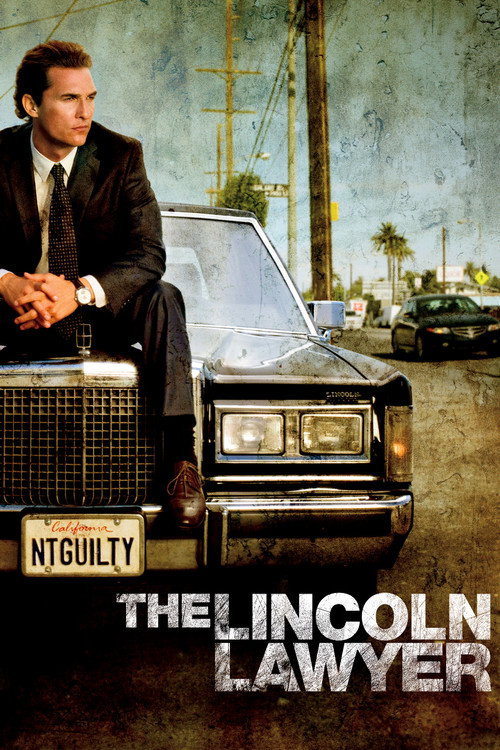
The Leopard1963
Both films are powered by a man watching his grip on reality slip away, unable to prevent the inevitable. Tell No One does it in two hours in a modern thriller register; The Leopard does it in opulent, deliberate beauty, but the existential dread is the same.
Luchino Visconti's epic of a Sicilian aristocrat watching his world crumble during the Italian unification. It's a period piece structured like a thriller, with gorgeous cinematography and the same elegiac mood—the sense that something precious is being lost, and you can't stop it.
But It's nearly three hours of Criterion Collection pacing. There's barely a plot in the conventional sense; it's mood and composition and the weight of historical change. Some will find it a slog.

People
Cast
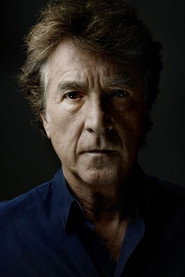 François CluzetAlexandre Beck
 Marie-Josée CrozeMargot Beck
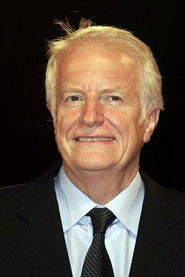 André DussollierJacques Laurentin
 Kristin Scott ThomasHelene Perkins
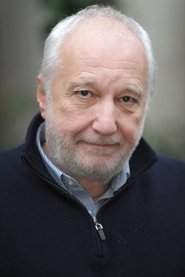 François BerléandEric Levkowitch
 Nathalie BayeElysabeth Feldman
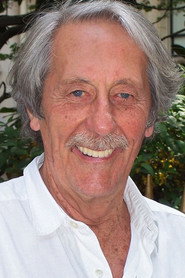 Jean RochefortGilbert Neuville
 Marina HandsAnne Beck
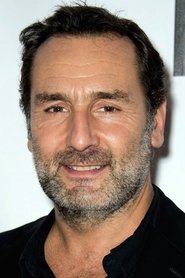 Gilles LelloucheBruno
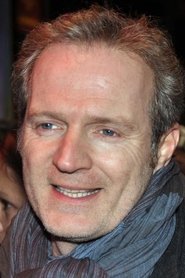 Philippe LefebvrePhilippe Meynard
 Florence ThomassinCharlotte Bertaud
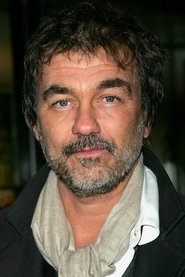 Olivier MarchalBernard Valenti
Directing
- Guillaume CanetDirector
- Ludovic BernardFirst Assistant Director
- Isabelle QuerriouxScript Supervisor
Writing
- Harlan CobenNovel
- Guillaume CanetScreenplay
- Philippe LefebvreScreenplay
Production
- Brigitte MoidonCasting
- Pierre-Ange Le PogamExecutive Producer
- Alain AttalProducer
- Xavier AmblardProduction Manager
Recommended by
White Zombie, Cold War, The Hitch-Hiker, Braquo, Deep Water, Derailed, The Hidden Face, Passion, The Invisible Guest, Phone, Peak Practice, Lovers, Kind Lady, The Snorkel, The Blue Elephant, Come and Find Me, Sin on the Beach, Gone