
Film
Kind Lady
A genteel art collector's generosity becomes her prison when a charming painter and his wife insinuate themselves into her home and life, gradually isolating her from the world. This 1951 thriller transforms the drawing room into a psychological trap, all the more unsettling for its restraint. For anyone who enjoys slow-burn menace and the particular terror of being gaslit in your own space.
Should you watch it?
Watch it if you enjoy slow-building dread where a polite, well-dressed menace does damage through manners and patience rather than violence, and you like a tight chamber piece built on social unease.
Skip it if you want a brisk, action-driven crime story, since this is slow and talky, staying mostly indoors and rarely hurrying anywhere.
What it asks of you: Settle in for barely an hour and a bit, with patience for a gradual tightening; it rewards close attention to small gestures and rarely raises its voice.
Not sure? Find tonight's pick in a minute.
If you liked this
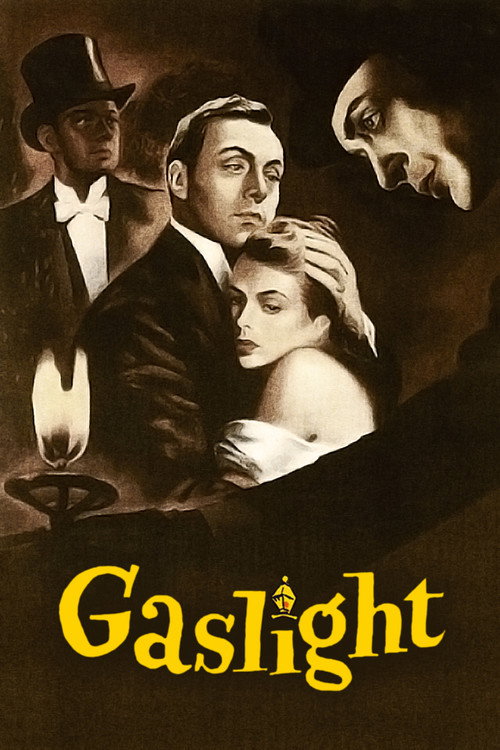
Gaslight1944
The template for psychological manipulation in confined spaces. Charles Boyer's villain systematically convinces Ingrid Bergman she's losing her mind. It's the spiritual ancestor of everything that follows, and it remains absolutely devastating.
But The pacing is deliberate to the point of glacial; modern audiences sometimes find the early scenes unbearably slow.
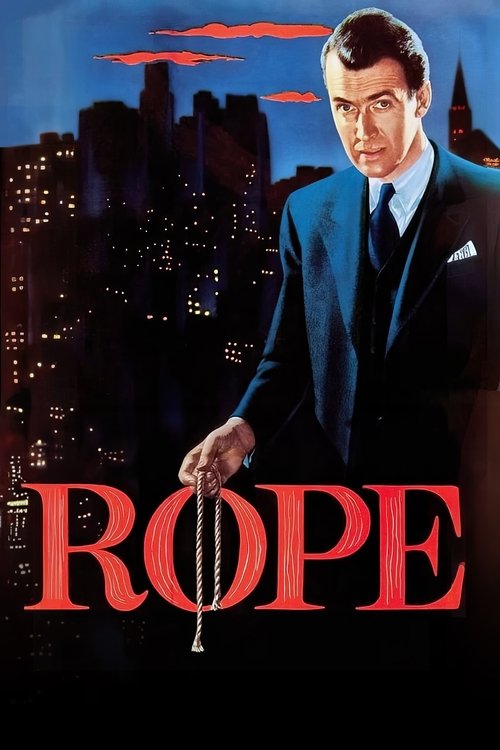
Rope1948
Hitchcock's real-time chamber thriller set almost entirely in one apartment. Two men hide a murder from a dinner guest while maintaining the façade of hospitality. It has the same claustrophobic intensity and moral vertigo.
But The gimmick—playing out in near-real time—can feel mannered, and some find the theatrical staging artificial.
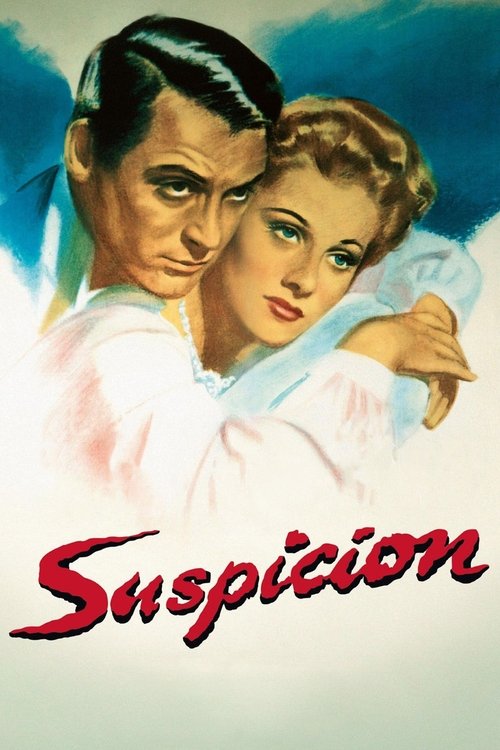
Suspicion1941
Cary Grant as a man his wife believes might be trying to kill her. It's a masterclass in how charm becomes sinister when you stop trusting it, and Joan Fontaine's paranoia is utterly convincing.
But The ending compromises the psychological horror for a more conventional resolution; it feels like studio interference, because it was.
Not sure tonight? Get a pick in a minute, starting from Kind Lady
The wildcard
Something you would not have found on your own.
The Asphalt Jungle1950
Both examine how systems—social, criminal, psychological—trap their victims through incremental steps that seem rational until they aren't.
John Huston's heist procedural is about the precision of criminals and the inevitability of their unraveling. Where Kind Lady shows violation through intimate betrayal, this shows it through professional coldness. Both are about people entering a space and taking what isn't theirs.
But It's interested in the mechanics of crime and the sociology of the underworld, not in the emotional aftermath; if you want to feel Mary's terror, this is too detached.

More like this (8)
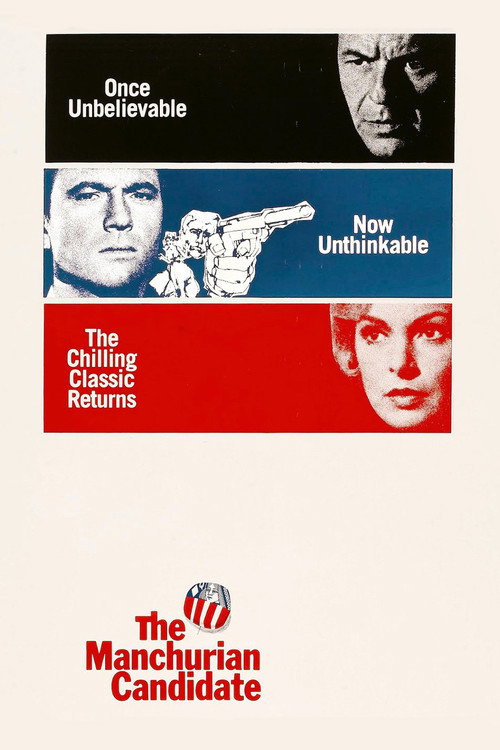
The Manchurian Candidate1962
Paranoia elevated to political thriller. Frank Sinatra and Janet Leigh navigate a web of manipulation and brainwashing that makes every relationship suspect. Angela Lansbury is magnificent and terrifying.
But The plot spirals into baroque complexity; if you're not locked in from the start, it becomes harder to follow than rewarding.
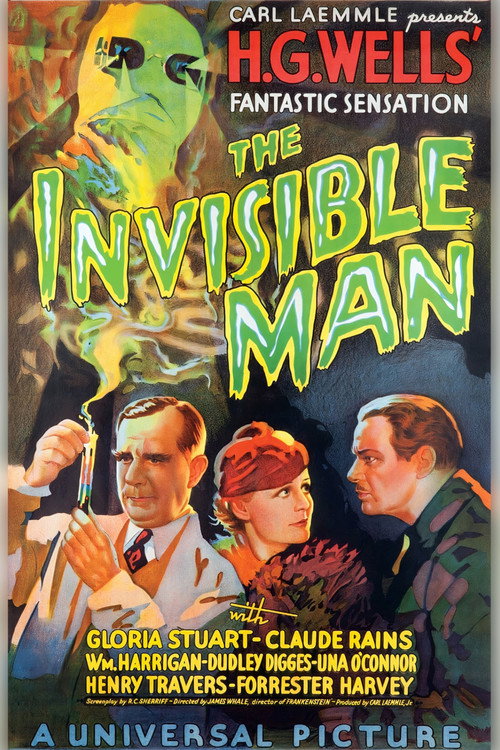
The Invisible Man1933
James Whale's science-fiction thriller about power without accountability. An invisible man becomes impossible to stop or even see—the ultimate violation of a woman's safety in her own home.
But It's a 1933 film; some find the pacing and special effects dated beyond charm into distraction.
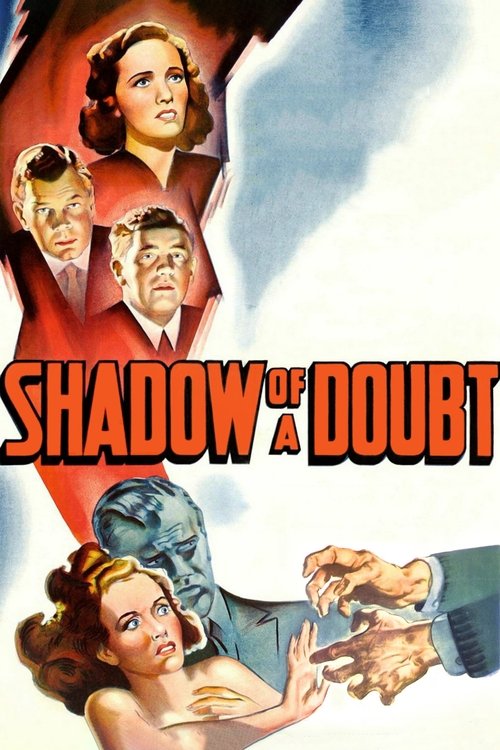
Shadow of a Doubt1943
Hitchcock's small-town nightmare where a beloved uncle might be a serial killer. It captures that specific dread of discovering corruption in someone you trusted, and it unfolds with devastating intimacy.
But The middle section meanders; it takes patience to accept the film's refusal to rush toward its revelation.
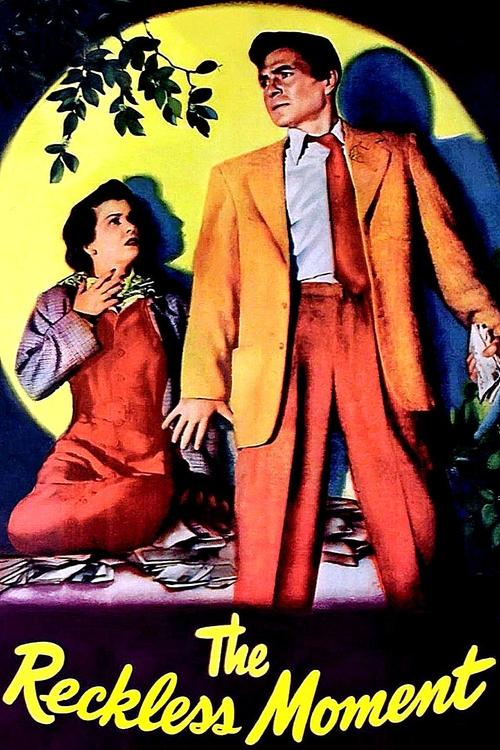
The Reckless Moment1949
Ophüls' brilliant chamber drama about a woman blackmailed and cornered in her own home. The camera never stops moving, and neither does the tension. It's elegant and utterly cruel.
But It's in black-and-white and quite formal; if you want contemporary pacing and visual spectacle, this will feel remote.
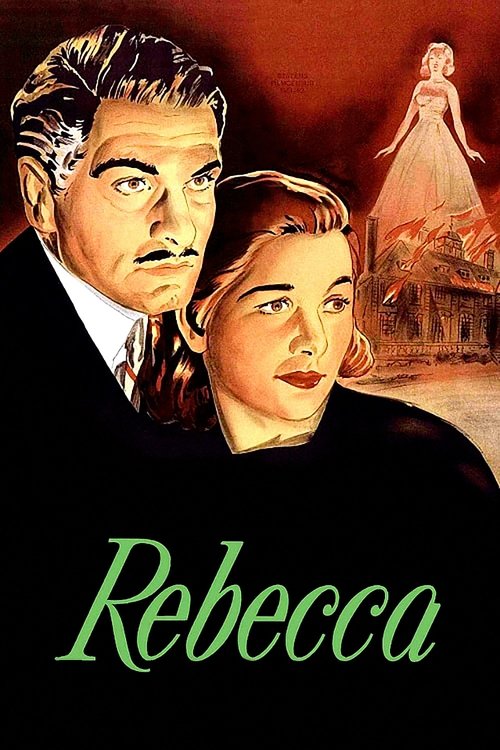
Rebecca1940
Daphne du Maurier's gothic exploration of a woman haunted and manipulated within a grand house by both its history and her husband's gaslighting. Laurence Olivier is charm wearing a mask.
But It's over two hours and moves at the speed of dread; modern tastes sometimes find it overwrought.
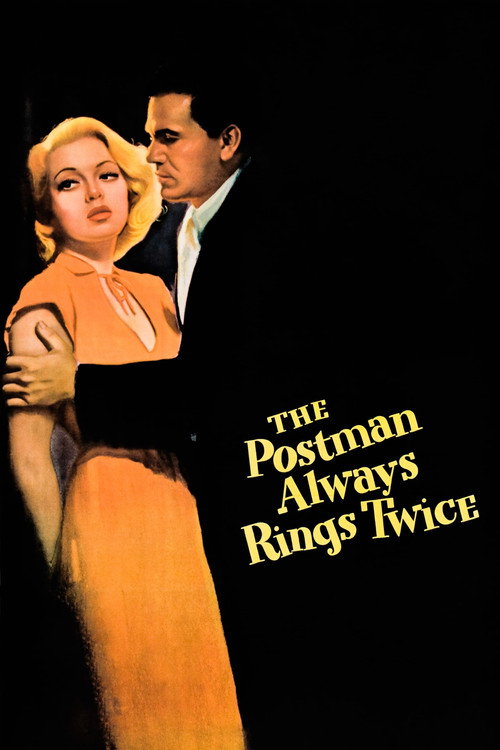
The Postman Always Rings Twice1946
A femme fatale and a drifter plot murder in a roadside diner. It's noir seduction and paranoia in miniature, with John Garfield and Lana Turner radiating dangerous chemistry and bad decisions.
But It's straightforward pulp; if you want psychological subtlety or moral complexity, this wears its genre plainly and doesn't apologize.
Cléo from 5 to 71962
Both trap their protagonist in a compressed timeframe and make the space—physical and psychological—as much a character as anyone on screen.
Agnès Varda's film follows a woman through 90 minutes of real time as she waits for medical results. It's intimate, philosophical, and finds terror not in plot but in the architecture of a single day and the weight of being observed.
But It's French New Wave, deliberately paced, with minimal plot. If you want thriller mechanics and narrative momentum, this will feel like watching someone's existential crisis in real time.

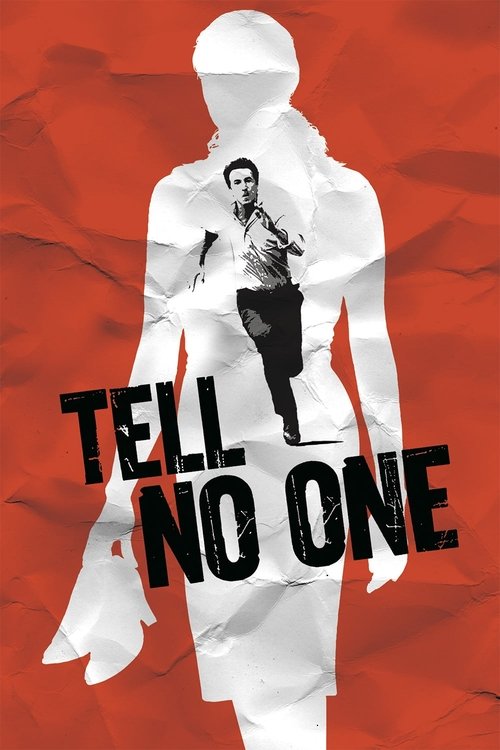
Tell No One2006
Both show how a person can be held captive by others' narratives and intentions more completely than by locked doors.
A French thriller about a man falsely imprisoned by circumstance and suspicion. It's about how isolation happens not through bars but through the web of what others believe about you, and how truth becomes impossible to prove.
But It's a 2000s thriller with a convoluted plot that asks you to keep several betrayals straight; it's twisty to the point of occasionally feeling like it's outsmarting itself.
People
Cast
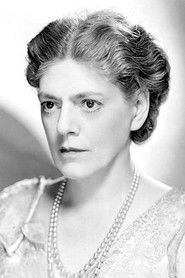 Ethel BarrymoreMary Herries
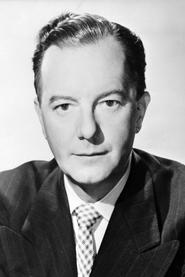 Maurice EvansHenry Springer Elcott
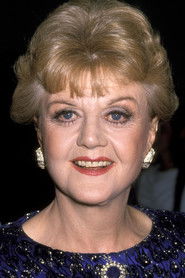 Angela LansburyMrs. Edwards
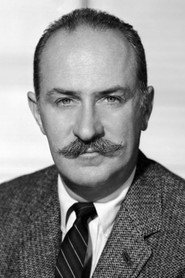 Keenan WynnMr. Edwards
 Betsy BlairAda Elcott
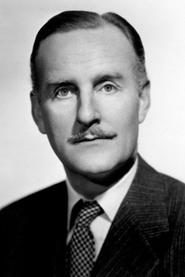 John WilliamsMr. Foster
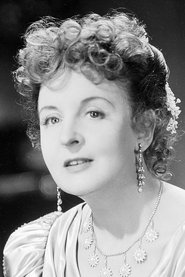 Doris LloydRose
- John O'MalleyAntique Dealer
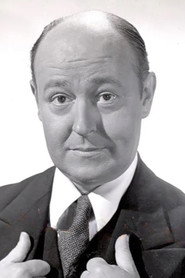 Henri LetondalMonsieur Malaquaise
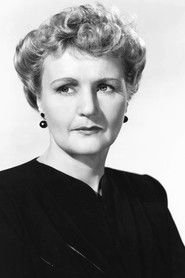 Moyna MacGillMrs. Harkley
 Barry BernardMr. Harkley
- Sally CooperLucy Weston
Directing
- John SturgesDirector
Writing
- Charles BennettScreenplay
- Edward ChodorovScreenplay
- Jerry DavisScreenplay
- Hugh WalpoleStory
- Edward ChodorovTheatre Play
Production
- Armand DeutschProducer