
Film
The Blue Elephant
An Egyptian psychological thriller that follows a psychiatrist returning to work after five years, only to face a haunting case involving an old friend. It's a twisty, atmospheric puzzle-box that builds dread through misdirection and unreliable perception. For those who love being genuinely unsettled and don't mind narrative sleight-of-hand.
Should you watch it?
Watch it if you like psychological puzzles grounded in a clinical hospital setting, where doubt about what's real builds slowly and the reveals reward a second look.
Skip it if you need brisk pacing, since at over two and a half hours it lingers in its talkier stretches and asks patience before the mystery pulls tight.
What it asks of you: A long, deliberate sitting of 151 minutes, with scenes that linger in conversation and a slow, watchful darkness that rewards close attention rather than quick glances.
Not sure? Find tonight's pick in a minute.
If you liked this
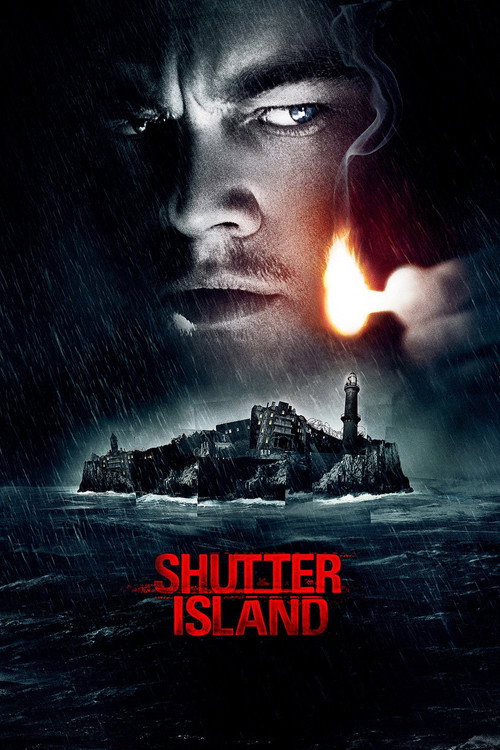
Shutter Island2010
A U.S. thriller with similar DNA: a protagonist investigating a mysterious case that systematically dismantles what they thought they knew. DiCaprio's unraveling performance anchors it, and the twist lands hard.
But The ending can feel manipulative on first viewing, and some find the reveal undermines earlier tension rather than deepening it.
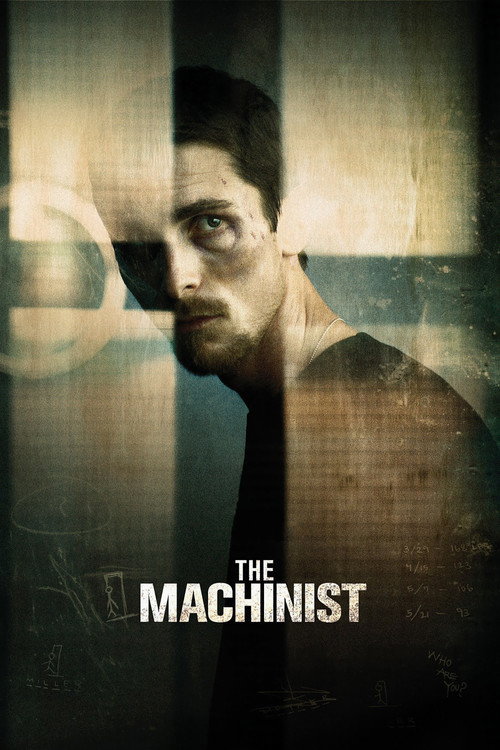
The Machinist2004
Christian Bale in a gaunt, insomniac spiral through paranoia and guilt. Like Blue Elephant, reality itself becomes unreliable, and the air never clears. Hypnotic and suffocating.
But Deliberately bleak and slow-burn. The reward is not catharsis; it's understanding why the protagonist can't look away from his own damage.
Mulholland Drive2001
David Lynch's LA nightmare where identity fractures across two possible timelines. The structure mirrors Blue Elephant's games with truth—what you think happened and what actually happened are two different films.
But Openly refuses to confirm which version is 'real.' Some viewers find that liberating; others find it infuriating.

Not sure tonight? Get a pick in a minute, starting from The Blue Elephant
The wildcard
Something you would not have found on your own.
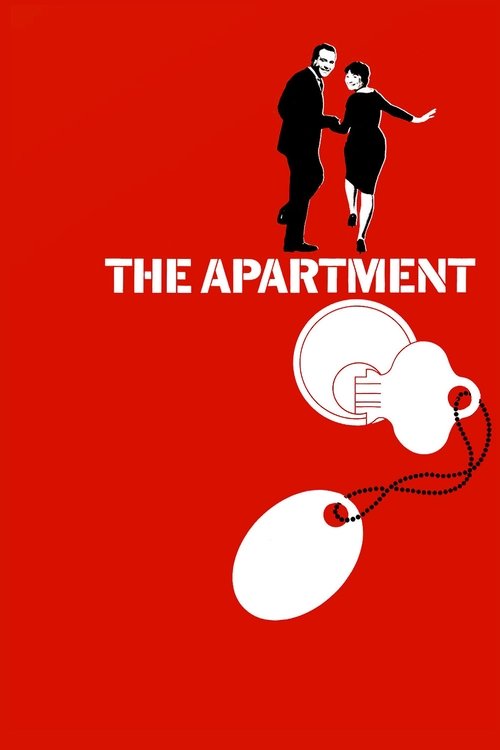
The Apartment1960
Both films achieve their effect through tonal deception: the frame promises one genre, then quietly extracts the emotional truth of another.
A black comedy about a insurance clerk who lends his apartment to his boss for affairs. What seems like light farce gradually becomes unbearably sad. The tonal shift—from comedic to devastating—mirrors how Blue Elephant asks you to recontextualize everything you've seen.
But Made in 1960, it moves at a pace that demands patience. The heart of it is romantic, which feels at odds with its subject matter.
More like this (8)
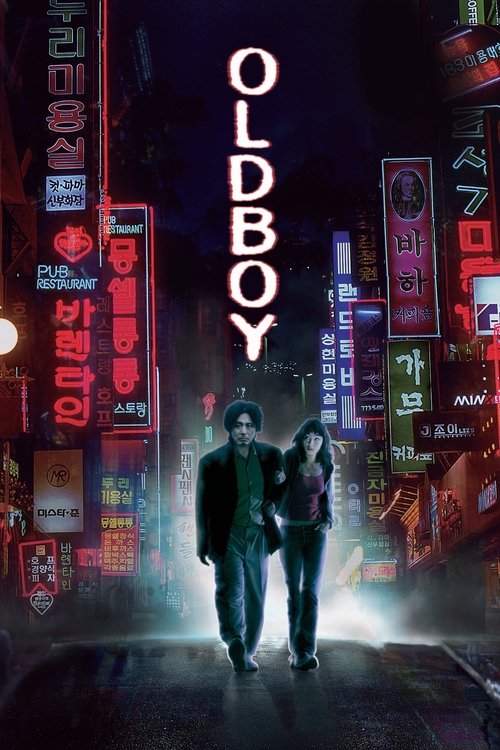
Oldboy2003
A man imprisoned for fifteen years seeks revenge, only to learn he may have deserved it. The twist arrives like a gut punch, and suddenly every scene rewrites itself. Park Chan-wook's mastery of misdirection feels like The Blue Elephant's spiritual cousin.
But It's violent, morally queasy, and the ending offers no comfort. Revenge doesn't feel good here.
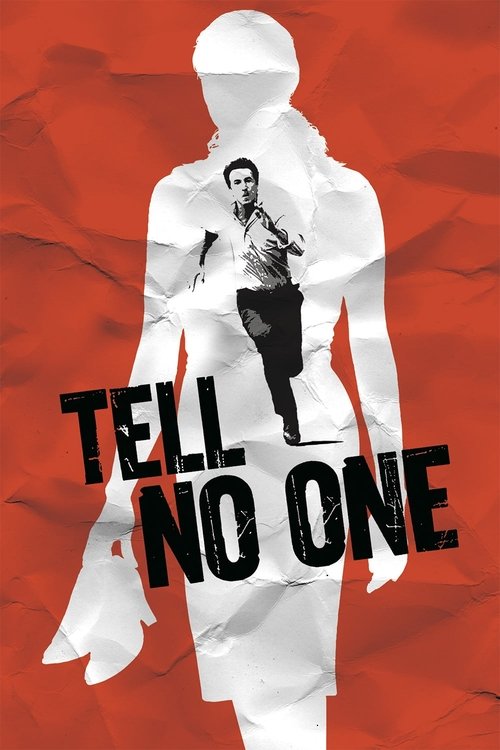
Tell No One2006
A French thriller about a doctor accused of his wife's murder, framed around a secret nobody thought existed. Taut, propulsive, and genuinely surprising. The kind of thing that makes you want to rewatch it immediately.
But Subtitles, and a fairly conventional plot engine—the surprises work because of execution, not structure.
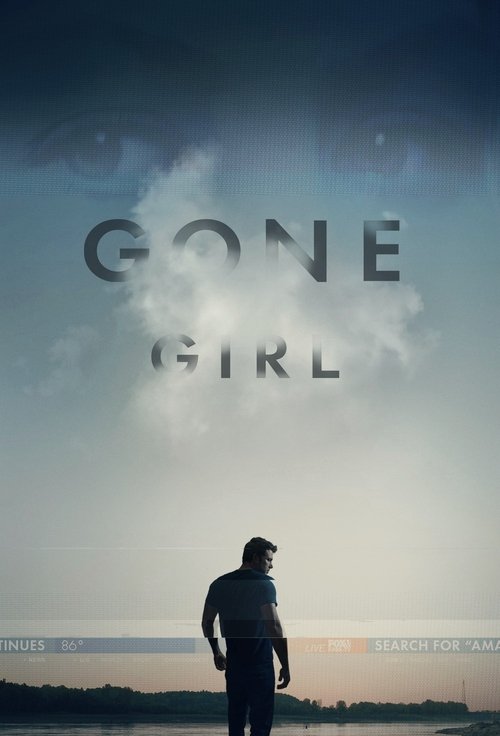
Gone Girl2014
The year-mate to Blue Elephant. Fincher's dissection of marriage and manipulation, where the second half demolishes the first. Rosamund Pike's performance is a masterclass in playing someone who knows exactly what she's doing.
But Popular enough that many people know the major twist already. Also, it swings toward satire in ways some viewers don't track.
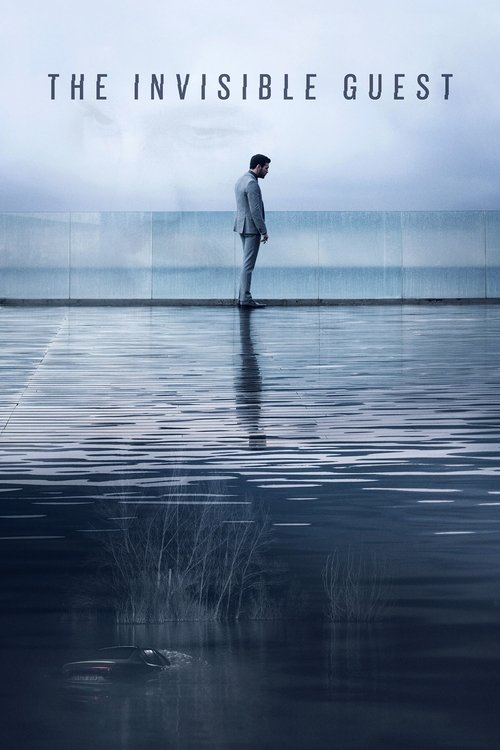
The Invisible Guest2017
A Spanish locked-room mystery built from twist after twist after twist. If you love the architecture of deception, this architect knows what they're doing. Brisk and satisfying.
But Each reveal slightly more contrived than the last. By the end, you're watching plot machinery move, not believing character.
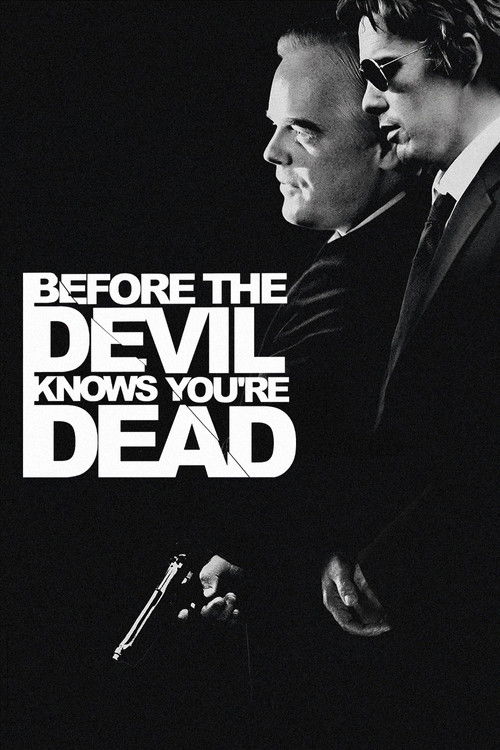
Before the Devil Knows You're Dead2007
Lumet's final film, fractured across time and perspective. Two brothers plan a jewelry store robbery; everything goes wrong; the film circles back and reveals what you misunderstood. Tense and morally complex.
But Uneven in tone. Some scenes are masterful; others feel like exercises. Ethan Hawke's performance occasionally registers as under-pitched.
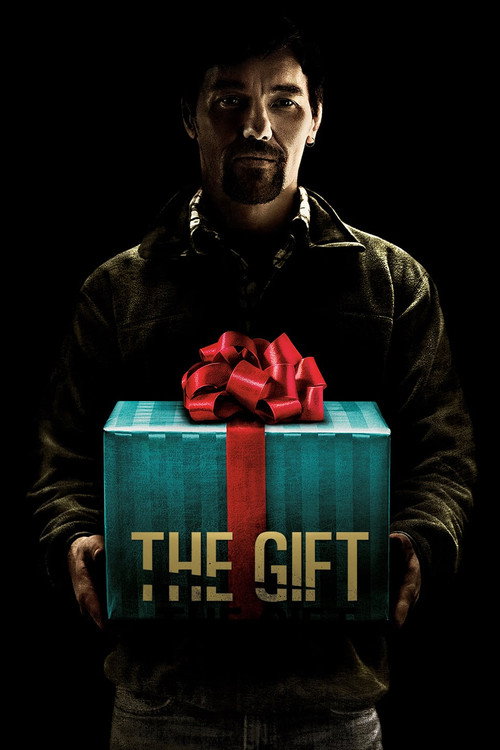
The Gift2015
A couple's comfortable life destabilized by a man from the husband's past who keeps appearing. Osterman's direction finds dread in daylight, and the film asks uncomfortable questions about guilt and whose version of events matters.
But Operates in a smaller register than Blue Elephant. The stakes feel domestic, which some viewers find less compelling than psychiatric mind-games.
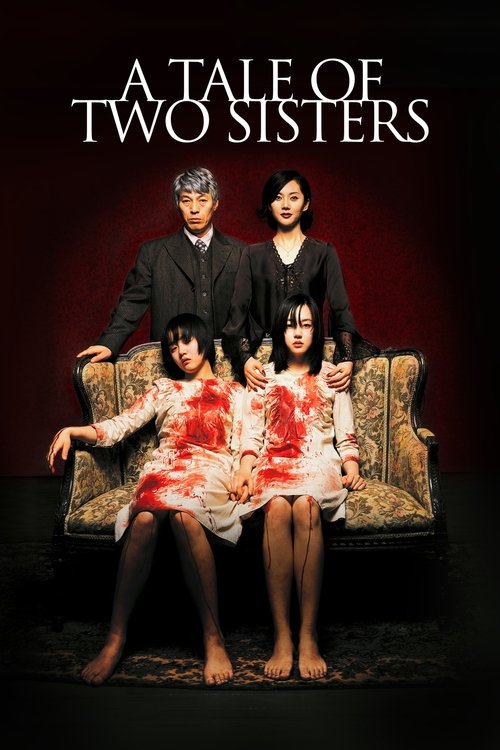
A Tale of Two Sisters2003
Both use the language of genre (thriller, horror) as camouflage for a deeper exploration of mental fragmentation and how perception warps under pressure.
A Korean horror film about two sisters returning home from hospital, where the line between supernatural and psychological fractures completely. It looks like a ghost story but feels like something far more intimate and disturbing. Hypnotic cinematography.
But Deliberately vague about what is and isn't real. Requires active interpretation; refuses to confirm. If you need clarity, this will frustrate you.
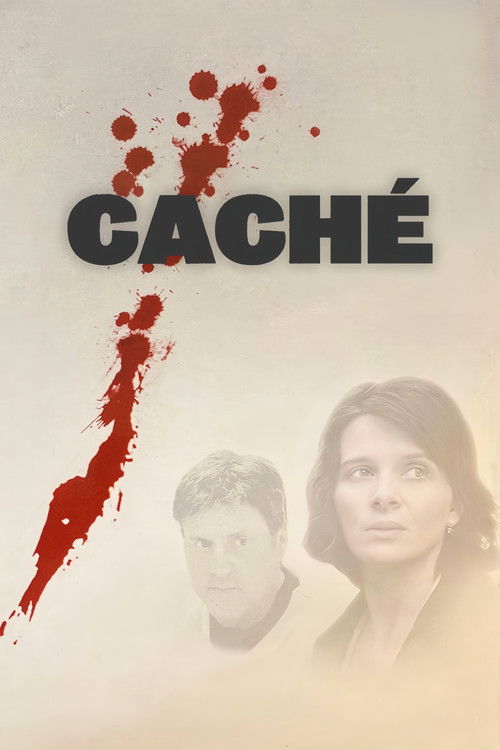
Caché2005
Like Blue Elephant, it treats the unreliability of memory and perception as the actual subject, not a trick. The twist isn't what happened; it's that truth might be unknowable.
Michael Haneke's Austrian thriller: a family receives mysterious videotapes and confronts a childhood trauma they'd buried. Shot in real-time sequences, brutally still. It's about guilt, surveillance, and the violence of not looking. Achingly precise.
But Glacial pacing and a refusal to provide resolution. It's a film that ends exactly when it should, which is before you feel satisfied.
People
Cast
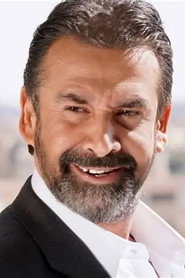 Karim Abdel Azizد. يحيى راشد إبراهيم
 Khaled El Sawyد. شريف ماهر الكردي/نائل/المأمون
 Nelly Karimلبنى ماهر الكردي
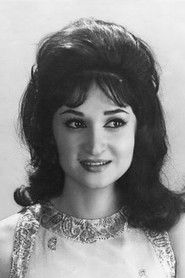 Leblebaد. صفاء
 Sherine Redaديجا
 Dareen Haddadمايا
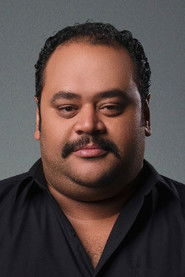 Mohamed Mamdouhسامح زيدان
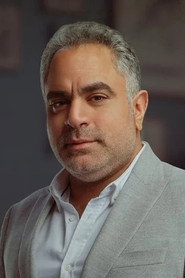 Mohamed Shaheenشاكر
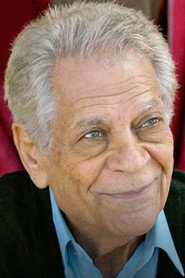 Gamil Barsoumسيد الترزي
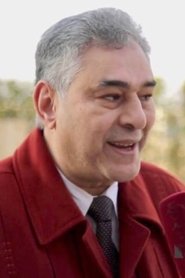 Yasser Ali Maherد.كيلانى
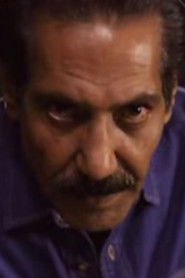 Mohamed Abu ElWafaمحسن الممرض
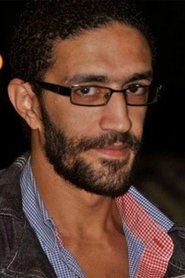 Khaled Kamalد. صلاح رجائي
Directing
- Marwan HamedDirector
- Ahmed RasheedFirst Assistant Director
- Tamer AshrySecond Assistant Director
Writing
- Ahmed MouradWriter
Production
- Fadi FahimExecutive Producer
- Kamel Abu AliProducer
- Marwan HamedProducer
- Sherif El MoallemProducer
- Walid SabbaghProduction Manager