
Film
Afterimages
A Singapore-set horror film that threads cultural superstition through supernatural found-footage aesthetics. Film students performing a ghost month ritual inadvertently invite malevolent spirits to possess their medium—themselves. Lean and atmospheric rather than gore-heavy, it's for viewers who prize mood and cultural specificity over jump scares, and who don't mind a film that trusts quiet dread more than volume.
Should you watch it?
Watch it if you enjoy slow-building ghost stories that treat folk belief and filmmaking as the same kind of haunting, and you don't mind a mystery that stays half-lit.
Skip it if you want jump scares and a brisk pace; this one is patient, murky and more interested in mood and cinematic riddles than in shocks.
What it asks of you: Ninety-two minutes of unhurried atmosphere, with attention spent on textures, Singapore settings and the slow accumulation of unease rather than on explaining itself.
Not sure? Find tonight's pick in a minute.
If you liked this
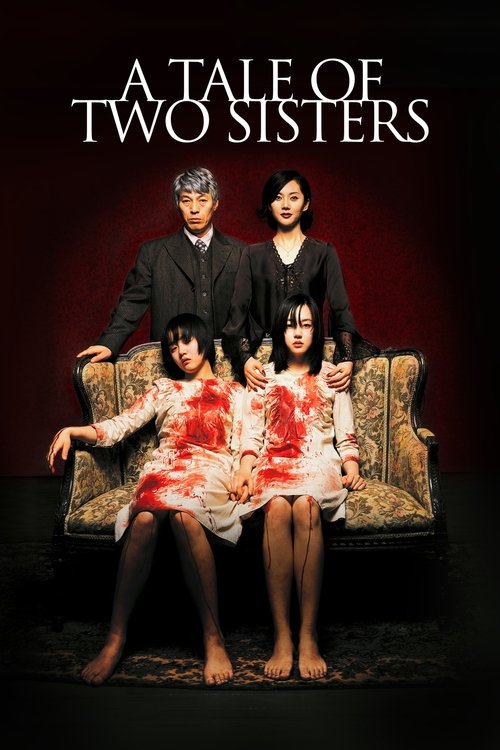
A Tale of Two Sisters2003
A masterclass in atmosphere and family horror that moves between mundane and nightmarish without losing you. The emotional core—grief and fractured memory—makes the scares land harder than any ghost ever could.
But Deliberately paced and enigmatic ending; it rewards patience and tolerates ambiguity in ways some viewers find frustrating rather than haunting.
The Wailing2016
A sprawling Korean horror that braids folk superstition, faith, and paranoia into something that feels genuinely dangerous. Masterfully constructed; every scene earns the full runtime.
But Nearly three hours of mounting dread with a deliberately inconclusive finale. The slow burn will test commitment; so will the moral questions it refuses to answer.

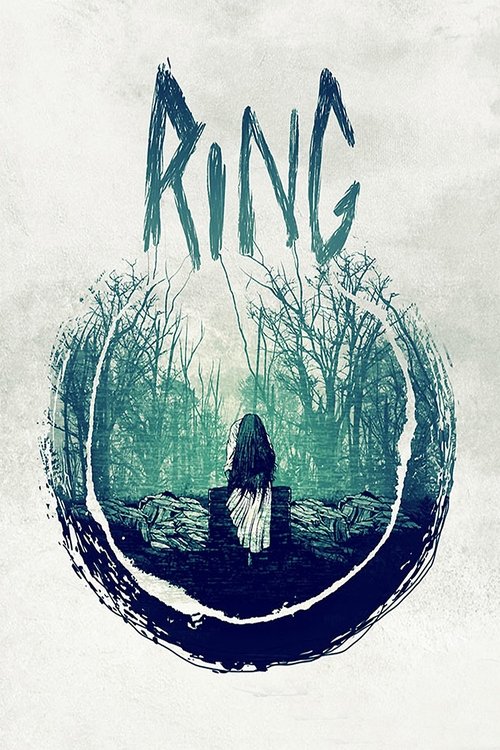
Ring1998
The film that proved J-horror could export globally without losing bite. Elegant, genuinely eerie, and structured so tightly that even knowing the twist doesn't defang it.
But VHS-era aesthetics and pacing feel dated now if you've only seen the American remake. The slow accumulation of dread doesn't suit viewers who want quick payoff.
Not sure tonight? Get a pick in a minute, starting from Afterimages
The wildcard
Something you would not have found on your own.
Ghostland2018
Both use supernatural horror as a frame for exploring how groups are changed by communal trauma. The ghosts are real, but they're also metaphors for what we carry forward.
Pascal Laugier's film about two sisters assaulted in their childhood home, now returning as adults to face it—and something stranger. Gore isn't the point; reality fracturing under trauma is. Unafraid to be raw.
But Brutal on-screen sexual violence early on, deployed without exploitation but present enough to be a real wall for some viewers. The ending pivots into ambiguity that some read as brilliant and others as cop-out.

More like this (8)
Kwaidan1965
Masaki Kobayashi's anthology of Japanese ghost stories shot like living paintings. Sumptuous color, elegant framing, and a deep sadness that outlasts any scare. Pure cinema.
But Episodic, contemplative, and unapologetically theatrical. No gore, no modern pacing; it asks you to sit with mood and accept that some stories are about beauty as much as terror.
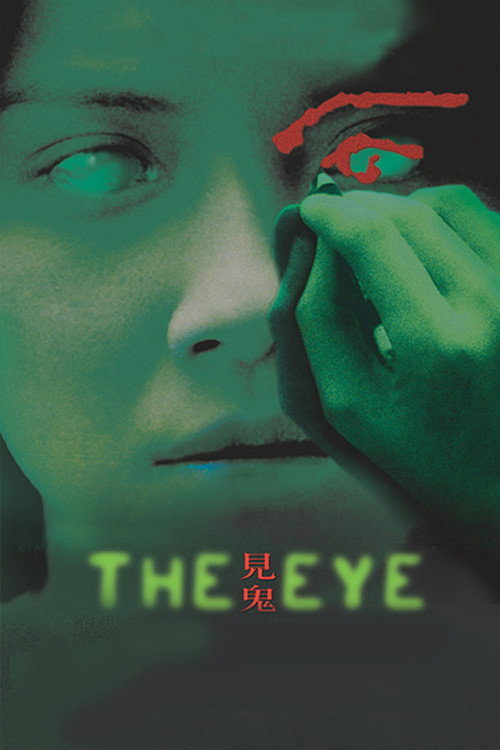
The Eye2002
A Hong Kong thriller about a woman who regains sight and begins seeing the dead. Slick, inventive with its visuals, and surprisingly touching beneath the scares.
But Loses coherence toward the end as mythology takes over plot logic. Some sequences feel dated in their digital effects; the tonal shift into melodrama won't suit everyone.
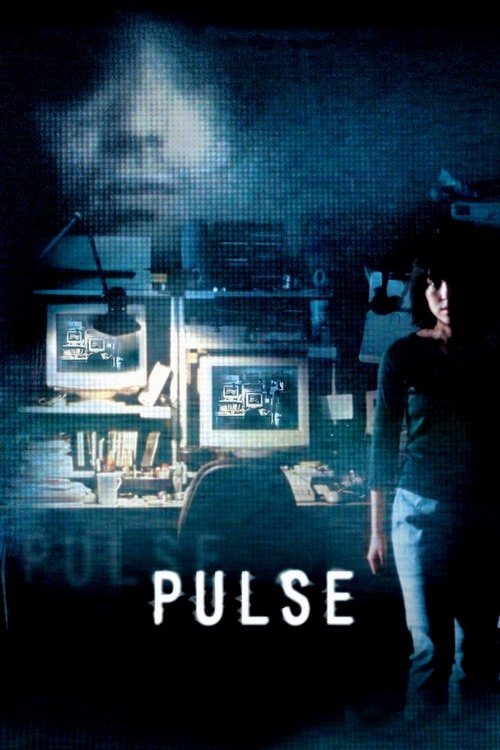
Pulse2001
A Japanese horror about the internet becoming a gateway for ghosts. Eerie, conceptually smart, and captures a specific moment when the web felt genuinely alien and unsafe.
But Relies on 2001-era computer aesthetics that now read as quaint rather than unsettling. Second half sags under its own mythology and becomes harder to follow.
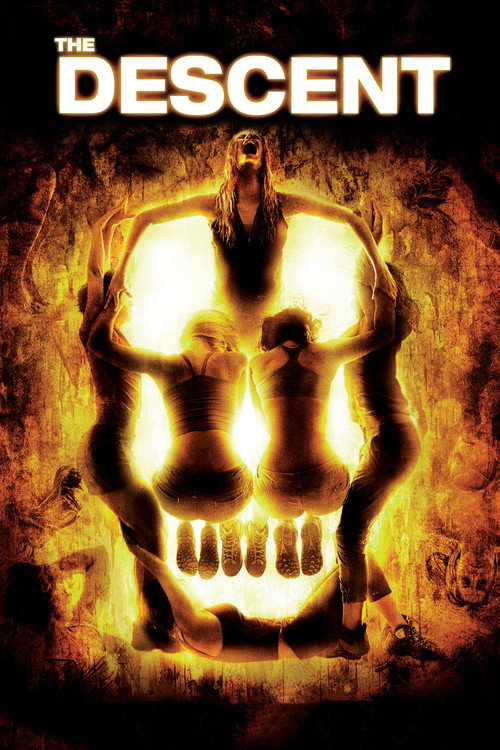
The Descent2005
Relentlessly tense creature horror set in an unmapped cave system. Claustrophobic, brutal, and the all-female cast feels earned rather than imposed. Character work matters here.
But Graphic violence and visceral body horror throughout. Uncompromising ending that skips catharsis; it will sit badly with viewers wanting resolution.
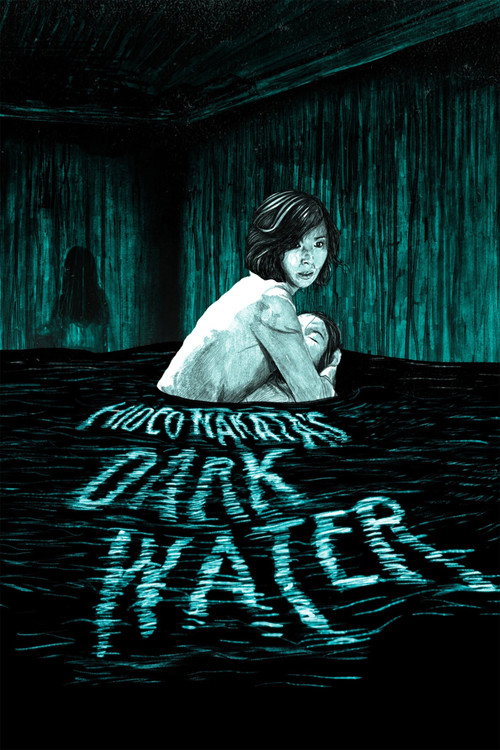
Dark Water2002
Another Hideo Nakata gem—quieter and sadder than Ringu, about a mother and daughter haunted in a decaying apartment. The horror springs from loneliness and neglect, not jump scares.
But Genuinely bleak with no redemption arc. The threat feels almost incidental to the film's real subject: how the world fails the vulnerable.
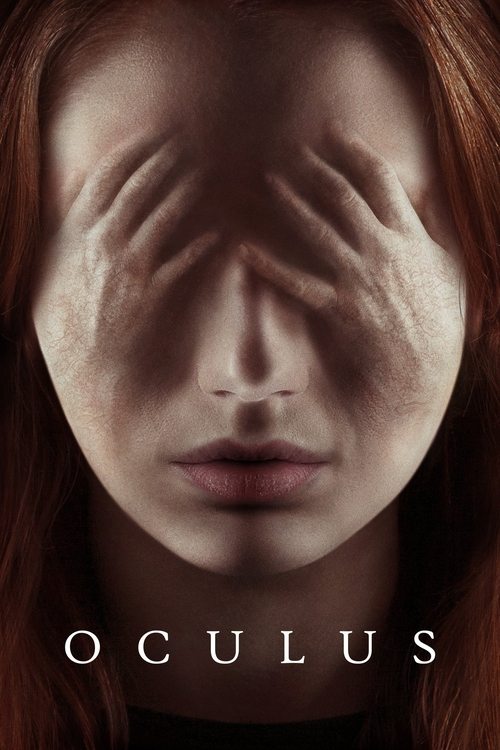
Oculus2014
A mirror is haunted; a woman returns to prove it and break its curse. Clever meta-construction, good scares, and a lead performance that carries the whole film.
But The narrative loops and fractured timeline feel contrived in retrospect. Some viewers find the repetition exhausting rather than hypnotic.
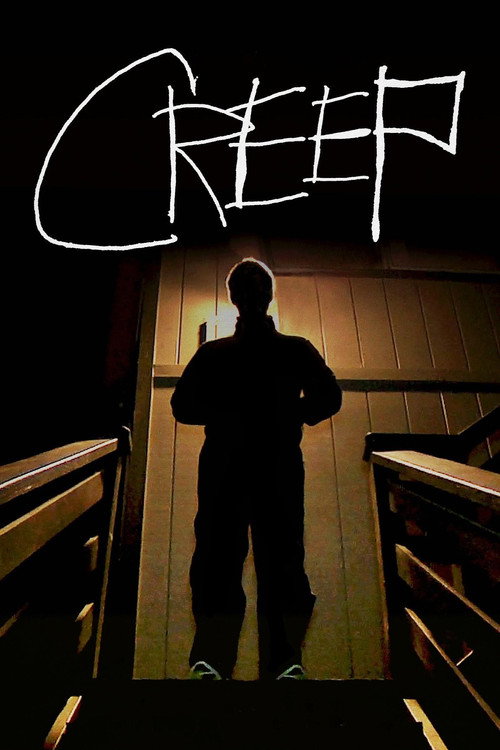
Creep2014
Both are micro-budget films that trust restraint and cultural detail over spectacle. Both make you feel complicit—watching when you sense something's wrong, unable to look away.
A found-footage film about a videographer hired for a day by a deeply unsettling stranger. Uncomfortably intimate, funny in ways that make the skin crawl, and structured like a trap door opening inch by inch.
But Dialogue-heavy and relies entirely on performance chemistry and mounting unease. No action beats or traditional horror beats; it's a slow conversation becoming sinister.
Come and See1985
Both films believe horror exists not to entertain but to witness. Both use supernatural or extreme imagery to render the invisible visible—what ghosts see, what war does to children. Both punish the audience a little for watching.
Elem Klimov's Soviet masterpiece about a teenage boy joining partisans in WWII. Not supernatural horror—human horror. The film itself seems cursed: visceral, overwhelming, possibly the most haunting war film ever made.
But Relentlessly bleak, graphically violent, and indifferent to viewer comfort. It's not entertainment; it's a confrontation. The agony is the point, and that's not for everyone.

People
Cast
 Lim Kay TongAgent Sin
 Pamelyn CheeAgent Zi
 Keagan KangAgent Wilkinson
 Daniel JenkinsHenry
- Sheena ChanCelina
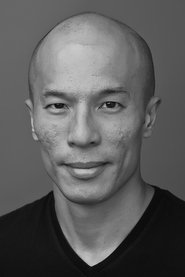 Lim Yu-BengAgent Chai
 Adeline PangYasmin
 Olivia StiefelCameron