
Film
A Thousand Years of Good Prayers
- Family drama
- Slow-burning
A Thousand Years of Good Prayers is a tender, observational film about a retired Chinese widower who travels to Washington state to comfort his daughter after her divorce, only to find that decades of unspoken hurt and misunderstanding stand between them. It's a quiet, patient character study about how love and resentment can coexist in families. Wayne Wang directs with spare elegance; nothing is wasted. For anyone who's felt the weight of unsaid things.
Should you watch it?
Watch it if you love quiet family dramas where the tension lives in what people leave unsaid, and where a small gap of language and culture between a father and daughter says more than any big confrontation could.
Skip it if you want a story that moves briskly toward a clear payoff, since this one lingers in awkward silences and everyday routine and may feel slow or meandering for much of its short running time.
What it asks of you: It runs a little over eighty minutes and asks for patience, with long still scenes, muted emotion, and attention to small gestures rather than plot momentum.
Not sure? Find tonight's pick in a minute.
If you liked this
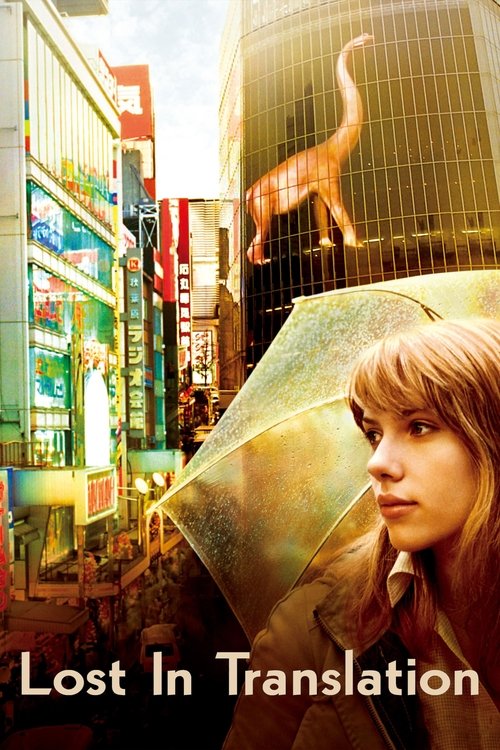
Lost in Translation2003
Sofia Coppola's masterpiece about isolation and connection across language and culture. Spare, melancholic, and deeply human—a perfect formal match for this film's restraint and emotional precision.
But Some find it glacially paced. If you need plot momentum or big emotional releases, you'll find the quietness frustrating.
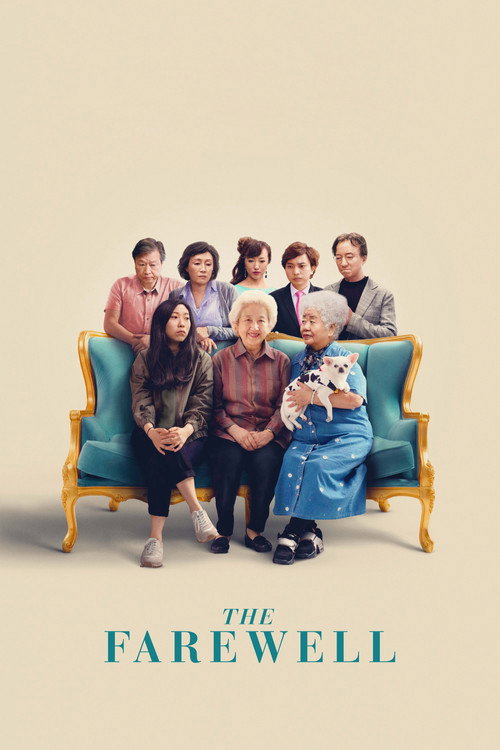
The Farewell2019
Lulu Wang's film about a Chinese family keeping a terminal diagnosis secret explores generational and cultural divides with warmth and sharp humor. Similar tensions between duty, love, and honesty.
But Broader and livelier than Good Prayers—if you're drawn to the American film's contemplative mood, this one's energetic tone might feel like a departure.
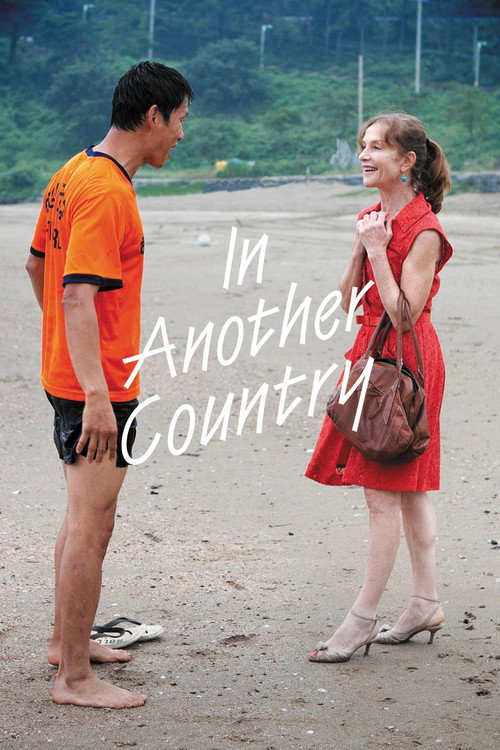
In Another Country2012
Hong Sangsoo again, this time about a director's fractured relationships while on a working holiday. Restless and formally playful, it captures how estrangement can follow you even when you're trying to move on.
But The shifts in tone and the seeming plotlessness will exhaust viewers who don't surrender to its rhythms.
Not sure tonight? Get a pick in a minute, starting from A Thousand Years of Good Prayers
The wildcard
Something you would not have found on your own.
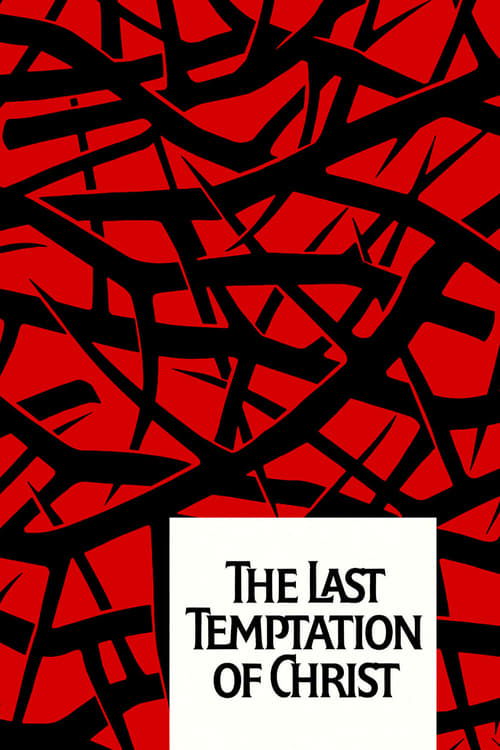
The Last Temptation of Christ1988
Both are about men in the aftermath of their lives, trying to make sense of choices they cannot unmake, and the women they've hurt or abandoned in the process.
Scorsese's Kazantzakis adaptation dramatizes a man wrestling with duty, desire, and what he's meant to be. Like Good Prayers, it's about an older man examining his life—the compromises, the roads not taken, the impossible distance between intention and outcome.
But Theologically provocative and three-and-a-half hours long. It's not about divorce or family, so you have to bring your own interpretive work.
More like this (6)
Tokyo Story1953
Ozu's film about aging parents visiting their son in postwar Tokyo is the ancestor of this entire mode: unshowy, deeply attentive to family rupture, gorgeous in its acceptance of human frailty.
But Made in 1953 and filmed in a static style that can read as sedating if you're not acclimated to classical Japanese cinema.

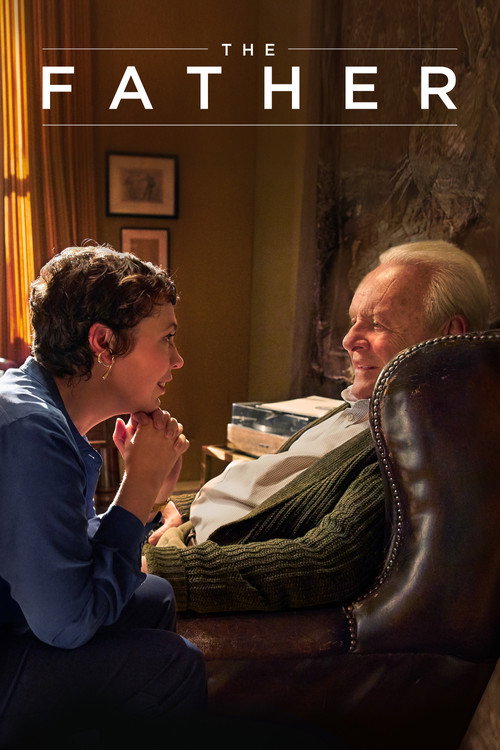
The Father2020
Florian Zeller's film about dementia and a daughter's frustrated love is heartbreaking without sentimentality. The father-child dynamic, the confusion, the love underneath the conflict—all deeply felt.
But Considerably darker and more distressing. This is about cognitive decline; Good Prayers is more about misunderstanding, which is less devastating.
Moonlight2016
Barry Jenkins' film about identity, intimacy, and the men who shaped a Black man's life. Like Good Prayers, it finds enormous weight in small moments and unspoken bonds between people who love each other badly.
But Structured in three chapters spanning decades; some viewers want chronological forward motion rather than thematic reflection.

Afterimages2014
Andrzej Wajda's final film about an artist confronting his isolation and irrelevance in postwar Poland. A meditation on aging, purposelessness, and what we leave behind—similarly grave and unsentimental.
But Polish, somber, and deliberately paced. This is not entertainment; it's a sustained engagement with melancholy.

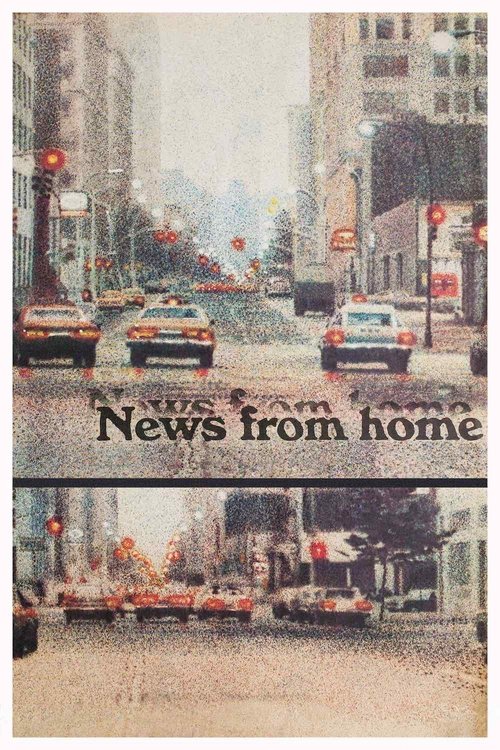
News from Home1976
Chantal Akerman reads letters from her mother over footage of New York City—a film about distance, diaspora, and the inadequacy of words to bridge what separates us. Formally radical, emotionally devastating.
But Forty-five minutes of a woman's voice over urban images. If you need conventional narrative, this will feel like punishment.
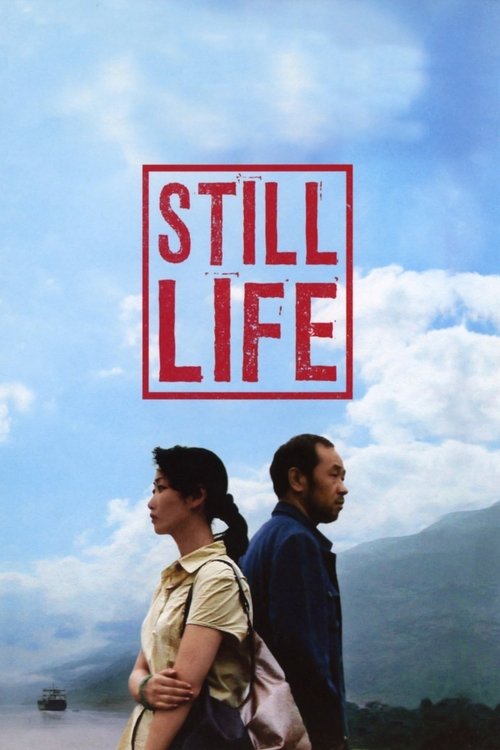
Still Life2006
Both films treat the Chinese diaspora and the distance between family members as a metaphysical condition rather than a problem to solve. Neither offers easy comfort.
Jia Zhangke's film about a man searching for his wife and daughter after the Three Gorges Dam displaced millions. Minimalist, almost documentary in texture, it captures the same Chinese landscape of quiet desperation and the inadequacy of reunion.
But Deliberately slow, long takes, no conventional drama. It asks you to sit with absence rather than resolve it, which some find boring and others find profound.
People
Cast
 Henry OMr. Shi
 Yu FeihongYilan
 Vida GhahremaniMadame
 Pasha D. LychnikoffBoris
- Jared WagnerAirport Greeter
 Megan AlbertusForensics Girl
- Wes DeitrickAntique Owner
- Ryan SansonPlane Passenger
 Patrick TreadwayHomeless Man
- Angela Dierdorff PetroMaggie
 Tracy SchornickTroy
- Erick HollenbaughElder Reilly
Directing
- Wayne WangDirector
Writing
- Yiyun LiNovel
Production
- Nike ImoruCasting Director
- Todd M. ThalerCasting Director
- Lee Joo-ickExecutive Producer
- Taizo SonExecutive Producer
- Yasushi KotaniExecutive Producer
- Rich CowanProducer
- Wayne WangProducer
- Yukie KitoProducer
- Juan A. MasProduction Supervisor