
Film
Ring 2
Ring 2 deepens the curse mythology while shifting focus to a mother's desperation to save her son from Sadako's reach. It's less about jump scares than creeping dread—the feeling that fate is inevitable and there's no escape, only delay. For those who loved the first film's concept and want more atmospheric horror built on genuine emotional stakes.
Should you watch it?
Watch it if you love slow-burn dread built from folklore and eerie unease, and you already know the first film's rules well enough to enjoy watching them bent.
Skip it if you want the original's sharp shocks, because this sequel trades jolts for a murkier, more talky middle that some will find slack.
What it asks of you: Sits with its unease at a patient, almost procedural pace across about ninety-five minutes, asking you to follow research and hunches rather than wait for scares.
Not sure? Find tonight's pick in a minute.
If you liked this
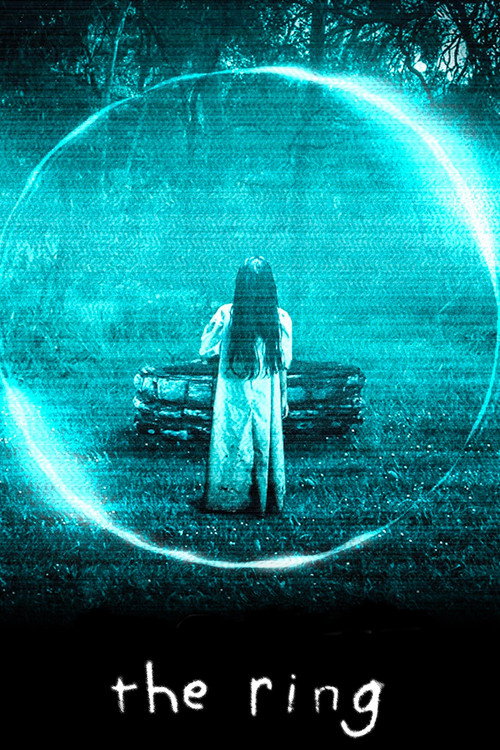
The Ring2002
The American remake that introduced Western audiences to the curse concept with polished suspense. Naomi Watts delivers vulnerable, fierce motherhood, and the film balances scares with real human stakes beautifully.
But If you've already seen Ring 2, this covers similar ground. Some find the remake's Americanization dilutes the original's strangeness, though it's undeniably effective.
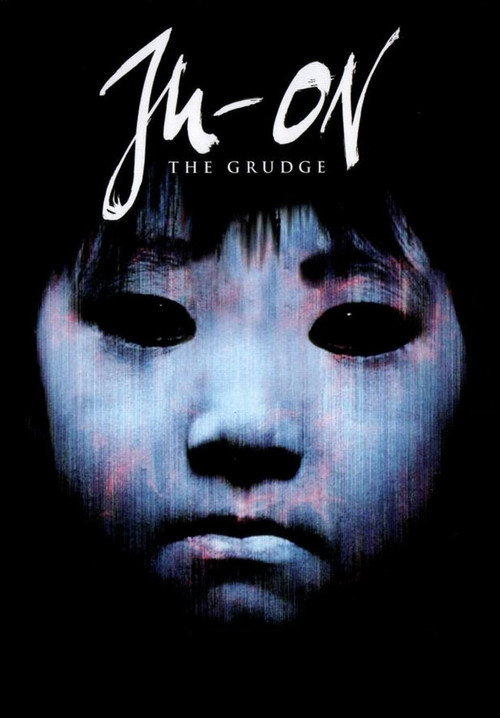
Ju-on: The Grudge2002
Japanese horror that matches Ring's atmospheric dread with a curse that's even more inescapable. Shimizu's direction creates genuine unease through sound design and negative space rather than gore. Essential viewing.
But The narrative structure is fragmented and deliberately disorienting. If you need clear plot progression, this will frustrate you—it's more mood than story.
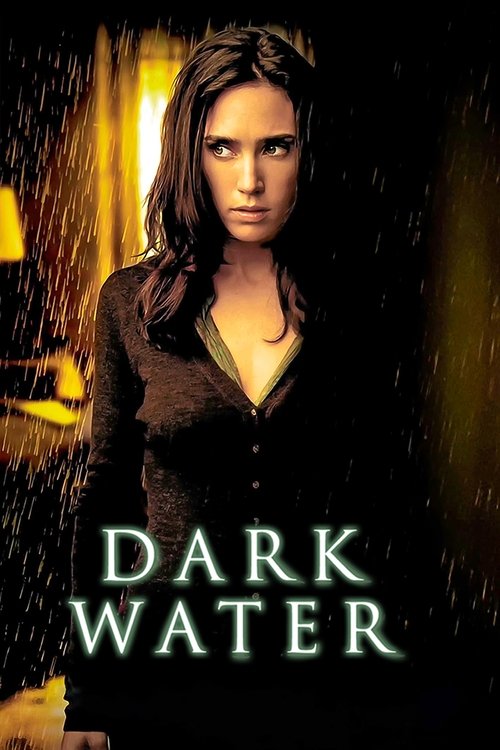
Dark Water2005
Also directed by Hideo Nakata (Ring's original director), this explores motherhood and supernatural threat with the same dread. A single mother and daughter trapped in a cursed apartment building—intimately creepy and surprisingly moving.
But It's slower and more claustrophobic than Ring. The mystery unfolds obliquely; if you want clear answers quickly, you'll find it maddening.
Not sure tonight? Get a pick in a minute, starting from Ring 2
The wildcard
Something you would not have found on your own.
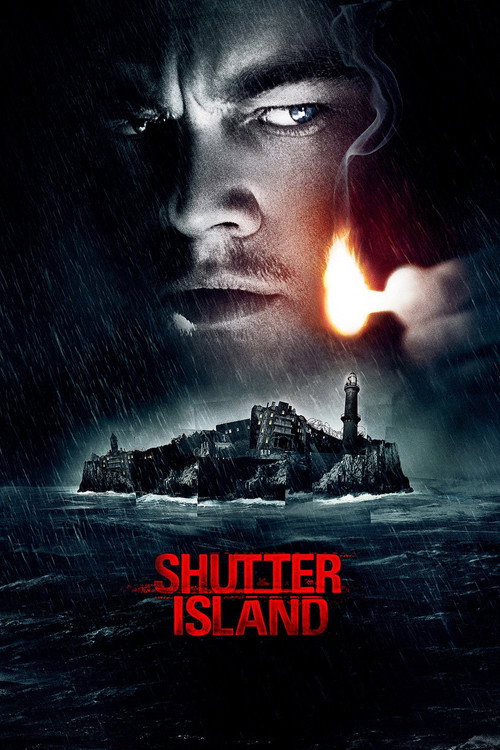
Shutter Island2010
Both films are structured as a desperate investigation into something that cannot be investigated. In Ring, the tape is the mystery; in Shutter Island, the patient's mind is. Both suggest that some knowledge destroys the knower.
Scorsese's American psychological horror wrestles with trauma, guilt, and the mind's capacity to construct elaborate denial. It has Ring's architecture of dread—mysteries layered beneath mysteries—but trades the supernatural for the psychological. Endlessly rewatchable.
But It's a detective story disguised as horror; if you want scares, this won't deliver them. The twist is divisive—some find it brilliant, others feel betrayed. It's very American, very verbose.
More like this (7)
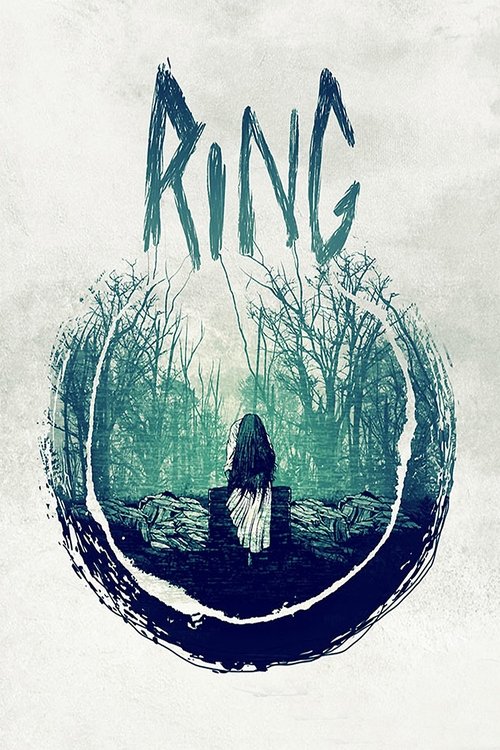
Ring1998
The original Japanese Ring that started everything. Nakata's direction is measured and terrifying—the curse feels inevitable, the videotape genuinely unsettling. Sadako becomes cinema's most effective ghost.
But It's dated in places, and if you've already seen the American version, some mystery evaporates. The pacing is deliberate; modern audiences sometimes find it slow.
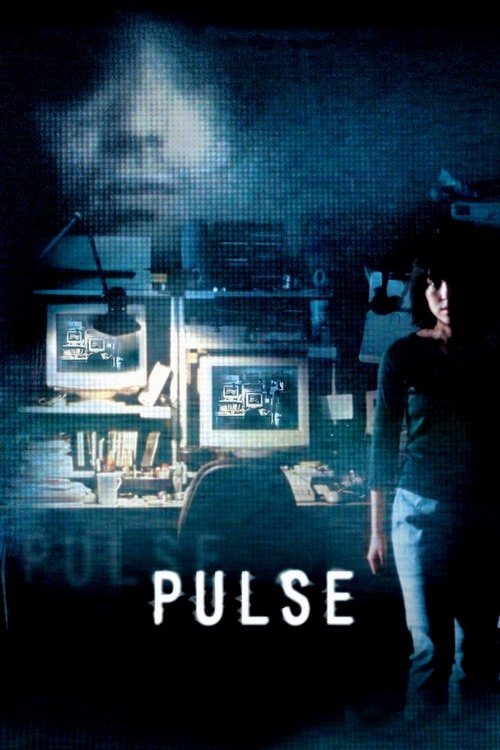
Pulse2001
Kiyoshi Kurosawa's masterpiece about death spreading through the internet like a virus. It captures the same sense of technological dread Ring invented—death touching us through invisible means—but pushes it into genuine existential horror.
But It's bleaker than Ring and less focused on personal stakes. The tone is apocalyptic rather than intimate; some find it emotionally draining rather than thrilling.
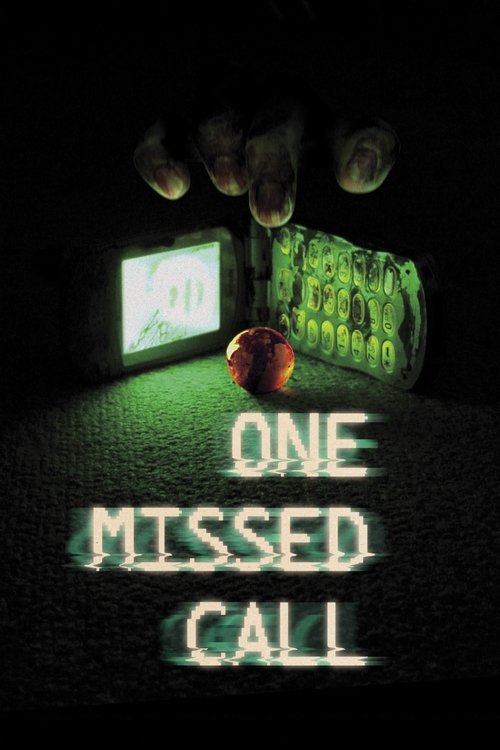
One Missed Call2003
A curse transmitted via phone rather than tape. This film understands Ring's formula—the countdown, the desperation, the feeling you're already dead—and builds fresh tension around it with solid craft and genuine scares.
But It's derivative rather than visionary. If you're looking for originality, this is comfort food, not revelation. Some plot elements strain credibility.
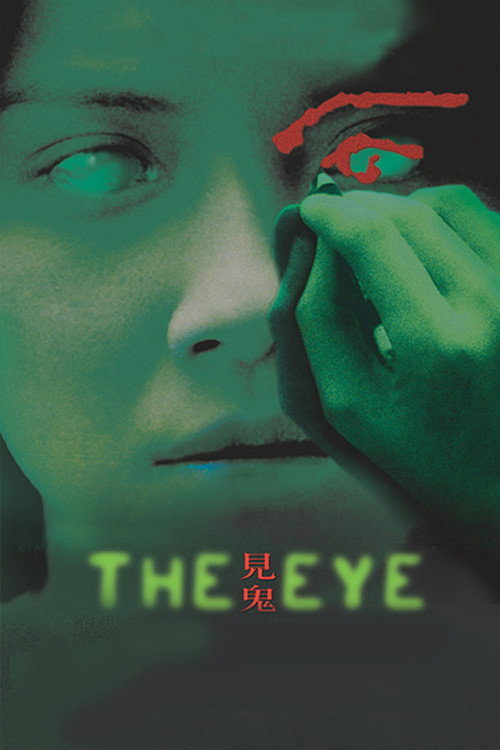
The Eye2002
Danny Pang and Oxide Pang's Thai ghost story about a woman who receives a corneal transplant and begins seeing the dead. Atmospheric, visually inventive, with a genuine sense of wrongness that lingers.
But The plot becomes increasingly convoluted and melodramatic. The final act relies on coincidence; it can feel unearned if you're not swept up by the mood.
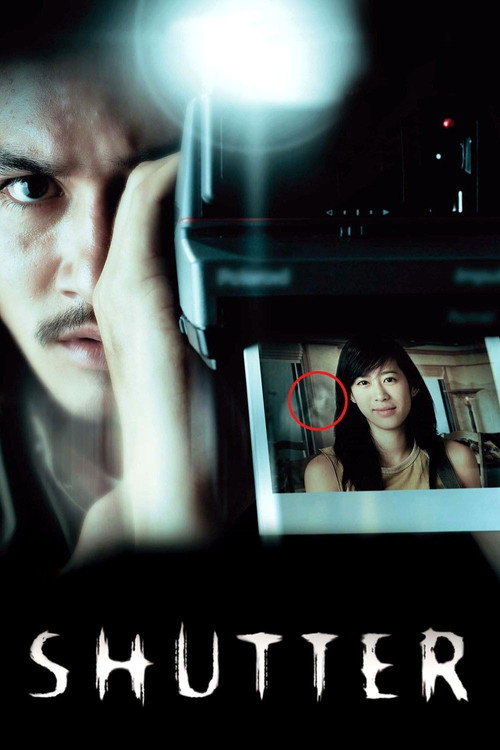
Shutter2004
Thai horror about a couple haunted by a ghostly woman in photographs. Beautifully shot with a twist ending that recontextualizes everything. Proves that curse horror can be both visually sophisticated and genuinely unsettling.
But It takes time to build—patience required. The moral dimension of the ending upsets some viewers; it's a difficult reveal rather than a cathartic one.
The Wailing2016
Na Hong-jin's epic mystery-horror that weaves curse mythology, religious dread, and ambiguity into something hypnotic. It asks what Ring ultimately asks: is escape even possible? Visually stunning and narratively daring.
But It's 156 minutes and deliberately obscure. The ending resists interpretation; if you need resolution, this will feel unfinished. Some find its meandering mystery frustrating.

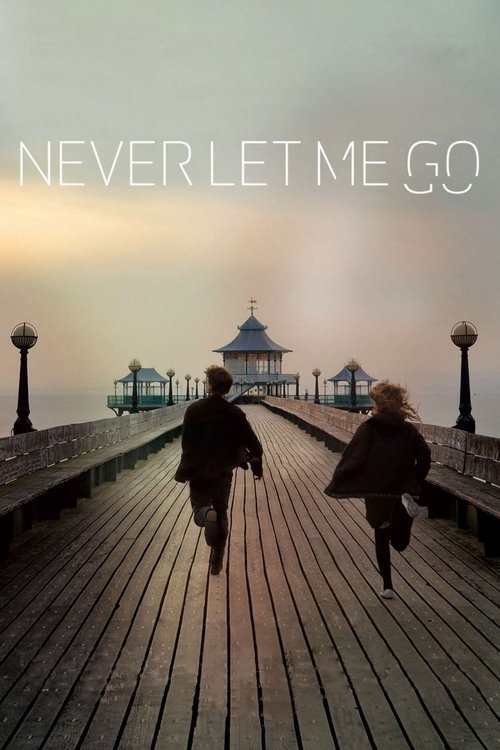
Never Let Me Go2010
Ring and Never Let Me Go both ask: what do you do when your death is written? Ring answers with desperate investigation; Never Let Me Go answers with grace. Same structural inevitability, opposite emotional registers.
Ishiguro's adaptation about clones bred for organ donation plays like a science-fiction cousin to Ring's fate. It has the same resigned dread—a deadline you cannot escape, a death you can see coming—but rendered as quiet tragedy rather than horror. Devastatingly beautiful.
But There are no scares. It's melancholy and slow, building to acceptance rather than battle. If you need plot momentum or visceral thrills, this is the opposite—a film about surrender, not survival.
People
Cast
 Miki NakataniMai Takano
 Hitomi SatoMasami Kurahashi
 Kyoko FukadaKanae Sawaguchi
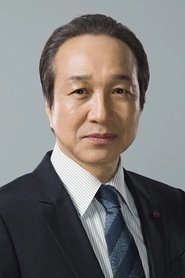 Fumiyo KohinataDr. Kawajiri
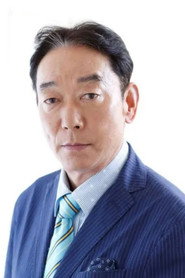 Kenjirou IshimaruDetective Omuta
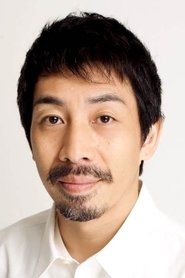 Yûrei YanagiOkazaki
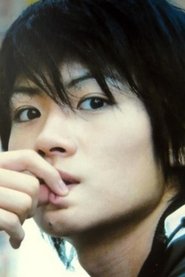 Rikiya ÔtakaYôichi Asakawa
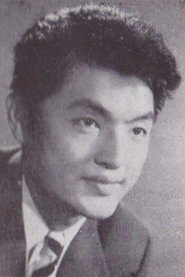 Yōichi NumataTakashi Yamamura
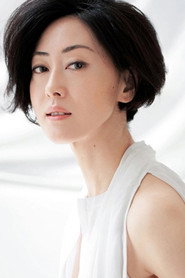 MasakoShizuko Yamamura
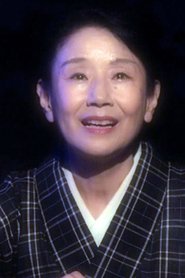 Miwako KajiKazue Yamamura
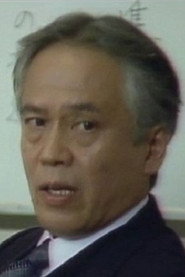 Katsumi MuramatsuKôichi Asakawa
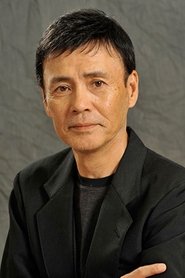 Daisuke BanHeihachirô Ikuma
Directing
- Hideo NakataDirector
Writing
- Kōji SuzukiNovel
- Hiroshi TakahashiScreenplay
Production
- Masato HaraExecutive Producer
- Makoto IshiharaProducer
- Masato HaradaProducer
- Takashige IchiseProducer
- Shingo MiyauchiProduction Manager
Recommended by
Ring, Pulse, Carved: The Slit-Mouthed Woman, The Spiral, Whispering Corridors