
Film
Dark Water
Other titles called Dark Water: the 2002 film.
A mother and daughter move into a decaying New York apartment where water damage becomes a gateway to something far worse. This is a slow-burn supernatural mystery that trades jump scares for dread—the kind of film that lives in the walls of your mind afterward. It's for viewers who prize atmosphere and creeping unease over action or easy answers.
Should you watch it?
Watch it if you like slow-burning ghost stories where dread builds through damp rooms, unanswered phone calls and a mother's frayed nerves rather than through jump scares, in the spirit of the Japanese originals it remakes.
Skip it if you want a horror that keeps pushing the scares forward, since this one lingers on atmosphere and a grim domestic unease for long stretches before it reaches its full intensity.
What it asks of you: Settle in for about ninety minutes of patient, gloomy build-up, with little relief and a heavy, rain-soaked mood that rewards close attention to small details.
Not sure? Find tonight's pick in a minute.
If you liked this
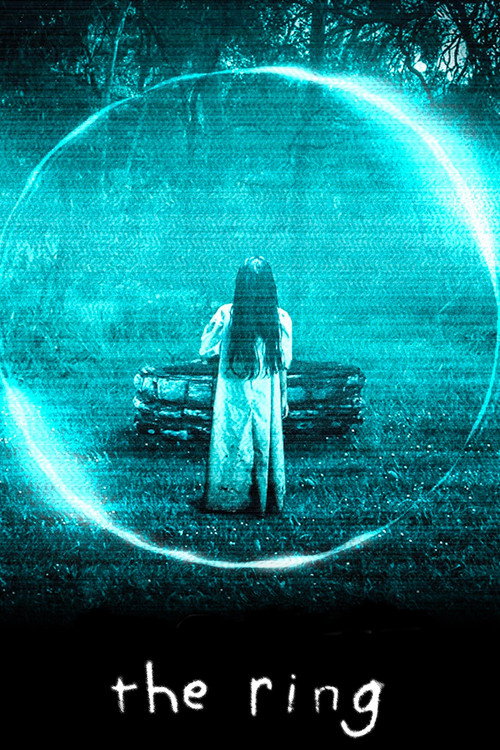
The Ring2002
A landmark American remake that proves the formula works: mysterious curse, ordinary person trapped, meticulous investigation into its origins. The wet, grimy cinematography shares Dark Water's visual language.
But It's been endlessly copied and parodied since 2002, so the premise might feel familiar. Some plot points creak.
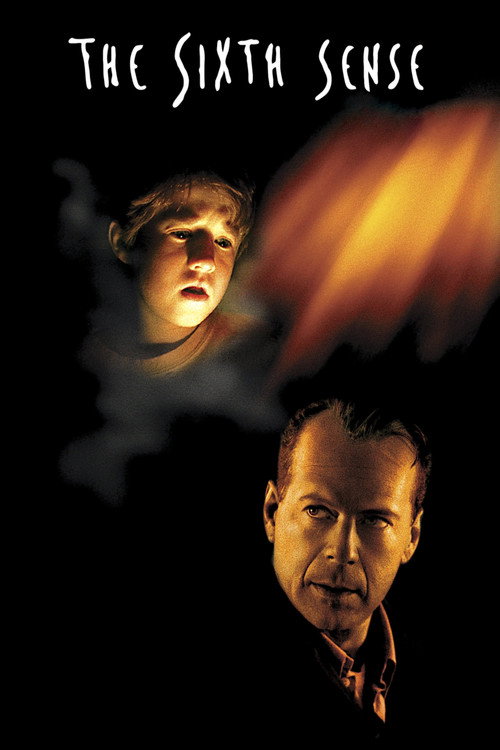
The Sixth Sense1999
Another 1999 supernatural drama (released same year as the original Dark Water) that builds dread through careful observation of everyday spaces. Both films trust their audiences to sit with discomfort rather than demanding catharsis.
But If you've seen it, the ending is a known quantity. And it's become shorthand for 'twist ending,' which can make watching feel like homework.
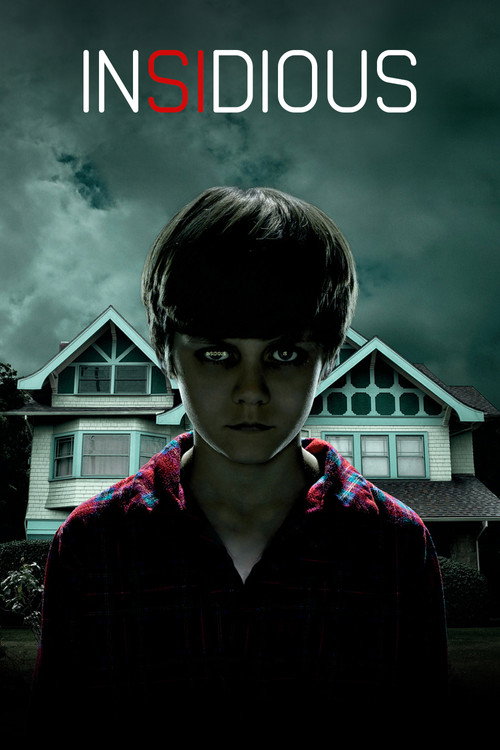
Insidious2011
A family-in-peril haunting that gradually reveals layers of cosmic horror beneath domestic mundanity. Like Dark Water, it finds terror in apartment buildings and the spaces families think are safe.
But The third act leans harder into action-horror showdowns. If you want pure creeping dread from start to finish, this pivots toward spectacle.
Not sure tonight? Get a pick in a minute, starting from Dark Water
The wildcard
Something you would not have found on your own.
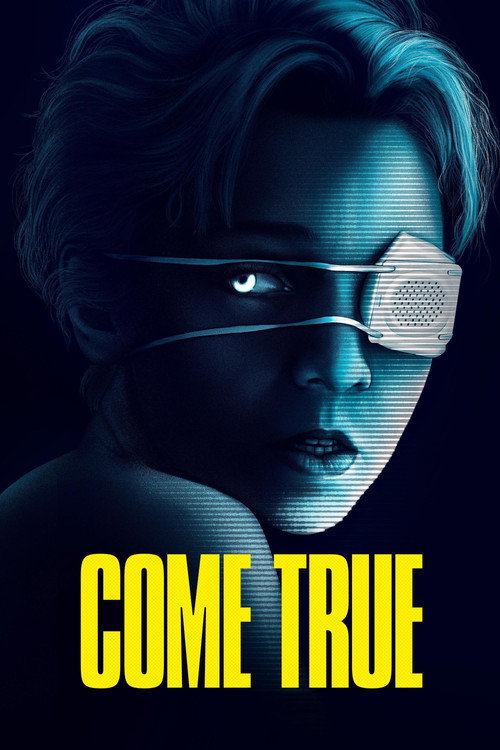
Come True2020
Both films treat domestic or institutional spaces as sources of creeping psychological terror, and both prioritize atmosphere and visual storytelling over narrative clarity. They're haunted-house films that interrogate whether the haunting is external or internal.
An indie sci-fi horror about a young woman in a sleep study that goes catastrophically wrong. Like Dark Water, it's visually hypnotic and dread-soaked, but the horror here emerges from bodies and consciousness rather than ghosts. Gorgeous, warped cinematography.
But It's art-house slow and its ending refuses conventional catharsis. If you want plot resolution and emotional payoff, this will frustrate you deeply.
More like this (7)
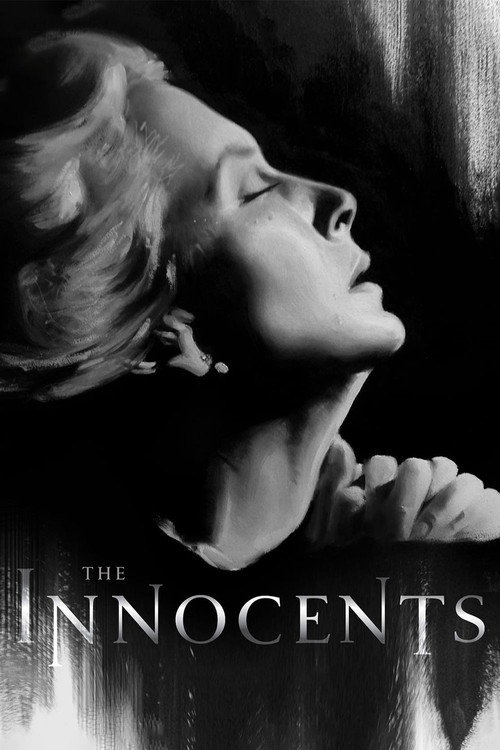
The Innocents1961
A black-and-white ghost story about children and their caretaker in an English manor. It shares Dark Water's ambiguity about whether the supernatural is real or psychological—and makes that uncertainty more frightening.
But It's deliberately paced and shot in stark monochrome. Modern audiences sometimes find the restraint tedious rather than elegant.
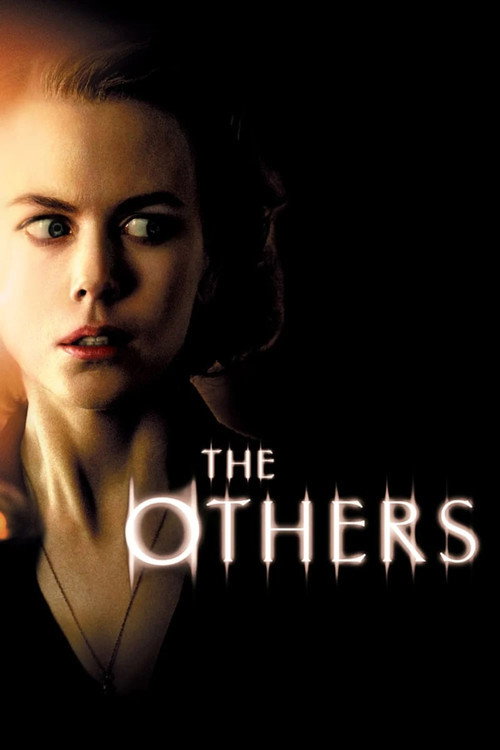
The Others2001
Nicole Kidman trapped in a fog-shrouded mansion with mounting dread and a superb twist. Both films use confined, deteriorating spaces as characters themselves and blur the line between haunted house and psychological unraveling.
But The reveal, while excellent, makes a second viewing feel almost redundant. And it's slightly more polished than Dark Water's grimier aesthetic.
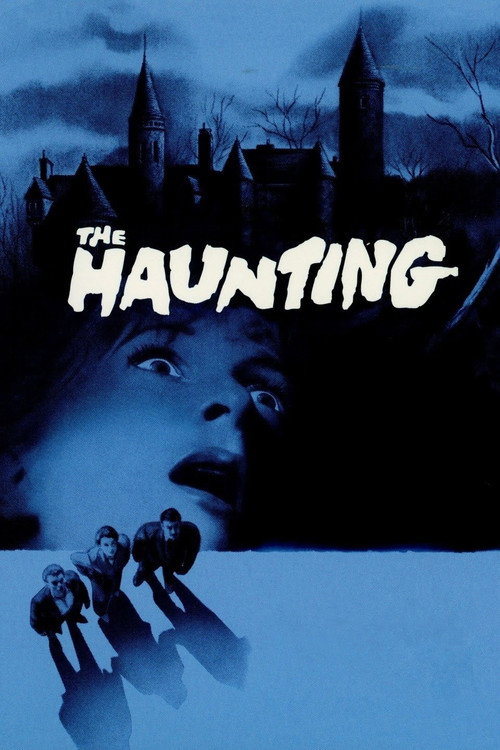
The Haunting1963
An earlier masterclass in using architecture and sound design to create dread. A woman stays in a supposedly haunted house; the film never confirms what's real. It's the template Dark Water half-remembers.
But It's in black and white, made in 1963, and features zero violence. If you need something more visceral, this will feel too subtle.
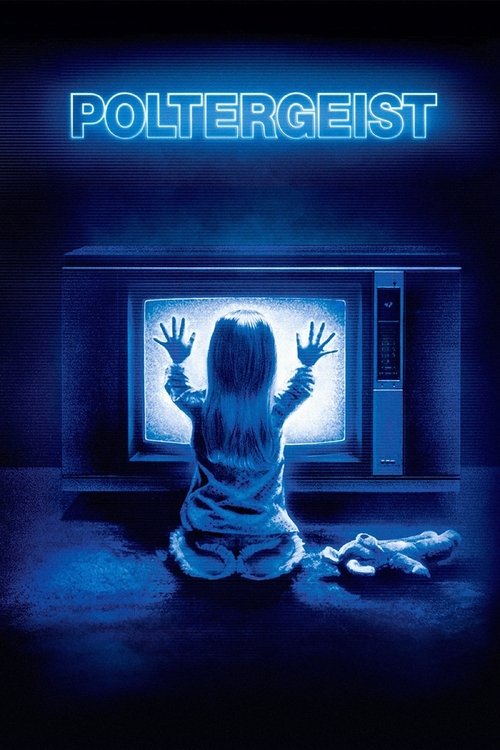
Poltergeist1982
A family's house becomes hostile in ways that start small and escalate. Tobe Hooper's direction finds genuine terror in suburban ordinariness, and the slow-burn early sections share Dark Water's patient dread.
But The film is very much a product of 1982 special effects. Once the action kicks in, some moments look dated rather than frightening.
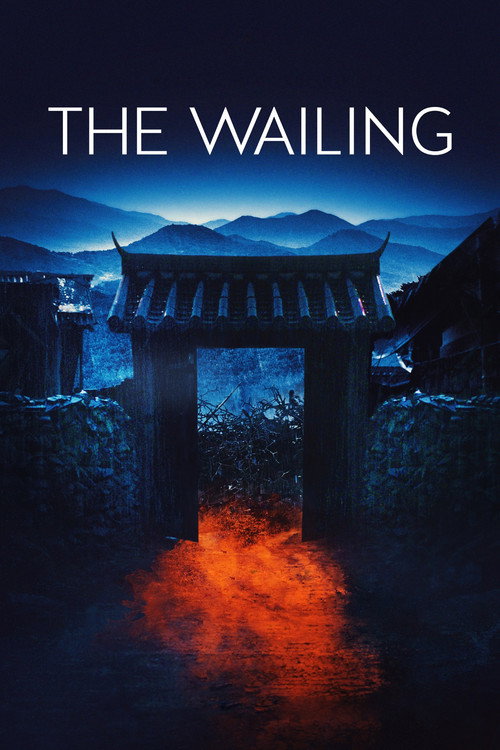
The Wailing2016
A South Korean mystery-horror about a village plagued by deaths and a mysterious stranger. Like Dark Water, it layers conspiracy, ambiguity, and family desperation into something genuinely unnerving. Visually stunning.
But It's 156 minutes long and deliberately frustrating in its refusal to explain everything. Patience is mandatory; resolution is not guaranteed.
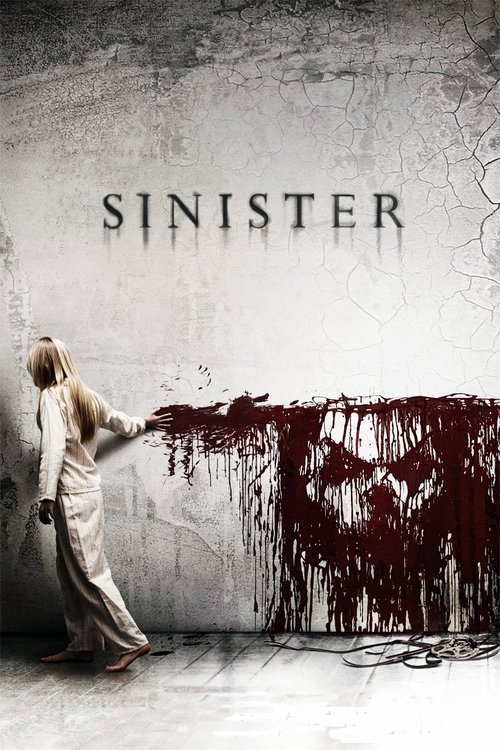
Sinister2012
A true crime writer moves his family into a house with a dark past. The slow revelation of what happened shares Dark Water's structure: mystery deepens, atmosphere darkens, the home itself becomes complicit.
But Once it shows you what it's showing you, the images stick in a way that borders on exploitative. Not for viewers squeamish about harm to children.
Mulholland Drive2001
Both films use their settings—a decaying apartment, a sprawling city—as emotional landscapes that reflect the protagonist's internal collapse. Reality becomes questionable; atmosphere becomes the story.
David Lynch's Los Angeles dream-nightmare about identity, obsession, and the spaces we inhabit. It's not a ghost story, but it shares Dark Water's commitment to mood over plot—and its willingness to leave viewers unsettled rather than satisfied.
But It's a 147-minute puzzle box that refuses to cohere. Lynch actively asks you to sit with confusion. Some people find that liberating; others find it infuriating.

People
Cast
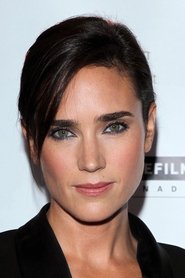 Jennifer ConnellyDahlia Williams
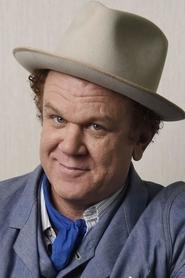 John C. ReillyMr. Murray
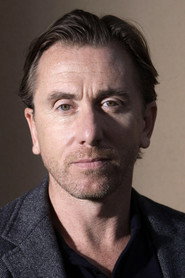 Tim RothJeff Platzer
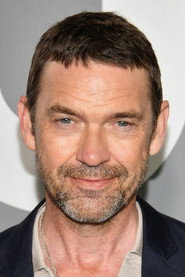 Dougray ScottKyle Williams
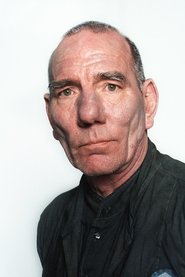 Pete PostlethwaiteVeeck
 Ariel GadeCeci
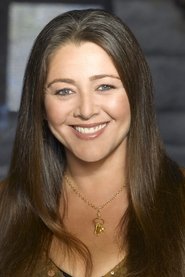 Camryn ManheimTeacher
 Perla Haney-JardineNatasha / Young Dahlia
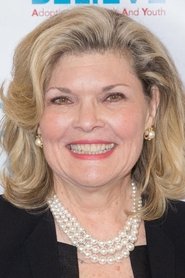 Debra MonkYoung Dahlia's Teacher
 Linda EmondMediator
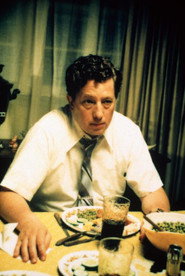 Bill BuellMediator
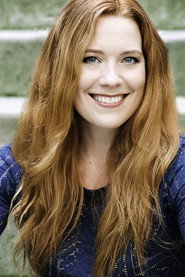 Kate HewlettTeacher's Aide
Directing
- Maria Carlota BrunoAssistant Director
- Walter SallesDirector
- David WebbFirst Assistant Director
- Susan MarucciScript Supervisor
- Bruno BryniarskiSecond Assistant Director
- Adam WeisingerSecond Second Assistant Director
- Devin HillierThird Assistant Director
Writing
- Kōji SuzukiNovel
- Rafael YglesiasScreenplay
Production
- Maurice SessomsAdditional Production Assistant
- Andrew JablonskiAssistant Accountant
- Lynn H. PowersAssistant Location Manager
- Lee Ann CottonAssistant Production Coordinator
- Kerry FosterAssociate Producer
- Carole TarlingtonCasting
- Kelli LernerCasting
- Mali FinnCasting
- Tina GerussiCasting
- Jonathan LeederCasting Associate
- Diana PokornyCo-Producer
- Ashley KramerExecutive Producer
- Judy PursleyFirst Assistant Accountant
- Scott RossGeneral Manager
- Kip Davis MyersLocation Assistant
- Audra GormanLocation Coordinator
- Mark LoganLocation Manager
- Claudine FrancoPost Production Coordinator
- Bill MechanicProducer
- Doug DavisonProducer
- Roy LeeProducer
- Daniela BarbosaProduction Assistant
- Sabine GrahamProduction Coordinator
- Alison DavisProduction Secretary
- Andrea IsaacsProduction Supervisor
- Peter MadambaScript Researcher
- Melissa GirottiTravel Coordinator
- Amy HermanUnit Production Manager
Recommended by
Ouija, One Missed Call, Ring 2, Silent Hill, Ghost Ship, The World Before Her, The Watcher in the Woods, Brick Lane, Lovely Molly, Proxy, Hide and Seek, The Presence, Gulaab Gang, Taal, Highway, Beneath, The Eye, Dor, Never Let Go, Chakra, Ankur, The Creeping, Bandit Queen, Masala, Carved: The Slit-Mouthed Woman, D@bbe 4: The Possession, Zakhm, Pizza, Earth, The Ring Two, Darkness Falls, An American Haunting, The Uninvited, Purana Mandir, The Gift, Shutter, Umrao Jaan, The Woods, Lajja, Haunted, House by the Lake, Liar's Dice, Darna Zaroori Hai, Mirrors, Naseem, Balika Vadhu, Soni, 1408, Arohan, Chemmeen