
Film
Dor
Dor is a quietly devastating story about two women from opposite ends of Indian society—one urban and educated, one rural and poor—bound together by a terrible injustice. It's a film about complicity, mercy, and whether friendship can exist between people shaped by radically different worlds. Spare and deeply humane.
If you liked this
Dark Water2005
Deepa Mehta's shattering portrait of widows in colonial India, stripped of agency and dignity. Like Dor, it finds profound humanity in women crushed by systems larger than themselves, told with quiet moral clarity.
But Mehta's treatment of the subject is unflinching—there is little comfort offered, and the historical weight can feel overwhelming rather than cathartic.

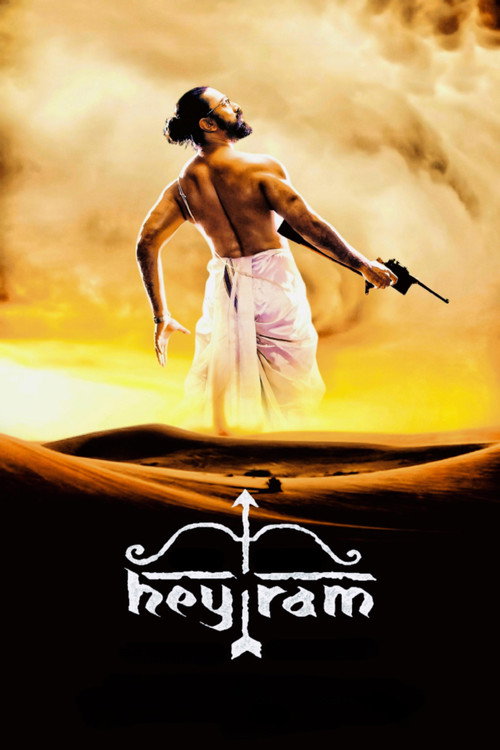
Hey Ram2000
Kamal Haasan's complex meditation on communal violence and moral compromise. Both films use personal tragedy as a lens to examine the collision between individual conscience and social structure.
But Haasan's film is deliberately fragmented and philosophically dense—it demands patience and can feel mannered where Dor is direct.
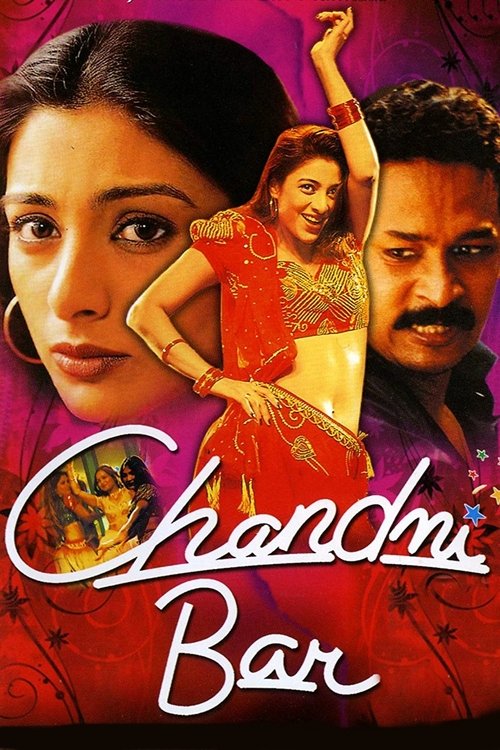
Chandni Bar2001
Madhur Bhandarkar's unflinching look at exploitation and survival in Mumbai's sex trade. Like Dor, it refuses to sentimentalize poverty or use victimhood as spectacle; it insists on the protagonist's agency and complexity.
But It's aggressively bleak and the subject matter is deliberately provocative—designed to disturb rather than move you toward comfortable feelings.
Not sure tonight? Get a pick in a minute, starting from Dor
The wildcard
Something you would not have found on your own.
The Burning Season1994
Both interrogate complicity: how ordinary people become instruments of injustice, and what it costs them to refuse.
A documentary-drama hybrid about a Brazilian rubber tapper's fight against deforestation and the systems that protect the powerful over the powerless. It has Dor's precise moral anger and its refusal to let either side off easy.
But It's earnest and rarely lightens its burden—the righteousness can feel exhausting if you're not willing to sit with the film's worldview.
More like this (7)
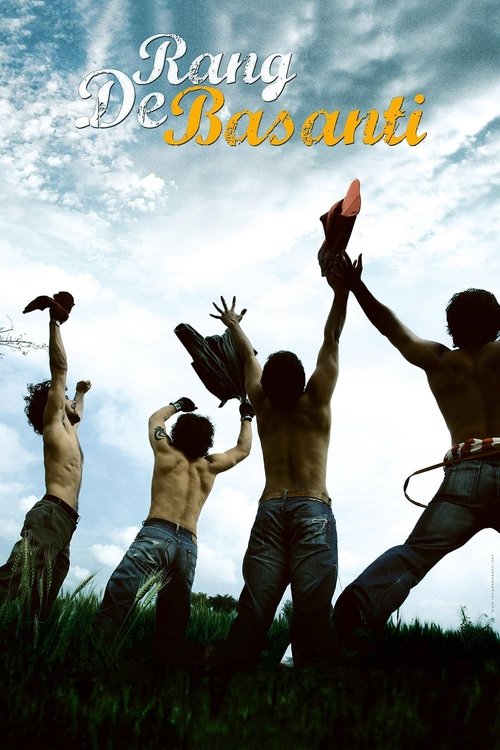
Rang De Basanti2006
Aamir Khan's ensemble about young people confronting systemic corruption. While more hopeful than Dor, it shares the same question: what do you do when the system fails you and the law becomes complicit?
But It pivots toward action-film heroics in the final act—a tonal shift that feels earned to some, manipulative to others.
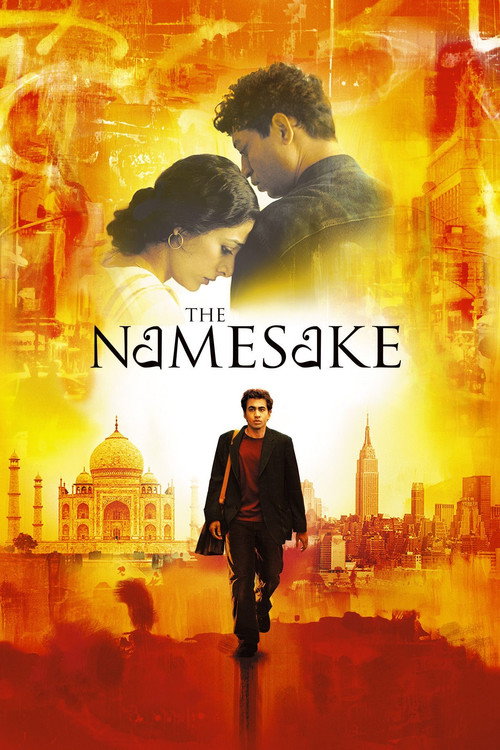
The Namesake2006
Mira Nair's tender, observant film about cultural displacement and the gap between who we are and who we're expected to be. Both films explore identity as something negotiated rather than fixed.
But It's a chamber piece about quiet alienation—nothing dramatic happens, and that's the entire point, which some find monotonous.
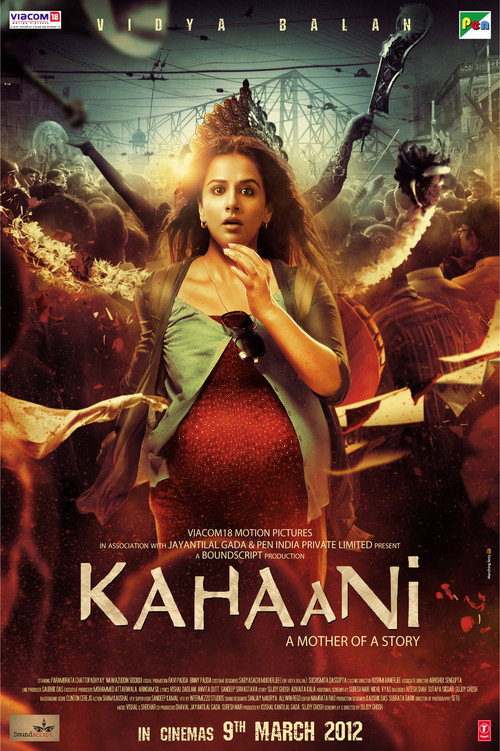
Kahaani2012
Vidya Balan in a labyrinthine thriller about deception, motherhood, and the violence done in the name of justice. It has Dor's intelligence and refusal to offer easy moral comfort.
But The plot's third act hinges on a major twist that asks a lot of the audience—some find it brilliant, others feel manipulated.
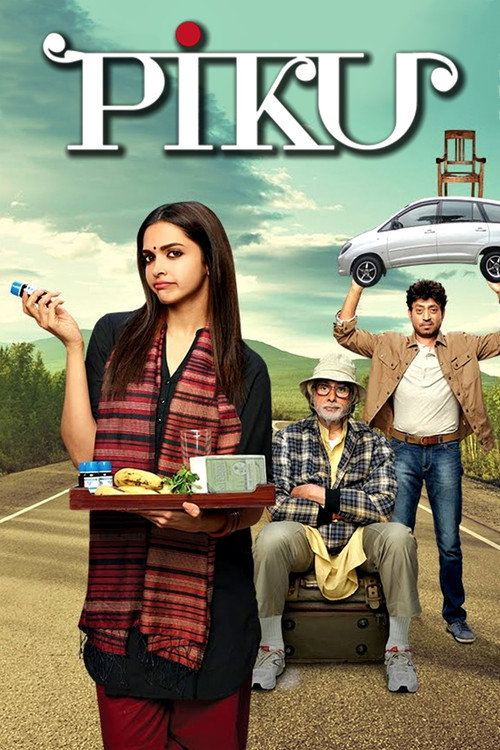
Piku2015
A comedy-drama about family obligation, duty, and the women who carry both. Lighter than Dor, but it's interested in the same question: what do we owe each other, and what breaks when we refuse to pay?
But Its humor sometimes undercuts its emotional moments, and it can feel slight compared to its grander ambitions.
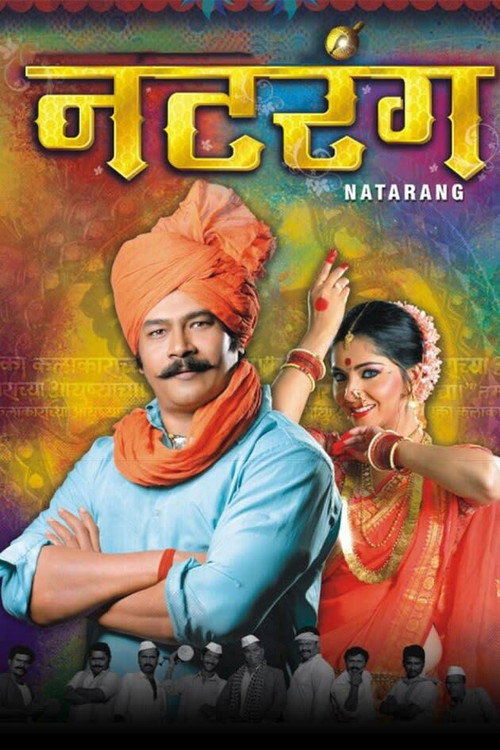
Natrang2010
An indie Marathi film about performance, mortality, and the distance between art and life. Like Dor, it's interested in how ordinary people contain universes of contradiction and dignity.
But It's regionally specific and slow-paced—if you're not attentive to its rhythms, it can feel like watching paint dry.
The Ascent1977
Both see suffering as something that strips away illusion and forces a confrontation with what you actually believe.
Andrei Tarkovsky's philosophical masterpiece about two Soviet partisans during WWII facing impossible moral choices. It's elliptical where Dor is direct, but it shares the same metaphysical weight about suffering and grace.
But Tarkovsky is famously demanding—long takes, minimal dialogue, no plot momentum. It's meditation, not narrative, and it moves at geological time.

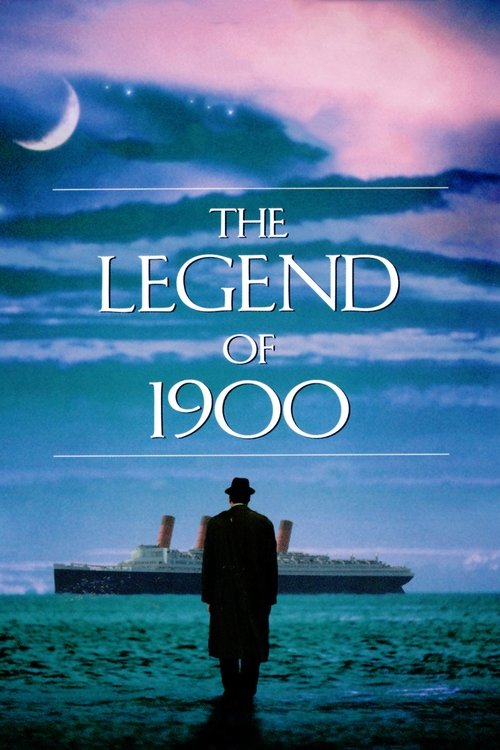
The Legend of 19001998
Both argue that some bonds are stronger than freedom, and that choosing to stay can be an act of love rather than weakness.
Giuseppe Tornatore's magical-realist fable about a man born on a ship, unable to leave it. Like Dor, it uses impossible constraint as a way to explore human connection and the choice to stay or flee.
But It's ornate, occasionally precious, and its romanticism about suffering may feel like evasion rather than confrontation.
People
Cast
 Ayesha TakiaMeera
 Shreyas TalpadeBehroopiya
 Gul PanagZeenat Fatima
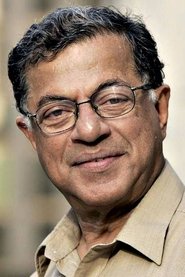 Girish KarnadRandhir Singh
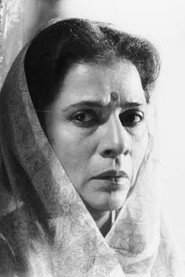
 Prateeksha LonkarGowri Singh
Directing
- Nagesh KukunoorDirector
Writing
- Nagesh KukunoorScreenplay
- Mir Ali HusainStory
- Nagesh KukunoorStory