
Film
Naseem
A fifteen-year-old girl in 1992 Mumbai witnesses the fracturing of the communal peace her grandfather treasured as she grows up amid rising religious tensions. *Naseem* is a quiet, devastating portrait of innocence meeting historical violence—how a young person's awakening to the world's cruelty mirrors a nation's. For anyone moved by coming-of-age stories rooted in real rupture.
Should you watch it?
Watch it if you want a quiet, humane drama about how history seeps into a teenager's ordinary life, where a grandfather's memories of shared Hindu-Muslim neighbourliness set against the anger outside feel like the real subject.
Skip it if you need plot momentum or a clear through-line; this is an 85-minute film that stays close to a single household and lets its tensions build slowly rather than arriving with force.
What it asks of you: Your attention for a short, unhurried stretch, mostly in intimate domestic rooms, with the wider communal turmoil reaching you through conversation and mood rather than spectacle.
Not sure? Find tonight's pick in a minute.
If you liked this
Dark Water2005
Deepa Mehta's masterpiece about widows in pre-independence India, equally concerned with how personal lives shatter against the weight of religious tradition and historical moment. Visually stunning and morally uncompromising.
But The sadness is total and unflinching. There are no redemptive arcs, only the quiet dignity of people enduring impossible circumstances.

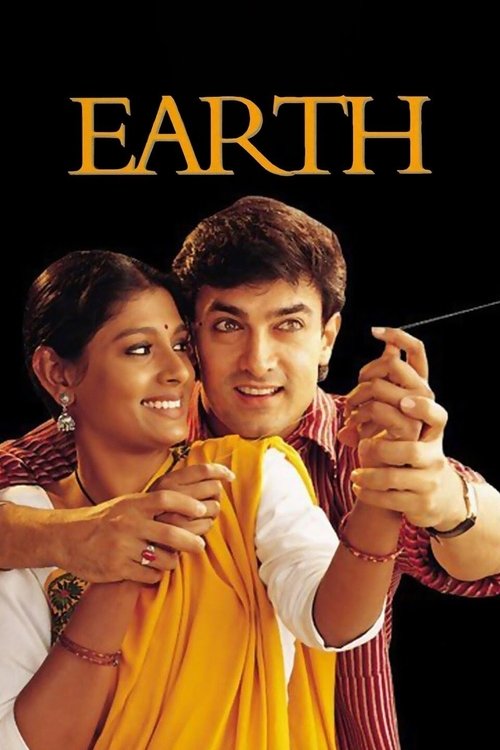
Earth1998
Deepa Mehta's companion to *Water*, following partition through the eyes of a young girl in Lahore. It captures the same collision of childish wonder and historical trauma, the same sense of a world splitting apart around you.
But The ending is brutally violent. If you're watching for comfort, this isn't it. It earns that violence, but it doesn't soften it.
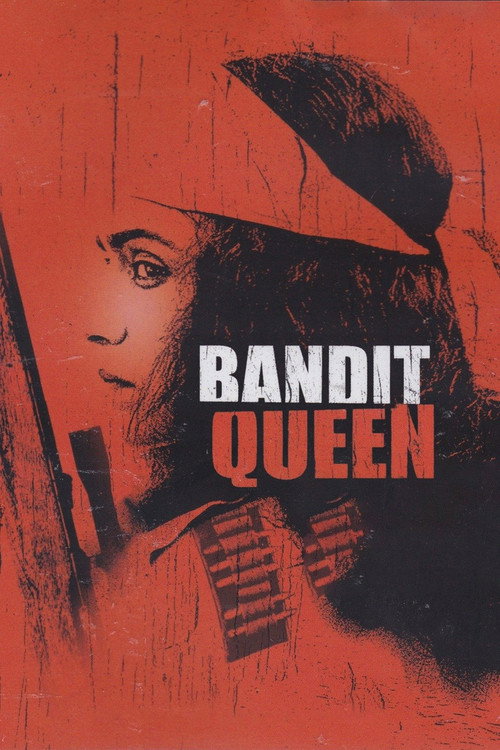
Bandit Queen1994
Shekhar Kapur's unflinching biography of Phoolan Devi, a woman destroyed and defined by caste and gender violence in rural India. Relentless in its refusal to look away or to simplify its subject into a hero.
But The assault sequences are graphic and difficult. The film doesn't exploit them, but it doesn't shield you from them either. Demanding viewing.
Not sure tonight? Get a pick in a minute, starting from Naseem
The wildcard
Something you would not have found on your own.
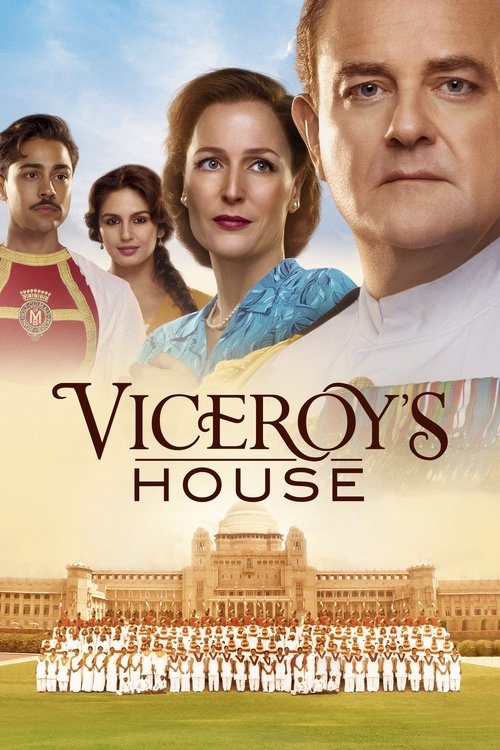
Viceroy's House2017
Both are about a young person's collision with historical rupture, but this shows you the rupture itself—the actual violence, displacement, and chaos that the film observes through one girl's confusion.
A short documentary series that uses archive footage, photographs, and testimony to map the actual geography of partition across India and Pakistan. It contextualizes what *Naseem* only hints at: the machinery of communal violence.
But It's non-fiction, and unflinching in its use of historical violence. If you wanted the film to remain metaphorical, this makes it very concrete and very real.
More like this (8)
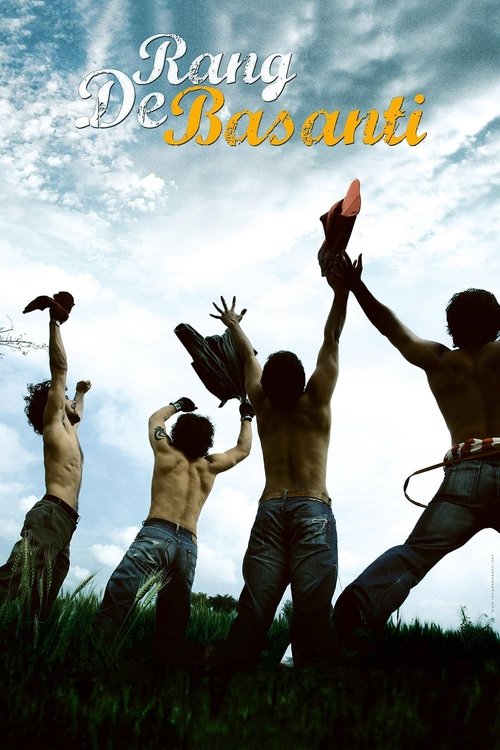
Rang De Basanti2006
A group of young people radicalized by patriotic idealism into direct action. It captures the fever-dream energy of youth politicization and asks hard questions about what happens when conviction meets consequence.
But It's glossier and more hopeful than *Naseem*, which some will find earned and some will find naive. The tonal shift might feel jarring if you came for restraint.
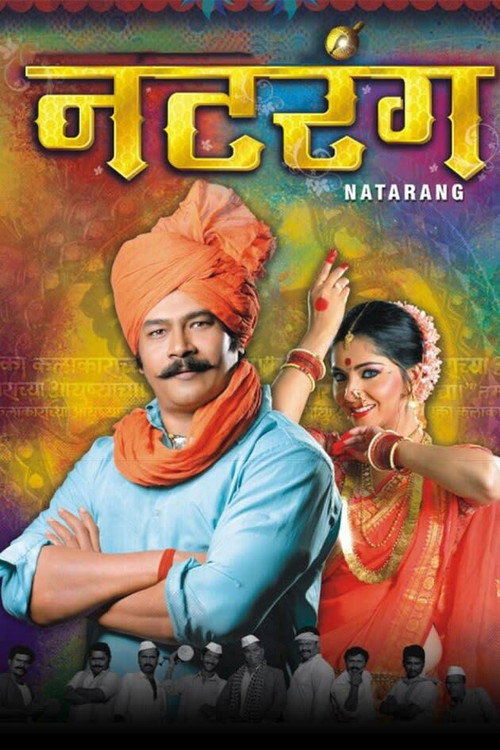
Natrang2010
A Marathi film about an aging man who discovers classical theater and transforms his life through it. A meditation on tradition, performance, and the hunger to transcend your circumstances through art.
But It's deeply specific to Marathi cultural knowledge. Without that context, some of the emotional weight won't land. It also moves slowly, deliberately.
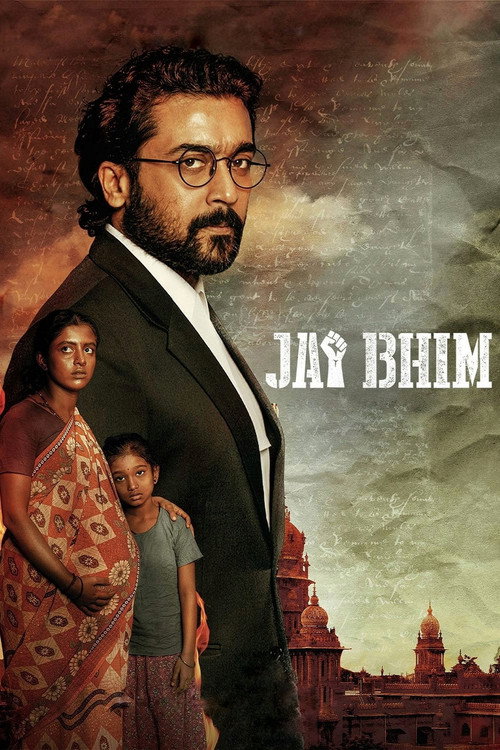
Jai Bhim2021
A Tamil film about a woman whose husband is tortured by police; it's a legal drama, a social document, and a portrait of perseverance against systemic cruelty. Angry and necessary cinema.
But It's long and methodical, more courtroom procedural than narrative thriller. The injustice accumulates slowly, which is realistic but can feel grinding.
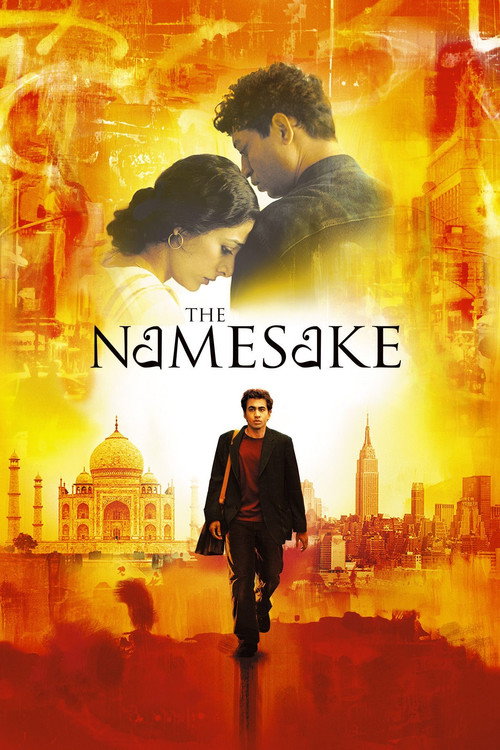
The Namesake2006
Mira Nair's film about identity, migration, and the gap between generations. A son struggles against his parents' world; a quiet exploration of how we inherit and resist the past.
But The story is quite intimate and domestic. If you're looking for external drama, this turns inward. Some will find it moving; others will find it slight.
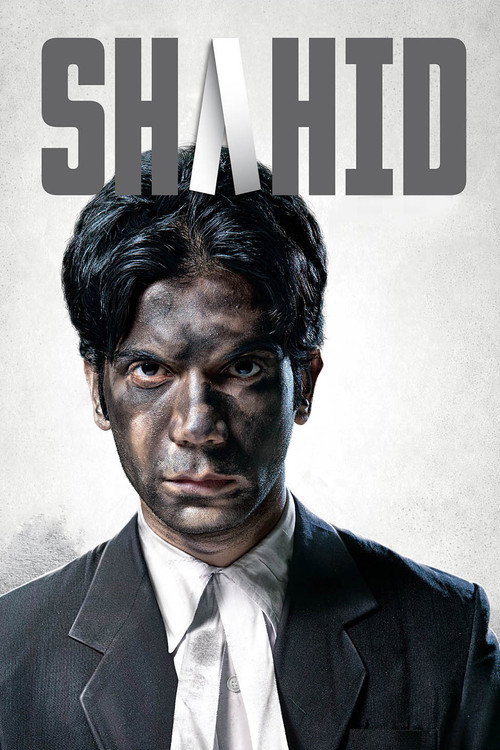
Shahid2013
A biopic of a human rights lawyer killed by police. Hansal Mehta's film is angry and precise, showing how one person's conscience becomes intolerable to power.
But The politics are explicit and uncompromising. If you prefer ambiguity, you won't find it here. It's also quite grim.
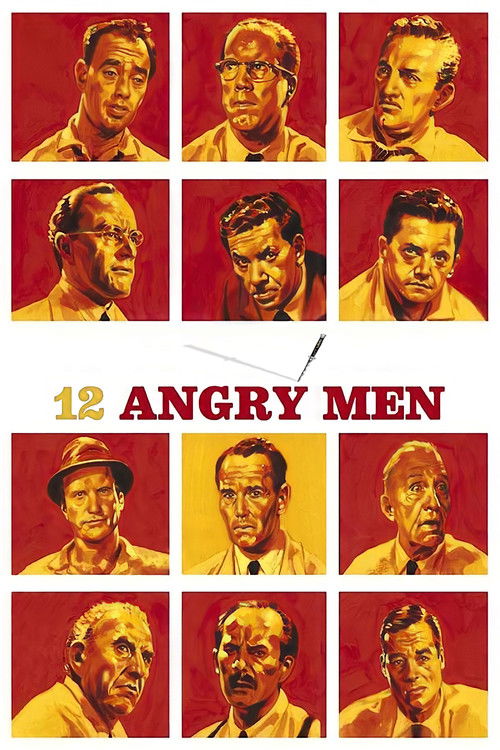
12 Angry Men1957
An Indian courtroom drama about communal violence and prejudice, following a jury deliberating a case rooted in religious hatred. It's *12 Angry Men* remade as a conversation about India's wounds.
But It can feel didactic, each character a position rather than fully realized. The morality is stated rather than dramatized, which some will find preachy.
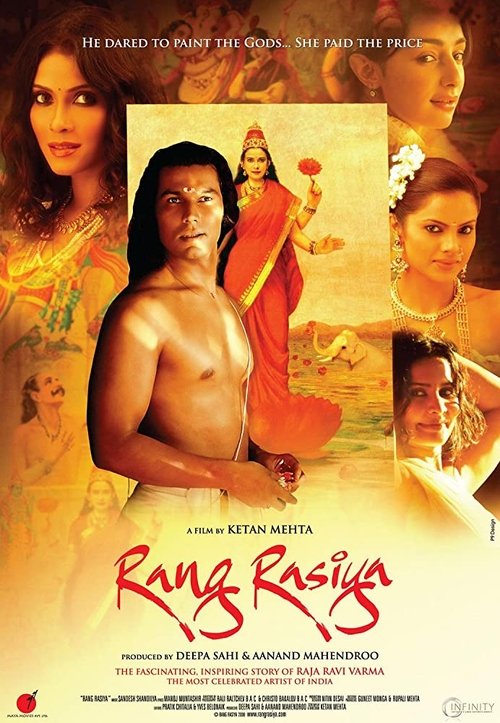
Rang Rasiya2014
Like *Naseem*, it watches a young person shaped by larger historical and social forces, but it reaches back into the colonial past rather than the recent present. Both are about inheritance—what we're handed, what we resist, what we can't escape.
A Marathi biographical film about a 19th-century painter navigating caste and tradition. It's a period piece obsessed with how art becomes a language for resistance and transcendence within oppressive structures.
But It's in Marathi and quite formally challenging. The pacing is unhurried; it asks a lot of patience and cultural knowledge. The film is visually sumptuous but that's not everyone's entry point.
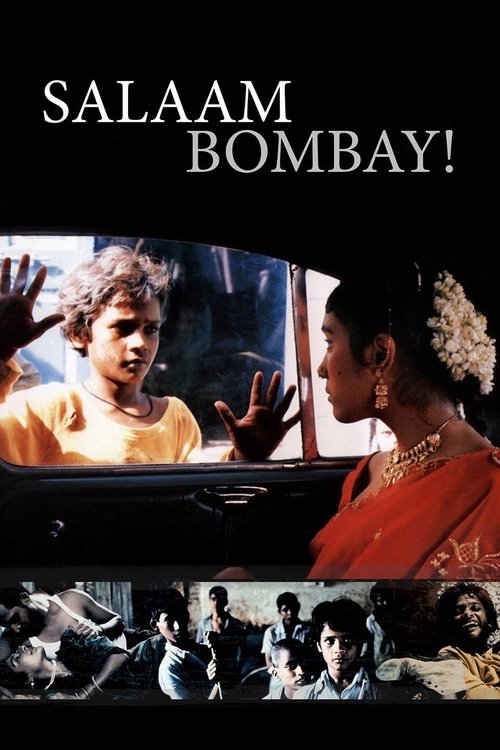
Salaam Bombay!1988
Both films use Mumbai and childhood as their lens, but *Salaam Bombay!* shows the city's brutal infrastructure of abandonment while *Naseem* shows its social and religious fracturing. Together they map different ways the city breaks its young.
Mira Nair's debut about street children in Mumbai, shot with non-professional actors and unsparing in its detail. A portrait of childhood as precarity and resilience, of the city as both possibility and trap.
But It's raw and sometimes exploitative in its unflinching gaze at child poverty. The narrative is episodic and sometimes feels like documentation rather than story. Difficult watching in a different register than *Naseem*.
People
Cast
 Mayuri KangoNaseem
- Kaifi AzmiNaseem's Grandfather
- Salim ShahMushtaq
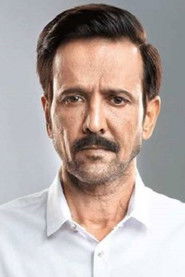 Kay Kay MenonReligious Fundamentalist
- Seema KelkarNaseem's Grandmother
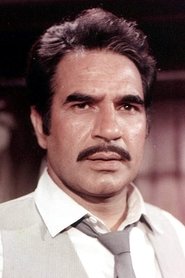 Kulbhushan KharbandaNaseem's Father
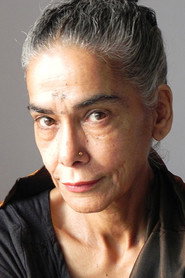 Surekha SikriNaseem's Mother
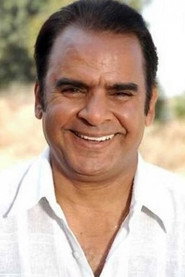
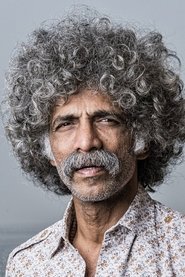 Makrand DeshpandeFlag Waver
Directing
- Anjum AliAssistant Director
- Rajesh KanojeAssistant Director
- Shalini ShahAssistant Director
- Saeed Akhtar MirzaDirector
- Meghna GulzarFirst Assistant Director
Writing
- Ashok MishraDialogue
- Ashok MishraScreenplay
- Saeed Akhtar MirzaScreenplay
Production
- Ravi MalikExecutive Producer
- Gulu BulchandaniProduction Manager
- Jennifer MirzaScript Researcher