
Film
Earth
Other titles called Earth: the 1930 film, the 2007 film.
- Period drama
- Very dark
Deepa Mehta's *Earth* is a lyrical, intimate portrait of Partition's human cost. A child's perspective frames a love triangle amid communal violence in 1947 Lahore. It's visually gorgeous, emotionally precise, and unflinching about religious hatred's everyday cruelty. For anyone who wants history filtered through feeling rather than spectacle.
If you liked this
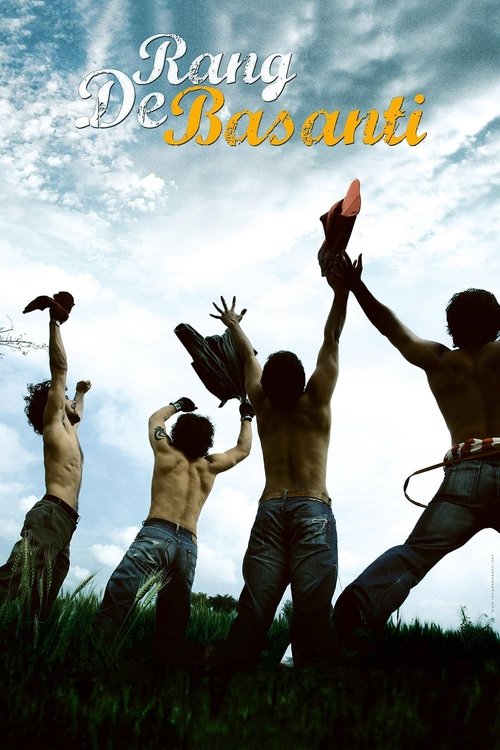
Rang De Basanti2006
A passionate ensemble drama about idealism, friendship, and political awakening in contemporary India. Shares *Earth*'s conviction that personal stakes matter as much as historical ones, and Aamir Khan's presence anchors both.
But The tone swings between rowdy comedy and serious activism in ways that don't always cohere. Some will find the tonal shifts jarring.
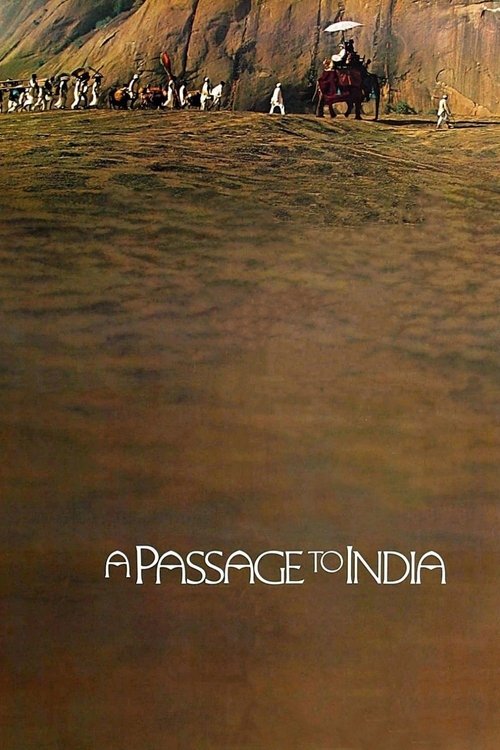
A Passage to India1984
Lean's epic about the British Raj and cross-cultural collision, with the psychological depth *Earth* brings to a different historical wound. Both ask what love and friendship survive politics.
But Three and a half hours, and the perspective is ultimately English. Some viewers find its scope and pacing exhausting.
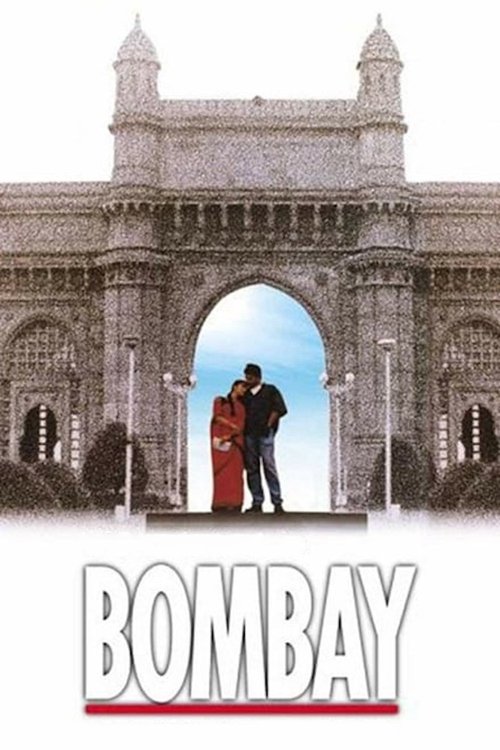
Bombay1995
Mani Ratnam's film about an interfaith couple navigating communal riots in 1990s Bombay. A love story as an act of resistance, structurally akin to *Earth*'s doomed romance.
But The romanticism can feel at odds with the violence surrounding it. Ratnam doesn't always resolve the tension between spectacle and seriousness.
Not sure tonight? Get a pick in a minute, starting from Earth
The wildcard
Something you would not have found on your own.
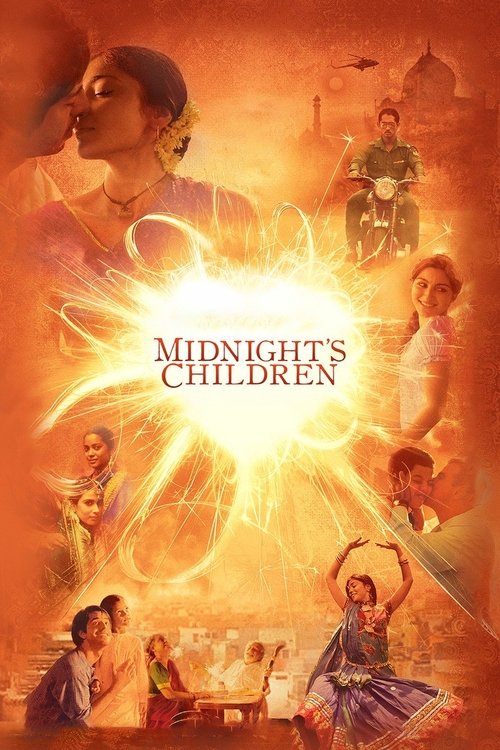
Midnight's Children2012
Mehta's companion work to *Earth*: if *Earth* is lyrical realism, *Midnight's Children* is the expressionist fever dream of the same historical rupture.
Deepa Mehta directs Salman Rushdie's novel about children born at Partition's midnight, their fates entangled with India's birth. Same director, same obsession with Partition filtered through intimate life. Structurally bolder—fractured, magical-realist, post-modern.
But Adapting Rushdie means layers of metaphor and narrative fragmentation. It's demanding and can feel overstuffed. Some find it alienating rather than moving.
More like this (5)
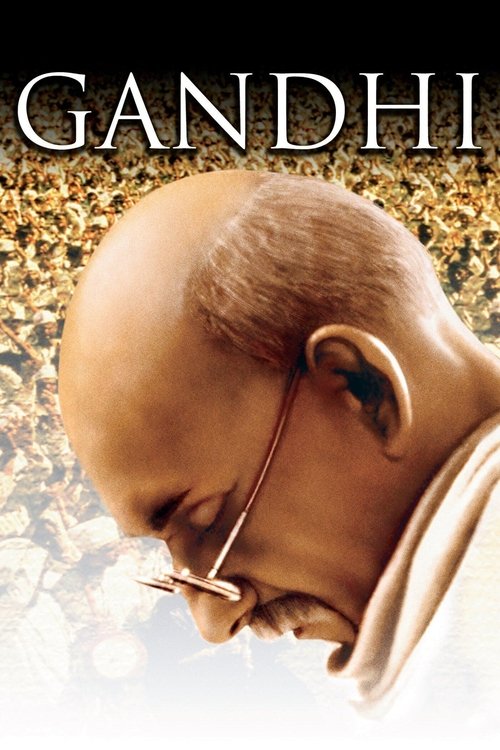
Gandhi1982
Attenborough's sweeping biography of India's independence struggle. Essential context for what *Earth* shows you in miniature. Aamir Khan isn't in it, but it explains the historical architecture.
But Nearly four hours, and reverential to the point of flattening complexity. The scale can dwarf the intimate moments you're looking for.
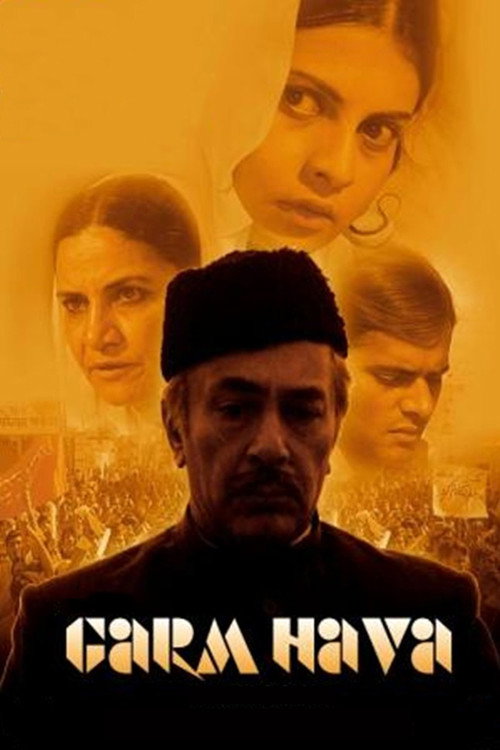
Garm Hava1973
M.S. Sathyu's masterpiece about a Muslim family choosing whether to stay in India after Partition. Quieter than *Earth*, but equally devastating about loss and belonging.
But Slow-moving and contemplative to the point of austerity. If you want plot momentum, this isn't it.
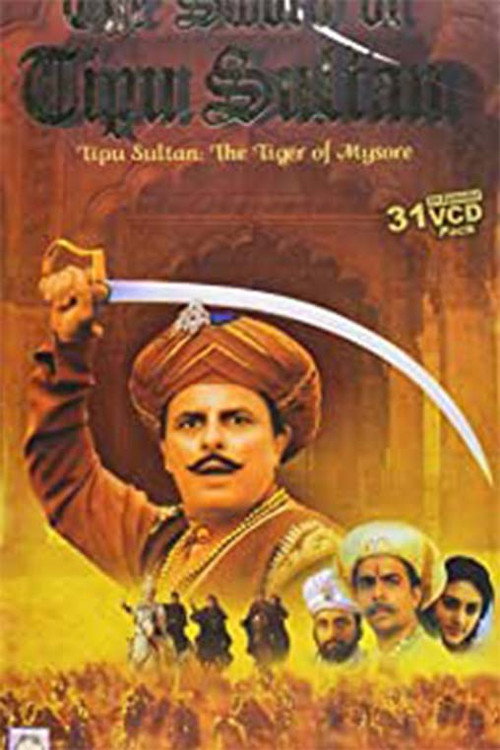
The Sword of Tipu Sultan
A TV serial that dramatizes 18th-century Indian resistance to British conquest. Different era, but the same Indian cinema language you hear in *Earth*, applied to pre-colonial conflict.
But Television production values from 1990 show their age visibly. The pacing is decidedly unhurried.
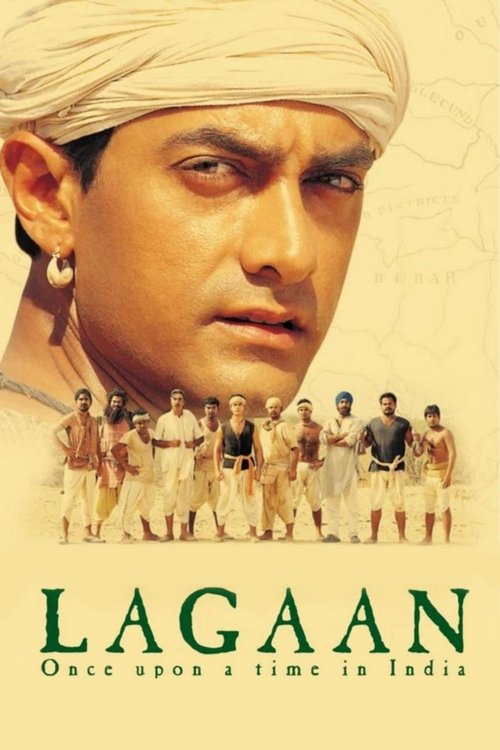
Lagaan: Once Upon a Time in India2001
Aamir Khan again, in a period drama about rural resistance to British taxation. Like *Earth*, it insists that small acts of defiance matter in the face of imperial machinery.
But Nearly four hours and includes a cricket match. The scope and genre expectations can feel bloated if you prefer chamber pieces.
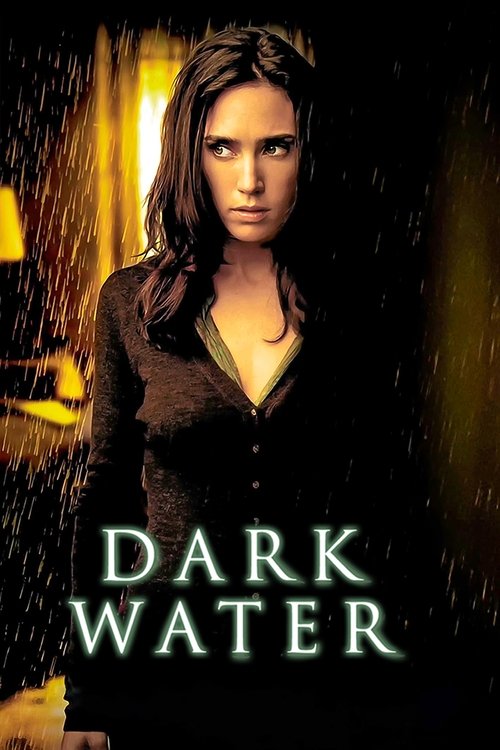
Dark Water2005
Mehta's thematic predecessor: *Water* shows the patriarchal violence that Partition will displace and transform. They're two parts of one vision about how India's structures crush individuals.
Also by Deepa Mehta, set in 1938 among widows in Varanasi. An earlier era of India, but the same anatomy of oppression and forbidden desire. Mehta's most direct statement about women trapped in systems they didn't make.
But The oppression is unrelenting and the tragedy thorough. No redemption or silver lining. Some viewers find bleakness without structure punishing rather than cathartic.
People
Cast
 Aamir KhanDil Navaz
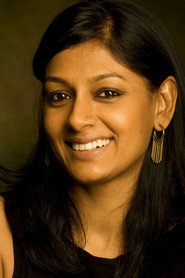 Nandita DasShanta
 Rahul KhannaHassan
- Maia SethnaLenny Sethna
 Kitu GidwaniBunty Sethna
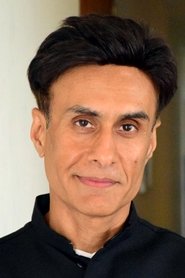 Arif ZakariaRustom Sethna
 Eric PetersonMr. Rogers
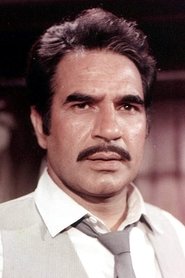 Kulbhushan KharbandaImam Din
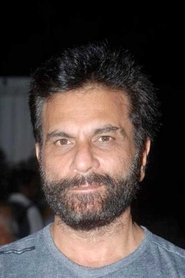 Pavan MalhotraButcher
- Sunil MehraToto Ramji
- Navtej Singh JoharSher Singh
Directing
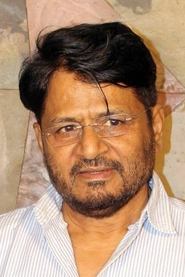
- Deepa MehtaDirector
Writing
- Bapsi SidhwaNovel
- Deepa MehtaScreenplay
Production
- David HamiltonExecutive Producer
- Jhamu SughandExecutive Producer
- Anne MassonProducer
- Deepa MehtaProducer
Recommended by
Begum Jaan, Garm Hava, Mammo, Jinnah, Naseem, Tamas, Mr. and Mrs. Iyer