
Film
Mammo
Mammo is a quietly devastating portrait of partition's aftershocks, told through the arrival of an elderly woman into her sister's household decades later. Shot with documentary precision, it's a film about displacement, belonging, and the impossible distances that history creates between people who love each other. Mani Kaul's masterpiece demands patience but rewards it completely.
If you liked this
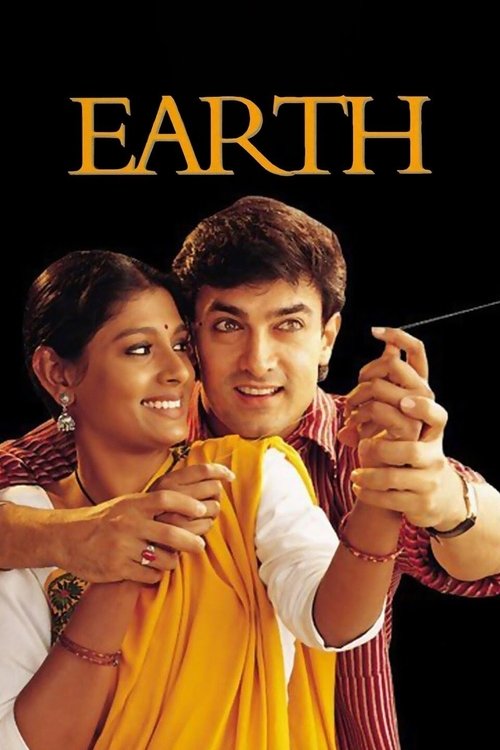
Earth1998
Deepa Mehta's companion piece to partition trauma, following three families in Lahore as the subcontinent tears itself apart. Like Mammo, it finds the intimate human cost within historical upheaval, with visual poetry that cuts like glass.
But The pacing is glacial and the climax is devastating in ways that linger painfully. Not a film that releases you easily.
Ghayal1990
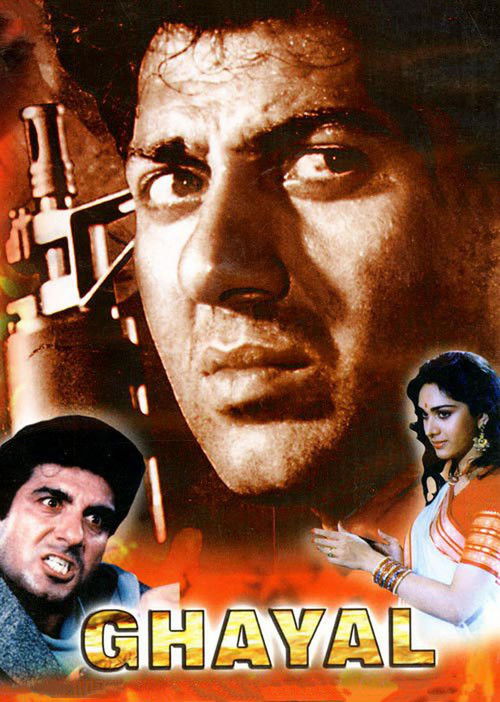
A different kind of Hindi cinema from the same era—raw, angry, made with real conviction. Sunny Deol's performance has the same intensity as Mammo's quiet rage, proof that 90s Indian cinema was capable of genuine artistic ambition.
But It's a revenge thriller, so the DNA is completely different. If you want something that mirrors Mammo's tone exactly, this isn't it.
Chandni Bar2001
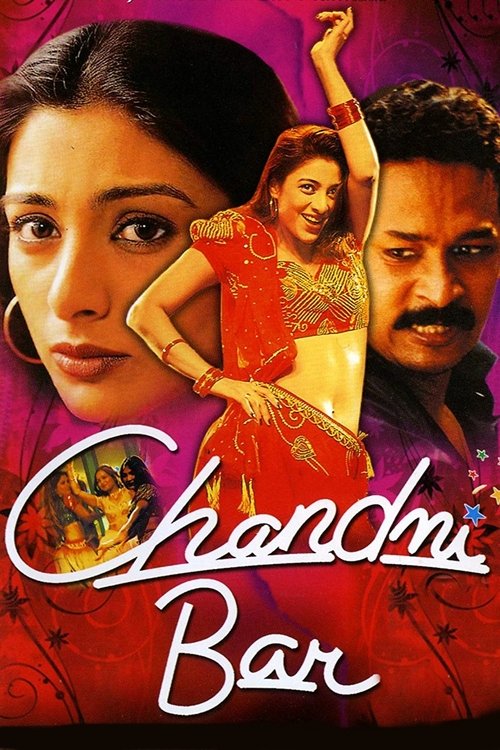
Madhur Bhandarkar captures urban alienation with the same unflinching eye that Kaul brings to partition's aftermath. It's about displacement of a different kind, but the camera never looks away.
But The subject matter is deliberately ugly and exploitative. It's a film designed to make you uncomfortable, which isn't the same as making you think.
Not sure tonight? Get a pick in a minute, starting from Mammo
The wildcard
Something you would not have found on your own.
The Ballad of Little Jo1993
Both films explore what it costs to live as an outsider in a society that cannot accommodate you—not as melodrama, but as the ordinary weight of daily existence.
Maggie Greenwald's historical film about a woman forced to hide her identity to survive in the American West. Like Mammo, it's about living in permanent exile from your own self, where belonging is impossible and reinvention is the only survival strategy.
But It's a Western and a period piece, so the surface is completely different. It also moves with more conventional narrative momentum than Mammo allows itself.

More like this (5)
The Music Room1958
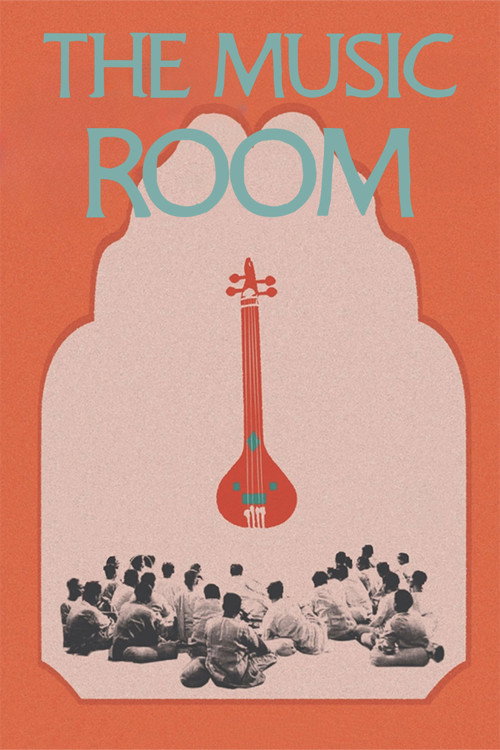
Satyajit Ray's film about a zamindar's decline in post-independence India shares Mammo's DNA—elegiac, precise, about people trying to live in a world that no longer knows them. A masterpiece that understands partition's shadow.
But Ray's pace is even slower than Kaul's, and the black-and-white cinematography requires real attention. It's a film from 1958 about a dying way of life, which means it's melancholy from frame one.
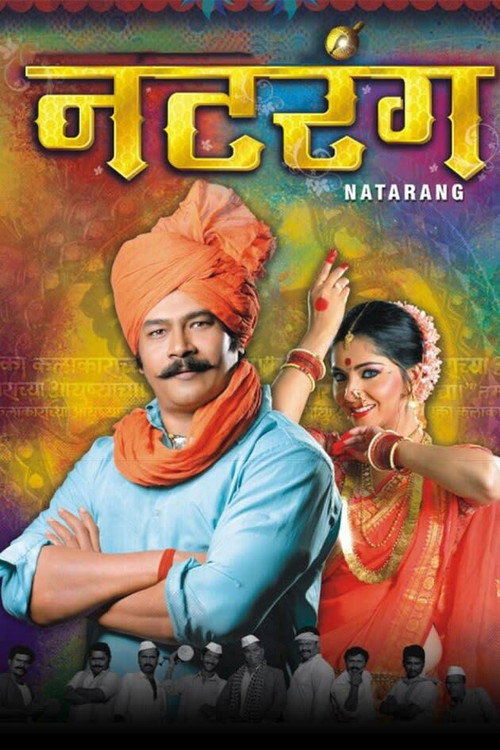
Natrang2010
Ravi Jadhav's Marathi film about a man caught between tradition and modernity carries the same bittersweet wisdom about displacement and identity. It's funny and heartbreaking in equal measure.
But It's in Marathi with subtitles, and its humor is deeply regional. If you come looking for Mammo's tone, the comedy might feel like tonal whiplash.
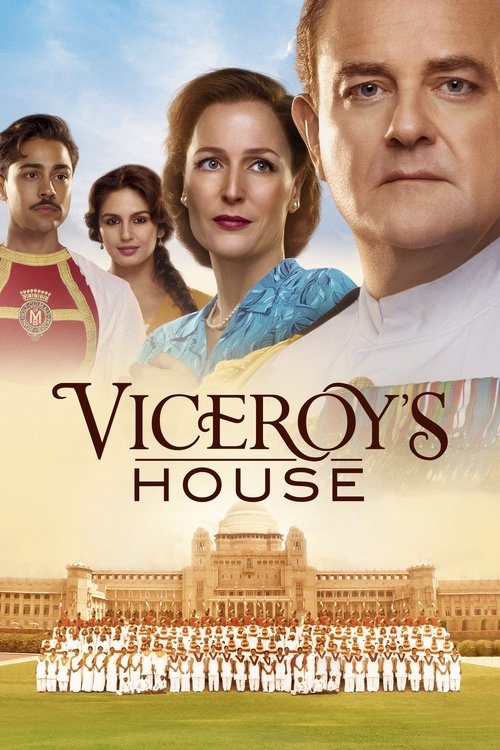
Viceroy's House2017
A documentary miniseries that provides historical context for the trauma that echoes through Mammo. The archive footage and survivor testimonies deepen your understanding of what the film is really about.
But It's direct and informational where Mammo is oblique and artistic. Watching this after the film might explain things you didn't want explained.
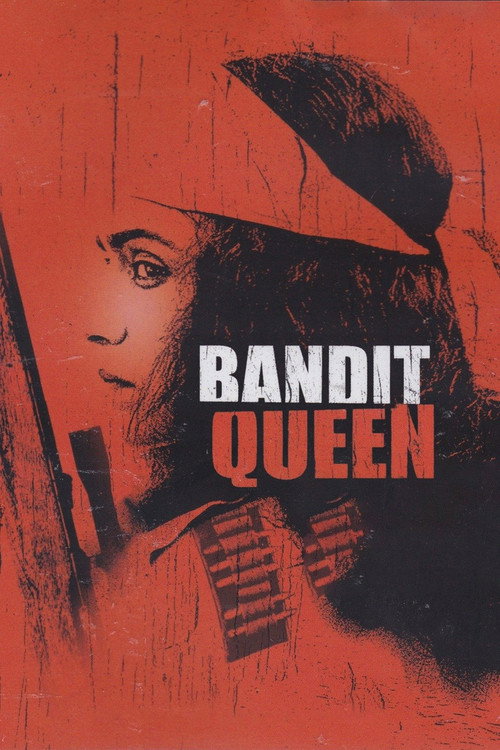
Bandit Queen1994
Shekhar Kapur's film shares Mammo's release year and its uncompromising commitment to showing difficult truths about Indian society without softening them. A raw, necessary film about survival and dignity.
But It contains graphic violence and sexual assault. The film earns these moments, but they're brutal and not historical abstractions.
The Ascent1977
Both films use austere formal strategies to express spiritual homelessness—the idea that some losses cannot be named, only endured through sustained visual and emotional attention.
Larisa Shepitko's final film, a Russian allegory about two characters moving through a frozen landscape toward an unknown destination. Like Mammo, it's a film about displacement, distance, and the question of what we carry with us when we can never go home.
But It's an overtly metaphysical work, shot in black-and-white, with an almost unbearable bleakness. It's a masterpiece but not a comfort.

People
Cast
 Farida JalalMammo
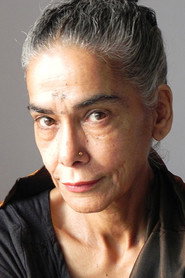 Surekha SikriFayyazi
- Amit PhalkeRiyaz
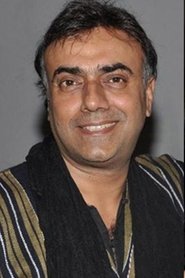 Rajit KapoorOlder Riyaz
 Himani ShivpuriAnwari
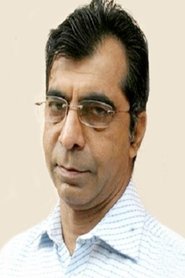 Shri Vallabh VyasSabir
- Ameya BalsekarRohan
- Soumya DhanFaroukh
 Kishore KadamAgent Raju
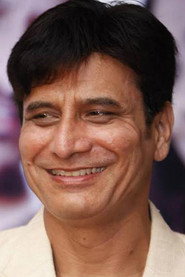 Sandeep KulkarniInspector Apte
- Siraj AhmedC.I.D. Inspector
 Ganesh YadavConstable
Directing
- Shyam BenegalDirector
- Ravi KhemuFirst Assistant Director
Writing
- Javed SiddiquiDialogue
- GulzarLyricist
- Khalid MohammedWriter
Production
- Raj PiusExecutive Producer