
Film
The Music Room
Satyajit Ray's 1958 masterpiece follows a declining aristocrat whose obsession with music and rivalry drives him toward ruin. A chamber drama of exquisite restraint, it transforms a simple story of vanity into a meditation on beauty, loss, and the price of pride. Essential cinema for anyone moved by dignified collapse.
Should you watch it?
Watch it if you love films where a single obsession quietly exposes a man's character, and where music, candlelight and decaying grandeur carry more of the story than dialogue does.
Skip it if you want brisk plotting or varied locations; its pace is deliberate and it stays mostly within one mansion, so the stillness can feel like waiting.
What it asks of you: Running a trim hundred minutes, it moves at a measured pace, lingering over long musical performances and quiet looks, and it rewards patience.
Not sure? Find tonight's pick in a minute.
If you liked this
Ikiru1952
Kurosawa's portrait of a dying bureaucrat finding meaning through small acts mirrors Ray's exploration of legacy and mortality. Both films transform quiet, internal struggles into profound statements about what makes a life matter.
But It's slow and contemplative, built on long silences and gradual emotional accumulation rather than dramatic incident. Patience is non-negotiable.

The Third Man1949
Another film about a man undone by fixation and pride, set against a collapsing social order. Carol Reed's visual brilliance and moral ambiguity echo Ray's refusal to judge his protagonist outright.
But The Vienna setting and espionage plot feel remote from Ray's intimate Bengal chamber piece. The tone is harder, less poetic.

Pather Panchali1955
Ray's own debut, equally miraculous in its simplicity. If The Music Room moved you, this is where his visual and emotional language began—a family in decline told with heartbreaking tenderness.
But Watching the whole Ray trilogy feels like homework, and starting with his first film after his third reverses the pleasure of discovery.

Not sure tonight? Get a pick in a minute, starting from The Music Room
The wildcard
Something you would not have found on your own.
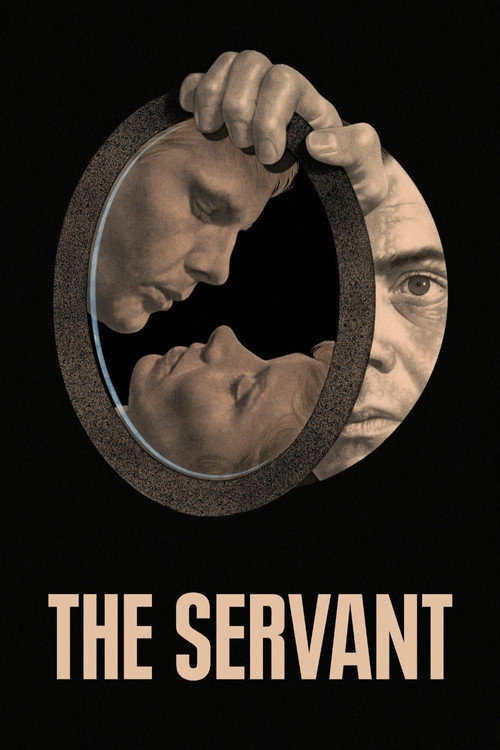
The Servant1963
Both films are locked-room dramas about a man's possessions and status becoming his prison, watching him slowly realise he's been outwitted by someone beneath him.
Joseph Losey's psychological chamber drama reverses the power dynamics but keeps the decay intact: a wealthy Londoner destroyed by someone he hires, his pride weaponised against himself. Same claustrophobia, same rot from within.
But It's explicitly erotic and sordid in ways The Music Room refuses to be. The atmosphere is sinister rather than melancholic. Sexual and class anxieties are much closer to the surface.
More like this (8)
The Killing1956
Kubrick's narrative fragmentation mirrors the fractured psychology of a man watching his world splinter. Both films use formal precision to convey inner dissolution, though Kubrick favours suspense over silence.
But It's brisk and modern, almost the opposite temperature from Ray's unhurried, drowsy world. The crime plot feels cheap by comparison.

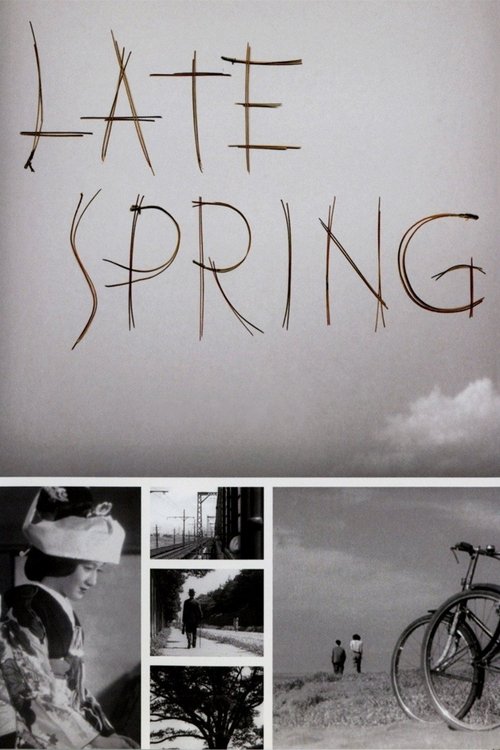
Late Spring1949
Ozu's portrait of an aging widower and his daughter contains the same quiet catastrophe Ray finds in decline—beauty in the ordinary, devastation in what's left unsaid. Their sensibilities are twin planets.
But Japanese domestic life in the 1940s may feel even further from your own experience than Ray's feudal Bengal. Both demand surrender to their rhythms.
Bicycle Thieves1948
De Sica's neorealist masterpiece also shows a man's dignity unravelling through circumstance and choice, though poverty rather than pride is the engine. Same moral clarity, opposite economic world.
But The Italian streets are noisier and more urgent than Ray's hushed drawing rooms. The emotional texture is grittier, less meditative.

The Ascent1977
Tarkovsky's two priests climbing a mountain in occupied Russia offers the same spiritual economy as Ray's music room—a quest for transcendence amid historical decay, beauty as the last resistance.
But Nearly three hours of monastic slowness, in black and white, in Russian. Even Ray moves faster. This requires genuine hunger for cinema as philosophy.

A Separation2011
Asghar Farhadi's contemporary drama shares Ray's gift for showing how individual pride and desire fracture entire families and social bonds. Modern, Persian, utterly gripping, but with Ray's moral refusal to offer easy judgement.
But It's domestic crisis, not aristocratic decline, and feels urgent rather than elegiac. The class dynamics are entirely different.

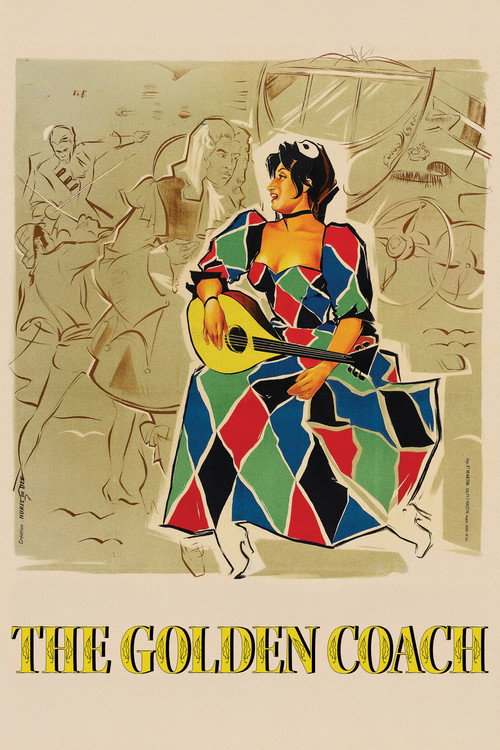
The Golden Coach1952
Renoir's eighteenth-century Peru contains similar themes of theatre, vanity, and the collision between art and life. A lesser Renoir, but the tonal kinship—playful formality masking genuine melancholy—will resonate.
But It's visually ornate where Ray is restrained, sometimes verges on costume drama pastiche. The emotional stakes feel lighter.
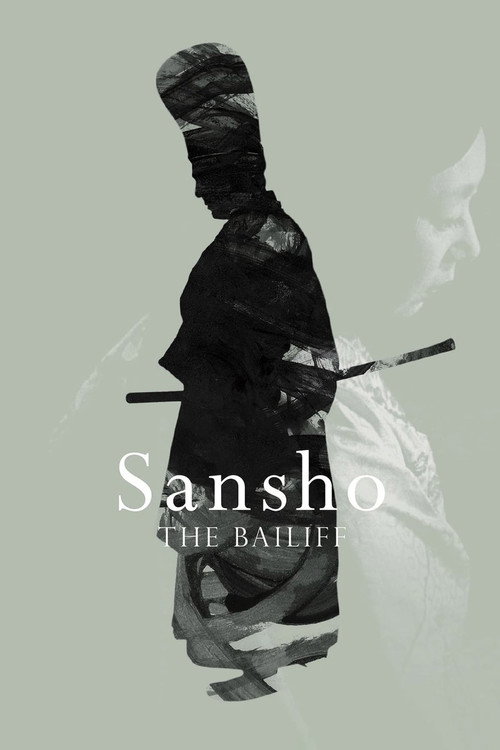
Sansho the Bailiff1954
Both are period dramas about hierarchical societies collapsing through the choices of one man, using music and ritual to suggest what's being lost. Mizoguchi goes darker.
Mizoguchi's Japanese feudal tragedy shows dignity destroyed by systemic cruelty rather than personal vanity, but achieves something Ray never quite reaches: the sublime merged with outright devastation. A masterpiece that will shatter you.
But It's visually austere and deals directly with slavery and child abuse. The grief is operatic and unrelenting. Ray's film is elegiac; this one is tragic in the classical sense.
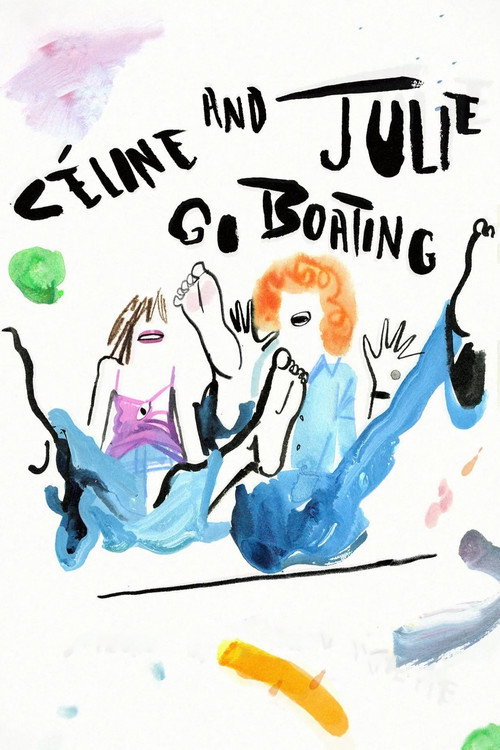
Céline and Julie Go Boating1974
Both films centre an ornate interior space as a character in itself, and show a protagonist obsessed with a performance (music, or the mysterious drama next door) that will destroy them. One is realist, one is surrealist—same architecture of desire.
Rivette's three-hour fantasia seems miles from Ray's realism until you notice they're the same film: a haunted room, a doomed narrative loop, beauty as the only transcendence available. Utterly strange, absolutely worth the strange.
But It's a Paris New Wave game, deliberately artificial and playful where Ray is naturalistic. The plot dissolves into dreamlogic. Some will experience this as whimsy rather than profundity.
People
Cast
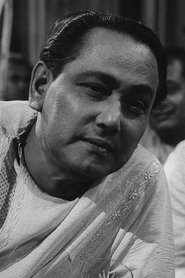 Chhabi BiswasBiswambhar Roy
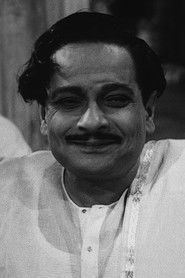 Gangapada BasuMahim Ganguli
- Kali SarkarAnantha
 Tulsi LahiriPrashanna
 PadmadeviMahamaya Roy
 Pinaki SenguptaKhoka Roy
 Begum AkhtarDurga Bai
- Waheed KhanUstad Ujir Khan
- Roshan KumariKrishna Bai
 Sardar AkhtarSinger
- Bismillah KhanMusician
- Dakshinamohan ThakurMusician
Directing
- Nityananda DattaAssistant Director
- Shailen DuttaAssistant Director
- Tapeshwar PrasadAssistant Director
- Satyajit RayDirector
Writing
- Tarasankar BandyopadhyayNovel
- Satyajit RayScreenplay
- Santi P. ChoudhuryWriter
Production
- Satyajit RayProducer
- Anil ChoudhuryProduction Manager
Recommended by
The Expedition, Kanchenjungha, Mere Huzoor, Mammo, Mere Mehboob, Aar Paar