
Film
Mere Mehboob
A sweeping 1963 Bollywood romance about a poor student who falls for a nobleman's sister, then finds himself entangled with a courtesan as debts and class pressures threaten to tear everyone apart. It's melodrama at full volume—passionate, morally complex, gorgeously shot—made for those who believe love should feel like everything is at stake.
If you liked this
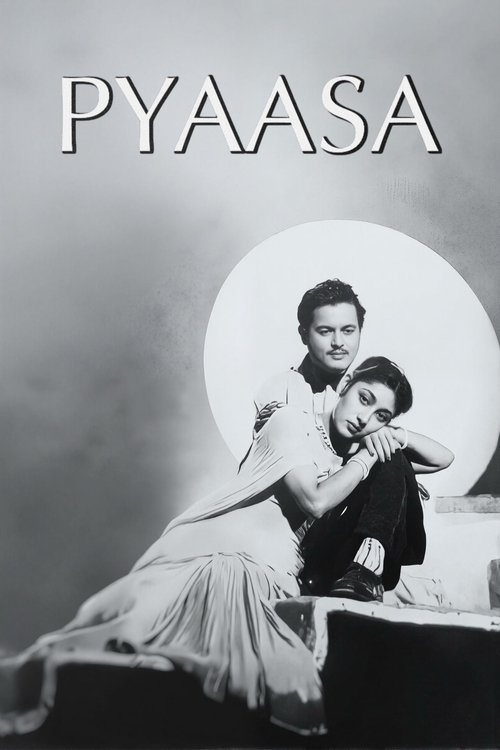
Pyaasa1957
Guru Dutt's masterpiece about a poor poet destroyed by circumstance and betrayal. Like Mere Mehboob, it asks whether love can survive poverty and social cruelty. Dutt's direction is heartbreaking and visually stunning.
But It's more austere and fatalistic than Mere Mehboob, with less music and more despair. If you want romance to win, this will hurt.
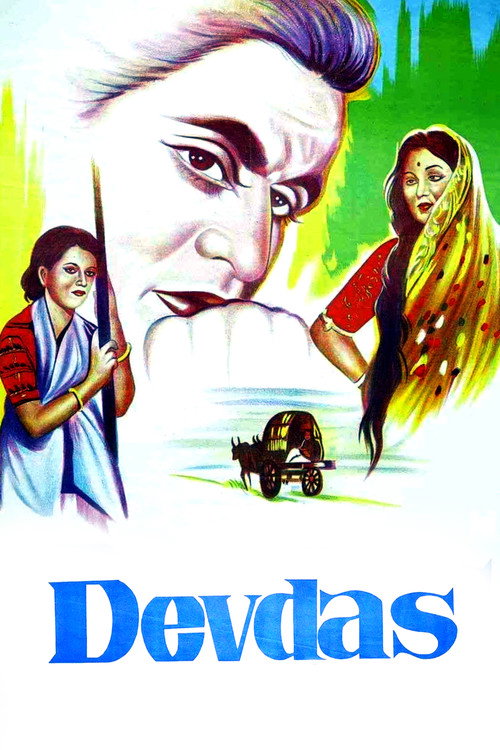
Devdas1955
Bimal Roy's adaptation captures the same tragic collision of love, class, and duty. A man torn between a courtesan and a respectable woman he can't have. The emotional stakes and period detail rival Mere Mehboob's.
But The pacing is slow by modern standards. It's also deeply sad—resignation and heartbreak are the only outcomes on offer.
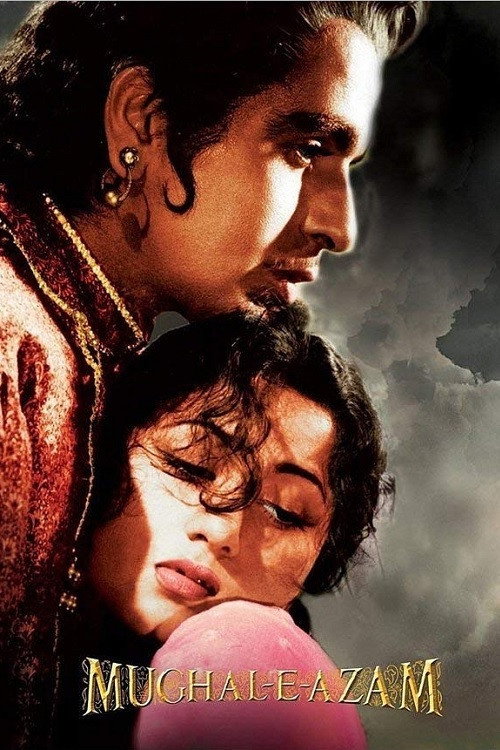
Mughal-e-Azam1960
Another Ashok Kumar film (he's the villain here) with similar Mughal-era grandeur, star-crossed lovers, and the collision between duty and desire. Visually sumptuous and emotionally generous in a way that matches Mere Mehboob's ambition.
But It's even longer at three hours, and the plot hinges on a prince's rebellion that might feel distant compared to the intimate class struggle of Mere Mehboob.
Not sure tonight? Get a pick in a minute, starting from Mere Mehboob
The wildcard
Something you would not have found on your own.
Pather Panchali1955
Both measure love against the weight of economic desperation. Mere Mehboob romanticizes it; Ray refuses to.
A documentary-like portrait of rural poverty and family bonds—the opposite register from Mere Mehboob's melodrama, but it asks the same questions about whether love can survive material deprivation. Ray's neo-realism makes the emotional devastation feel more real than any song.
But It's slow, plotless, and offers no redemption. You watch a family get poorer. If you want catharsis or beauty as escape, this is the opposite.

More like this (7)
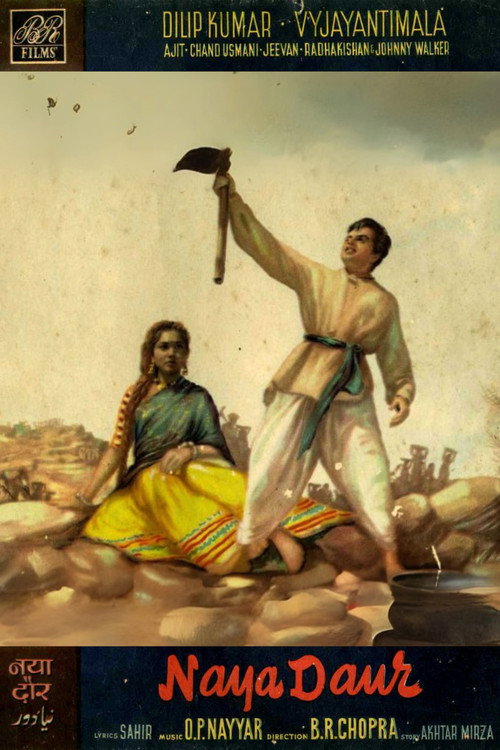
Naya Daur1957
A love story wrapped in a story about modernization and economic pressure. Like Mere Mehboob, it takes class conflict seriously and asks hard questions about who deserves whom. Raj Kapoor and Nargis are magnetic.
But The politics can feel didactic. It's less ornate than Mere Mehboob and more concerned with social messaging than pure romance.
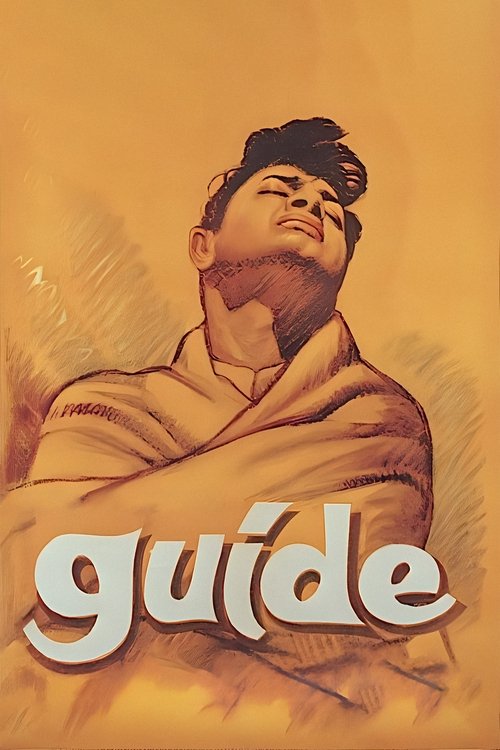
Guide1965
Vijay Anand's sophisticated drama about a man and woman whose love is destroyed by circumstance, deception, and society's judgment. It has Mere Mehboob's complexity—neither character is purely sympathetic.
But The tone shifts between romance, crime drama, and redemption. Some viewers find the tonal shifts jarring rather than enriching.
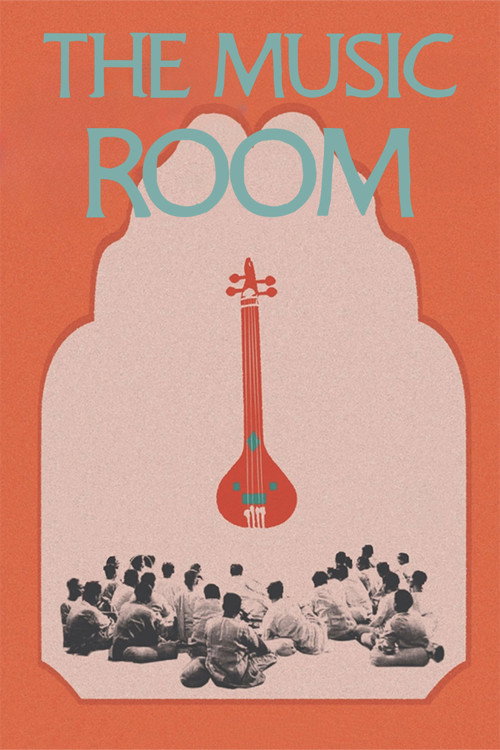
The Music Room1958
Satyajit Ray's portrait of a nobleman in decline, hosting music soirées while his world crumbles. It shares Mere Mehboob's interest in aristocratic ruin and has a similar tragic momentum, though it's Indian cinema's most formal work.
But There's no romance plot. It's a character study about vanity and loss, told with deliberate pacing. Not everyone will connect with Ray's aesthetic distance.
Seema1955
A forgotten gem about a woman caught between poverty and a wealthy suitor, with genuine uncertainty about which path is right. It has Mere Mehboob's willingness to complicate love with economics and morality.
But It lacks the visual grandeur or memorable music that made Mere Mehboob an event. It's more intimate and less sweeping.

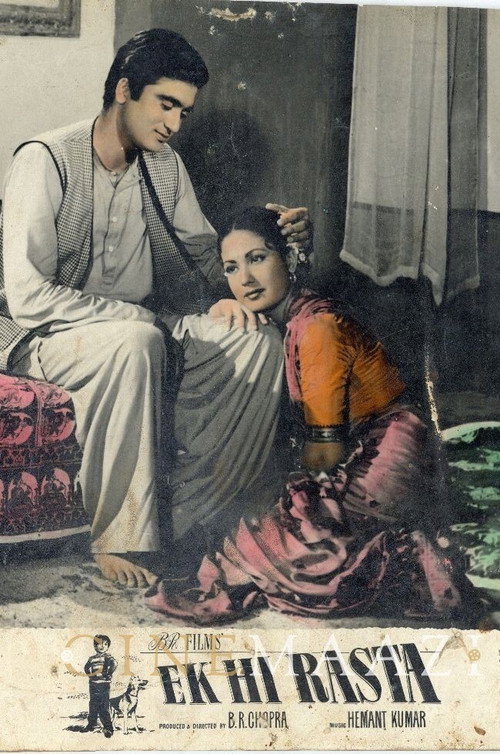
Ek-Hi-Rasta1956
A lesser-known drama about conflicting loyalties and romance under pressure. If you've exhausted the obvious Rajendra Kumar and Ashok Kumar vehicles, this captures some of the same emotional tenor without repetition.
But It's minor work. The script is thinner and it lacks the visual or musical distinction that elevates Mere Mehboob above competence.
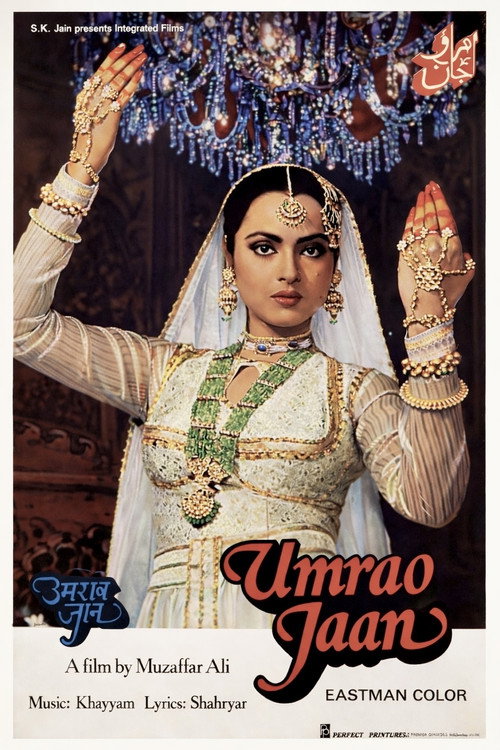
Umrao Jaan1981
Both center courtesans in a hierarchical society where love and economics are inseparable. Umrao Jaan asks us to mourn what Mere Mehboob barely acknowledges.
A courtesans-eye view of the same Lucknow world. Rekha's Umrao is the mirror to Najma—what happens when a courtesan loves a man who can't or won't marry her. It has Mere Mehboob's music and passion but inverts the perspective entirely.
But It's a different film's obsession. If you want more of Mere Mehboob's story, not a revision of it from the wrong side, this might feel like a detour.
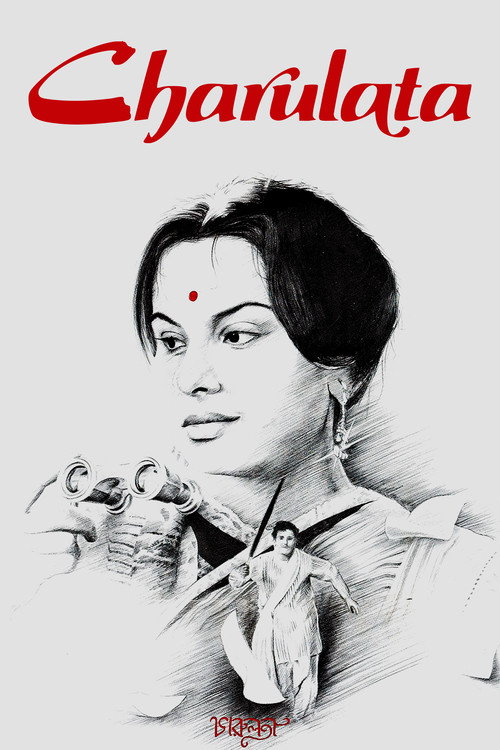
Charulata1964
Both are films about marriage, duty, and whether a woman can choose love that defies her station. Charulata is the art film version; Mere Mehboob is the popular one.
Satyajit Ray's film about a woman discovering passion for her husband's cousin—also shot in 1964, also about class and marriage and whether respectability can contain desire. It's Mere Mehboob's intellectual cousin, told with Ray's precision instead of Bollywood's abundance.
But It's Bengali cinema, in black and white, driven by psychology not spectacle. If you watch Mere Mehboob for the music and color, this will feel austere and slow.
People
Cast
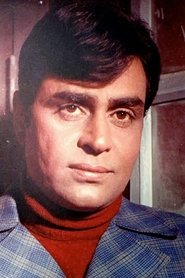 Rajendra KumarAnwar Hussain
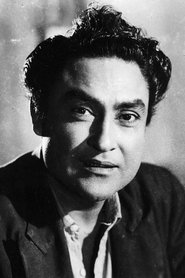 Ashok KumarNawab Buland Akhtar Changezi
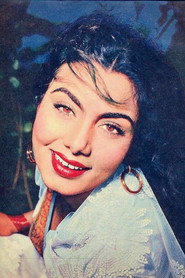 NimmiSuraiya / Najma
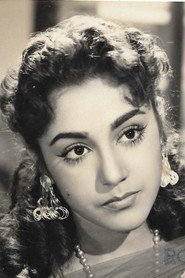 AmeetaNaseem Ara, cousin of Husna and Buland Akhtar
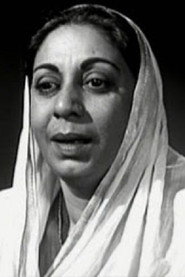 Mumtaz BegumNaseem's paternal aunt ('Bua')
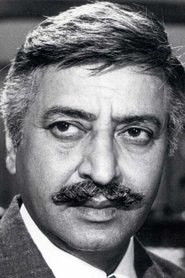 PranMunne Raja
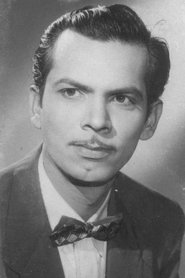 Johnny WalkerBindadin K. Rastogi / Binda Din Ghayal
 Sadhana ShivdasaniHusna Bano
Directing
- Harnam Singh RawailDirector
Writing
- Vinod KumarWriter
Production
- Jagdish RajAssociate Producer
- Harnam Singh RawailProducer