
Film
Ek Nazar
A 1951 Hindi film about two friends navigating love and ambition in a theater company's world. It's a romantic drama with ensemble warmth, built on the specific rhythms of early Indian cinema: theatrical, emotional, unafraid of sentiment. For viewers curious about post-independence Hindi cinema or the texture of 1950s Bombay storytelling.
Should you watch it?
Watch it if you enjoy old-fashioned Hindi melodrama, where the romance, the scheming and the backstage theatre world are told with sincere, unhurried feeling, and you don't mind the emotions being pitched high.
Skip it if you want a brisk, modern pace or a tightly plotted story, since this one lingers on feeling and convenient turns and can feel creaky to anyone raised on sharper storytelling.
What it asks of you: Roughly two hours at a stately pace, with long emotional scenes played big and sincere rather than subtle, and no hurry to reach the point.
Not sure? Find tonight's pick in a minute.
If you liked this
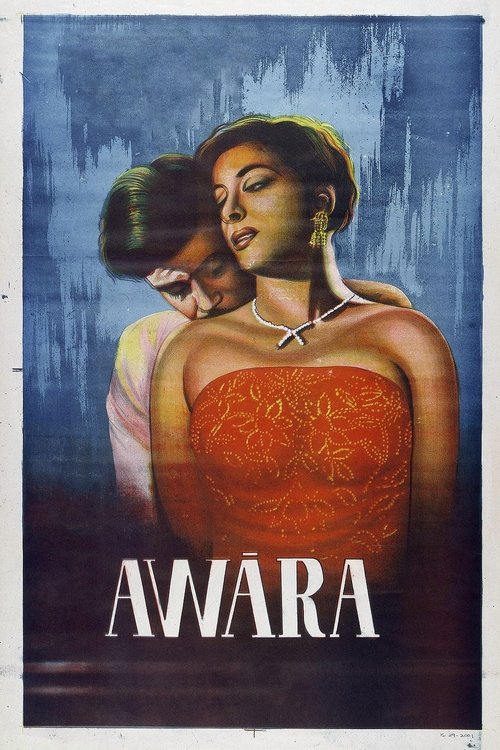
Awaara1951
Raj Kapoor's masterpiece from the same year, equally invested in romantic entanglement and the moral questions facing young men in the new India. Iconic, moving, and a perfect contemporary point of comparison.
But It's a long film, almost two hours of melodrama. If you need plot momentum over emotional depth, the pacing will test you.
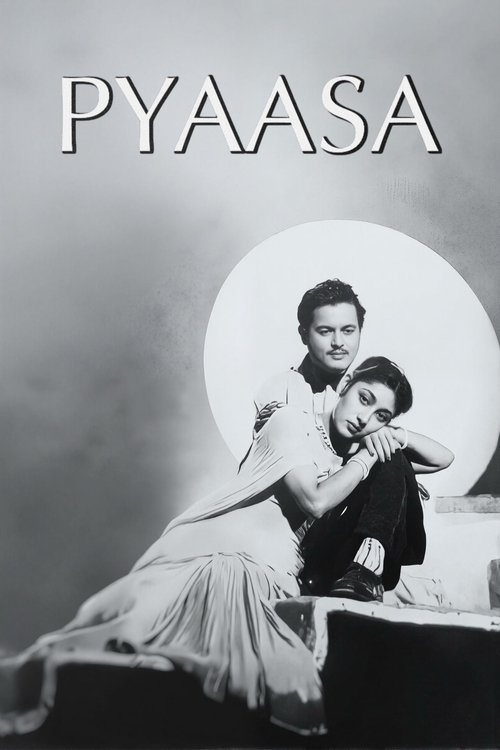
Pyaasa1957
Guru Dutt's tragic romance set in a world of artists and performers. Like Ek Nazar, it finds poetry in urban struggle and uses theater/performance as a mirror for larger themes about authenticity and love.
But Darker and more cynical than its contemporary. The ending is not redemptive, and Dutt's visual style is so strong it can overshadow character.
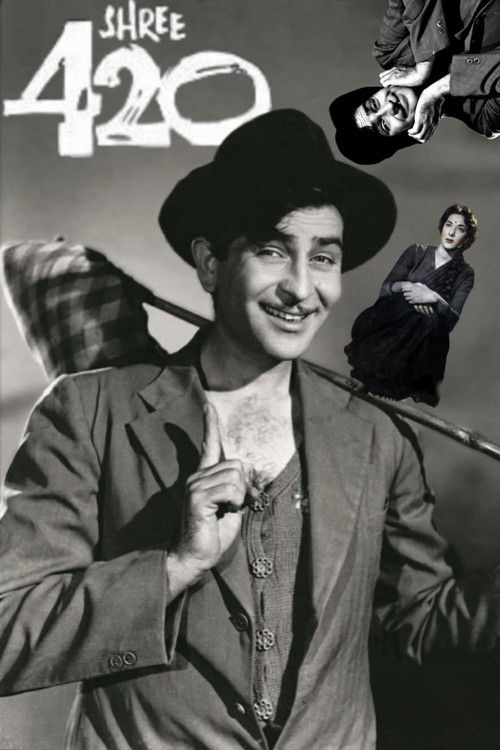
Shree 4201955
Raj Kapoor again, this time exploring ambition and morality in the city through romance. The ensemble feeling and focus on how two people hold each other steady amid temptation will feel familiar.
But It's long, episodic, and built more on set pieces than narrative momentum. Modern viewers sometimes find the pacing glacial.
Not sure tonight? Get a pick in a minute, starting from Ek Nazar
The wildcard
Something you would not have found on your own.
Rang De Basanti2006
Two groups of young people whose friendship is tested by competing visions of what matters. Both use performance and theater as a space where identity becomes unstable.
It rewires the DNA of Ek Nazar—friends bonding through performance, idealism tested by real consequences, theater as transformation—but sets it in contemporary Delhi with documentary filmmaking at its core. Same emotional truth, completely different era and form.
But It's explicitly political in a way that feels didactic to some. The tonal shifts between comedy and violence can feel jarring if you're not with the film's argument.

More like this (6)
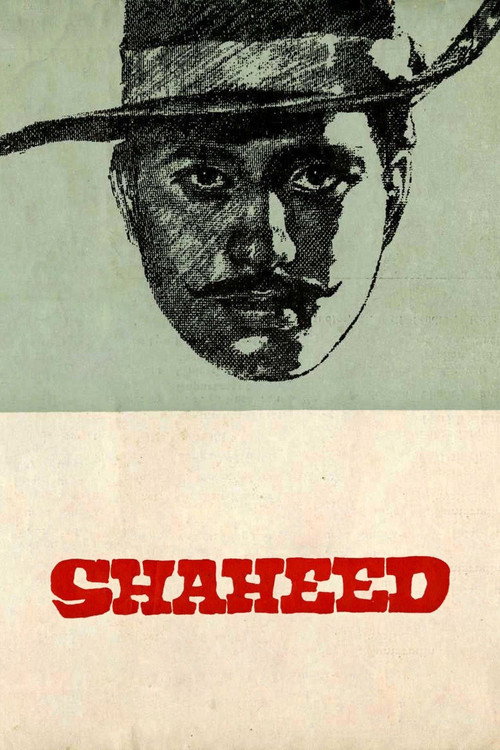
Shaheed1965
A later Hindi film with similar ensemble warmth and a focus on how friendship and principle collide. It has that same theatrical energy and commitment to emotional truth.
But The politics are explicit and period-specific. If you're not invested in post-independence Indian idealism, it can feel didactic.
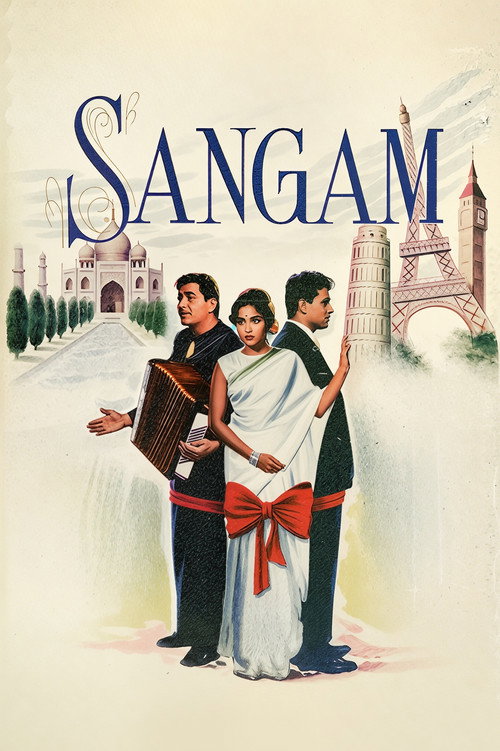
Sangam1964
Raj Kapoor exploring friendship and romantic love in tension, with a military backdrop. The theatrical flourishes and emotional excess you'll recognize from Ek Nazar, turned up to epic scale.
But Nearly four hours long. The melodrama reaches almost operatic intensity; restraint is not the film's virtue.
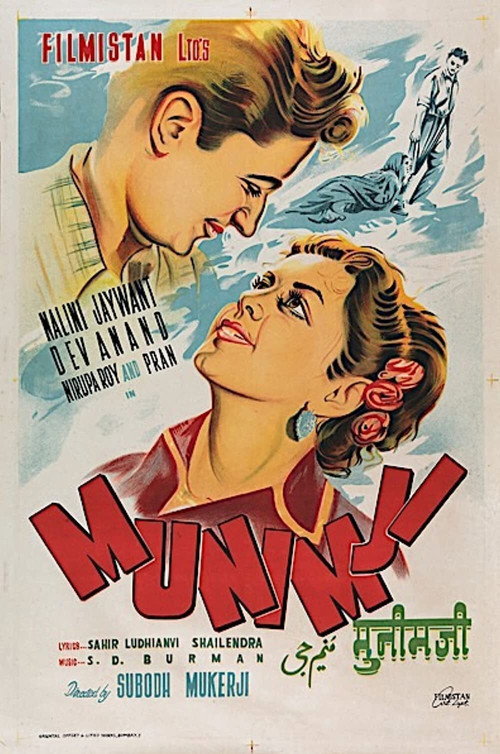
Munimji1955
Kishore Kumar and Madhubala in a lighter romantic drama about young people navigating urban life and theater. The tone is closer to comedy, but the sincerity about love and friendship is genuine.
But Much less serious in intent. If you're looking for the dramatic weight of Ek Nazar, this will feel like a divergence into fluff.
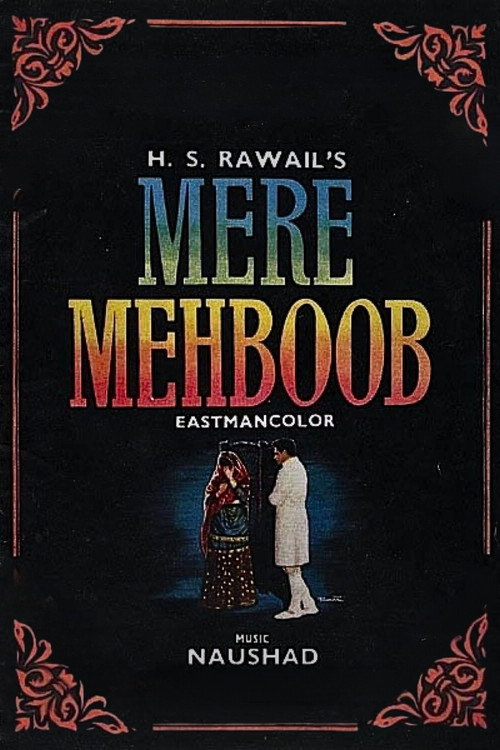
Mere Mehboob1963
A Rajendra Kumar romance with ensemble depth and the same commitment to emotional truth. Classic 1950s-style filmmaking, accessible entry point to the era's sensibility.
But Well-trodden ground by 1963. It lacks the freshness and relative novelty that makes Ek Nazar interesting as a historical document.
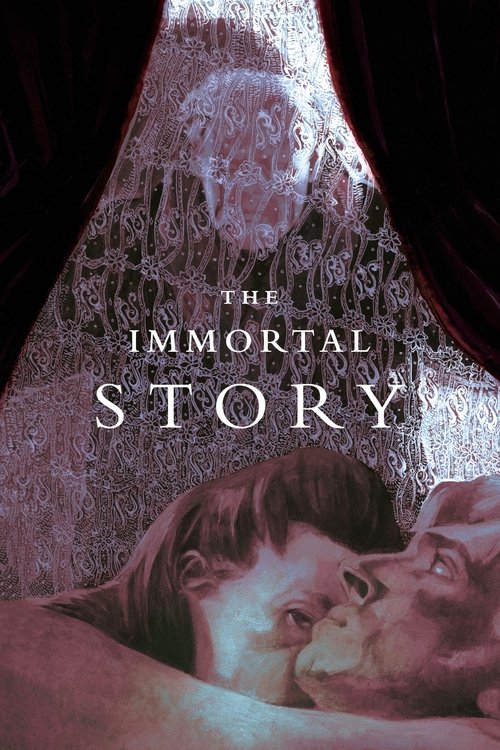
The Immortal Story1968
Both films see performance and theater as sites where people discover who they actually are. Both mistrust the boundary between real feeling and staged feeling.
Orson Welles' chamber piece about a rich man directing a story through the lives of real people, with actors playing roles. It's a meditation on theater, performance, and how narrative shapes love—the same obsession as Ek Nazar, but distilled and abstract.
But Only 73 minutes, in black and white, almost entirely one room. It's closer to a thought experiment than a story. Welles' formalism can feel cold.
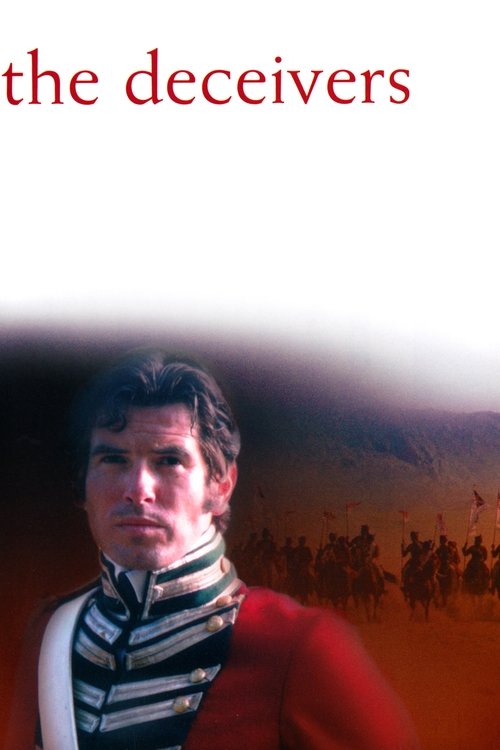
The Deceivers1988
Both are structured around the danger of becoming too good at performing someone else—the theater company as a space where the mask becomes the man.
Merchant-Ivory film about a British officer infiltrating a criminal brotherhood in 1820s India, with Pierce Brosnan as a man caught between performance and identity. It's fascinated by theater as moral question—the same thing Ek Nazar is after, but through colonial-era suspense.
But It's methodical and slow, more interested in texture than plot. The colonial perspective, even critical, may alienate viewers seeking unambiguous anti-colonial storytelling.
People
Cast
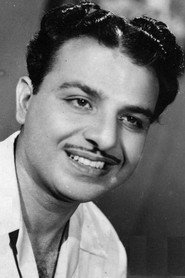 Karan DewanDilip
 Nalini JaywantChitra
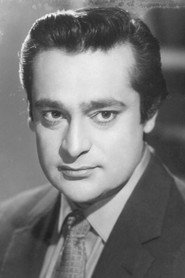 RehmanRaj Kumar
- GopePandit Kalicharan Mahamahopadhyay
 Kuldip KaurRama
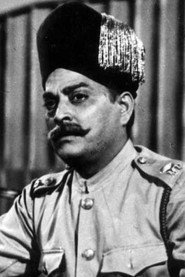 Raj MehraKunwar Mahendra Pratap
- RandhirChhajju
- Nirmal Kumar ChakrabortyDoctor
Directing
- O.P. DuttaDirector
Writing
- Rajendra KrishanLyricist
- O.P. DuttaScreenplay
- Rajendra KrishanScreenplay
Production
- Kuldeep SehgalProducer