
Film
Sangam
Sangam is a 1964 Hindi epic romance that builds toward an impossible triangle with operatic intensity. Nearly four hours of sumptuous Technicolor, elaborate musical numbers, and emotional devastation—Raj Kapoor at his most romantic, Vyjayanthimala magnetic, the film unafraid to let sorrow linger. It's melodrama as high art, made for audiences who believe love should cost something.
If you liked this
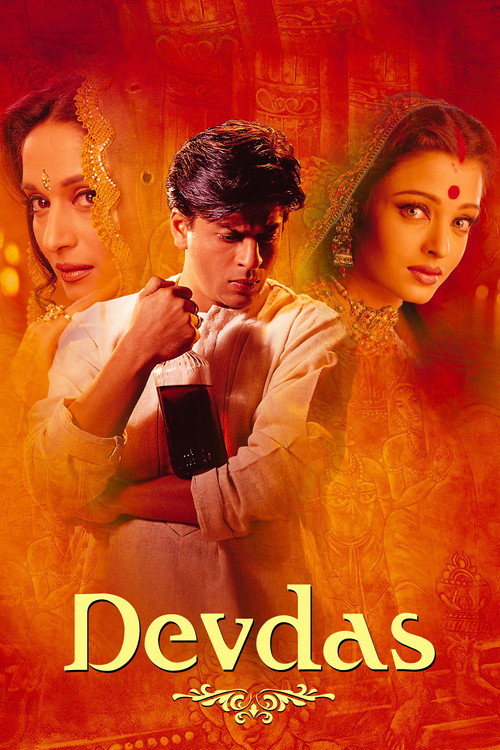
Devdas2002
Sanjay Leela Bhansali's lavish retelling of the same tragic-romance template, with the same willingness to wallow in gorgeous, destructive passion. Aishwarya Rai and Shah Rukh Khan burn through every frame.
But It's even longer and even more indulgent than Sangam. The melodrama can feel suffocating if you're not in the mood to surrender to it.
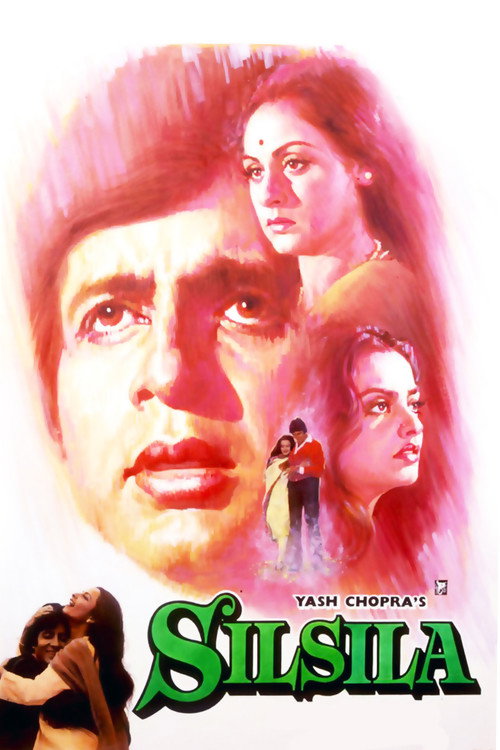
Silsila1981
Yash Chopra's meditation on love, marriage, and the person you didn't end up with. It has Sangam's emotional complexity and its willingness to leave wounds open. Amitabh Bachchan and Rekha are incandescent.
But The pacing is deliberate and the film asks you to sit with discomfort rather than resolve it quickly. Some find it a slog.
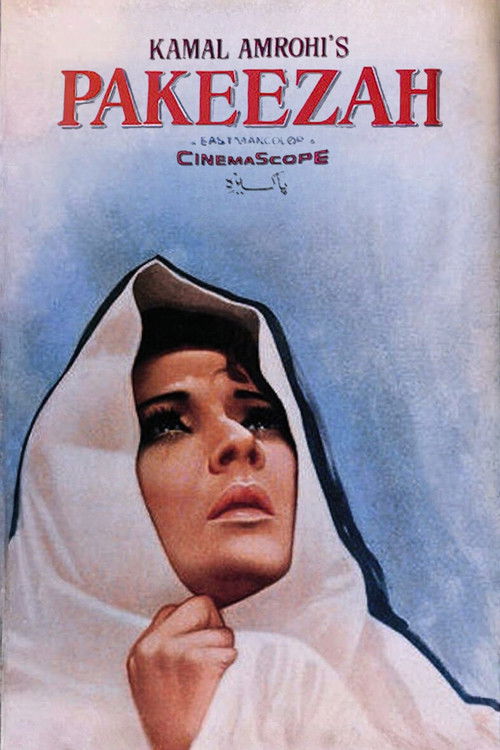
Pakeezah1972
A masterpiece of visual storytelling—every frame feels painted. It shares Sangam's belief that cinema should be ornate, emotional, and operatic. Meena Kumari's performance is heartbreaking and defiant.
But It's slow, deeply sad, and the plot hinges on assumptions about women and respectability that will frustrate modern viewers even as the film critiques them.
Not sure tonight? Get a pick in a minute, starting from Sangam
The wildcard
Something you would not have found on your own.
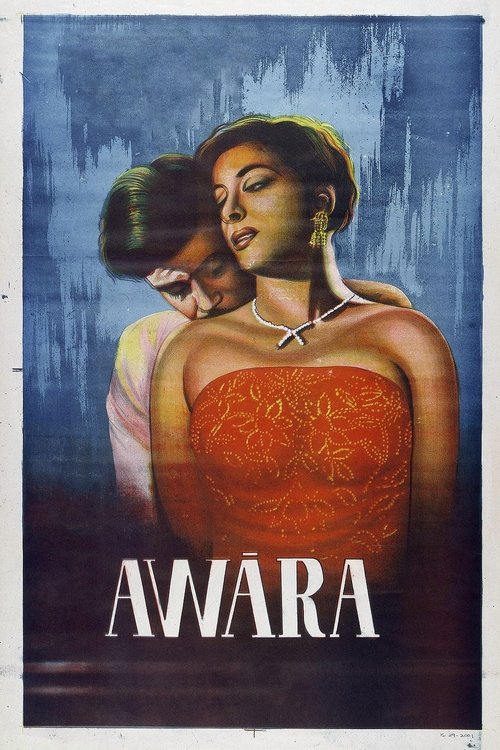
Awaara1951
Both are Raj Kapoor's attempt to make romance monumental. Awaara is the prototype; Sangam is the perfection. Watch them as a pair and you see a master refining his obsession.
Raj Kapoor's own masterpiece, made thirteen years before Sangam. It has the same romantic idealism but channels it through noir and social realism. You see where his visual and emotional vocabulary comes from.
But The print quality can be rough, and the social-problem plot (poverty, injustice) overrides the romance in ways that feel dated. It's sometimes preachy.
More like this (7)
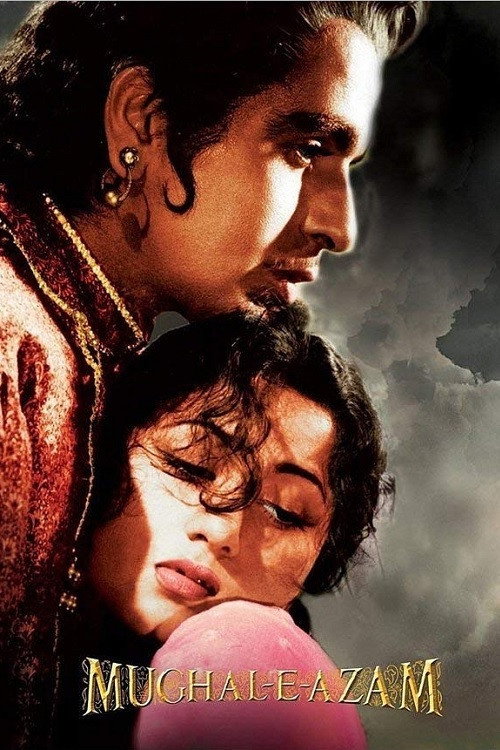
Mughal-e-Azam1960
The grandest Hindi film ever made. If you want to understand the scale and ambition Sangam emerges from, this is essential. The production design is staggering, the music transcendent.
But At over three hours, it moves at a court-room pace. The romantic plot is secondary to the spectacle, and some of that spectacle feels overwrought.
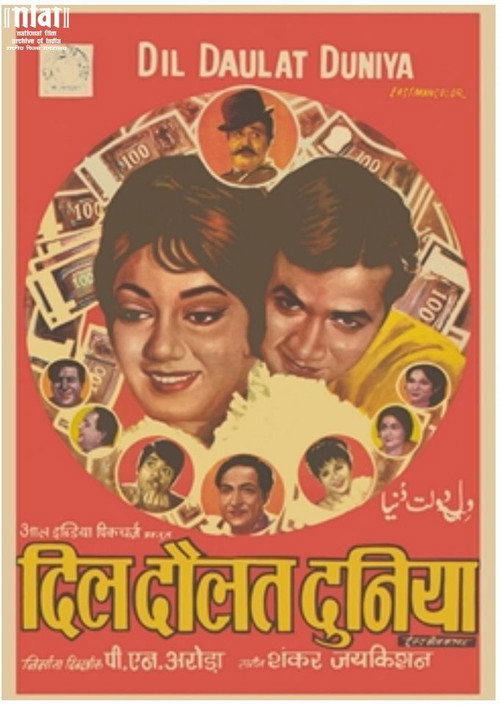
Dil Daulat Duniya1972
Another Raj Kapoor romantic epic with a love-triangle at its core and the same lush cinematography. It has Sangam's scale without quite its emotional precision, but it's genuinely moving.
But It's less focused than Sangam and the supporting plot involving crime feels tacked on. The film loses momentum in its second half.
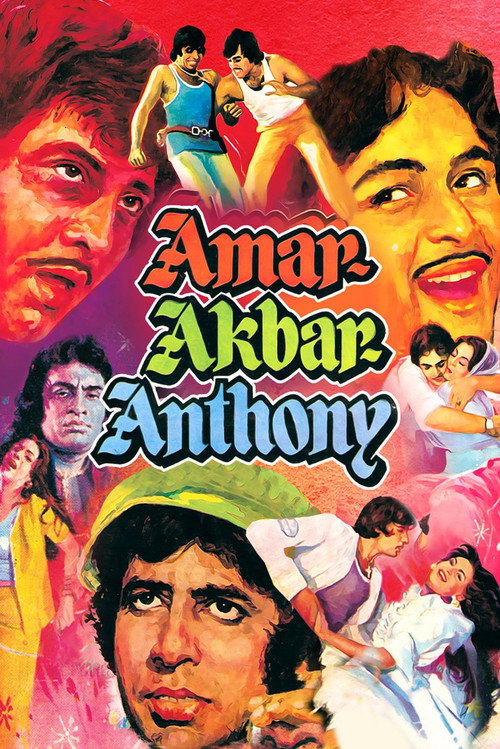
Amar Akbar Anthony1977
Manmohan Desai's baroque masterpiece about three brothers, brotherhood, and the women they love. It has Sangam's visual richness and emotional stakes, but wraps them in adventure and comedy.
But The tone is wildly uneven—it lurches from slapstick to melodrama without warning. Some will find that thrilling; others exhausting.
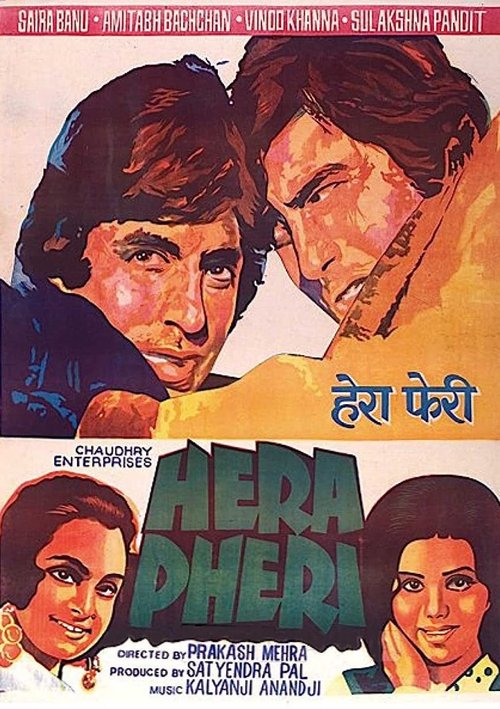
Hera Pheri1976
Rajendra Kumar (Sangam's Gopal Verma) carries this romantic drama about duty and desire. It's a solid, handsome film from the era, with strong music and genuine emotional stakes.
But It's a B-tier choice—competent but not inspired. If you're hunting for a follow-up to Sangam, there are stronger options.
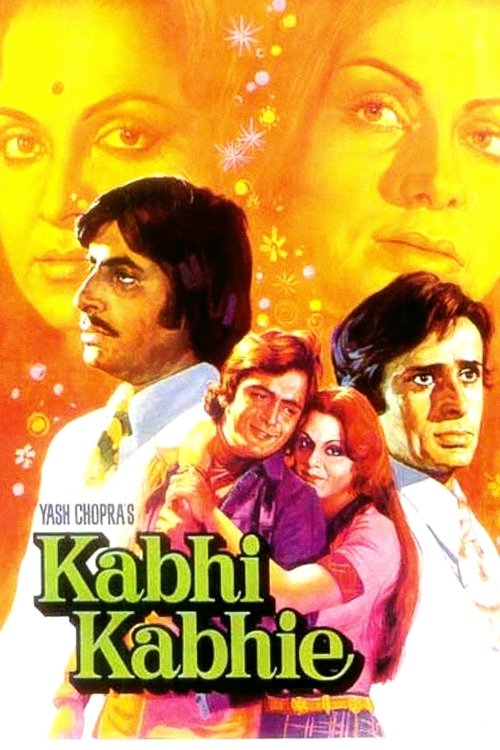
Kabhi Kabhie1976
Yash Chopra's meditation on a youthful love that can't survive into adulthood. It has Sangam's melancholy and its belief that some bonds are too powerful to simply dissolve.
But The parallel narratives (young love and older regret) don't always mesh smoothly. The film asks for patience it doesn't always reward.
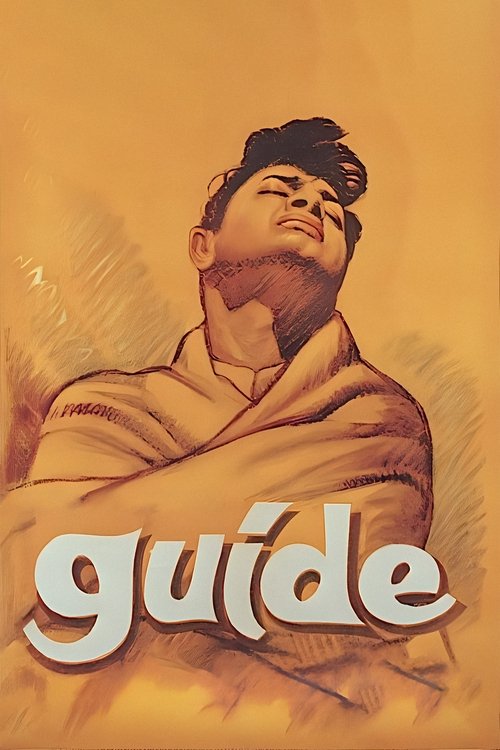
Guide1965
Both were released in the mid-1960s and both are lush, expensive productions. But where Sangam is about romantic purity destroyed, Guide is about romantic lies that become truth. They're opposite sides of the same coin.
Dev Anand and Waheeda Rehman in a film about performance, self-deception, and love that can't be honest. It's a love story that feels completely modern—ambiguous, sexual, morally complicated.
But The narrative is fractured and can be confusing. The ending is deliberately unresolved. It rewards a viewer who wants to puzzle out meaning rather than have it served.
The Red Shoes1948
Both believe that cinema's job is to make you feel impossible things. Both use color, music, and production design as emotional tools rather than decoration. Both would rather break your heart than comfort you.
Powell and Pressburger's Technicolor ballet-obsessed melodrama. It has Sangam's conviction that visual beauty and emotional devastation should go hand in hand, that cinema is most powerful when it's most artificial.
But It's a British film from 1948, so the pacing and sensibility are alien to Sangam. The ballet sequences will bore you if you don't care about dance. It ends badly and means it.

People
Cast
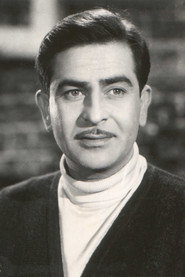 Raj KapoorFlight Lt. Sundar Khanna
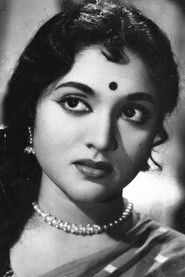 VyjayanthimalaRadha Mehra
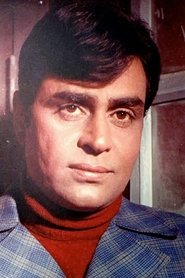 Rajendra KumarGopal Verma
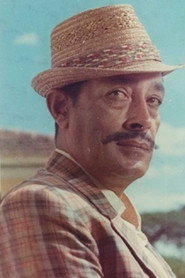 IftekharIndian Air Force Officer
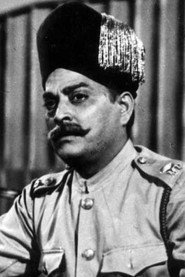 Raj MehraJudge Mehra
- Nana PalsikarNathu
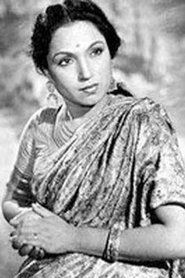 Lalita PawarMrs. Verma
- Hari ShivdasaniRadha's Father
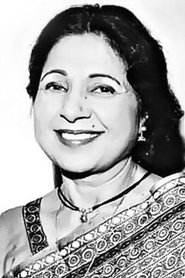 Achala SachdevRadha's Mother
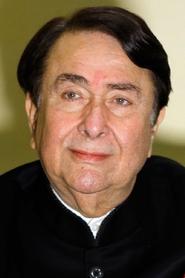 Randhir KapoorYoung Sundar
Recommended by
Devdas, Tumsa Nahin Dekha, An Evening in Paris, Junglee, Mere Sanam, Mere Huzoor, Dil Deke Dekho, Arzoo, Madhumati, Chori Chori, Kismet, Funtoosh, Ek Nazar, Munimji, Yahudi, Neel Kamal