
Film
Madhumati
Madhumati is a haunting 1958 Indian melodrama that blends reincarnation mythology with film noir sensibilities. A man sheltering in an abandoned mansion experiences a vivid flashback to a past life as a painter in love with a tribal woman, triggering a romantic tragedy that echoes across lifetimes. Lavishly shot and emotionally operatic, it's for anyone drawn to epic romance that refuses simple happy endings.
Should you watch it?
Watch it if you love old-fashioned gothic romances where a haunted house and a half-remembered love carry the mood, and you don't mind songs breaking into the atmosphere.
Skip it if you want a brisk, modern pace, since this is nearly three hours of slow-burning melodrama, and its stagey acting and frequent song sequences can feel dated.
What it asks of you: Settle in for a long, unhurried ride; the first half lingers on atmosphere and moody country scenes before the emotional stakes tighten, and it rewards patience.
Not sure? Find tonight's pick in a minute.
If you liked this
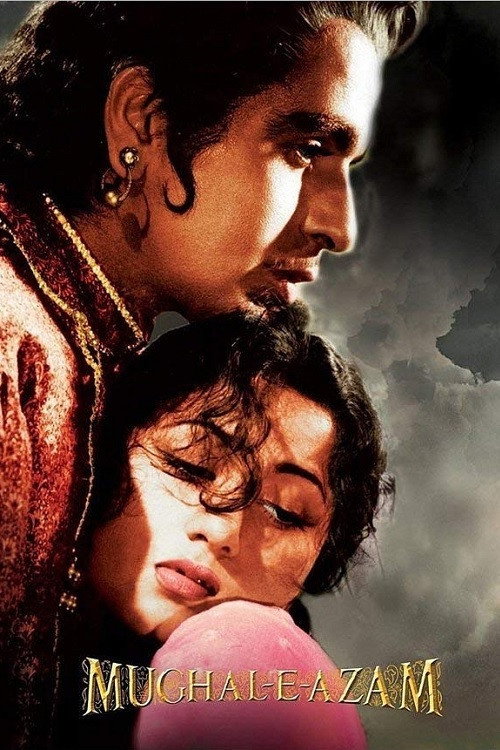
Mughal-e-Azam1960
The gold standard of Indian historical romance, equally obsessed with sumptuous production design, doomed love, and moral conflict. If Madhumati's emotional intensity gripped you, this is the next essential.
But At nearly four hours, it demands patience. The pacing is stately rather than brisk, and the cultural context is dense.
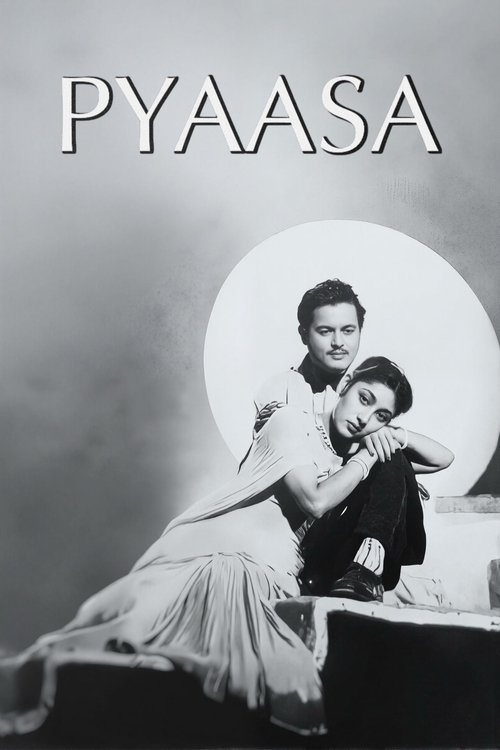
Pyaasa1957
Guru Dutt's masterpiece shares Madhumati's fatalism and visual poetry, with a struggling artist protagonist and a love story that cinematically refuses to console. Deeply romantic but unflinching about human cruelty.
But The tone is bleak and the ending provides no catharsis. Some viewers want their romance to end happily, or at least hopefully.
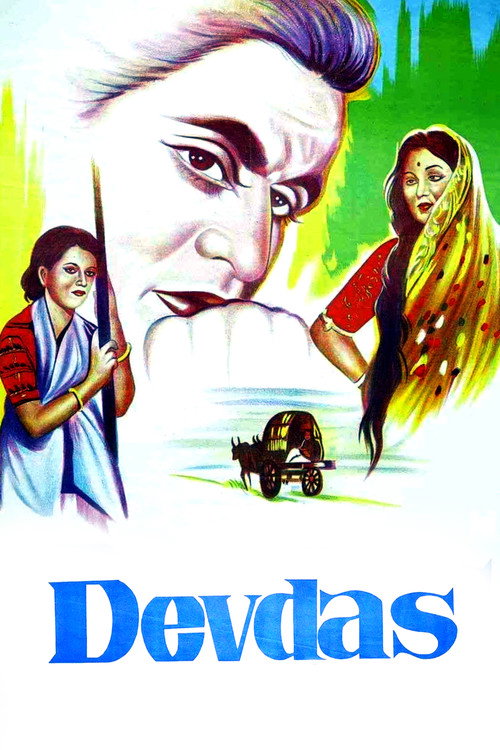
Devdas1955
Another Dilip Kumar classic about impossible love and self-destruction, with ornate sets and a sense of tragic inevitability that matches Madhumati's emotional register. Beautifully composed and genuinely devastating.
But It's primarily a portrait of a man's collapse, which means its female characters exist largely in relation to him. The fatalism can feel like it's wallowing.
Not sure tonight? Get a pick in a minute, starting from Madhumati
The wildcard
Something you would not have found on your own.
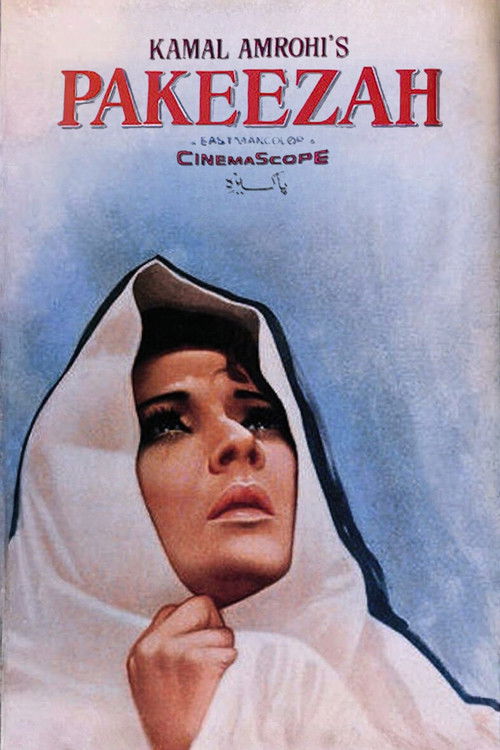
Pakeezah1972
Both films use the past—whether literal reincarnation or trauma—to explain present-day emotion and moral crisis. Both treat love as metaphysically inescapable, not just emotionally compelling. Both are intensely visual films made by directors obsessed with cinema as a visual art form.
Often called Indian cinema's most visually stunning film, Pakeezah applies Madhumati's reincarnation logic and doomed-romance DNA to the world of courtesans, creating something baroque and genuinely haunting. It's operatic in the best sense—every frame is composed like a painting.
But It takes 14 years to film and nearly three hours to watch. The narrative is deliberately non-linear, and some find the pacing experimental to the point of frustration. Also wrestling with deeply complicated attitudes toward sexuality.
More like this (6)
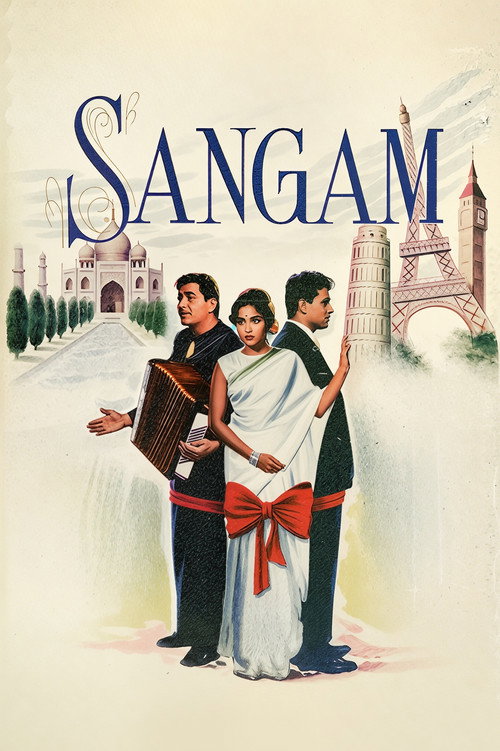
Sangam1964
Rajesh Khanna's love triangle set against international locations, with the same commitment to sweeping romance and elaborate musical sequences. It's Madhumati's more glamorous cousin—equally melodramatic but sunnier in temperament.
But The second half pivots into war drama, which feels tacked on. It's also notably longer and some viewers find the tonal shifts jarring.
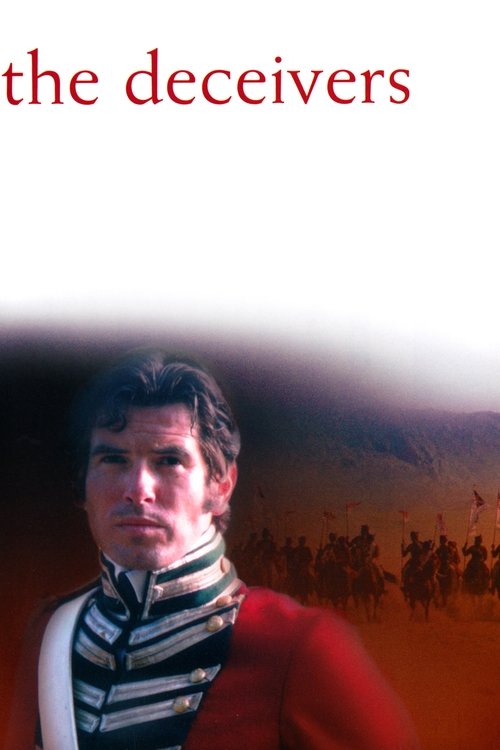
The Deceivers1988
Pierce Brosnan in a period thriller set in colonial India, with lush production design and the same colonial-era backdrop as Madhumati's flashback sequences. Offers a different emotional register but comparable visual opulence.
But It's a Western film about India directed through a Western lens, which means the perspective is fundamentally different. Also far less interested in the emotional inner lives of its characters.
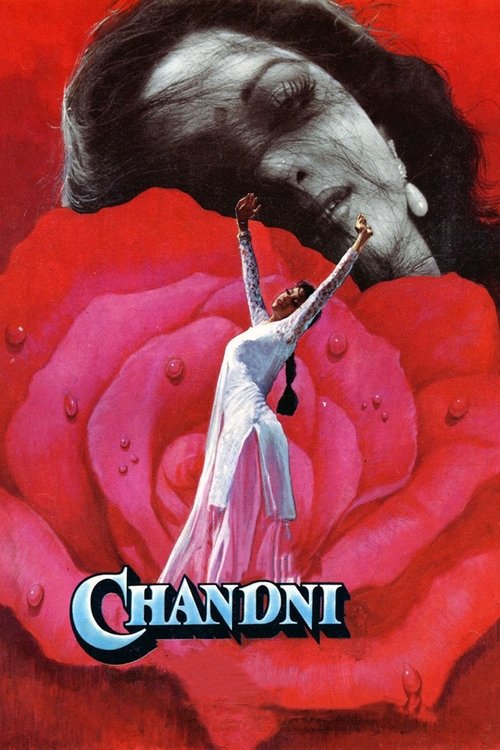
Chandni1989
Yash Chopra's romantic epic with echoes of Madhumati's melodramatic DNA, updated to the 1980s with color cinematography and international settings. It's the spiritual heir to films like this.
But The '80s aesthetics feel dated now in ways that Madhumati's classicism doesn't. Also lighter in tone, which some will prefer but others may find less emotionally substantial.
Guide1965
Dev Anand and Waheeda Rehman in a romantic drama about morality, desire, and social transgression, with the same lush music and romantic intensity as Madhumati but a more optimistic worldview.
But The protagonist's journey asks you to sympathize with a man who manipulates a woman into an affair. How much that bothers you will depend on your tolerance for morally complicated characters.

The Passenger1975
Both films are structured around the idea of a man becoming trapped in or haunted by another identity. Madhumati uses the supernatural; Antonioni uses psychological realism. But both treat the conceit with complete seriousness and both ask what remains of the self when it's fractured across time or circumstance.
Michelangelo Antonioni's film about a man who assumes another man's identity while traveling through Spain and Africa. Like Madhumati, it's about being haunted by another life, but Antonioni treats it as philosophical mystery rather than romantic melodrama. Minimalist, meditative, utterly hypnotic.
But It's slow, intentionally oblique, and offers no answers. Jack Nicholson's character is largely passive. If you want plot momentum or emotional clarity, this will frustrate you.

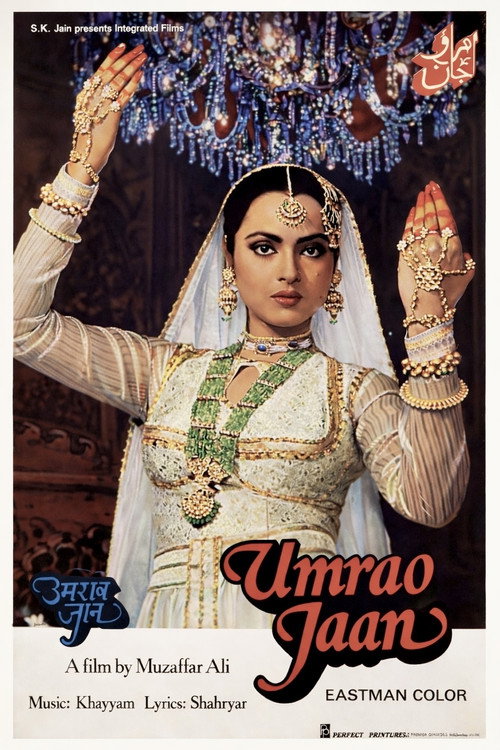
Umrao Jaan1981
Both are period films structured around a woman who becomes emotionally fatal to a man, told with equal investment in visual spectacle and musical performance. But where Madhumati is about the man's consciousness and his past life, Umrao Jaan is about the woman's survival and her present one. It's the other side of the same romantic coin—what happens to the woman when the man leaves.
Rekha's definitive performance as a courtesan in 19th-century Lucknow, told through her memories and set pieces of stunning visual craftsmanship. It shares Madhumati's tragic romanticism and musical grandeur, but focuses on a woman's interiority rather than a man's past-life revelation. Heartbreaking and exquisitely made.
But The framing—we're watching a woman's life through the lens of her romance with a man who abandons her—means her agency is circumscribed. Some viewers will find it beautiful; others will find it fundamentally limiting.
People
Cast
 Dilip KumarAnand / Deven
 VyjayanthimalaMadhumati / Madhavi / Radha
 Johnny WalkerCharandas
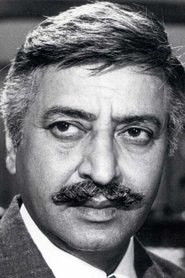 PranRaja Ugra Narayan
 JayantPawan Raja (Madhumati's Father)
 Ramayan TiwariBir Singh
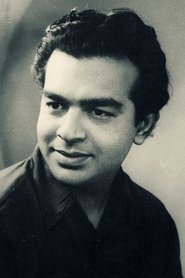 Tarun BoseDoctor
Directing
- Bimal RoyDirector
Writing
- Rajinder Singh BediDialogue
- Ritwik GhatakWriter
Production
- Bimal RoyProducer
- ChandraUnit Manager
- PeerachandUnit Manager
- SanjivaUnit Manager
Recommended by
Baat Ek Raat Ki, Parwana, Chitralekha, Shaitaan, Inspector, Woh Kaun Thi, Neel Kamal, Mera Saaya, Khandan, Nau Do Gyarah, Babul, Do Anjaane, Mahal