
Film
Mahal
A 1949 Indian gothic romance where a young lawyer falls for a mysterious woman haunting his newly inherited house. Madhubala's luminous performance anchors this pioneering blend of supernatural drama and passionate melodrama. Visually sumptuous, emotionally operatic, and genuinely unsettling in patches—a film that proves Indian cinema was doing atmospheric horror decades before it became fashionable elsewhere.
If you liked this
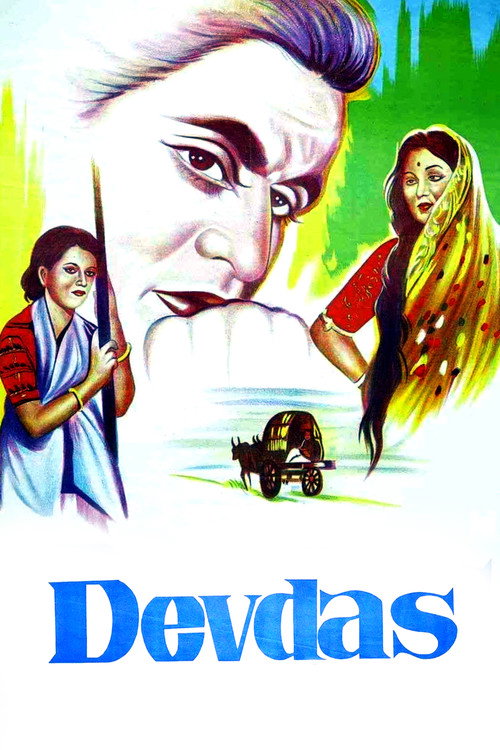
Devdas1955
Bimal Roy's lush, heartbreaking melodrama with similar grand romantic tragedy and gorgeous monochrome cinematography. Dilip Kumar and Madhubala in roles that demand everything emotionally, set against elaborate period design.
But Three and a half hours of unrelenting sorrow. The pacing is deliberate; modern viewers may find the emotional crescendos repetitive.
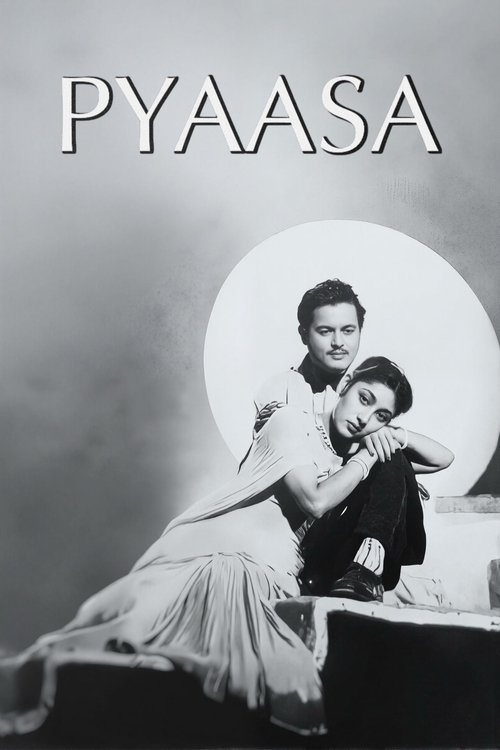
Pyaasa1957
Guru Dutt's masterpiece shares Mahal's interest in the supernatural (via memory and obsession) alongside romantic tragedy. Darker, more cynical about desire, with Geeta Dutt's voice carrying the film like Madhubala's presence does here.
But Very bleak. The romance is suffused with despair rather than joy, and the film refuses easy catharsis.
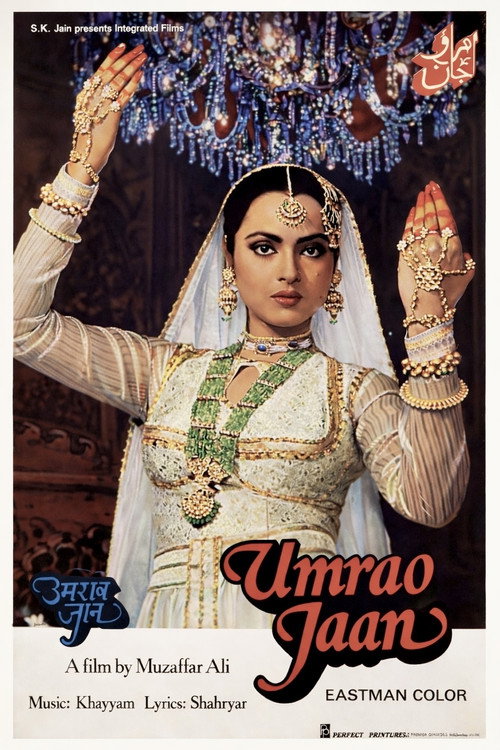
Umrao Jaan1981
Another Madhubala-era sensibility transplanted forward: a woman caught between identities, elaborate costumes, and a love that cannot be consummated. Rekha's performance has the same tragic elegance.
But The narrative is episodic and can feel loose. It's more about mood and performance than plot momentum.
Not sure tonight? Get a pick in a minute, starting from Mahal
The wildcard
Something you would not have found on your own.
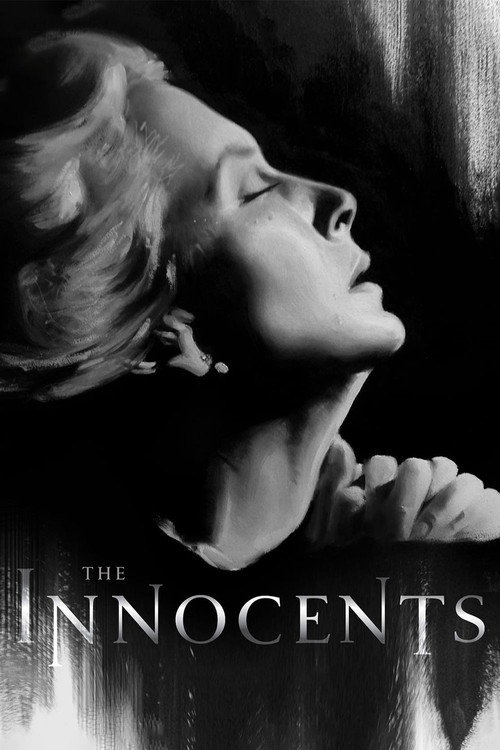
The Innocents1961
Both films use a beautiful woman as the conduit between the living world and something beyond it, and both refuse to explain the haunting in rational terms. The visual language is different (Mahal is operatic; The Innocents is spare) but the moral vertigo is identical: desire and danger are inseparable.
Jack Clayton's English gothic masterpiece about a governess haunted by previous inhabitants of a country house. Like Mahal, it hinges on whether the supernatural is real or psychological, but pushes that ambiguity into vertigo. Deborah Kerr gives the performance of her career.
But The pacing is glacial. It trusts the viewer to be unnerved by suggestion alone, with no jump scares or explicit horror. Demands patience.
More like this (7)
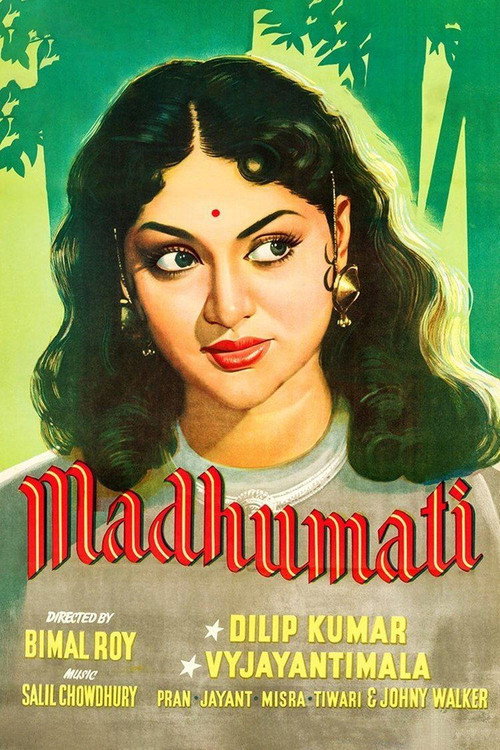
Madhumati1958
Bimal Roy again, this time making a reincarnation story where past trauma haunts the present. Uses the supernatural more explicitly than Devdas, with the same visual sophistication Mahal pioneered.
But The philosophical underpinnings feel heavy-handed by modern standards. Suspension of disbelief is required.
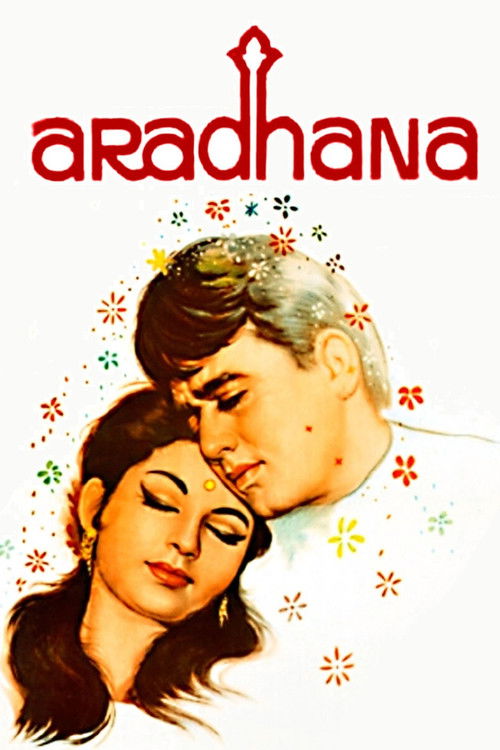
Aradhana1969
Sharmila Tagore and Rajesh Khanna in a melodrama with gothic undertones—secrets, separation, a love that echoes across years. The emotional architecture resembles Mahal's, with 1960s glamour.
But The plot hinges on coincidence piled on coincidence. Logic takes a back seat to feeling.
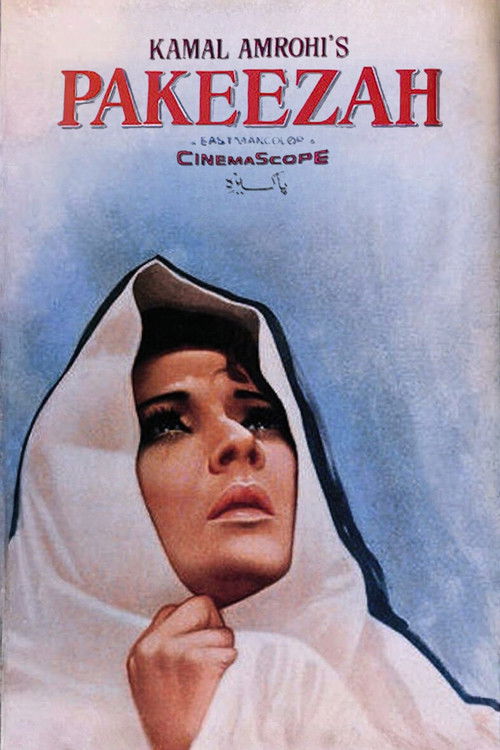
Pakeezah1972
Kamal Amrohi's obsessive final film, with Meena Kumari as a courtesan caught between worlds. Visually baroque like Mahal, suffused with doomed romance and the supernatural atmosphere of yearning itself.
But Incomplete (Amrohi died mid-production). The editing shows the seams, and at 2 hours 24 minutes, it meanders.
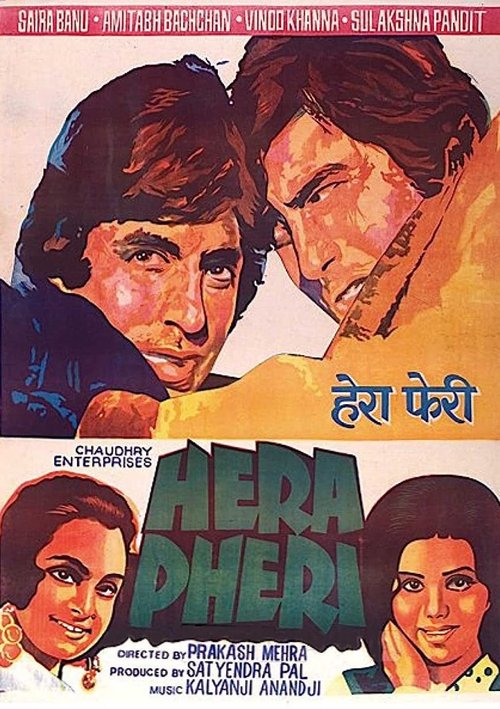
Hera Pheri1976
Vinod Khanna and Sharmila Tagore in a mystery-romance where the past keeps surfacing. Less overtly supernatural than Mahal but with similar architecture: a house, secrets, a love that defies time.
But The mystery feels contrived on repeat viewings. The supernatural elements are hinted rather than confirmed, which some find frustrating.
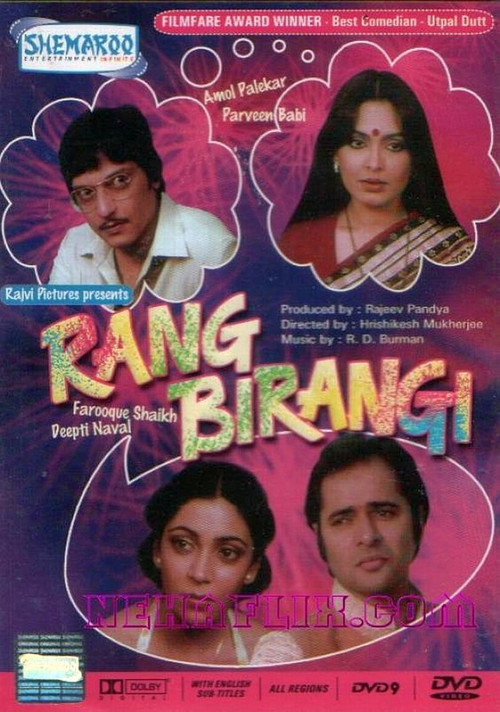
Rang Birangi1983
A late entry in the romantic melodrama tradition Mahal established. Smita Patil and Farooq Shaikh in a film about desire, obsession, and the past refusing to stay buried.
But The emotional registers feel exhausted by this point in the cycle. It's reverential rather than inventive.
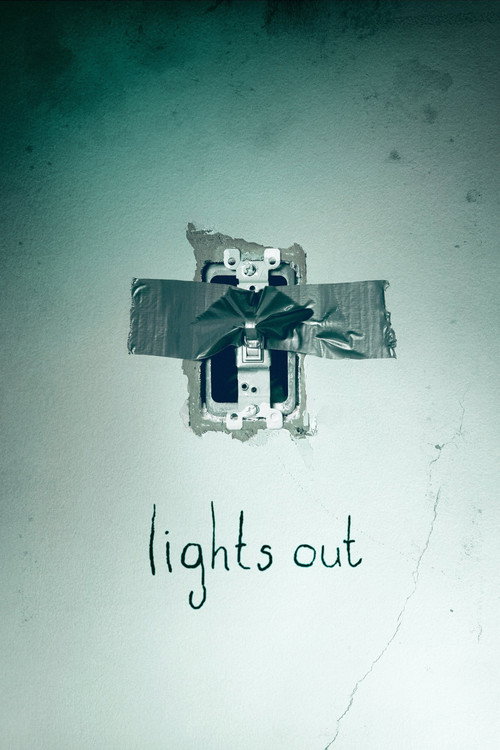
Lights Out2016
Both films understand that a haunted woman—one caught between two worlds or two identities—is the core image. Mahal approaches it as melodrama; Lights Out approaches it as horror. But they're excavating the same fear: loving something that will destroy you.
A contemporary creature-feature that rediscovered something Mahal understood: that horror and romance operate in the same emotional register. A supernatural entity attached to a woman you love is a perfectly coherent metaphor for obsession. Genuinely scary, with unexpected tenderness.
But Modern horror grammar. Jump scares, graphic imagery, and a pace that would feel frantic to Mahal's viewers. Very much a product of 2010s cinema.
Landman2024
Bandhan is a direct lineage descendant of Mahal, transplanted to the TV format and the 1990s, but keeping the central obsession intact: a woman whose love is a supernatural force, binding the past to the present. It's what happens when you give Mahal infinite time instead of 165 minutes.
A Doordarshan serial that extended the Mahal template into television, with a woman literally split between past and present lives. If you loved Mahal's emotional intensity but want to sit with it longer, this gives you 100+ episodes to do so. Madhur Jaffrey as the older version of the haunted woman is magnificent.
But It's a television serial from 1998 India—production values are threadbare, and the pacing is deliberately glacial. Episodes exist to be endured as much as enjoyed. Not everyone has the appetite for that commitment.

People
Cast
 MadhubalaKamini/Asha
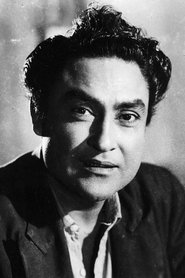 Ashok KumarHari Shankar
- VijayalakshmiRanjana
- Kanu RoyShrinath
- M. KumarHari Shankar's father
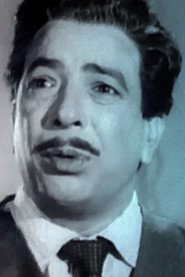 Nazir HussainKamini's father
Directing
- Kamal AmrohiDirector
Writing
- Nakhshab JarchaviLyricist
- Kamal AmrohiWriter
Production
- Ashok KumarProducer