
Film
Babul
A 1950 Indian drama about marriage, class, and competing paternal hopes. Two fathers—one poor, one rich—seek a match with a wealthy postmaster's daughter. Dilip Kumar and Nargis anchor a film that's less concerned with romance than with honour, duty, and the impossible choices that poverty imposes. Gorgeous, emotionally direct, steeped in post-independence India.
Should you watch it?
Watch it if you enjoy old-fashioned melodrama where a tangle of class, pride and love plays out at a patient, sentimental pace, and you don't mind a story that stops to let feeling sink in.
Skip it if you want brisk pacing or a modern edge; this is leisurely, sentimental, and its moral arguments about money and marriage may feel dated.
What it asks of you: Settle into a little over two hours where the slow build of family pressure counts for more than quick turns, and feeling accumulates rather than arriving all at once.
Not sure? Find tonight's pick in a minute.
If you liked this
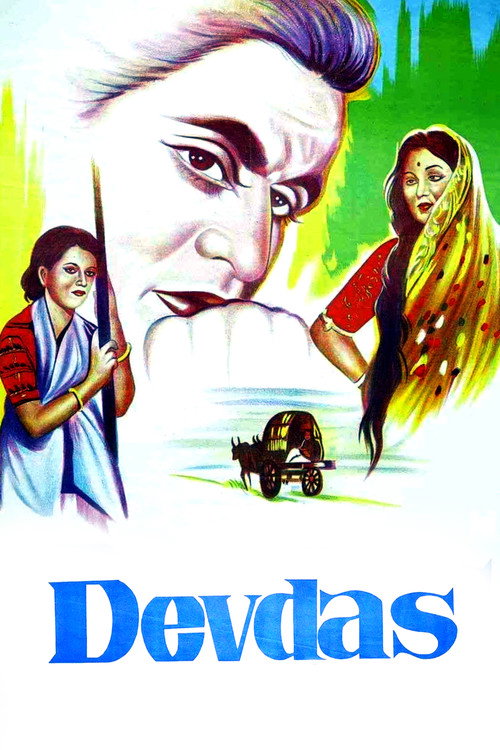
Devdas1955
Bimal Roy's baroque masterpiece about desire and social impossibility. Dilip Kumar gives one of cinema's great performances as a man destroyed by longing. If you loved Babul's exploration of class and duty, this takes the tragedy several steps further.
But It's relentlessly bleak and rather long. The romanticism can feel airless—this is a film that luxuriates in suffering.
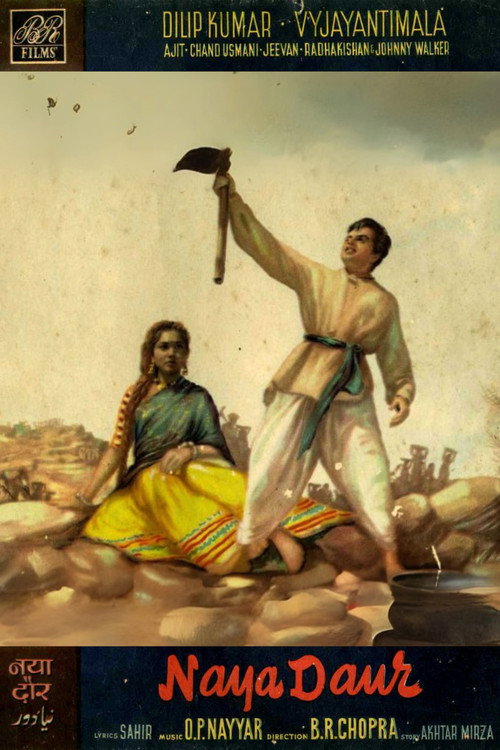
Naya Daur1957
Raj Kapoor and Nargis in a romance built on competing ideologies: progress versus tradition, modern India versus old. The chemistry is electric, and it captures the same post-independence optimism and uncertainty that animates Babul.
But The pacing is slow by modern standards. Some of the political argument will feel dated unless you're invested in 1950s Indian cinema history.
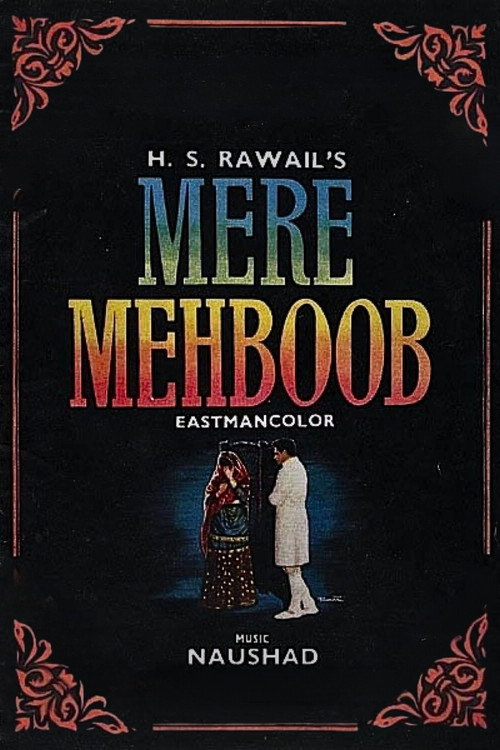
Mere Mehboob1963
Rajendra Kumar and Nargis in a sweeping love story shadowed by class and sacrifice. It has Babul's emotional directness and its willingness to let modest characters carry the weight of the story without irony.
But The melodrama is extreme. If heavy sentiment makes you uncomfortable, this film will not relent.
Not sure tonight? Get a pick in a minute, starting from Babul
The wildcard
Something you would not have found on your own.
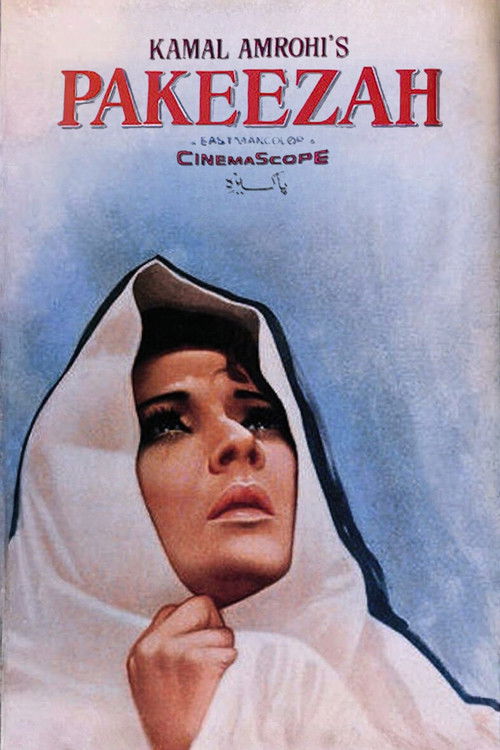
Pakeezah1972
Both treat marriage and social position as the central tragic fact of existence rather than obstacles to overcome. Both believe in the dignity of their poor characters without sentimentalizing them.
Kamal Amrohi's late masterpiece about a courtesan and a prince. It's a direct spiritual heir to Babul—same fixation on honour, the same melancholy, the same belief that love and class are fundamentally irreconcilable. But it's shot like a fever dream, every frame painterly.
But It took twenty years to make and shows it: the pacing is dreamlike to the point of stasis. Some will find it glacially slow.
More like this (6)
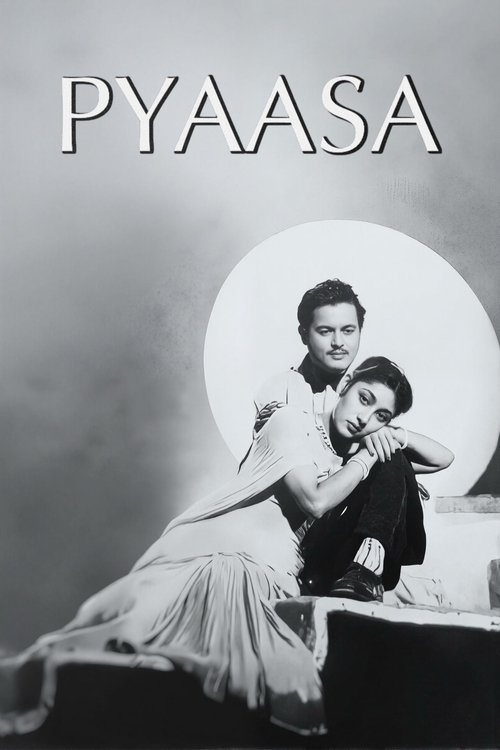
Pyaasa1957
Guru Dutt's noir-tinged tragedy about a struggling poet and the woman who loves him. It shares Babul's unflinching look at poverty and dignity, but filters it through metropolitan alienation and moral corruption.
But The tone is bleak and cynical in ways Babul isn't. The ending is deliberately painful.
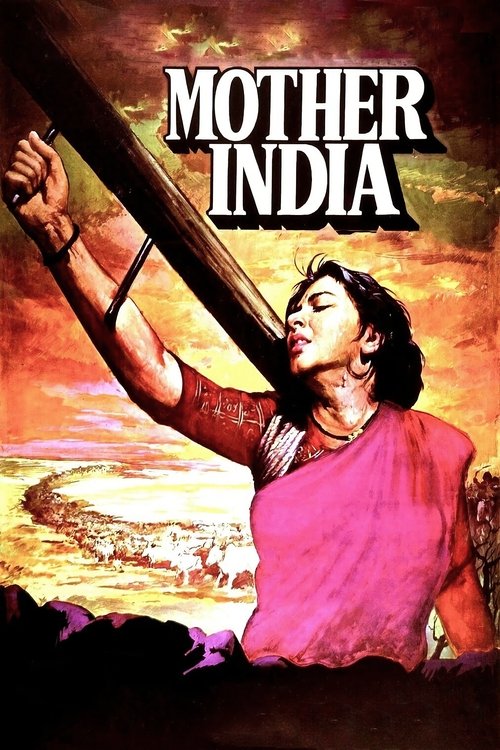
Mother India1957
Nargis's most celebrated performance: a mother's lifetime of sacrifice and moral compromise. Epic in scope but intimate in emotional truth. It deepens the questions Babul raises about duty and what we owe to those we love.
But It's nearly three hours and the suffering is sometimes difficult to sit with. The mythic register can feel heavy-handed.
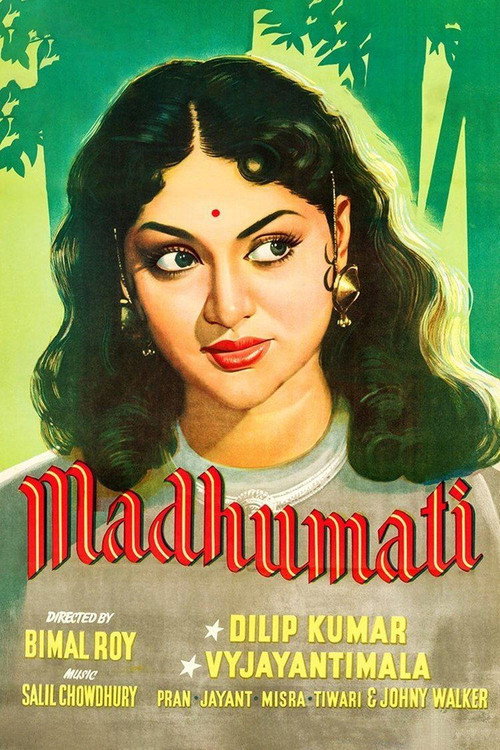
Madhumati1958
Bimal Roy again, with Dilip Kumar in a romance haunted by past lives and karmic consequence. The melodrama is enormous, but it's used to explore how love and duty collide across time.
But The reincarnation plot is difficult to sustain. Some viewers find the spiritual apparatus contrived.
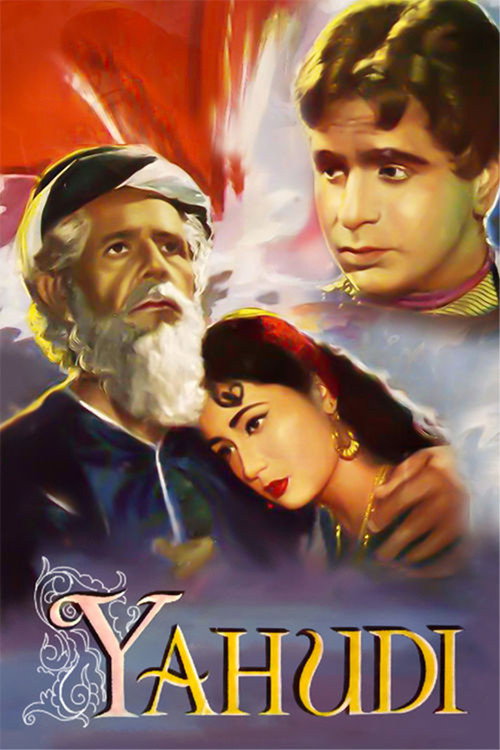
Yahudi1958
Dilip Kumar in a historical romance about a Jewish woman and a Mughal noble, set against religious prejudice and political turmoil. It widens the scope of Babul's class conflict into something more cosmopolitan and urgent.
But The historical setting is treated more as romantic backdrop than examined context. The film can feel theatrical rather than lived-in.
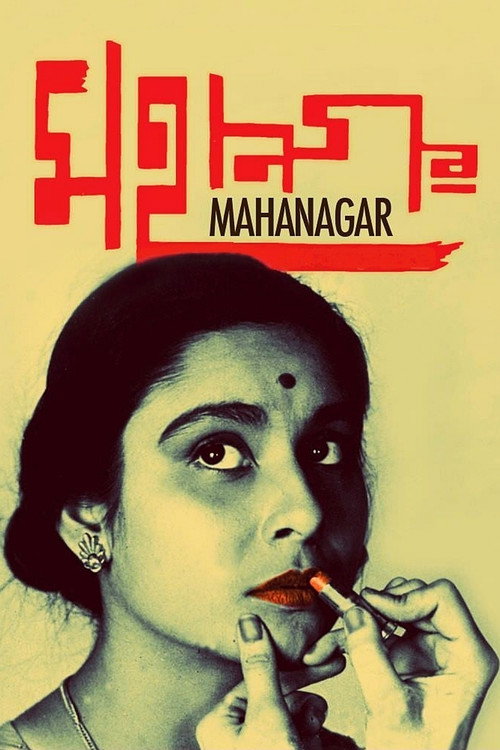
The Big City1963
Both films are more interested in the texture of family and economic pressure than in romance as resolution. Both trust the audience to find profundity in ordinary struggle.
Satyajit Ray's portrait of a middle-class family in Calcutta learning to survive economic pressure and changing gender roles. It has Babul's specificity about Indian domestic life, but Ray's cool observational gaze replaces melodrama with quiet, accumulated detail. You see how people actually live under constraint.
But There is no plot in the conventional sense. It's a film of small moments, which some find undramatic.
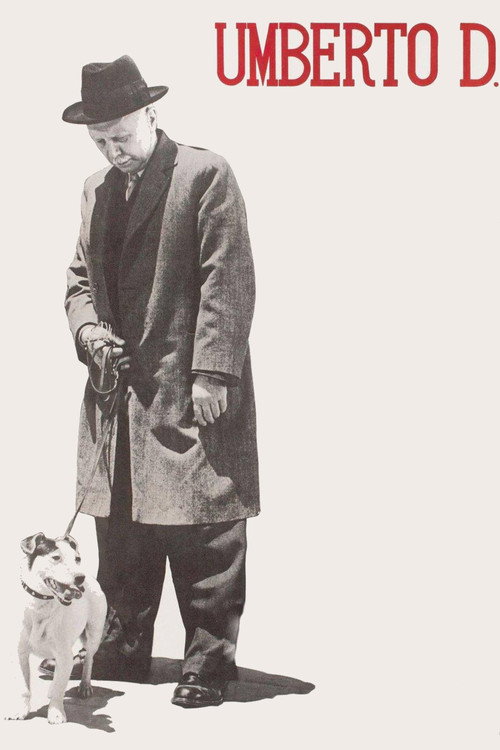
Umberto D.1952
Both films insist that dignity belongs to poor people as much as rich ones, and that the social machinery that diminishes them is the tragedy, not their failure to escape it.
De Sica's Italian neorealist film about an elderly pensioner and his dog, evicted and adrift in Rome. It has zero melodrama and no love story, but the same stubborn refusal to let poverty be invisible or shameful. A different culture, a different medium almost—but the same deep empathy.
But It's bleak and plotless. If you want narrative momentum or emotional catharsis, this will frustrate you completely.
People
Cast
 Dilip KumarAshok
 NargisBela
- Munawar SultanaUsha
- AmarUsha's Father
 Jankidas MehraAshok's Father
 JugnuMunshi
Directing
- Hasan AkhtarAssistant Director
- Kiran KumarAssistant Director
- S.U. SunnyDirector
Writing
- Azm BazidpuriDialogue
- Shakeel BadayuniLyricist
- Azm BazidpuriScreenplay
- Azm BazidpuriStory
Production
- NaushadProducer
- Ramniklal DaveProduction Assistant