
Film
Yahudi
A 1958 Hindi epic that transplants Shakespeare's *Othello* into ancient Rome, complete with star-crossed lovers, racial prejudice, and political intrigue. Dilip Kumar carries the film with brooding intensity as a Jewish man caught between empires. Visually ambitious and emotionally operatic—it's cinema as grand gesture, for viewers who love melodrama with moral weight and don't mind a slow burn.
If you liked this
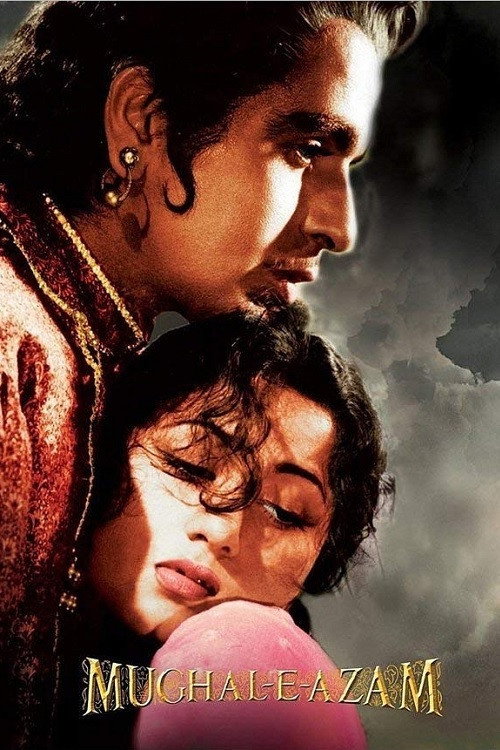
Mughal-e-Azam1960
The apex of Hindi historical cinema, with comparable production scale, romance spanning religious divides, and a lead performance (Dilip Kumar again) that defines the era. If you loved the ambition of *Yahudi*, this is where that school reached its peak.
But Nearly three hours, with lengthy musical sequences that modern viewers often find static. The pacing is leisurely by any standard; patience required.
Devdas1955
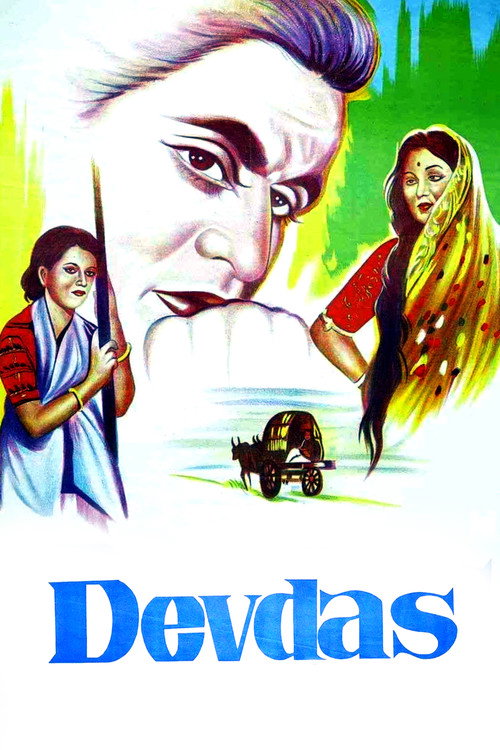
Sohrab Modi's tragic melodrama about a man destroyed by class and family duty. Shares *Yahudi*'s fatalism, richly designed sets, and the belief that romance and social law are irreconcilable forces.
But The sadness is unrelenting and the male lead is passive to the point of helplessness. If you need agency or hope, look elsewhere.
Neel Kamal1947
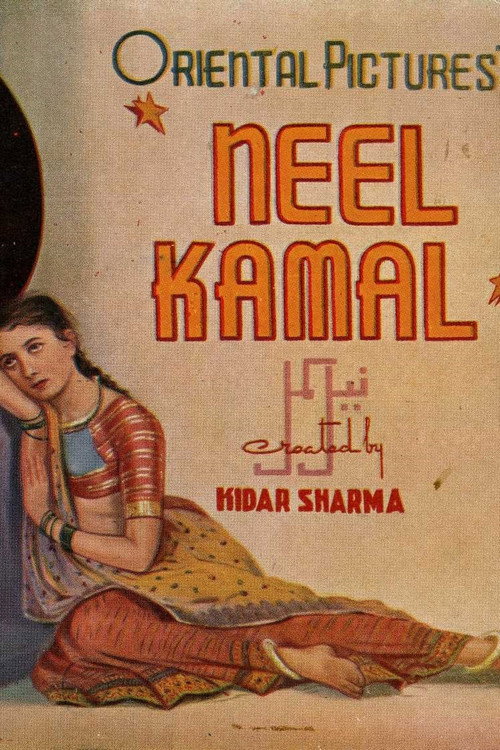
A Dilip Kumar romance that predates *Yahudi* and shows why he became the thinking woman's hero of Hindi cinema. Sophisticated dialogue, genuine chemistry, and a less bombastic approach to emotional stakes.
But The print quality can be rough and the pacing feels dated even for 1947. Harder to find than later Kumar films.
Not sure tonight? Get a pick in a minute, starting from Yahudi
The wildcard
Something you would not have found on your own.
The Silver Chalice1954
Both use ancient Rome and religious identity to explore power and belonging; both are earnest epics that swing for the fences and miss, but miss interestingly.
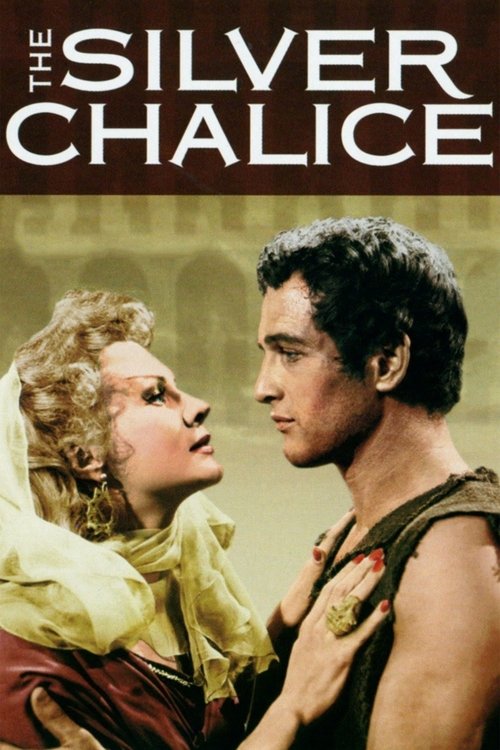
An American biblical epic about early Christianity and Roman power, made the same era as *Yahudi*. Like it, this film treats religious and racial identity as the fulcrum of dramatic conflict, not decoration. Both films believe these questions matter absolutely.
But It's viewed as one of cinema's unintentional disasters—the acting is stilted, the dialogue overwrought, the pacing glacial. Genuinely difficult to sit through, even for lovers of camp.
More like this (4)
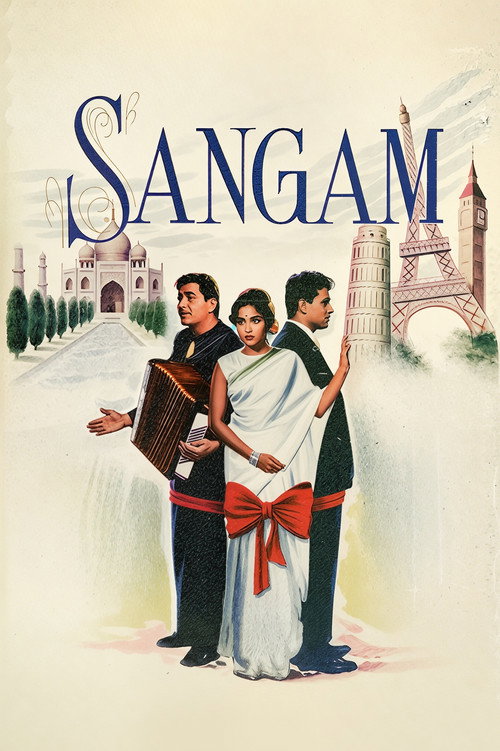
Sangam1964
Rajesh Khanna and Vyjayanthimala in a love triangle that splits along national lines during war. Grand production, memorable music, and the same stakes—love tested by forces larger than the lovers.
But The middle hour drags with subplots that don't deepen the core tension. By 1964 the melodramatic style had begun to feel quaint.
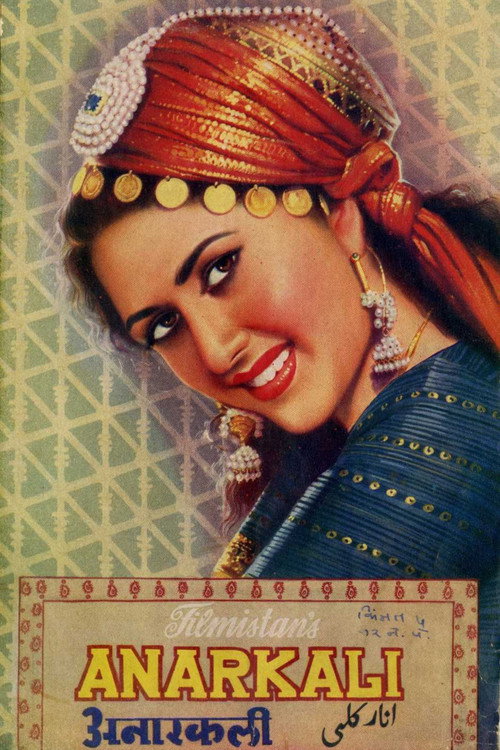
Anarkali1953
A Mughal-era love story with Turhan, a dancing courtesan, and a prince. Like *Yahudi*, it's about lovers destroyed by empire and religious law, with stunning set design and committed performances.
But The second half loses momentum as the plot circles toward its inevitable tragic conclusion. Feels longer than it needs to be.
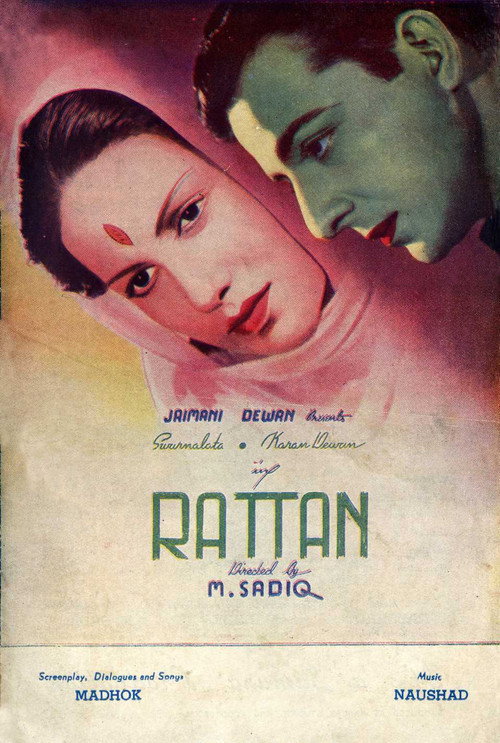
Ratan1944
An earlier Kumar film about class and desire, where he plays against type. Quieter than *Yahudi* but thematically connected—love as transgression, social order as prison.
But The sound design is poor even for the era and the story is thin. It's primarily a curiosity for Kumar devotees, not a standalone experience.
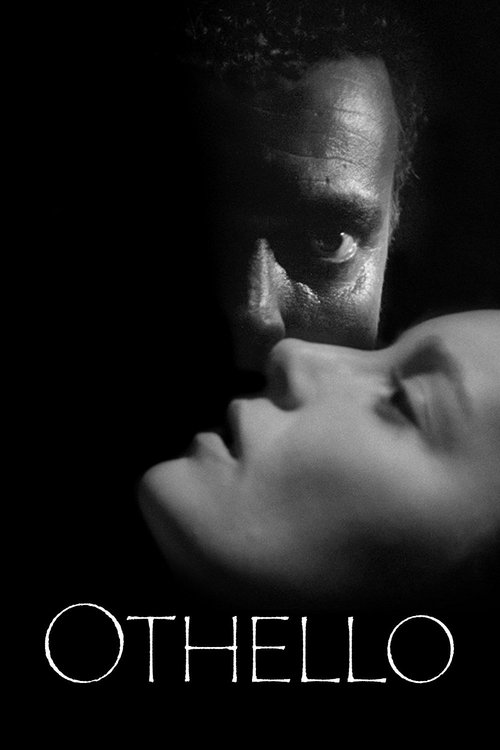
Othello1951
*Yahudi* is a direct rewrite of *Othello* into Hindi cinema, transplanting Shakespeare's tragedy of race and jealousy into ancient Rome and contemporary India. Welles' film is the Shakespearean source material remade as modernist cinema; *Yahudi* is Shakespeare made epic and musical.
Welles' own adaptation of the Shakespeare play that *Yahudi* explicitly rewrites. Shot across years in pieces, visually experimental, and driven by Welles' belief that Othello's tragedy is universal. Seeing both versions shows how radically *Yahudi* localized the story—and what it chose to keep and discard.
But It's fragmented, intentionally difficult to follow, shot in black-and-white on a shoestring budget. The performance style is theatrical and mannered. It is not a comfortable film.
People
Cast
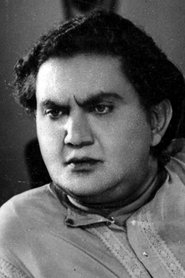
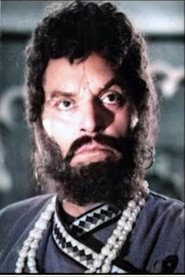
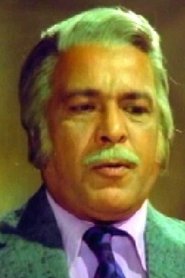
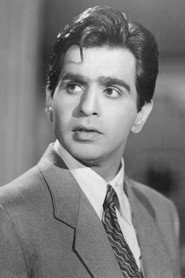 Dilip KumarMarcus
 Meena KumariHannah / Lydia
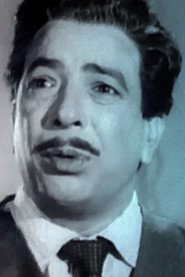 Nazir HussainBrutus
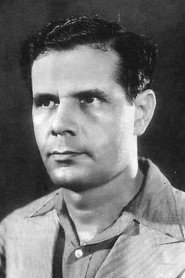 Sohrab ModiEzra
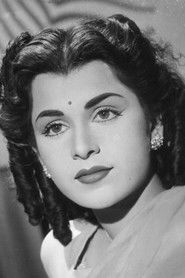 Nigar SultanaOctavia


Directing
- Bimal RoyDirector
Writing
- Nabendu GhoshScreenplay