
Film
Ratan
A 1944 Hindi musical romance about childhood sweethearts separated by an arranged marriage to a man who rejects his young bride. When she reconnects with her lost love, the film explores duty, desire, and the cost of convention through elaborate musical numbers and melodramatic intensity. For viewers drawn to classic Indian cinema's emotional extravagance.
If you liked this
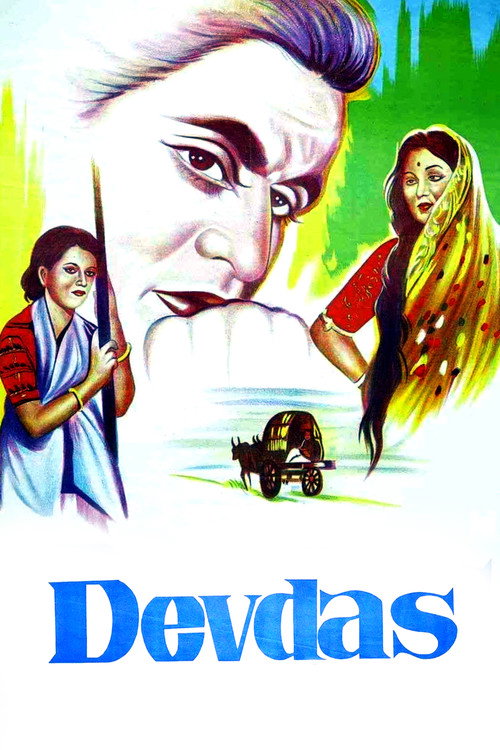
Devdas1955
Bimal Roy's sumptuous remake of the Sarat Chandra classic shares Ratan's tragic romantic entanglement and use of music to heighten emotional devastation. Dilip Kumar and Suchitra Sen are unforgettable in a story about love that cannot be lived.
But At three and a half hours, it's a commitment. The melodrama is pitched at operatic levels that can feel overwrought to modern viewers.
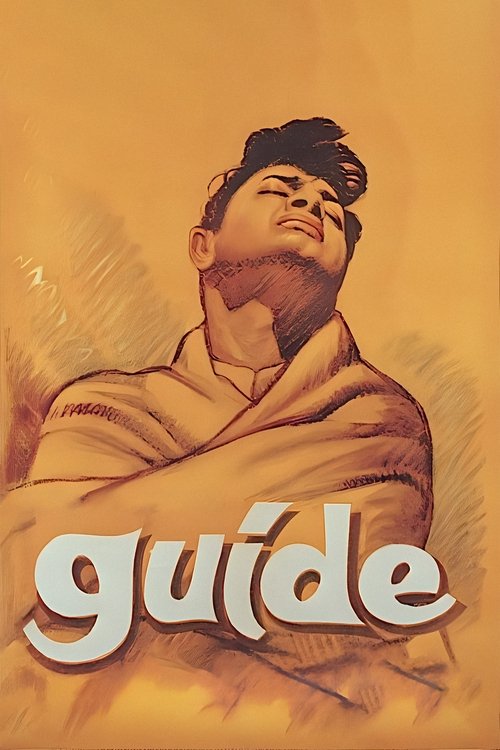
Guide1965
Vijay Anand's masterpiece examines the collision between desire and social obligation through a relationship that defies convention. Visually stunning, with Dev Anand's charisma and a landmark score by S.D. Burman.
But The second half shifts into territory the first half doesn't prepare you for. Some find the tonal shift jarring rather than deepening.
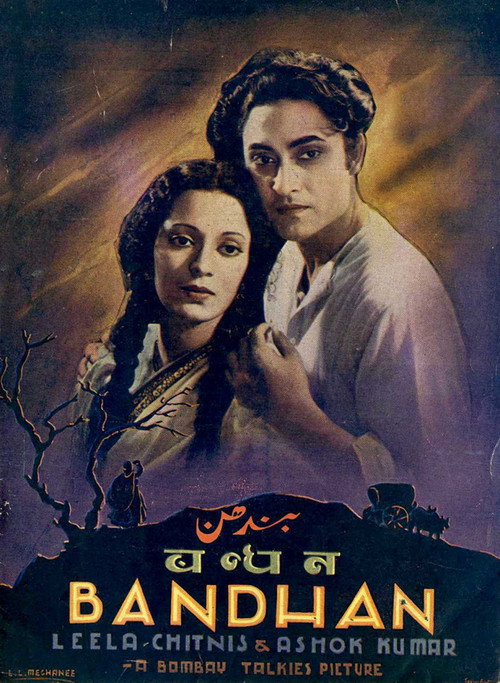
Bandhan1940
A contemporary of Ratan exploring similar themes of arranged marriage and emotional displacement. Offers a fascinating window into how Hindi cinema was processing these conflicts in wartime.
But Pre-1950s Indian cinema can feel visually flat and narratively repetitive to those unfamiliar with the era's conventions.
Not sure tonight? Get a pick in a minute, starting from Ratan
The wildcard
Something you would not have found on your own.
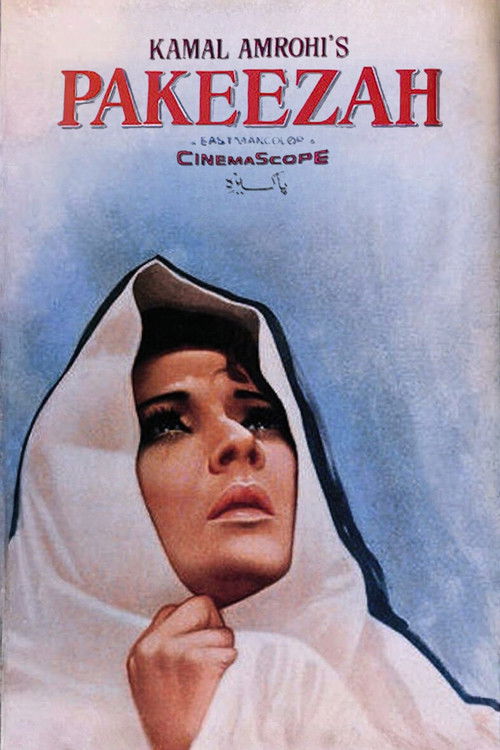
Pakeezah1972
Both films use elaborate musical sequences to express the emotional truths their characters cannot speak aloud. Both pit love against the social structures that bind it.
Kamal Amrohi's masterpiece—made over fifteen years—about a courtesan's daughter torn between love and respectability. It uses music and dance to express what dialogue cannot. Meena Kumari's face in close-up is itself a kind of music.
But At 149 minutes, it's languid and requires patience. Some will find it precious rather than moving.
More like this (8)
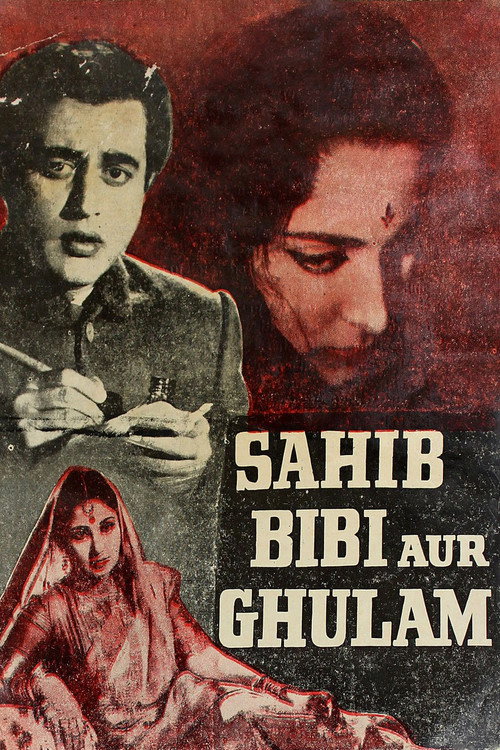
Sahib Bibi Aur Ghulam1962
Abrar Alvi's sensual drama about a woman trapped in a loveless marriage who finds solace elsewhere. Meena Kumari is heartbreaking; the film treats desire with rare sophistication for its era.
But Pacing is deliberate and mood matters more than plot momentum. Not a film that grabs you instantly.
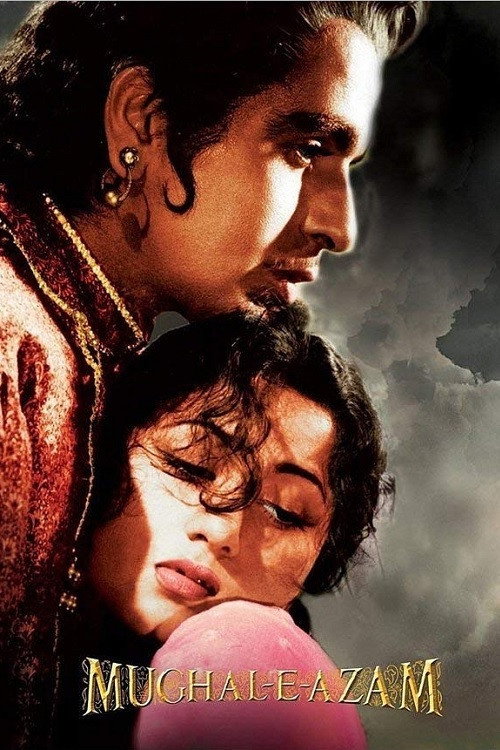
Mughal-e-Azam1960
The gold standard of Indian historical romance—jaw-dropping production design, unforgettable music, and the Prince-Anarkali love story as cinema's most lavish expression of forbidden desire.
But Three hours and forty minutes of period spectacle. The narrative simplicity can feel slight compared to the visual gorgeousness.
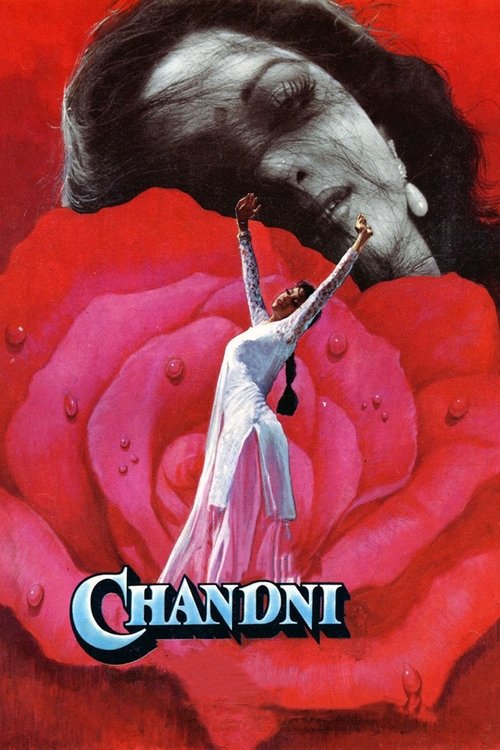
Chandni1989
Yash Chopra's romantic extravaganza proved that the melodramatic love story was not dead. Sridevi and Rishi Kapoor in a film about choosing love over logic, with perhaps cinema's most joyful use of snow.
But It's unabashedly synthetic—glossy, formulaic, designed to manipulate. If you resist the machinery, it falls apart.
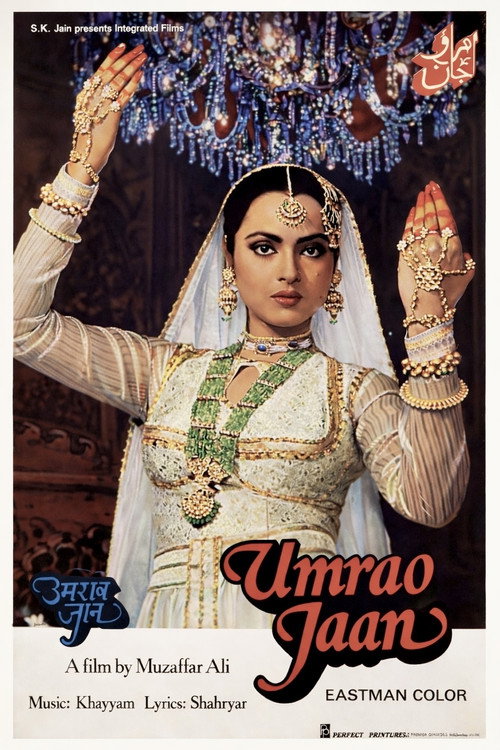
Umrao Jaan1981
Muzaffar Ali's visually intoxicating film about a courtesan and her lost love, told through some of the most gorgeous cinematography and music in Indian cinema. Rekha gives one of her finest performances.
But The pacing is stately to the point of stasis. Narrative tension takes a back seat to mood and aesthetic.
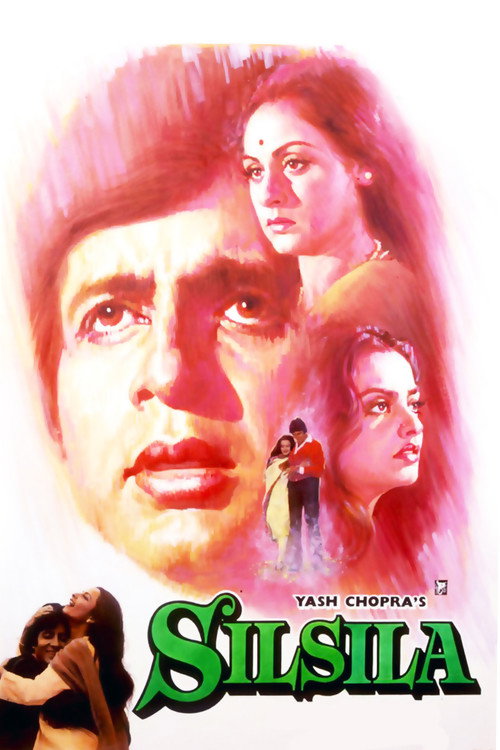
Silsila1981
Yash Chopra's triangular romance with Amitabh Bachchan and Jaya Bachchan exploring the space between duty and desire. Lush, glamorous, and genuinely uncomfortable about its central moral question.
But Some sequences feel dated; the film occasionally loses conviction about what it wants you to feel.
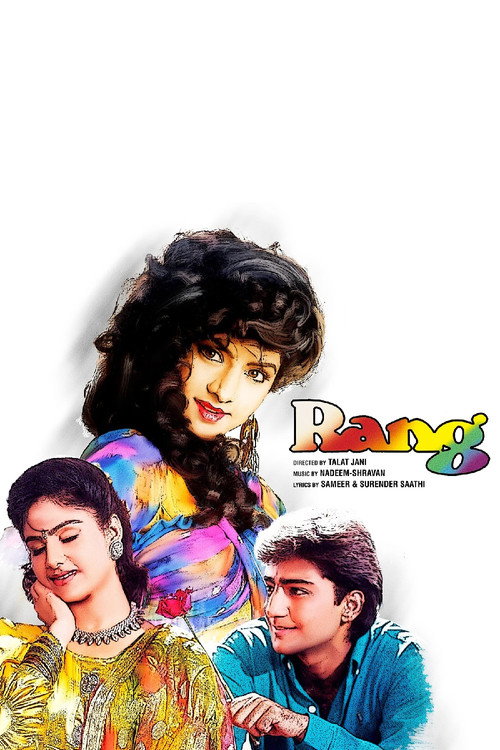
Rang1993
A lesser-known gem about marriage, infidelity, and longing. More understated than Ratan but working from the same emotional terrain—what happens when duty and desire collide.
But It's genuinely obscure, which means you may struggle to find it. The subtler approach won't satisfy those wanting grand melodrama.
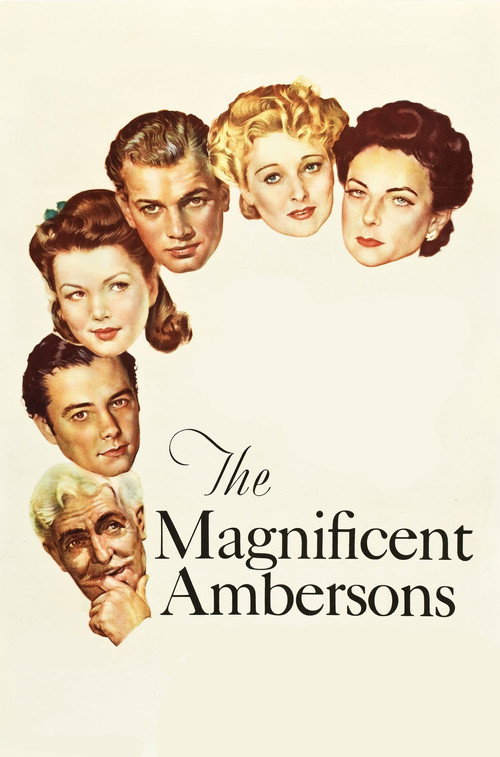
The Magnificent Ambersons1942
Both explore how social position and family obligation can make love structurally impossible, even for people meant for each other. Both are products of wartime cinema wrestling with romance as tragedy.
Welles's film, made in the same year as Ratan, explores how class and social obligation destroy a romance before it begins. It's America's version of the same heartbreak—technically and formally audacious.
But The studio cut the film by 43 minutes after Welles left. What remains is brilliant but fractured, and studying its scars is not the same as experiencing its whole vision.
In the Mood for Love2000
Both films accept that some loves cannot be consummated and find their poetry in that impossibility. Both use visual beauty and music not to obscure the tragedy but to dignify it.
Wong Kar-wai's Hong Kong masterpiece about two neighbors who discover their spouses are having an affair. Told almost entirely through costume, production design, and gesture rather than dialogue. The longing is unbearable.
But It's a tone poem, not a plot. If you need incident and conflict to stay engaged, this will feel like watching paint dry very slowly.

People
Cast
Directing
- M. SadiqDirector
Writing
- D.N. MadhokLyricist
- D.N. MadhokWriter
- R.S. ChoudhuryWriter
Production
- A.J. KardarProducer