
Film
Naya Daur
A 1957 Indian melodrama about tradition colliding with progress. Shankar, a horse-cart driver, finds his livelihood threatened when his employer's son introduces mechanization to their rural village. Dilip Kumar anchors this sweeping moral tale with quiet dignity, while the film builds toward conflict between old ways and new economies. It's intimate and political at once.
Should you watch it?
Watch it if you love old-fashioned studio melodrama with a social conscience, where songs carry the story and a lone worker's stubbornness feels like a fight worth watching.
Skip it if you find three hours of 1950s sentiment and rustic courtship hard going, or you bristle at a story that tilts its argument about progress toward one side.
What it asks of you: Settle in for a long, unhurried stretch, nearly three hours with song breaks and slow village scenes before it gathers speed, and bring patience for theatrical acting.
Not sure? Find tonight's pick in a minute.
If you liked this
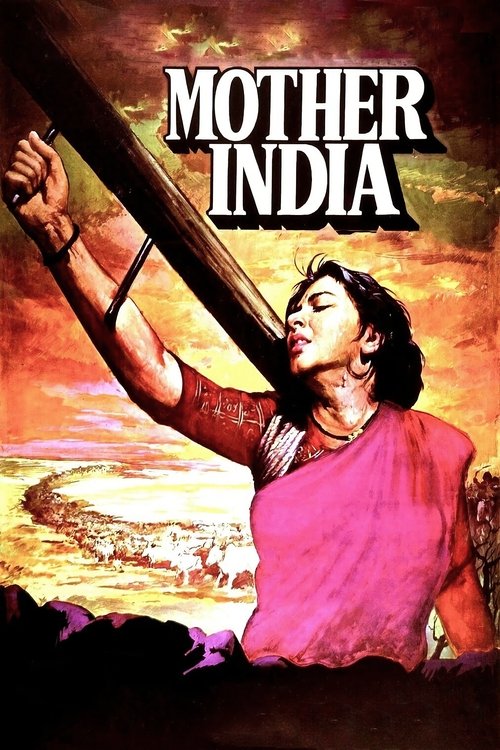
Mother India1957
Nargis gives one of cinema's greatest performances as a mother who sacrifices everything for her sons. Like Naya Daur, it's a deeply felt drama about rural hardship, motherhood, and the costs of survival. A true classic that defined Indian cinema.
But Nearly four hours long, and emotionally exhausting—this is not escapism. The pacing is deliberate in ways modern viewers sometimes find slow.
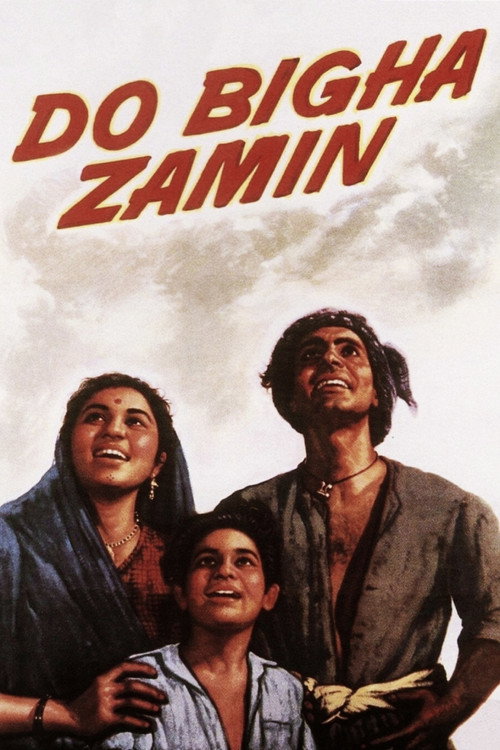
Two Acres of Land1953
Balraj Sahni is heartbreaking as a farmer fighting to save his small plot of land from industrial encroachment. It shares Naya Daur's theme of ordinary people crushed by economic forces beyond their control, with the same humanist rage.
But The ending is bleak and offers no catharsis. If you need hope, this will frustrate you.
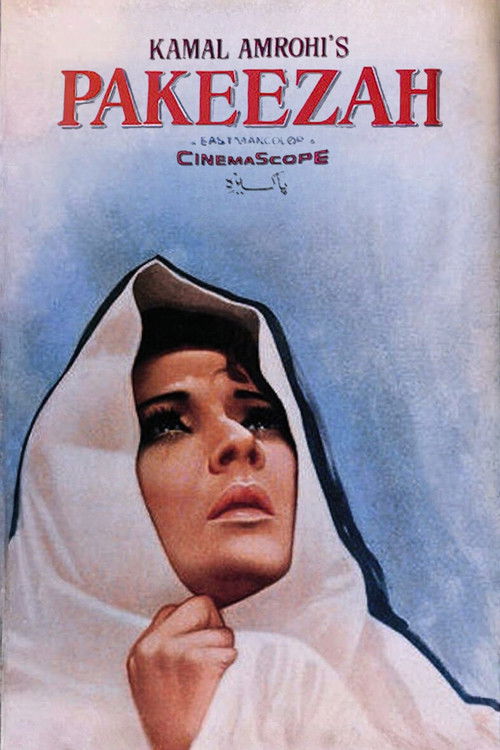
Pakeezah1972
Meena Kumari in a role of extraordinary complexity—a courtesan-dancer confronting caste and respectability. Like Naya Daur, it's visually sumptuous melodrama that takes its emotional stakes seriously and never condescends to its characters.
But It's very long, very stylized, and the framing of women's sexuality may feel dated. Demands patience with its aesthetic.
Not sure tonight? Get a pick in a minute, starting from Naya Daur
The wildcard
Something you would not have found on your own.
Bicycle Thieves1948
Both films use the loss of a working person's livelihood as the engine for tragedy, but The Bicycle Thieves strips away melodrama to show how poverty functions in real time. Same moral rage, stripped bare.
An Italian neorealist masterpiece about a father and son searching for a stolen bicycle in postwar Rome—his livelihood depends on it. Like Naya Daur, it's about ordinary people undone by economic desperation, but shot with documentary clarity instead of melodrama. Heartbreaking and humanist.
But It's in Italian, black-and-white, and has no score or theatrical flourish. The realism is unvarnished and can feel austere. Only 89 minutes, though—quite compact.

More like this (8)
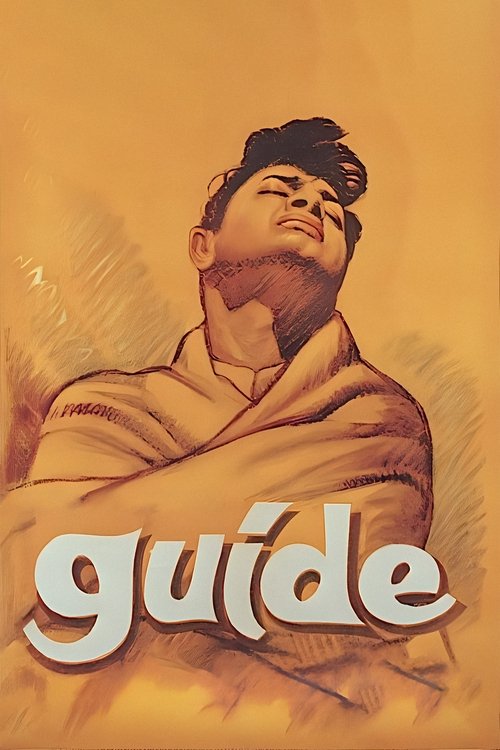
Guide1965
Dev Anand and Waheeda Rehman in a sophisticated drama about ambition, desire, and spiritual awakening. It shares Naya Daur's willingness to complicate its characters and explore moral grey zones without easy answers.
But The narrative structure is unconventional and can feel disjointed. Some will find it self-indulgent rather than profound.
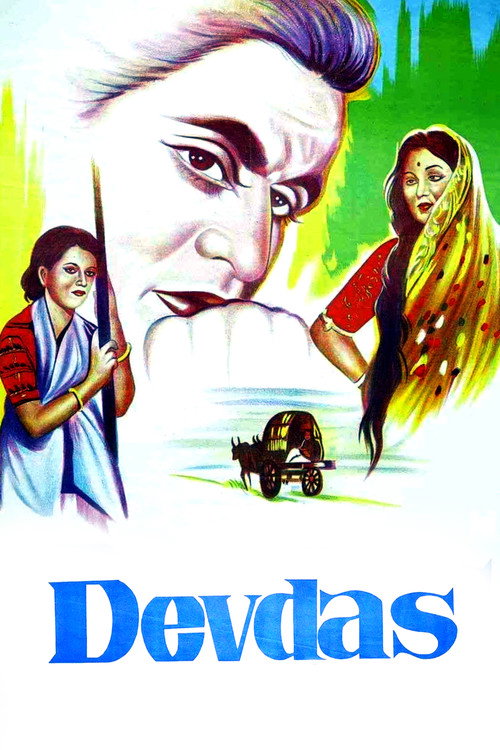
Devdas1955
Dilip Kumar himself, in a different register—haunted and self-destructive rather than stoic. Suchitra Sen and Vyjayanthimala (your Naya Daur co-star) complete a tragic triangle. A lush, operatic take on doomed love.
But It's a three-hour-plus tragedy about alcoholism and despair. Unrelentingly bleak, and the gender politics are of its time.
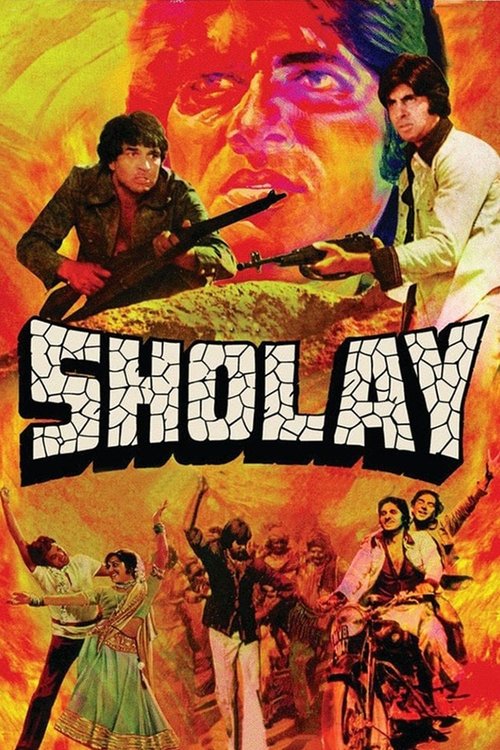
Sholay1975
An action epic that still feels alive—two drifters hired to catch a dacoit. It has Naya Daur's interest in ordinary lives against a larger landscape, but trades melodrama for humor, friendship, and spectacular set-pieces. Hugely entertaining.
But At 169 minutes it sprawls, and the sexual violence is handled without modern sensitivity. Some will find it dated despite its reputation.
Pather Panchali1955
Satyajit Ray's masterpiece about a poor Bengali family struggling to survive. Like Naya Daur, it finds beauty and dignity in rural hardship, but with a neorealist eye instead of melodrama. Deeply moving and formally inventive.
But It's slow, quiet, and offers no plot in the conventional sense. If you need narrative momentum or clear conflict, it will test you.

Chariots of Fire1981
Two runners in 1920s Britain—one Jewish, one Scottish—compete while navigating faith, class, and belonging. Like Naya Daur, it's invested in the psychology of underdogs and has a moral seriousness that refuses to simplify its characters.
But It's very English, very mannered, and some find its earnestness off-putting. The running scenes can feel repetitive.

The Third Man1949
Carol Reed's Vienna-set thriller with Orson Welles. It shares Naya Daur's interest in how individuals are crushed by larger systems—here, corruption and Cold War intrigue instead of mechanization, but the moral architecture is similar.
But It's a genre film first, which means less emotional depth than character drama. Black-and-white and quite fast-paced compared to what you're watching.

Stalker1979
Both films explore how people navigate systems—economic, spiritual, political—that transform them. Naya Daur is concrete and urgent; Stalker is allegorical and transcendent. Different languages, same question: what does survival cost the soul?
Andrei Tarkovsky's philosophical science-fiction film about a guide leading two men through a mysterious zone toward a wish-granting room. Meditative, visually hypnotic, morally complex. It's about desire, faith, and what people will sacrifice for meaning.
But It's 163 minutes of slow, contemplative cinema with minimal plot. If you're watching for narrative momentum or genre thrills, you'll be frustrated. Requires active patience.

The Seventh Seal1957
Both were made in 1957 and both treat ordinary people confronting forces larger than themselves—economic in one case, metaphysical in the other. But they represent entirely different cinematic traditions asking the same question: how do we live when the world is indifferent?
Bergman's Swedish masterpiece: a knight plays chess with Death during the plague. It's operatic, philosophical, and visually unforgettable. Like Naya Daur, it takes mortality and meaning seriously, refusing easy consolation.
But It's abstract, symbolic, and European high cinema—miles from Naya Daur's melodrama. Black-and-white, subtitled, and demands you meet it on its own terms. Some will find it pretentious.

People
Cast
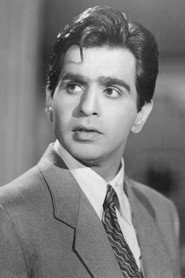 Dilip KumarShankar
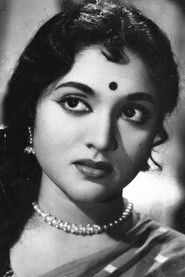 VyjayanthimalaRajni
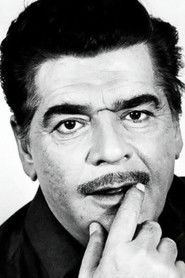 Ajit KhanKrishna
 Chand UsmaniManju
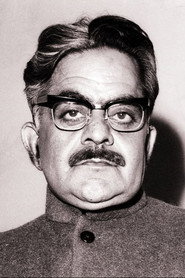 Manmohan KrishnaJumman Dada
 Leela ChitnisShankar's Mother
- Pratima DeviRajni's Mother
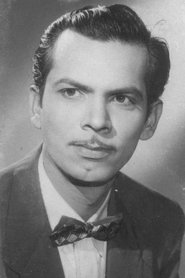 Johnny WalkerAnjana
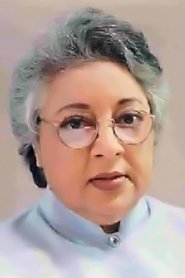 Daisy IraniChiku Master
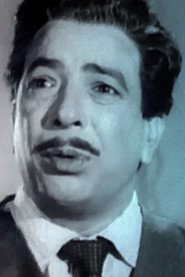 Nazir HussainSeth Maganlal
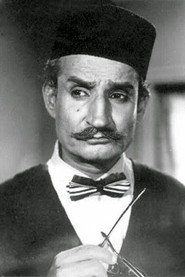 Jeevan DharKundan

Directing
- B.R. ChopraDirector
Writing
- Kamil RashidDialogue
- Akhtar MirzaWriter
Production
- B.R. ChopraProducer
Recommended by
Waqt, Shakti, Aan, Teesra Kaun, C.I.D., Aaina, Funtoosh, Khandan, Mere Mehboob, Babul