
Film
Waqt
Other titles called Waqt: the 2005 film.
A 1965 Bollywood epic where an earthquake shatters a family, scattering them across India for years. When they finally reunite in a courtroom, the father and sons find themselves on opposing sides of a crime—a machinery of fate that asks whether justice and family loyalty can coexist. It's operatic, melodramatic, and utterly gripping.
Should you watch it?
Watch it if you love old-school Bollywood melodrama where coincidence, lost siblings and sweeping family fate are the point, and you enjoy a courtroom climax that tugs hard at the heartstrings.
Skip it if you want restrained realism or quick pacing, since at nearly three hours with song interludes and big theatrical emotion, the sentiment and runtime can feel like a lot to sit through.
What it asks of you: Settle in for a bit under three hours with patience for musical breaks and broad, heightened emotion, and be ready to let the melodrama carry you rather than expecting subtle naturalism.
Not sure? Find tonight's pick in a minute.
If you liked this
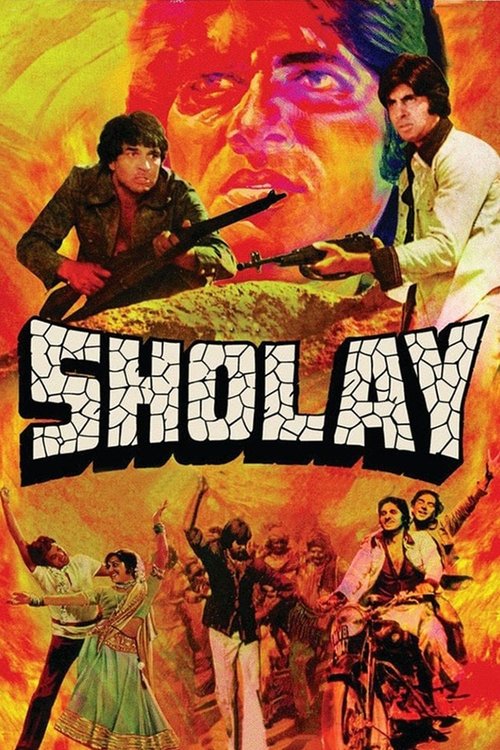
Sholay1975
The gold standard of Hindi cinema: two drifters hired to catch a bandit, with friendships tested, betrayals that wound, and set pieces that still astonish. Shares Waqt's sense of epic scale and moral complexity.
But At nearly three hours, it's a commitment. The pacing is deliberate; patience with silence and stillness is required.
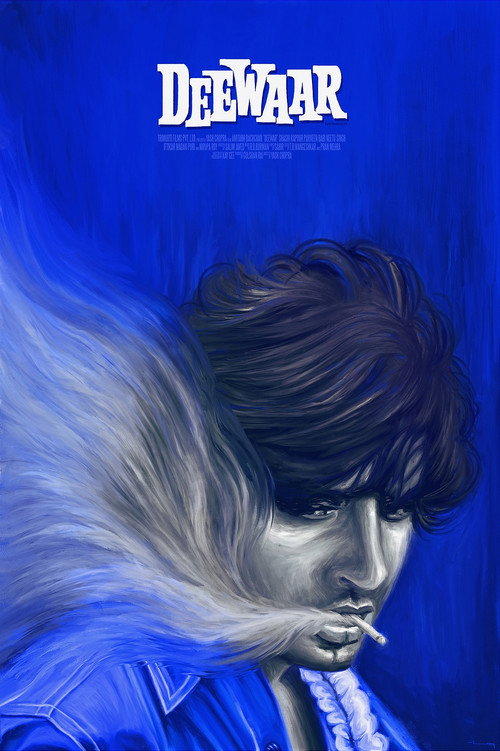
Deewaar1975
A son and mother on opposite sides of a moral divide, with Amitabh Bachchan delivering one of cinema's greatest performances. The family fracture and its slow healing mirror Waqt's core tragedy and redemption.
But The melodrama reaches heights that feel almost unreal. If emotional extremity embarrasses you, this will test that.
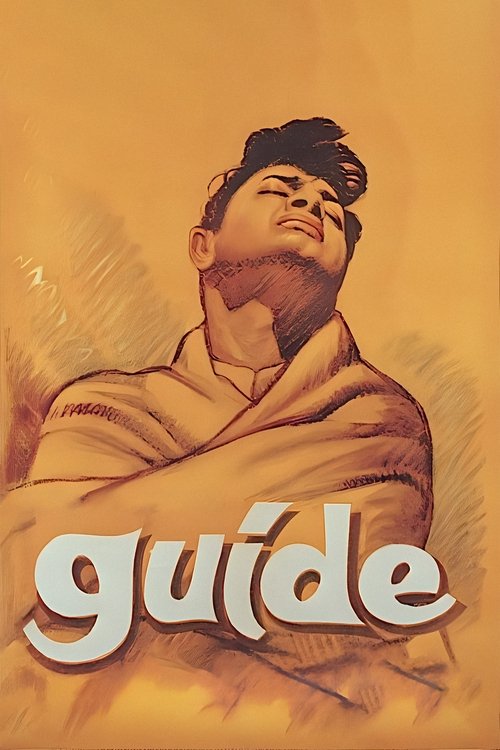
Guide1965
Dev Anand as a tour guide who becomes a con man, a lover, a prisoner—all in the same year. Like Waqt, it's about men undone by circumstance and the moral ambiguity of survival. A masterpiece of reinvention.
But The second half shifts tone dramatically. The philosophical turn will feel abrupt if you're expecting straightforward narrative momentum.
Not sure tonight? Get a pick in a minute, starting from Waqt
The wildcard
Something you would not have found on your own.
Harakiri1962
Both films hinge on a man's inability to bend his conscience to save himself. Both ask: what does integrity cost, and is it worth it?
A samurai demands to commit ritual suicide in a clan's courtyard; the truth about his request unravels the institution's hypocrisy. It's a different world and a different register, but it's fundamentally about how systems destroy families and how men choose death over complicity.
But It's a black-and-white Japanese film about ritual suicide. The bleakness is absolute; there's no redemption, only clarity. Not for anyone seeking catharsis.

More like this (8)
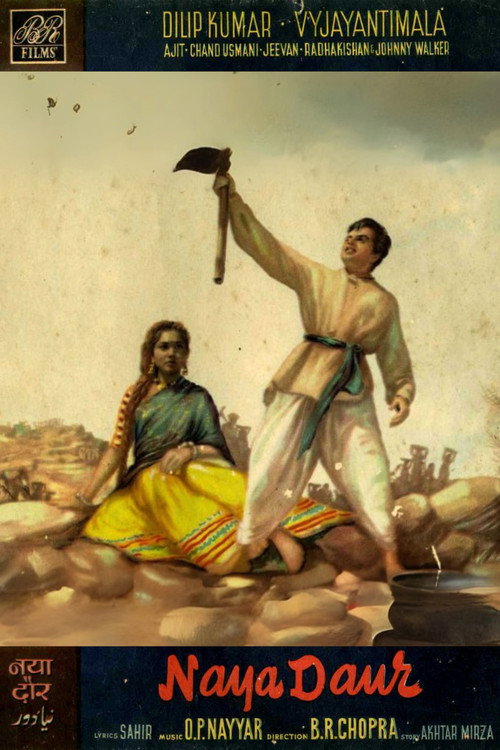
Naya Daur1957
Dilip Kumar and Vyjayantimala in a love story bracketed by industrial change and class struggle. It shares Waqt's epic ambition and its belief that personal stories matter because history passes through them.
But The political messaging can feel dated. The romance, though beautiful, takes a backseat to the larger argument being made.
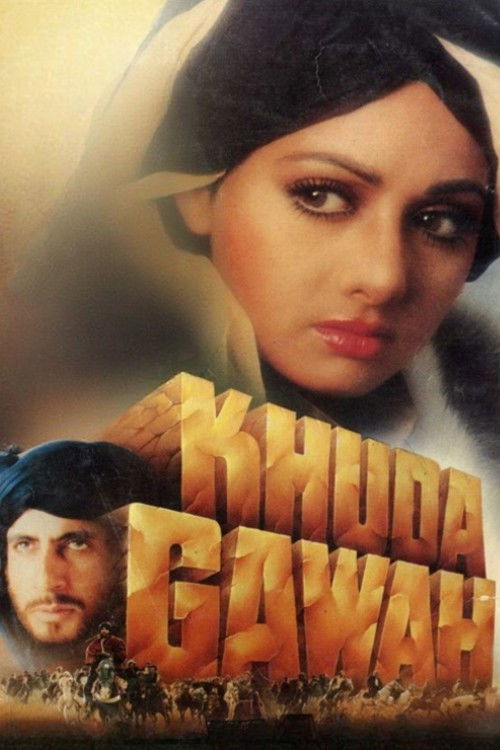
Khuda Gawah1992
Amitabh Bachchan and Sridevi in a revenge saga spanning decades and continents. The sprawl, the separated family, the moral reckoning—it's Waqt reborn in the 90s, bigger and louder.
But It's a three-hour film about grief that sometimes feels like four hours. The pacing meanders in ways that feel indulgent even to patient viewers.
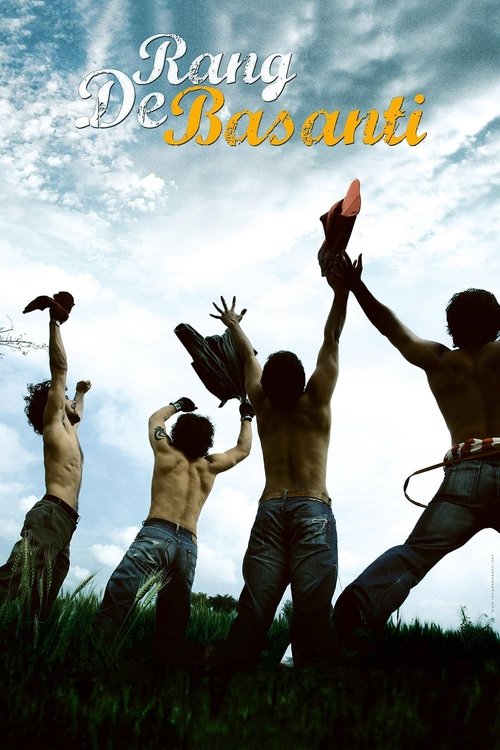
Rang De Basanti2006
Young men bound by friendship grapple with corruption and mortality. It captures the idealism-to-disillusionment arc that makes Waqt resonate: the moment you realize the world won't bend to fairness.
But The Aamir Khan charm can feel slick; the emotional stakes, while real, are occasionally undercut by the film's own eagerness to please.
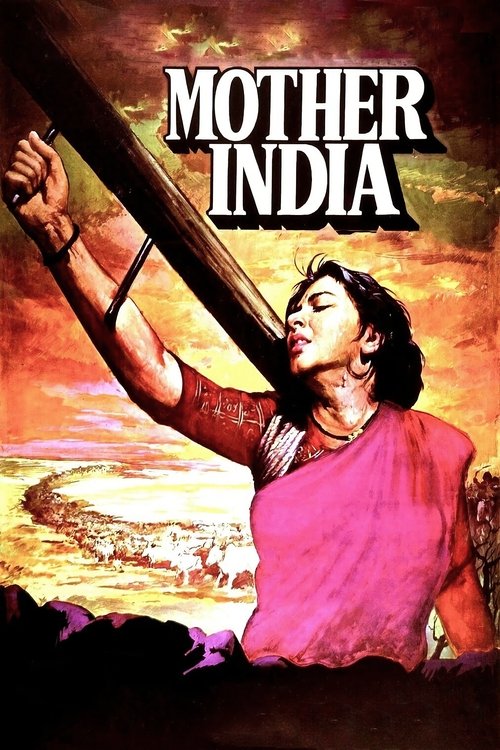
Mother India1957
Nargis as a mother watching her sons spiral into ruin and criminality. It's Waqt's spiritual ancestor—the family as crucible, suffering as the price of survival, maternal love as the only absolute.
But The village setting and pre-modern sensibility feel remote. Modern audiences sometimes find the fatalism oppressive rather than tragic.
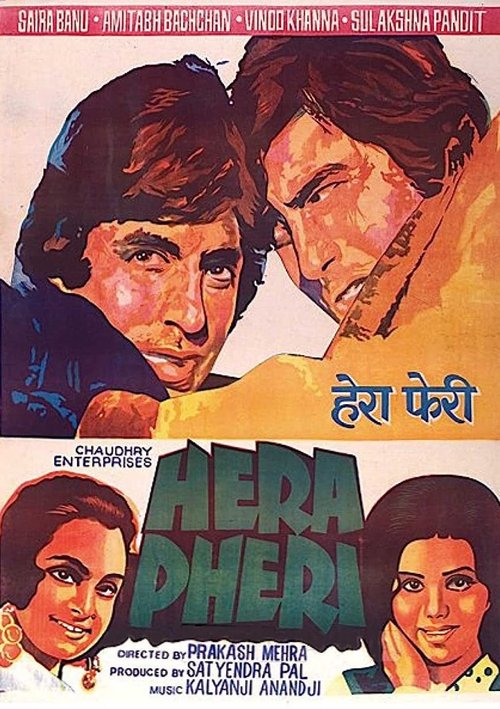
Hera Pheri1976
Three con men, a secret past, a treasure hunt. Like Waqt, it's about men bound by circumstance and the lies they tell themselves. It's lighter, but built on the same engine of contingency and regret.
But The tone is uneven; it can't quite decide if it's a heist film or a character study, and the tonal shifts feel uncertain rather than deliberate.
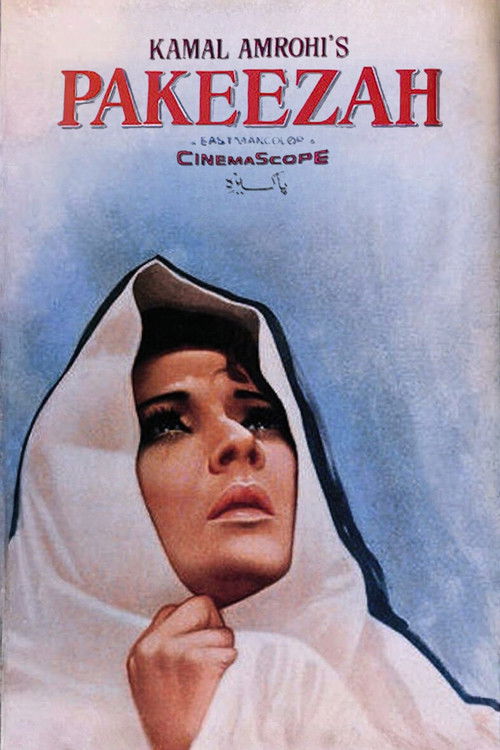
Pakeezah1972
A courtesan and a nobleman separated by class and circumstance. It's purely melodramatic, gorgeously shot, and shameless about the intensity of longing. Waqt's twin in emotional excess and visual poetry.
But The attitudes toward women feel archaic, and the purity-obsession in the plot can feel actively hostile to modern sensibilities.
Bicycle Thieves1948
Both films understand that the separation of fathers and sons is a kind of earthquake, and that reunion doesn't repair what breaking changed.
A father and son in Rome, one day, searching for a stolen bicycle that means their family's survival. The scale is intimate against Waqt's epic sweep, but the emotional engine is identical: a man's desperation, his son's witnessing of his failure, the fracture between them that nothing can quite repair.
But It's Italian neorealism from 1948, shot in grainy black-and-white with non-professional actors. If you want spectacle or a score to tell you what to feel, look elsewhere. The stillness requires you.

The Godfather Part II1974
Both treat the family not as sanctuary but as the stage where history and morality collide. Both suggest that tragedy isn't accidental—it's structural.
Two timelines: Vito's rise and Michael's reign, parallel narratives of men becoming what they swore they'd never be. Like Waqt, it's a family saga where love and loyalty and crime become indistinguishable, and power is the only language left to speak.
But It's nearly four hours and demands you track two parallel stories. The moral numbness of the Corleones can feel suffocating if you're seeking traditional catharsis.

People
Cast
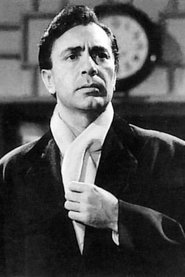 Balraj SahniKedarnath
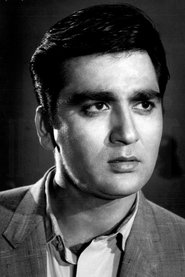 Sunil DuttRavi
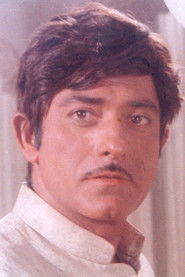 Raaj KumarRaju
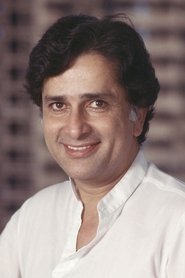 Shashi KapoorMunna / Vijay Kumar
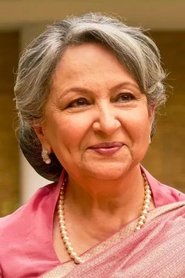 Sharmila TagoreRenu Khanna
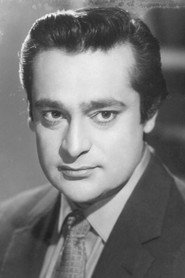 RehmanChinoy
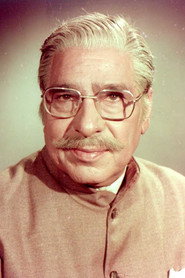 Madan PuriBalbir
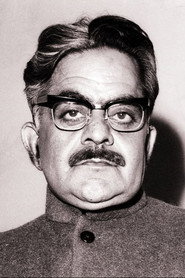 Manmohan KrishnaMr. Mittal
 Leela ChitnisMrs. Mittal
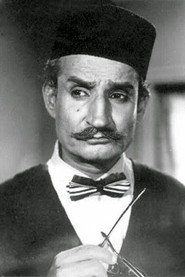 Jeevan DharOrphanage Warden
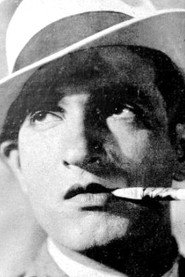 SurendraMr. Khanna
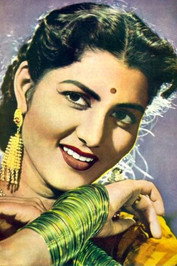 ShashikalaRani Sahiba
Directing
- Yash ChopraDirector
Writing
- Akhtar-ul-ImanDialogue
- Akhtar MirzaStory
Production
- B.R. ChopraProducer
Recommended by
Chupke Chupke, Hera Pheri, Devdas, Arzoo, Aaina, Suraj, Gharana, Do Aur Do Paanch, Khilari, Saraswatichandra, Nau Do Gyarah, Khamoshi