
Film
Gharana
A 1961 Hindi family drama about tension and discord roiling through a wealthy household, sparked by a mother-daughter dynamic. It's a character-driven ensemble piece about resentment, inheritance, and whether love can survive competing ambitions. Warm and thoughtful rather than heavy, with strong performances anchoring its domestic conflicts.
If you liked this
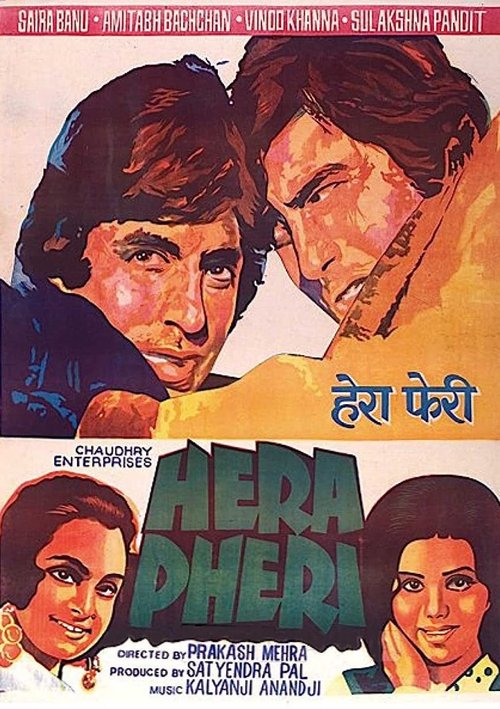
Hera Pheri1976
A masterclass in ensemble comedy-drama that balances humour with genuine emotional stakes. Multiple characters with competing desires, witty writing, and performances that shift fluidly between funny and poignant.
But It asks patience with multiple plotlines and tonal shifts. Some comedy beats feel dated if you're watching it for the first time today.
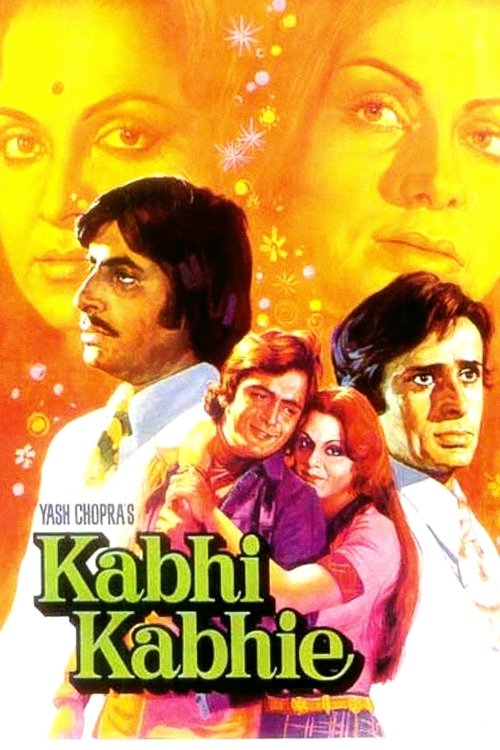
Kabhi Kabhie1976
Explores family bonds, romantic entanglement, and how love complicates loyalty with surprising depth. Gorgeous to watch, with Amitabh Bachchan giving one of his most restrained performances alongside Raaj Kumar.
But The film meanders. It trusts you to sit with mood and character over plot momentum, which can feel slow in stretches.
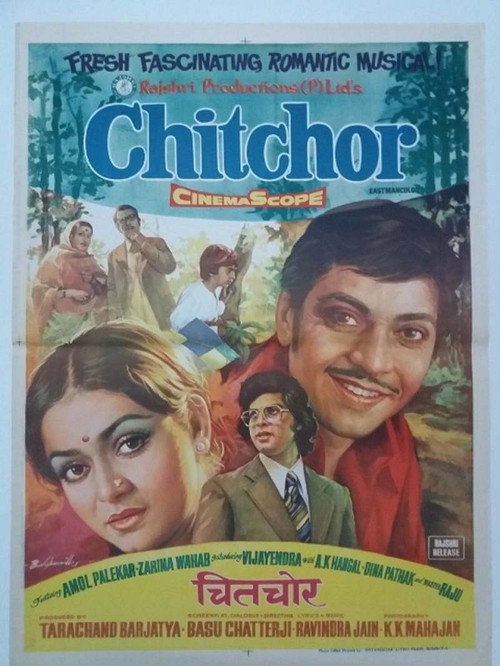
Chitchor1976
A domestic comedy-drama about marriage, in-laws, and adjusting to each other with genuine warmth and humour. Manages to be both funny and touching without ever feeling saccharine.
But It's a modest film with modest ambitions. If you're looking for spectacle or high stakes, this will feel small and slight.
Not sure tonight? Get a pick in a minute, starting from Gharana
The wildcard
Something you would not have found on your own.
Pather Panchali1955
Both are intimate portraits of household dynamics and class anxiety. Pather Panchali shows it through rural poverty, Gharana through urban wealth, but the emotional terrain—obligation, resentment, affection—is shared.
Satyajit Ray's foundational work observes family life with documentary precision—small moments of joy and sorrow, financial strain, and how love persists anyway. It redefined what cinema could do.
But It's austere and slow, shot in high contrast black and white. Nothing dramatic happens in the plot sense; it's about living.

More like this (7)
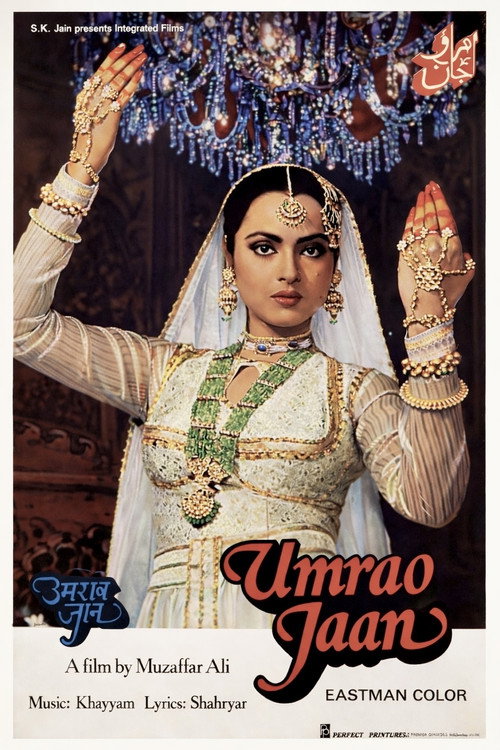
Umrao Jaan1981
An ensemble narrative exploring class, morality, and belonging through interwoven lives. Beautifully crafted with nuanced performances and a moral seriousness that never preaches.
But It's slow and deliberately paced. The tragedy runs deep, which can feel heavy if you're in the mood for lighter fare.
Anupama1966
A character study of a woman navigating family expectations and personal desire. Remarkably modern in its emotional honesty, with a luminous central performance.
But The conflict is largely internal and psychological. It doesn't resolve neatly, which some find unsatisfying.

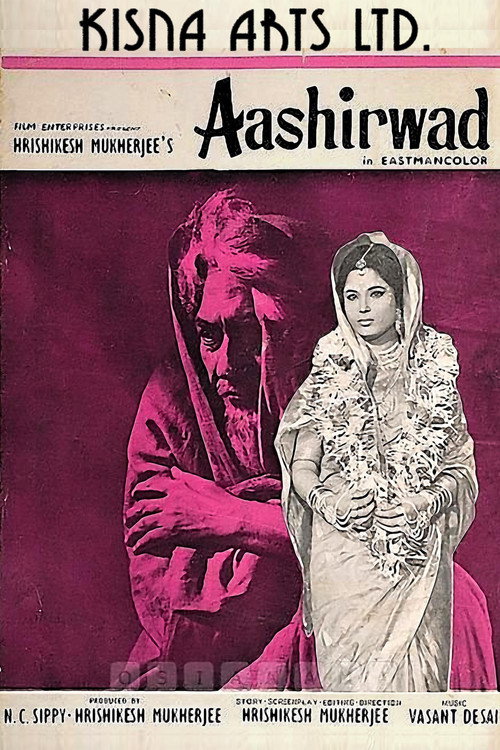
Aashirwad1968
A family drama about inheritance and obligation, with an excellent cast bringing texture to competing perspectives. Surprisingly nuanced about how love and money tangle together.
But The pacing drags in the middle. It's a film that works better in retrospect than moment-to-moment.
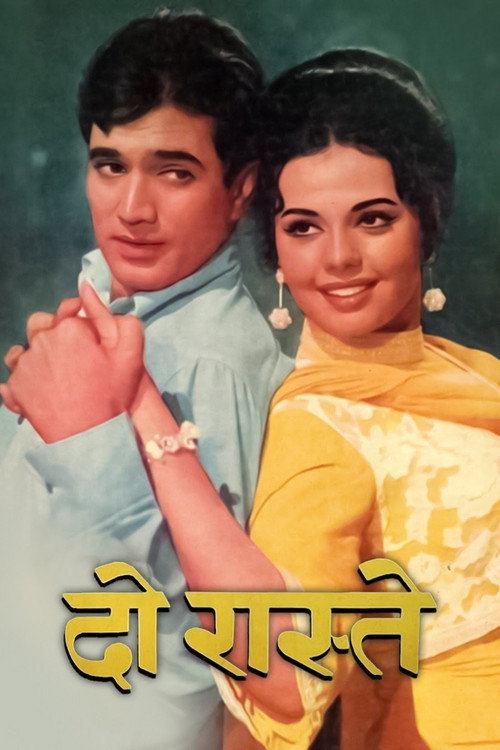
Do Raaste1969
An ambitious drama about moral choices and family duty, with Rajesh Khanna in a role that demands real acting. The social commentary is earned rather than imposed.
But It wears its message on its sleeve sometimes. The second half relies on coincidence more than character logic.
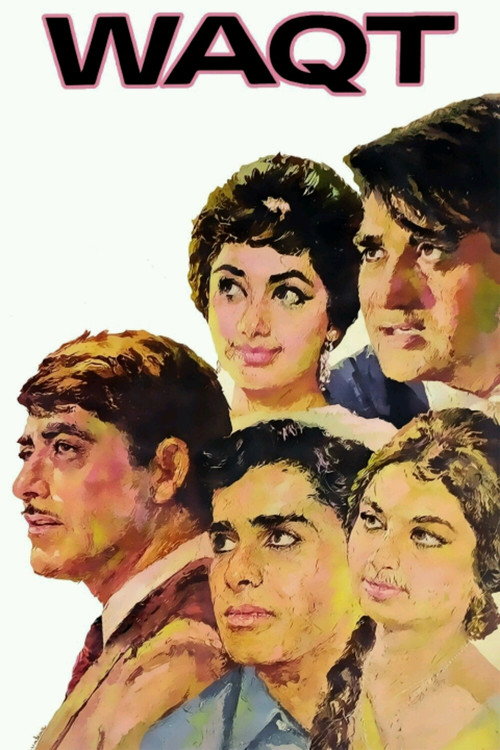
Waqt1965
A sweeping family saga split across time, exploring how circumstance and choice fracture and repair bonds. A technical and narrative achievement for its era.
But It's nearly three hours long and structured like a Dickens novel—multiple characters, fragmented storylines, a lot to track.
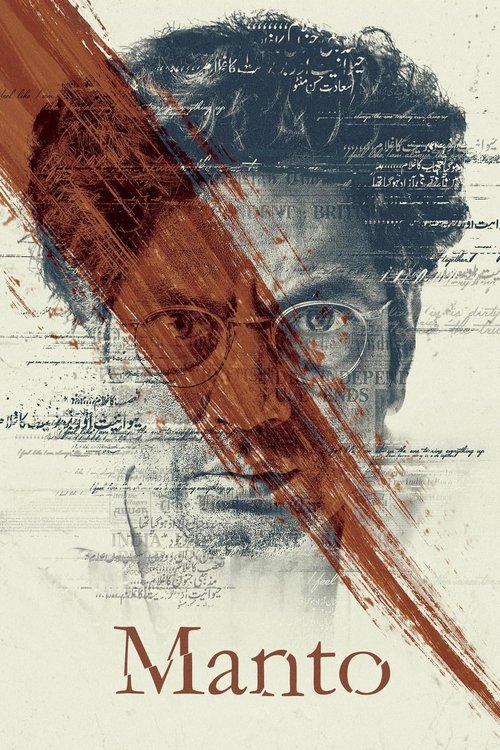
Manto2018
Like Gharana, Manto locates moral complexity within domestic spaces—what happens between people who live together, and how society's pressures warp those bonds. But Manto treats the material as tragedy, not drama.
A biographical drama about the writer Saadat Hasan Manto, whose stories dissected family and society with rage and compassion. Nawazuddin Siddiqui is extraordinary; the film moves between periods and forms beautifully.
But It's explicitly about a man writing about dark human truths. Some sequences are disturbing. It's also more experimental in structure than a conventional biopic.
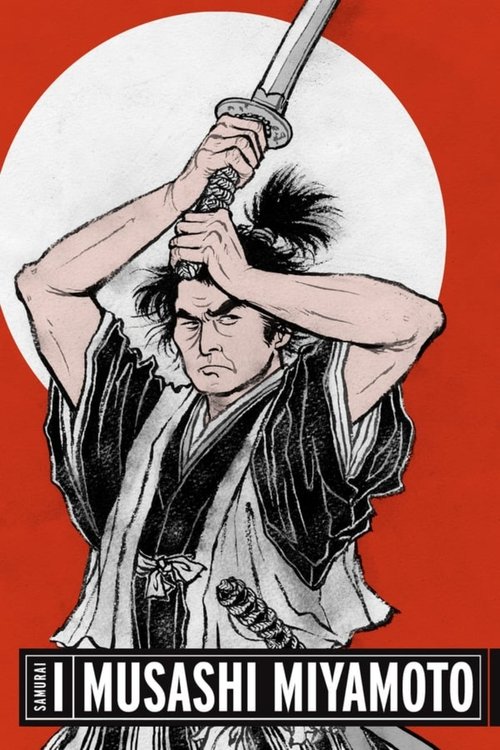
Samurai I: Musashi Miyamoto1954
Both explore how ambition and personal conflict within families and hierarchies shape character. Musashi's journey is outward and physical, but the internal work—learning humility, understanding duty—mirrors the domestic moral education Gharana offers.
A Japanese samurai film about a warrior learning that mastery means understanding when not to fight. Stunning cinematography, a philosophy about balance and restraint, and performances of total commitment.
But It's in Japanese, subtitled, and meditative rather than action-driven. Long sequences of silence and internal struggle will feel like nothing is happening.
People
Cast
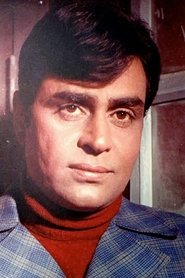 Rajendra KumarKamal
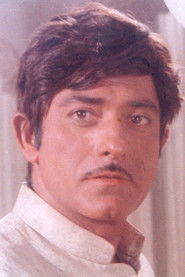 Raaj KumarKailash
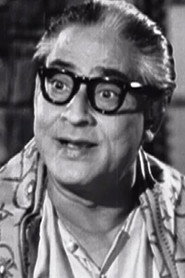 Bipin GuptaRai Bahadur Ramdas
 AghaSarang
 Asha ParekhUsha S. Gupta
 Shubha KhoteBhairavi
- Minoo MumtazRagini
- VijaylakshmiSita

Directing
- S. S. VasanDirector
Writing
- Mukhram SharmaDialogue
- Shakeel BadayuniLyricist
Production
- S. S. VasanProducer