
Film
Samurai I: Musashi Miyamoto
Kurosawa's 1954 masterpiece follows a reckless young warrior's transformation into a philosophical swordsman. Shot in stunning black-and-white, it's a meditation on discipline, ambition, and what it costs to perfect yourself. Essential viewing for anyone who loves samurai cinema or wants to understand where the genre's soul comes from.
If you liked this
Harakiri1962
Masaki Kobayashi's tragedy deconstructs samurai honour codes with devastating intelligence. If Musashi is about becoming a master, this asks whether mastery matters at all. Visually ravishing and emotionally punishing.
But It's a slow burn about ritual and bureaucracy that builds to heartbreak rather than catharsis. Some find the pacing glacial and the sadness unrewarding.

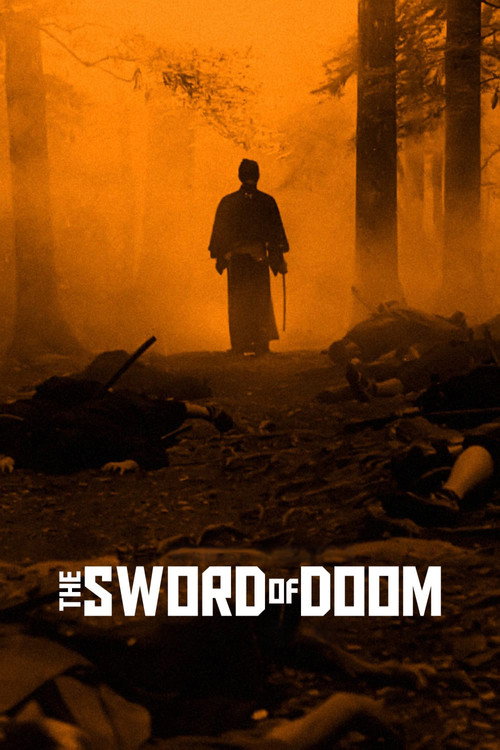
The Sword of Doom1966
Tatsuya Nakadai as a swordsman consumed by nihilism, cutting through a decaying feudal world. The inverse of Musashi's journey—a study of excellence without purpose. Criterion film, visually astounding.
But It's bleak, fragmented, and refuses resolution. The protagonist is appalling and gets no redemption. Not a comfort watch.
Ikiru1952
Kurosawa again, two years before Musashi. A dying man searches for meaning in ordinary life. The spiritual companion piece—if Musashi asks what discipline builds, Ikiru asks what makes a life worth living.
But It's intimate and domestic where Musashi is epic and physical. No swordplay, no action. Requires patience for bureaucratic sadness.

Not sure tonight? Get a pick in a minute, starting from Samurai I: Musashi Miyamoto
The wildcard
Something you would not have found on your own.
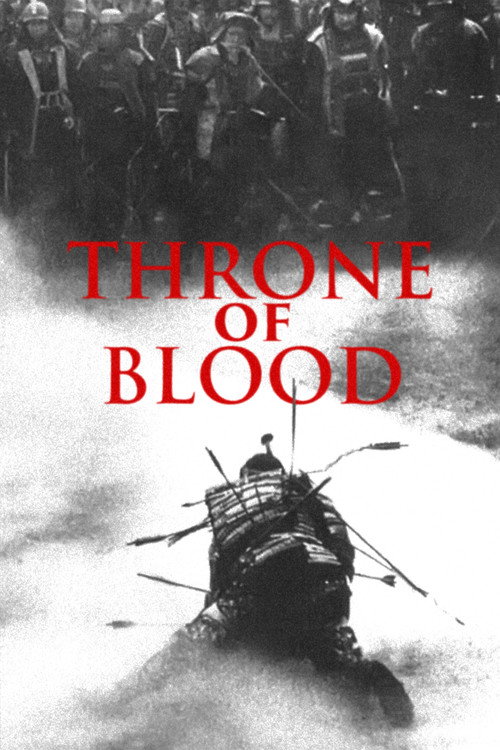
Throne of Blood1957
Both films use the samurai world to ask what discipline and mastery cost. Mifune plays the inverse journey—a man whose excellence becomes his undoing.
Kurosawa transposes Macbeth into feudal Japan with Toshirō Mifune—the star of Musashi—as a general destroyed by ambition. It's Shakespeare through samurai cinema, showing how the same story engines power tragedy across cultures and centuries.
But It's very formally staged and ritualistic, which can feel distant. The plot is familiar if you know Macbeth, which blunts some surprises.
More like this (6)
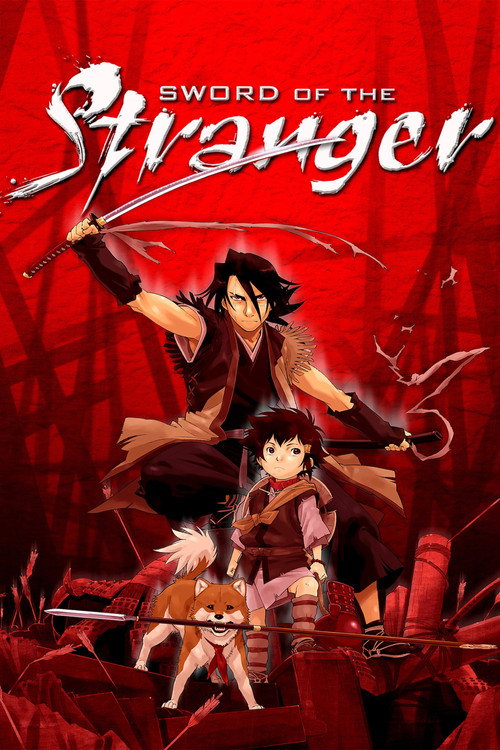
Sword of the Stranger2007
A wandering swordsman protects a boy in war-torn Japan. Gorgeous animation, magnificent action, and genuine warmth under the blood. Proves the samurai film lives outside live-action. A pure rush of cinema.
But It's animated, which some dismiss automatically. The plot is fairly straightforward—strong on mood and spectacle rather than complexity.
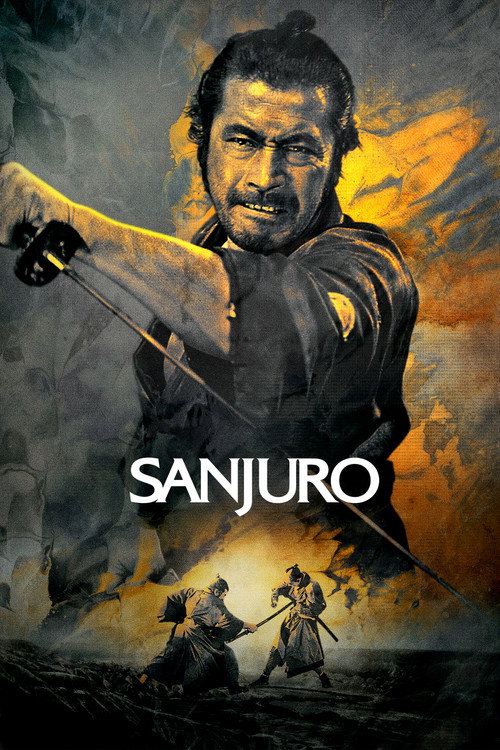
Sanjuro1962
Hiroyuki Sanada's samurai must choose between loyalty and conscience during political chaos. Fierce, modern in sensibility, with action that stays with you. Often overlooked in Kurosawa's shadow.
But The historical context demands attention or you'll lose the stakes. Some scenes feel didactic rather than dramatically inevitable.
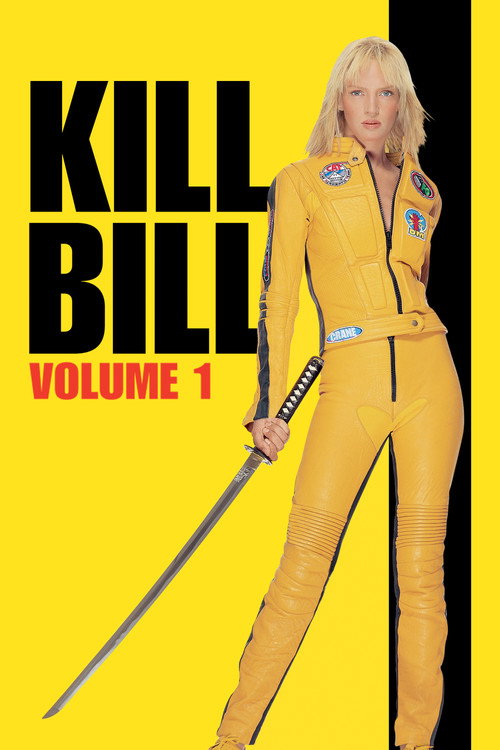
Kill Bill: Vol. 12003
Tarantino's love letter to samurai cinema, anime, and revenge tragedy. Uma Thurman's warrior follows the Musashi template—disciplined training, philosophical confrontation, blade against blade. Wildly entertaining and visually inventive.
But It's pastiche at 110 decibels. If you're seeking subtlety or want samurai without Tarantino's signature excess, this isn't it.
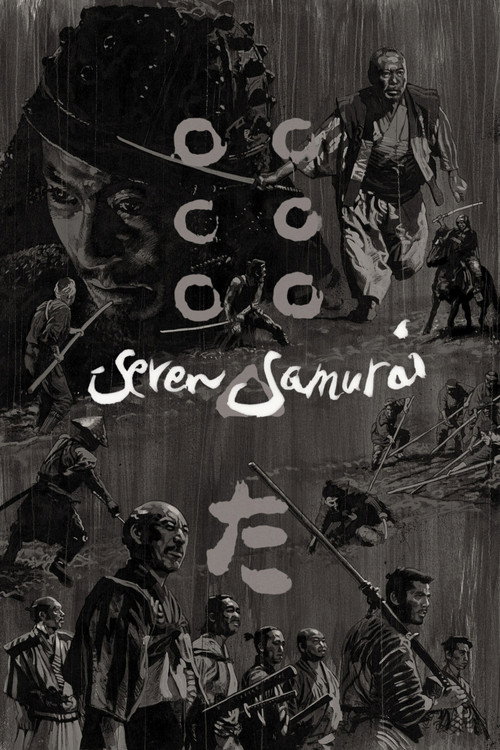
Seven Samurai1954
Kurosawa's other masterpiece, same year as Musashi. Seven warriors defend a village; each is a study of skill, character, and purpose. The template for every ensemble action film made since. Non-negotiable cinema.
But It's three and a half hours. The pacing feels deliberate rather than tight. Requires commitment and a second viewing to fully land.
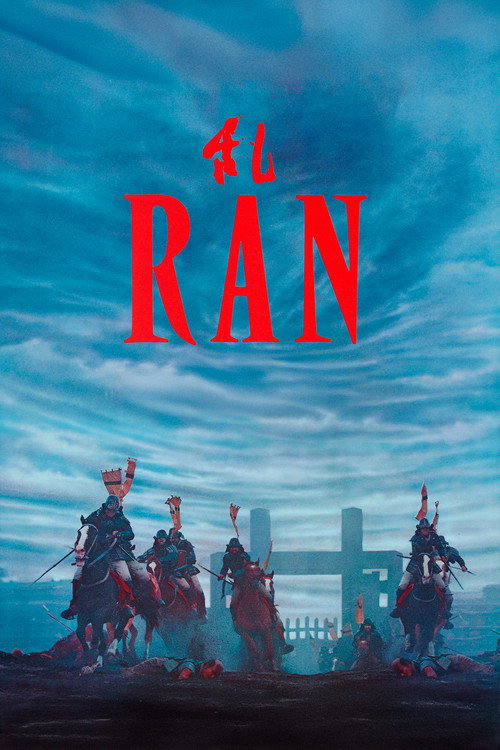
Ran1985
Kurosawa's Shakespeare adaptation, near the end of his life. A warlord descends into madness and war. The colour cinematography is unbearable in the best sense. A summation of his entire vision of human folly and beauty.
But It's long, violent, and emotionally exhausting. The family drama can feel overwrought. Not an entry point to Kurosawa—come to it after absorbing his earlier work.
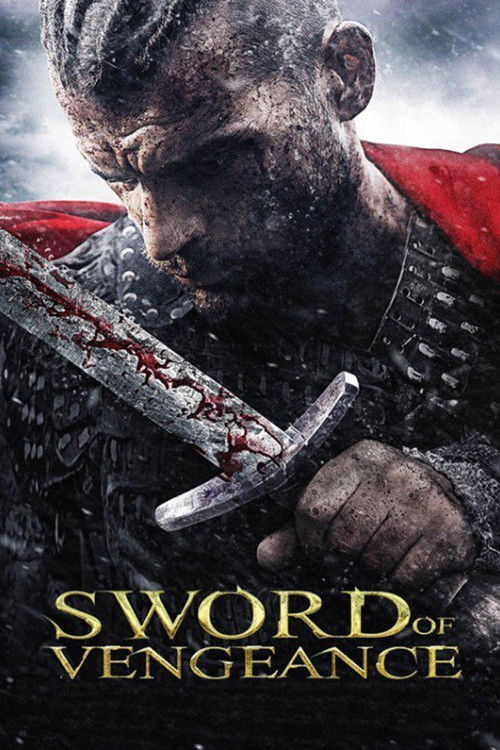
Sword of Vengeance2015
A disfigured samurai hunts his enemies across Japan. Raw, visceral, modern in its brutality. The camera stays close and intimate. A different register entirely—like noir filmed with swords.
But It's grim and body-horror heavy. The revenge trajectory is straightforward. Limited character development outside the protagonist's rage.
People
Cast
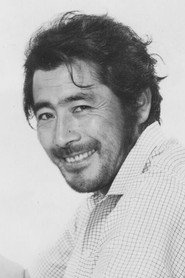 Toshirō MifuneMusashi Miyamoto a.k.a. Takezo
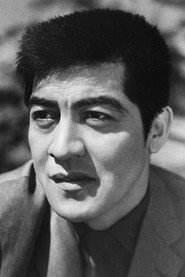 Rentaro MikuniMatahachi
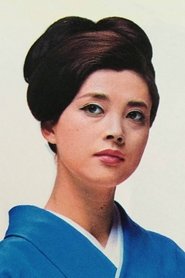 Mariko OkadaAkemi
- Kuroemon Onoe IITakuan
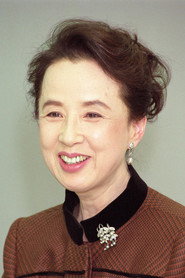 Kaoru YachigusaOtsu
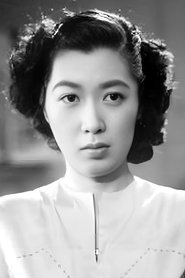 Mitsuko MitoOko
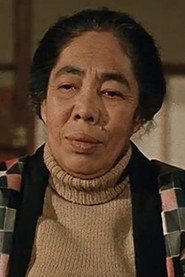 Eiko MiyoshiOsugi
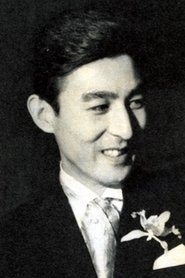 Akihiko HirataSeijuro Yoshioka
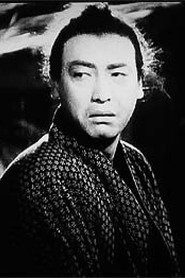 Kusuo AbeTemma Tsujikaze
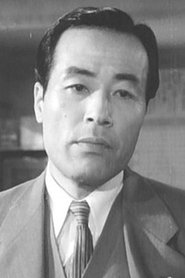 Eitarō OzawaTerumasa Ikeda
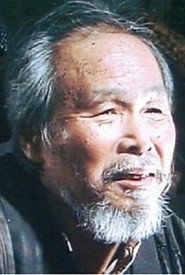 Masanobu ŌkuboPetty Official
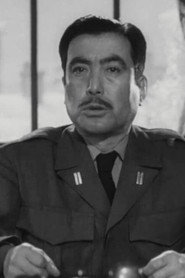 Seijirô OndaChief Official (uncredited)
Directing
- Jun FukudaAssistant Director
- Hiroshi InagakiDirector
Writing
- Eiji YoshikawaNovel
- Hideji HōjōTheatre Play
- Hiroshi InagakiWriter
- Tokuhei WakaoWriter
Production
- Kazuo TakimuraProducer