
Film
Sword of Desperation
A 2010 Japanese period thriller about a scarred swordsman navigating guilt, obligation, and an unexpected tenderness in Edo-era life. Slow-burn character study wrapped in sword fights, with real weight to its moral questions. For viewers who want samurai cinema that trusts emotion over spectacle.
Should you watch it?
Watch it if you want a slow-burning samurai story where a grieving, bitter swordsman's loneliness matters as much as his blade, and quiet moments hit harder than the fights.
Skip it if you need brisk, nonstop swordplay, since this takes its time and spends long stretches on grief and quiet domestic scenes.
What it asks of you: Patience over a 114-minute run, with a deliberate pace that rewards watching faces and silence as closely as the swordwork.
Not sure? Find tonight's pick in a minute.
If you liked this
Harakiri1962
The definitive Edo samurai film—poetic, brutal, and morally complex. It asks what honour costs when the system is rigged. Essential viewing for anyone drawn to this world.
But It's patient and painterly, not action-driven. The opening 20 minutes establish tone through stillness, which tests your commitment.

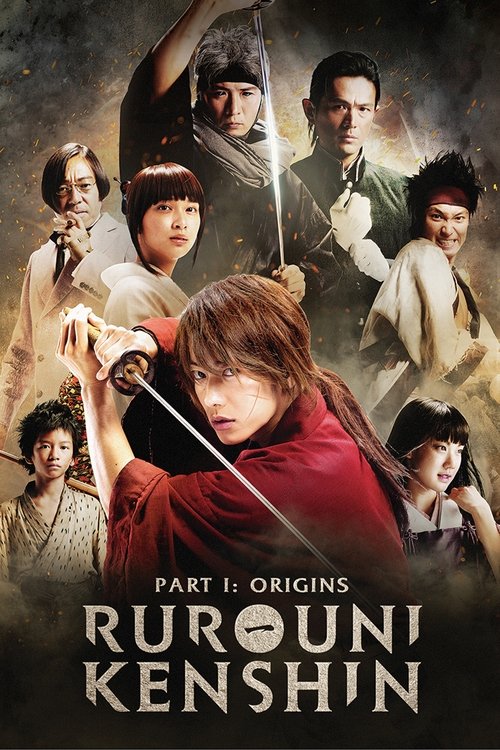
Rurouni Kenshin Part I: Origins2012
Japanese swordsman trying to outrun his violent past. Kinetic action, genuine character development, and a similar tension between who you were and who you want to be.
But The live-action adaptation doesn't quite match the anime's emotional depth, and the plotting gets tangled in the second half.
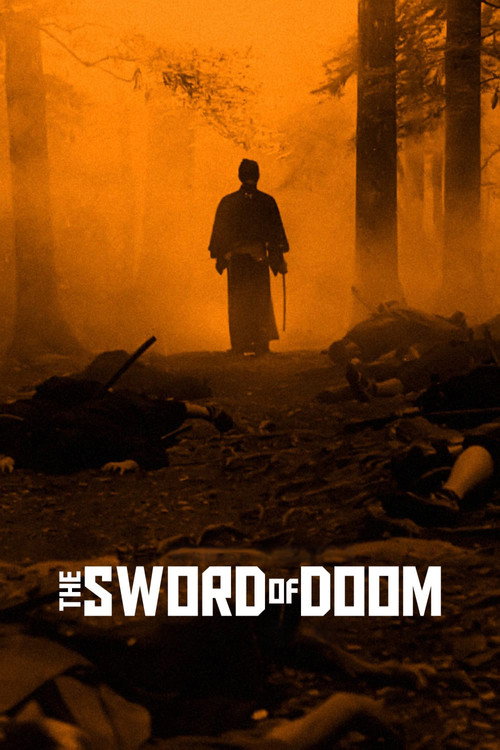
The Sword of Doom1966
A samurai morality play about a man whose skill with a blade brings only darkness. Sparse, hypnotic, and deeply unsettling in ways that linger.
But Almost glacially paced. Black-and-white, heavy on atmosphere, light on action. Demands your full attention.
Not sure tonight? Get a pick in a minute, starting from Sword of Desperation
The wildcard
Something you would not have found on your own.
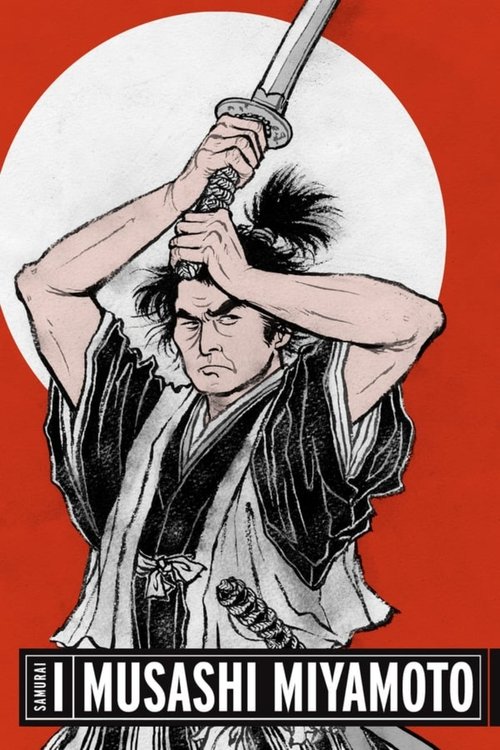
Samurai I: Musashi Miyamoto1954
Both center a talented swordsman wrestling with the cost of his own skill and searching for meaning beyond the blade. Watching Inagaki's version shows you where *Sword of Desperation*'s DNA came from.
Inagaki's masterpiece about a legendary swordsman haunted by his own genius. Shot in VistaVision, utterly gorgeous, and it invented the philosophical samurai film—everything that followed owes it a debt.
But A 1954 film means slower rhythms, black-and-white, and a different sense of dramatic time. Subtitled. Not everyone adjusts to that register.
More like this (8)
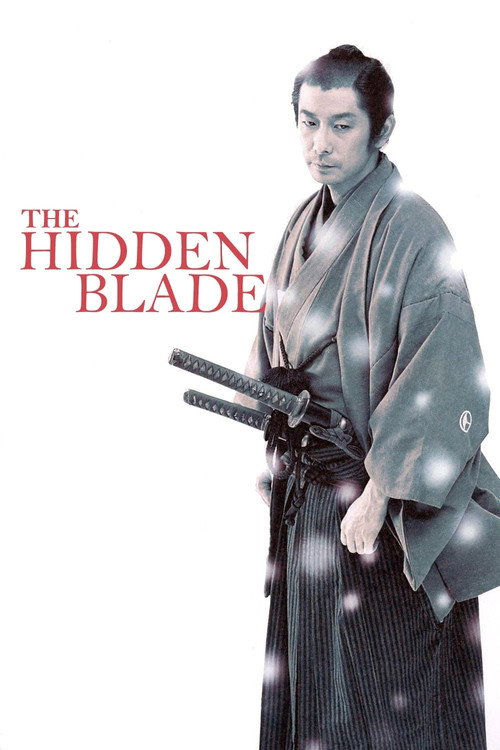
The Hidden Blade2004
Masaki Kobayashi film about a swordsman navigating love and duty in late-Edo Japan. Tender, intelligent, with beautifully choreographed sword work that means something.
But Slow pacing and a romantic subplot that may feel slight compared to the political intrigue. Subtitled.
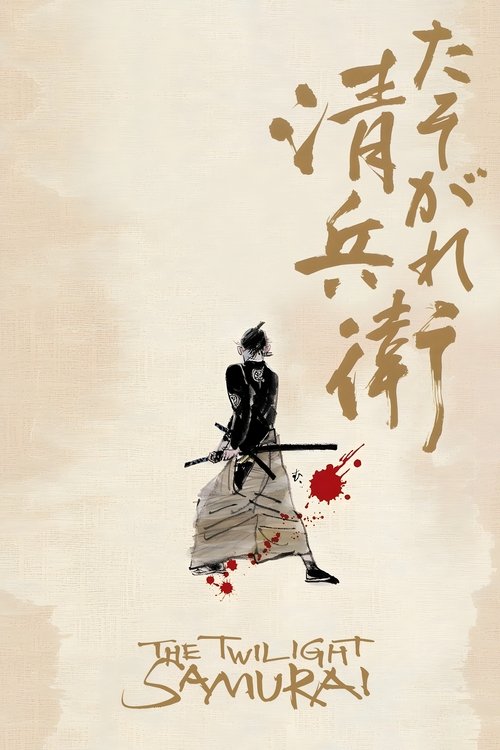
The Twilight Samurai2002
A widower swordsman in decline, fighting poverty and circumstance. Intimate, moving, and it reframes what samurai cinema can be about. Won the Golden Lion.
But Almost no action sequences. It's a human drama in samurai clothing, which might disappoint if you came for swordplay.
The Sword of Alexander2007
A man haunted by past violence must confront it when duty calls. Thoughtful pacing, strong performances, and a genuine moral centre.
But Not widely known outside festival circuits. Uneven tonal shifts. Harder to find than the others on this list.
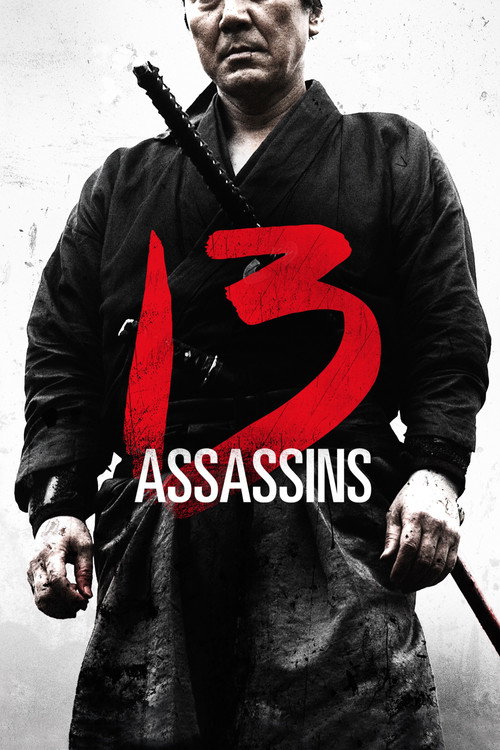
13 Assassins2010
Released the same year, it's a samurai ensemble thriller—lean, tense, and propulsive. Takashi Miike's most controlled work, balancing character and spectacle.
But The final battle is 45 brutal minutes long. If large-scale violence exhausts you, it's relentless and may wear you down.
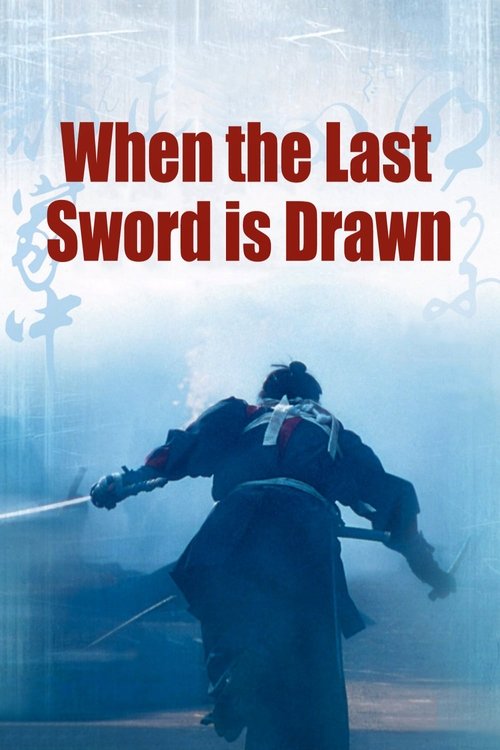
When the Last Sword Is Drawn2003
A samurai's final day told in retrospect. Meditative, tragic, full of small moments that accumulate into devastating weight. A gem that deserves more visibility.
But The narrative structure—told backward—can feel mannered. Some viewers find the emotional heaviness depressing rather than moving.
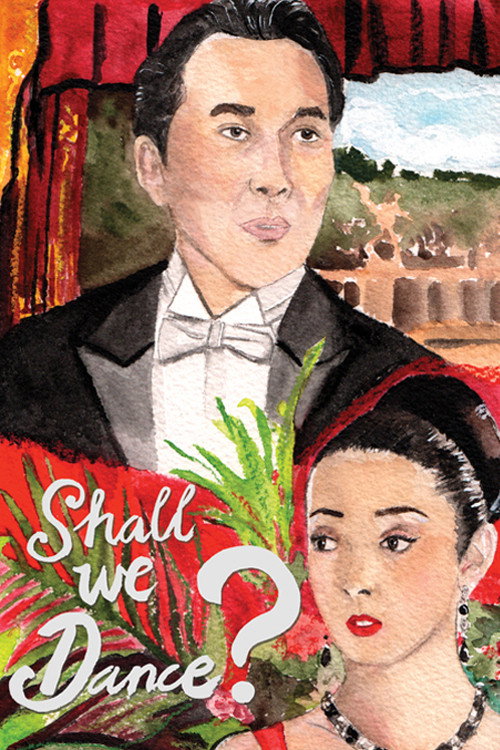
Shall We Dance?1996
A middle-aged salaryman finds unexpected joy and connection. Japanese warmth and humour, with genuine heart. Different register, same emotional truth.
But Not a samurai film at all—a contemporary drama. The shift in era and tone might feel jarring if you want period pieces specifically.
A Prophet2009
Both are stories of men learning specific skills—sword technique or criminal craft—as survival tools, only to discover those skills have trapped them. Same psychological architecture, wildly different worlds.
A young man inside prison learns survival, develops unexpected skills, and begins to manipulate the system around him. Utterly gripping, morally complex, and absolutely modern. Audiard's masterpiece.
But It's set in a contemporary French jail, not Edo Japan. Graphic violence and brutality. Long runtime (155 minutes). If you want samurai specifically, this is entirely the wrong genre.

Another Round2020
Like *Sword of Desperation*, it's about a man in the wreckage of his own life—grief, failure, guilt—finding an unexpected path to lightness through an unexpected connection. Both trust that tenderness is as important as redemption.
A Danish film about middle-aged men trying to reclaim something lost, through a deceptively simple premise. Tender, funny, serious by turns—Thomas Vinterberg at his most human. It won Best International Film.
But Contemporary, comedic, entirely unswordsman-like. If you want period action, you'll be disappointed. The tonal shifts perplex some viewers.

People
Cast
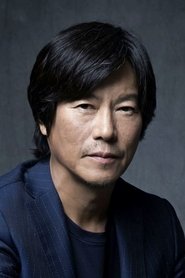 Etsushi ToyokawaKanemi Sanzaemon
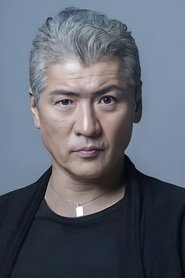 Koji KikkawaObiya
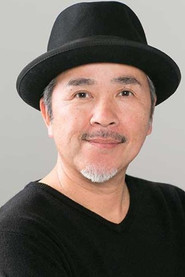 Tsumami EdamameFukui
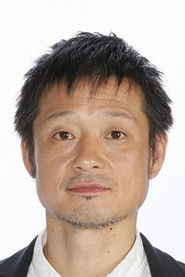 Tenkyû FukudaHyoue Makihuzi
- Mitsutoshi GotôMitsuoka
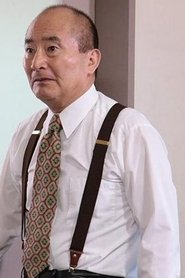 Yudai IshiyamaMokichi
 Hana KinoHana
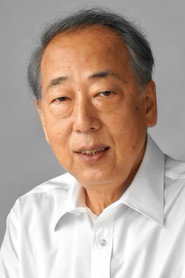 Ittoku KishibeDeputy Chief Retainer Tsuda
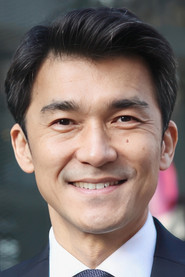 Tôru KizuTsunekichi
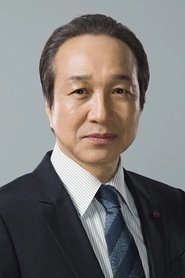 Fumiyo KohinataTsunai Hashina
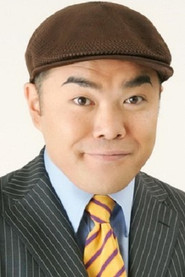 Ken MaedaKisuke
Directing
- Hideyuki HirayamaDirector
Writing
- Shuhei FujisawaNovel
- Hidehiro ItoScreenplay
- Itaru EraScreenplay
Production
- Shinya EgawaProducer