
Film
Rurouni Kenshin Part I: Origins
This is the film that turned a beloved '90s manga into a genuinely thrilling live-action franchise-starter — whip-crack swordplay, wire-assisted brawls, and a hero built entirely around restraint. Takeru Satoh plays Kenshin as gentle almost to the point of unease, a former killer trying to unmake himself one non-lethal duel at a time. Brisk, colourful, unpretentious fun for anyone who wants period drama with genuinely well-choreographed fights.
If you liked this
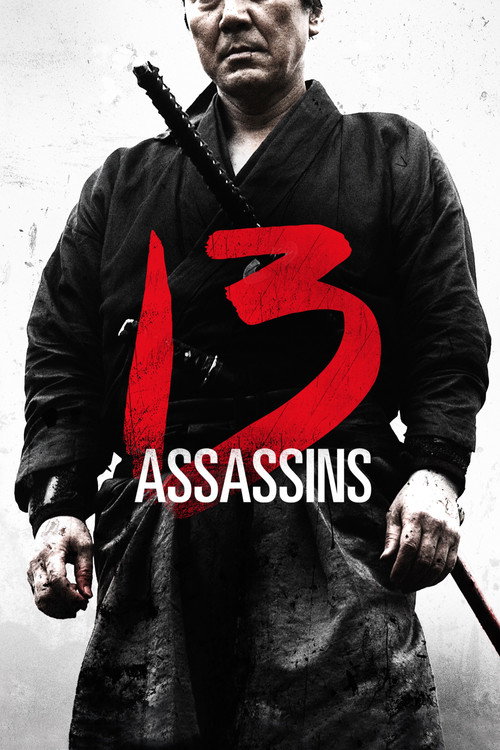
13 Assassins2010
Takashi Miike's samurai epic builds patiently toward one of the great sustained action sequences in modern cinema — forty minutes of mud, blades and moral exhaustion that makes Kenshin's duels look tame.
But It's slower and grimmer, with none of Kenshin's tenderness — this is samurai cinema as attrition, not adventure.
Blade of the Immortal2017no page yet
Also Miike, also a swordsman trying to atone through non-lethal restraint, except he's cursed to live forever and the fights escalate into gloriously absurd carnage.
But The bloodshed is cartoonishly extreme — think geysers, not nicks — which can undercut the quieter redemption story underneath.
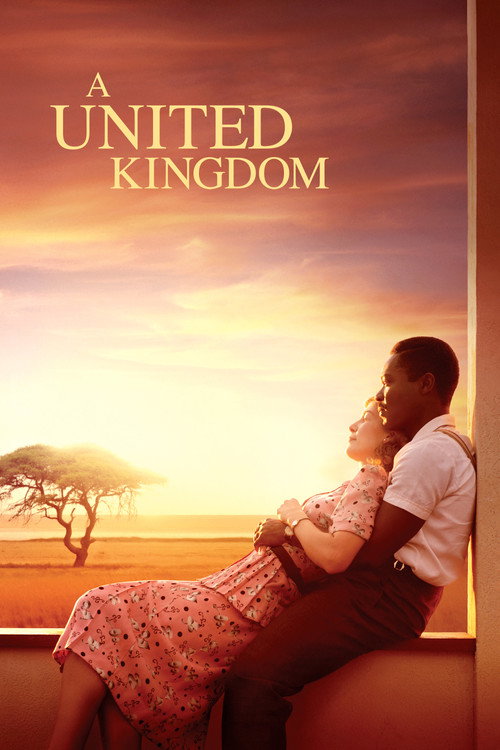
A United Kingdom2016
A manga-to-live-action historical war epic with the same scrappy, colourful energy as Kenshin, built around a young outsider fighting his way up through a brutal era.
But It leans harder into war spectacle than character, and its earnestness occasionally tips into corniness.
The wildcard
Something you would not have found on your own.
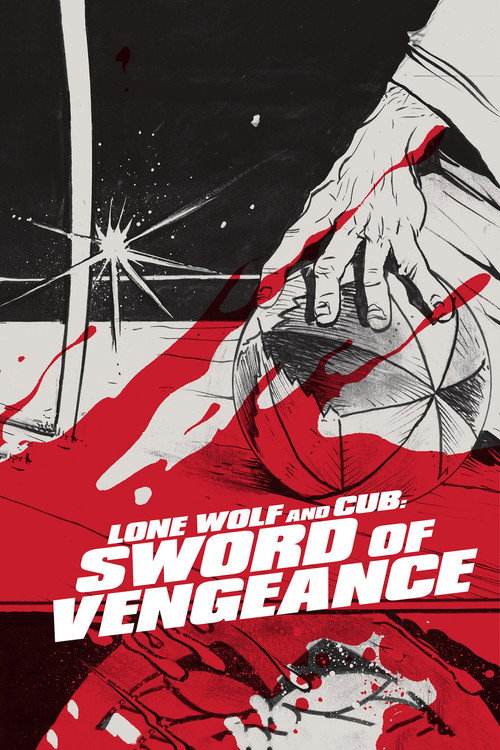
Lone Wolf and Cub: Sword of Vengeance1972
Same premise as Kenshin — a former killer walking a righteous path through violence — but forty years earlier, in the gleefully lurid, blood-spurting register of Japanese exploitation cinema.
This is where a lot of the wandering-swordsman-with-a-code genre gets its grammar, and it's gorier, stranger and more melancholy than any modern manga adaptation usually risks being.
But The gore is stylised to the point of camp, and the pacing is odder and slower than modern action fans might expect.
More like this (8)
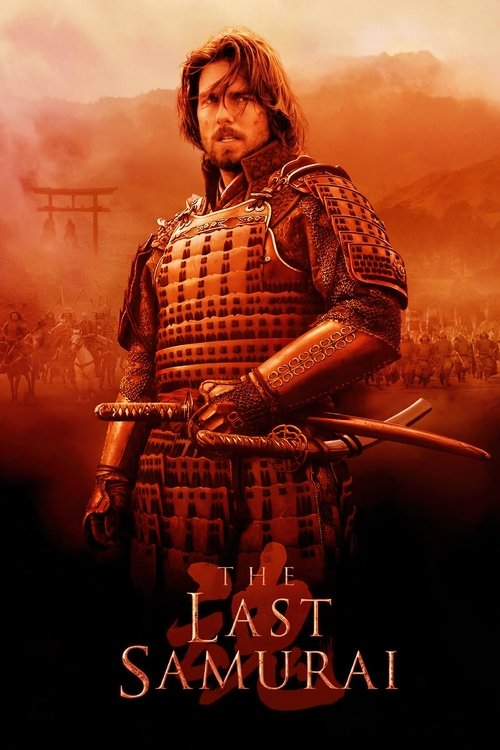
The Last Samurai2003
Hollywood's big swing at the same Meiji-era upheaval Kenshin lives through, watching a warrior class become obsolete through an outsider's eyes.
But It's a Western gaze on Japanese history, and its pacing is stately where Kenshin is nimble.
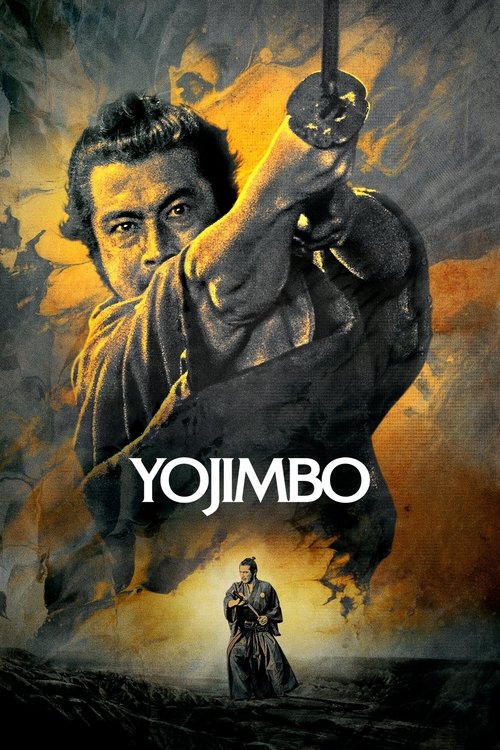
Yojimbo1961
Kurosawa's original wandering-swordsman-for-hire template — dry, witty, endlessly copied — is the ancestor of every ronin-drifts-into-town story since, Kenshin's included, and Mifune practically invented the swagger.
But Black and white, deliberately paced, and more interested in wit than spectacle — no wire-fu here at all.
The Twilight Samurai2002no page yet
The quiet, unglamorous cousin to Kenshin's spectacle: a low-ranking samurai just trying to keep his dignity and his daughters intact as the old order crumbles around him.
But There's barely any swordplay until the very end — this is domestic drama first, action a distant second.
Zatoichi2003no page yet
Takeshi Kitano's blind swordsman is playful, stylish and briskly violent, sharing Kenshin's appetite for stylised bloodletting and sudden offbeat humour.
But Kitano's deadpan humour and tonal swerves can feel jarring if you're after a straighter adventure.
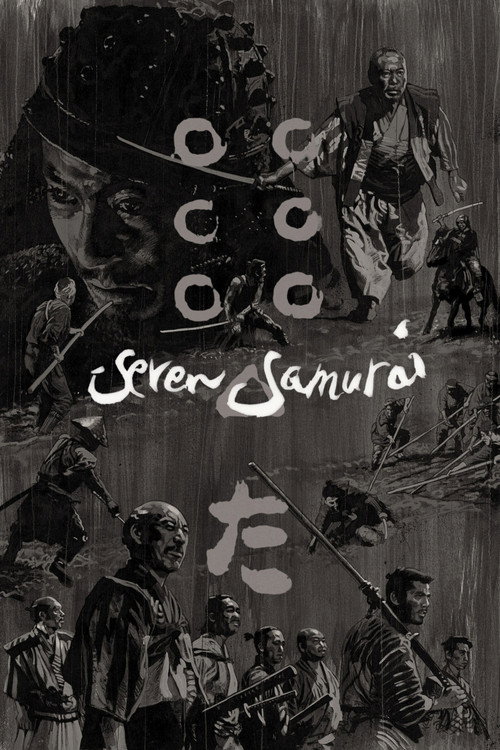
Seven Samurai1954
The foundational text for basically every samurai film that followed, including this one — three and a half hours that never feel it, worth knowing as the source code.
But It's long, black and white, and demands more patience upfront than Kenshin's brisk runtime ever asks for.
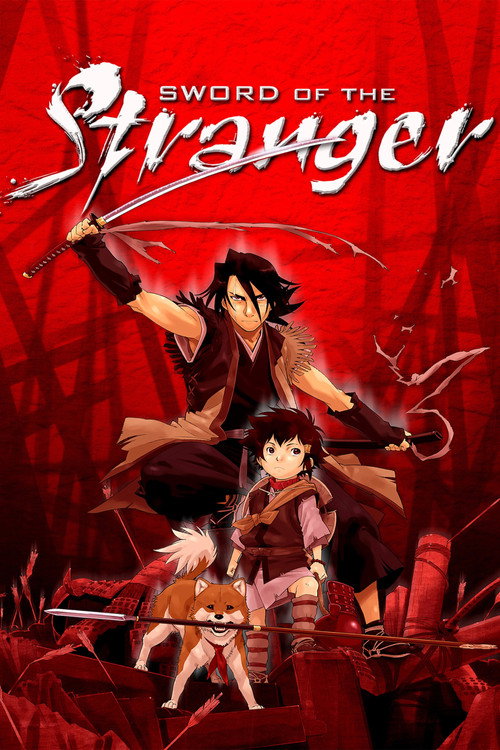
Sword of the Stranger2007
An anime that channels the same swordsman-with-a-past energy into gorgeously fluid combat — if Kenshin's fights impressed you, this pushes the choreography even further.
But Animation instead of live action might be a dealbreaker if you came to Kenshin for its flesh-and-blood stunt work.
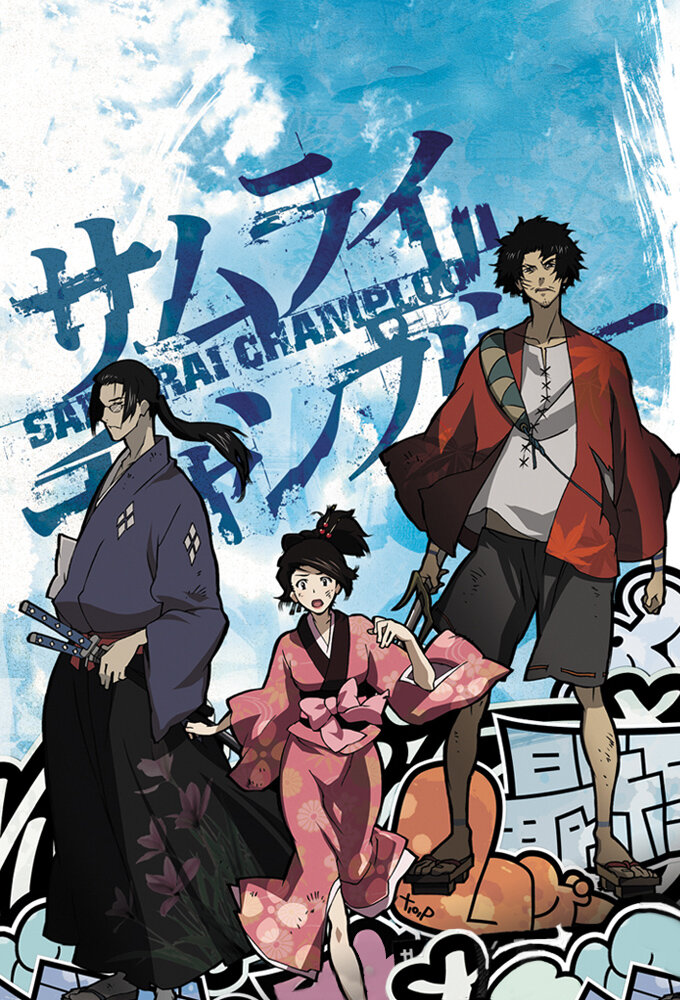
Samurai Champloo2004
Same wandering-ronin-with-a-mysterious-past structure as Kenshin, blown up into an anime series and remixed with hip-hop and jazz — a wildly different register on the same skeleton.
It's gorgeous, funny, musically alive, and treats its historical setting as a playground rather than a museum — a great companion if you want more episodes, not more movies.
But The tonal whiplash between comedy and genuine tragedy, plus the deliberate anachronisms, won't suit anyone wanting a straight period piece.
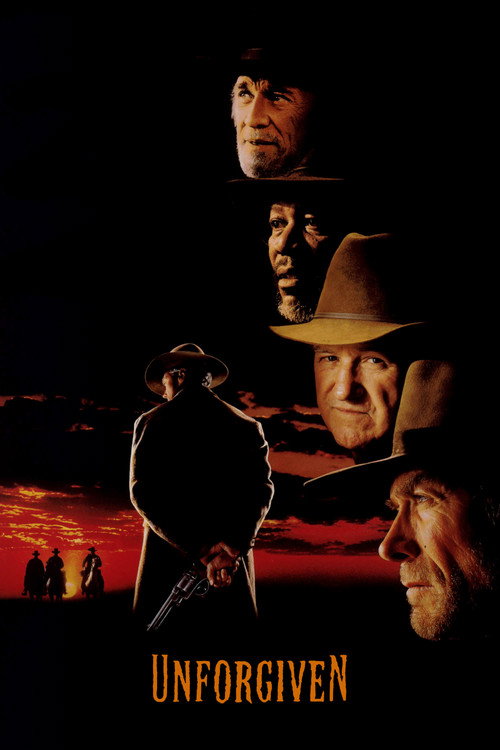
Unforgiven1992
Swap the katana for a six-shooter and you've got the same moral engine as Kenshin: a man who's killed too many people trying to live as though he hasn't.
Clint Eastwood's Western is one of the great meditations on violence and its cost, told with none of the flourish — a starker, sadder version of the story Kenshin tells with a smile.
But It's slow, unglamorous, and deliberately drains the fun out of gunfighting — a real tonal 180 from Kenshin's swashbuckling energy.
People
Cast
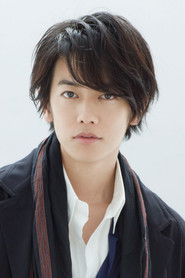 Takeru SatohKenshin Himura
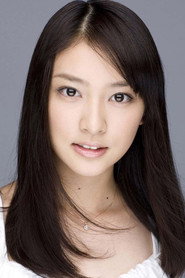 Emi TakeiKaoru Kamiya
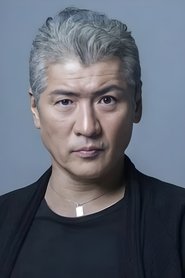 Koji KikkawaUdo Jine
 Yu AoiMegumi Takani
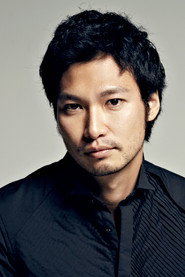 Munetaka AokiSanosuke Sagara
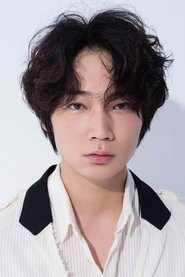 Go AyanoGein
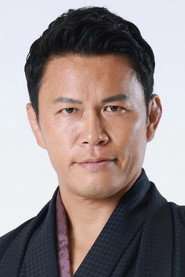 Genki SudoBanjin Inui
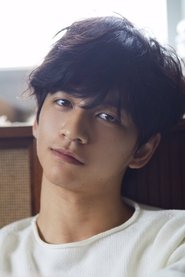 Taketo TanakaYahiko Myojin
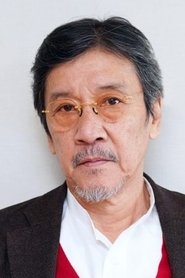 Eiji OkudaAritomo Yamagata
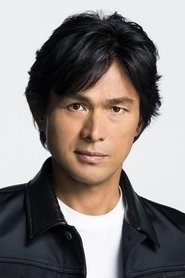 Yosuke EguchiHajime Saito
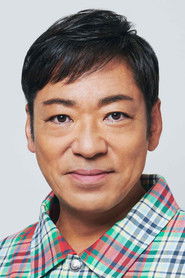 Teruyuki KagawaKanryu Takeda
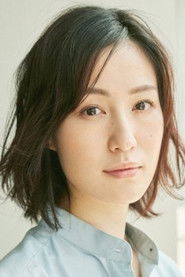 Kaoru HirataTae Sekihara
Directing
- Kenji TanigakiAction Director
- Keishi OtomoDirector
Writing
- Nobuhiro WatsukiComic Book
- Keishi OtomoScreenplay
- Kiyomi FujiiScreenplay
Production
- Akira EgawaCo-Producer
- Shinsuke HiguchiCo-Producer
- William IretonExecutive Producer
- Hiroaki KitanoProducer
- Hiroyoshi KoiwaiProducer
- Masahiko IbarakiProducer
- Osamu KubotaProducer
- Shinzo MatsuhashiProducer
- Takeo HisamatsuProducer
- Tatsuro HatanakaProducer