
Film
Samurai Fiction
- Action
- Light-hearted
Samurai Fiction is a 1998 Japanese action-comedy that treats the samurai film with playful irreverence. Shot in striking black-and-white, it follows a young swordsman and his hilariously inept companions on a quest to recover a stolen blade. It's energetic and silly in equal measure—a love letter to samurai cinema that refuses to take itself seriously, made for anyone who enjoys genre pastiche with genuine craft beneath the jokes.
Should you watch it?
Watch it if you enjoy rowdy, deadpan samurai parody where the chaos is the point and the swordplay is played for laughs as much as thrills.
Skip it if you want a tightly plotted quest or a serious period drama; the comedy is loose and scrappy, and the jokes land unevenly across a 111-minute run.
What it asks of you: Settle in for just under two hours of shambling stretches where the mood shifts quickly from broad slapstick to brisk swordplay and back again.
Not sure? Find tonight's pick in a minute.
If you liked this
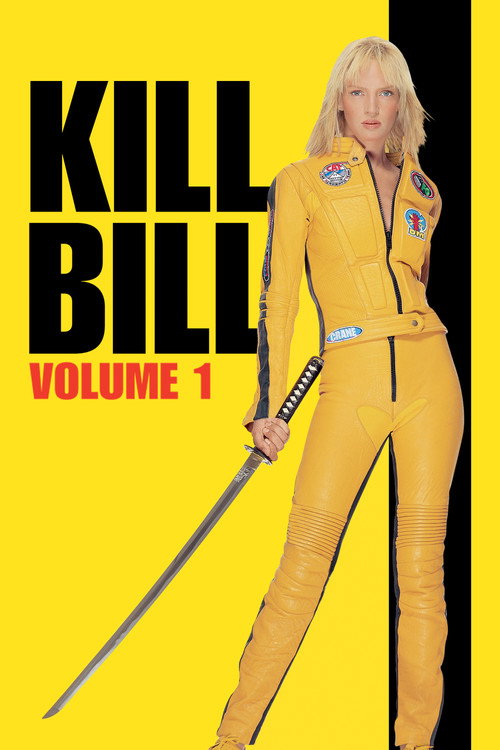
Kill Bill: Vol. 12003
Tarantino's samurai-inflected revenge saga with the same combination of balletic action and playful homage. Visually inventive, enormously fun, and it treats its violence as both spectacle and art.
But Two hours of relentless style can exhaust rather than entertain. If you want emotional depth over aesthetic thrills, this leans hard into surface.
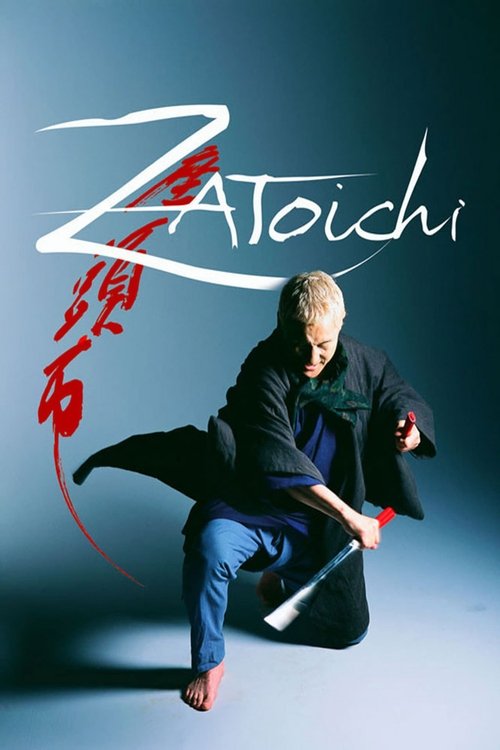
Zatoichi2003
Takeshi Kitano's blind swordsman film, similarly irreverent about samurai tropes. Gorgeously composed, sudden in its brutality, with Kitano's deadpan humour running through the whole thing.
But Kitano's minimalist approach can feel glacial. Long stretches of silence punctuated by violence—meditative, not propulsive.
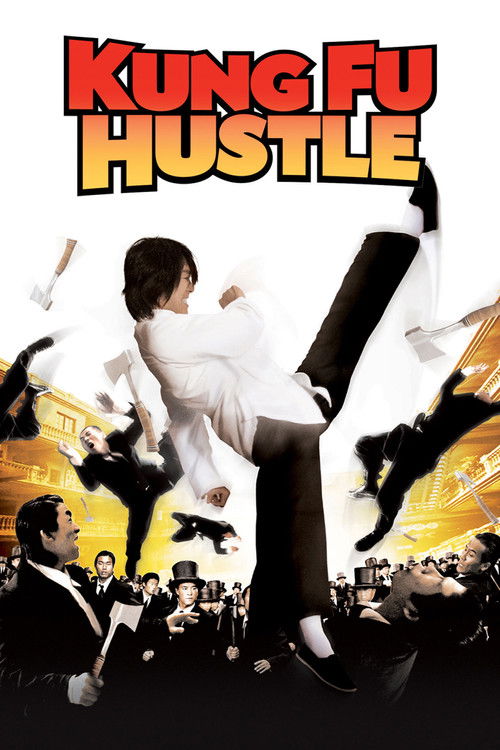
Kung Fu Hustle2004
Stephen Chow's action-comedy with the same anarchic energy and visual gags. Martial arts played for laughs without losing the choreography's genuine skill. A masterclass in comic timing through movement.
But The comedy veers toward slapstick and broad. If you prefer wit to chaos, it's relentless in its cartoonishness.
Not sure tonight? Get a pick in a minute, starting from Samurai Fiction
The wildcard
Something you would not have found on your own.
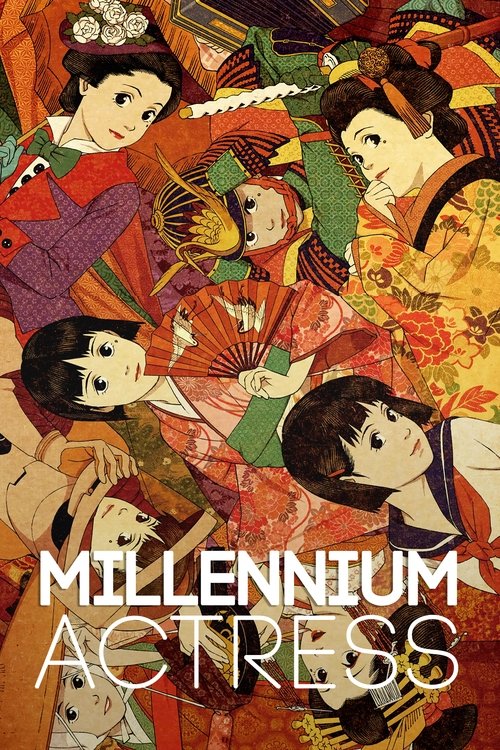
Millennium Actress2002
Both are Japanese films about cinema itself—how it works, what it can do, what stories mean. Both use formal play to explore passion.
Satoshi Kon's animated meditation on cinema, performance, and obsession. Dizzying shifts between real life and film-within-film, shot with intelligence and genuine emotion. A love letter to cinema that's formally as playful as Samurai Fiction, but in reverse.
But It's animation, and it's introspective rather than comic. Some will see it as pretentious. The fragmented narrative structure requires active engagement.
More like this (7)
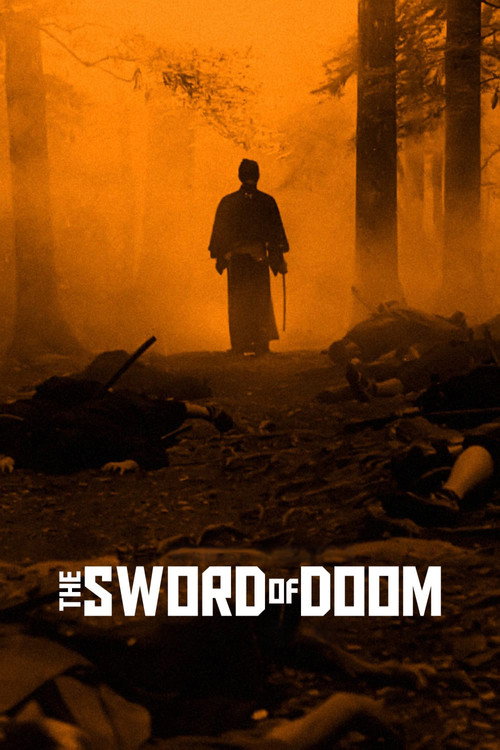
The Sword of Doom1966
Masaki Kobayashi's nihilistic samurai film, everything Samurai Fiction is deconstructing. Bleak, visually austere, genuinely disturbing. Watch this to understand what the comedy is playing against.
But Genuinely grim and cold. No warmth, no relief. It's a masterpiece but it's a slog through moral emptiness.
Harakiri1962
Masaki Harakiri's devastating critique of samurai honour codes and ritual. The film Samurai Fiction is most directly parodying. Essential viewing to feel the weight of what's being mocked.
But Profoundly tragic and slowly paced. The critique takes precedence over narrative momentum. Not an entertainment.

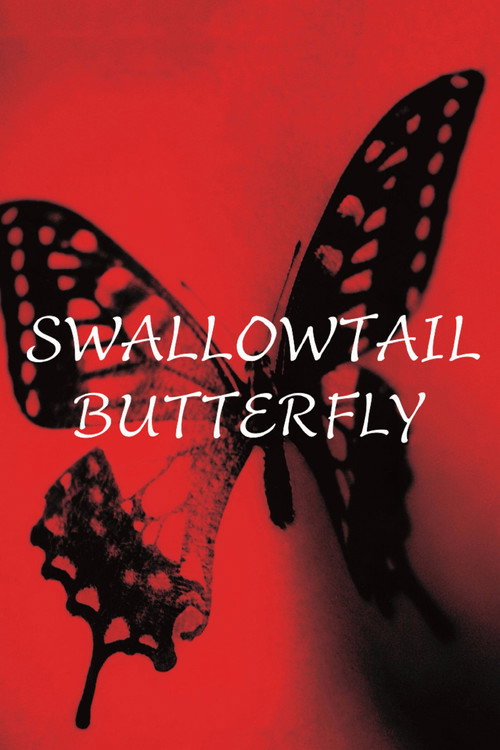
Swallowtail Butterfly1996
Seijun Suzuki's visually delirious film about survival and ambition in Tokyo's underworld. The same playful disregard for narrative convention and genre rules, shot with kaleidoscopic energy.
But It's deliberately chaotic and narratively slippery. If you need clear story beats and character arcs, it actively resists giving them to you.
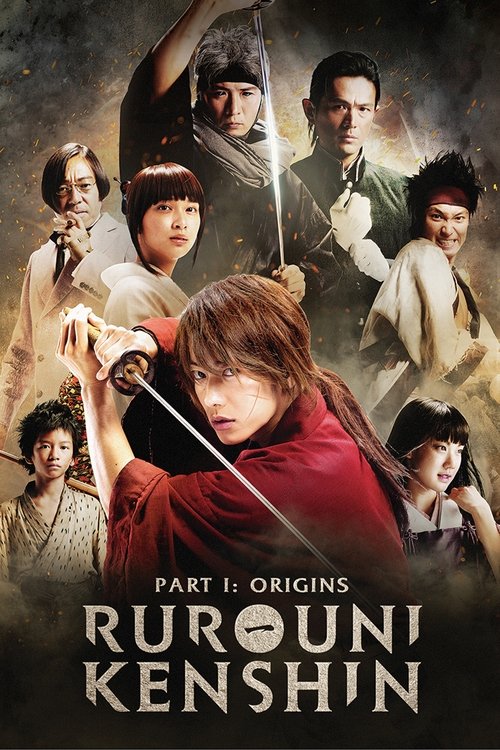
Rurouni Kenshin Part I: Origins2012
The live-action film adaptation brings similar energy to samurai action: fast, funny, and surprisingly moving. Excellent fight choreography wrapped in genuine heart and period charm.
But The plot is fairly conventional shonen material. If you're watching for narrative innovation rather than execution, it's fairly familiar.
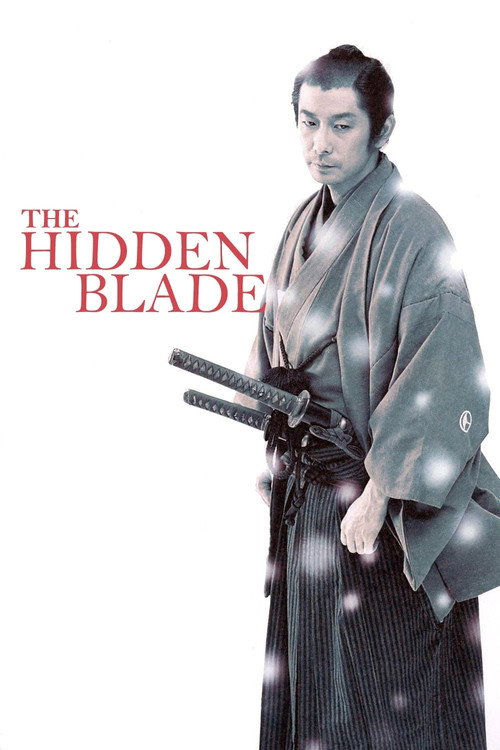
The Hidden Blade2004
Yojiro Takita's elegant samurai drama, quiet and melancholic. A corrective to Samurai Fiction's chaos—the same era, the same swords, but all understatement and heartbreak.
But It's the opposite of funny or energetic. Deliberately restrained, slow-burn, requiring patience and emotional generosity.
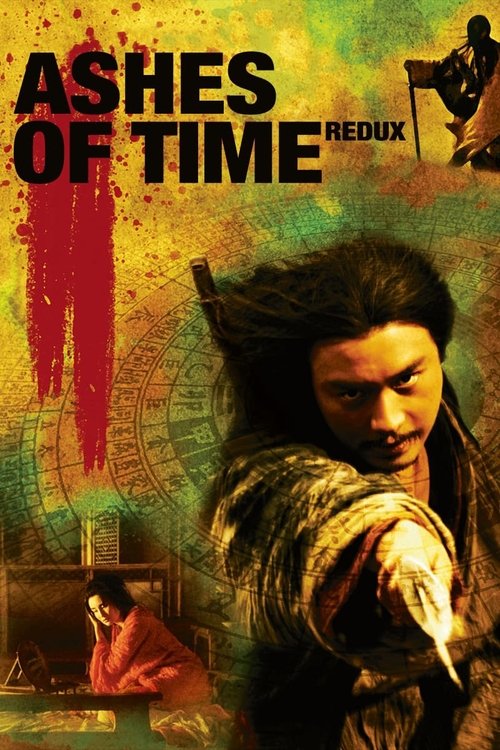
Ashes of Time1994
Wong Kar-wai's visually intoxicating wuxia film, where style and mood matter more than plot clarity. Gorgeously shot, dreamlike, with the same disregard for genre convention.
But The narrative is nearly incomprehensible and deliberately vague. Beautiful but frustrating—you have to surrender to it rather than follow it.
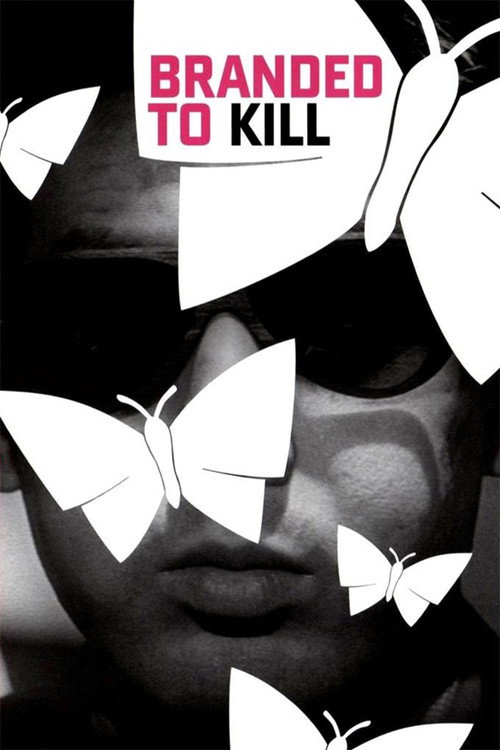
Branded to Kill1967
Suzuki's template for subverting genre from within. Same director as Swallowtail Butterfly, same refusal to let the rules matter more than the image.
Seijun Suzuki's surreal yakuza film: every scene is a visual surprise, narrative logic dissolves, genre rules shatter. Filmed like a fever dream, genuinely disorienting, visually unprecedented for its time. The ancestor of everything Samurai Fiction learned.
But Shot in 1967 black-and-white, it looks nothing like modern cinema. It's slow in places, genuinely confusing, and rewards weird taste rather than mainstream narrative satisfaction.
People
Cast
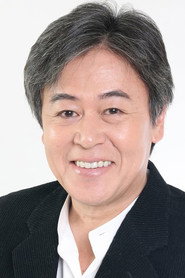 Morio KazamaHanbei Mizoguchi
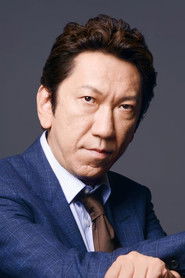 Tomoyasu HoteiRannosuke Kazamatsuri
 Tamaki OgawaKoharu Mizoguchi
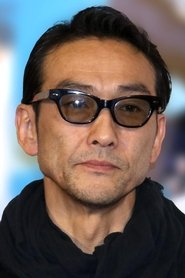 Mitsuru FukikoshiHeishiro Inukai
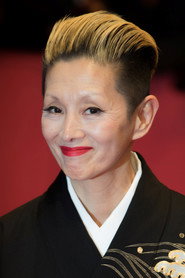 Mari NatsukiOkatsu
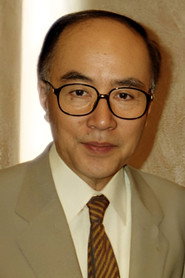 Taketoshi NaitōKanzen Inukai
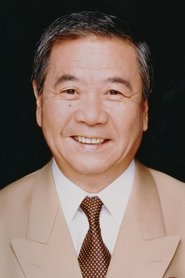 Kei TaniKagemaru
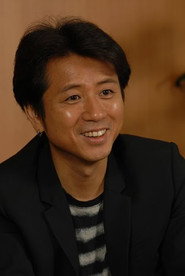 Fumiya FujiiRyunosuke Kuzumi
- Naoyuki FujiiShintarô Suzuki
 Ken OsawaTadasuke Kurosawa
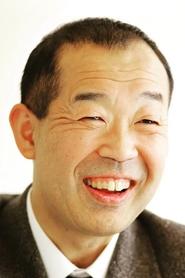 Hiroshi KanbeGosuke
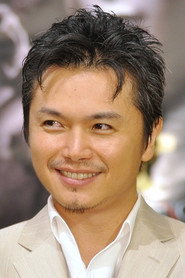 Ryôichi YukiNinja Hayabusa
Directing
- Hiroyuki NakanoDirector
Writing
- Hiroshi SaitoScreenplay
- Hiroyuki NakanoScreenplay