
Film
Dororo
Other titles called Dororo: the 2019 series (Tokyo MX).
A samurai born without senses or limbs hunts across a demon-haunted Japan to reclaim his body, joined by a streetwise orphan thief. Takashi Miike's 2007 adaptation is visceral and strange—grotesque body horror married to achingly human relationships. It's for people who want action that matters, and who aren't squeamish about what transformation costs.
If you liked this
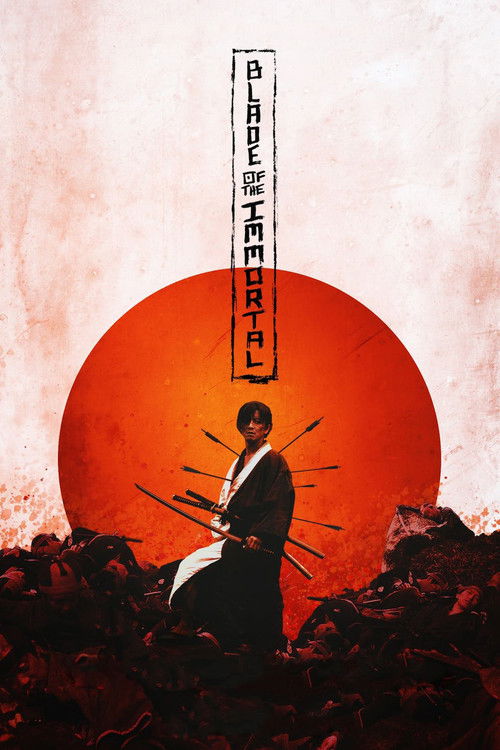
Blade of the Immortal2017
Miike's other samurai epic: similarly grotesque, similarly obsessed with bodies and their limits. Stunning choreography and a protagonist who also must journey through a landscape of his own making, but with darker humor and even stranger mythology.
But The 2.5-hour runtime feels it. At points the plot tangles more than it needs to, and the tonal shifts between horror and philosophy can be jarring.
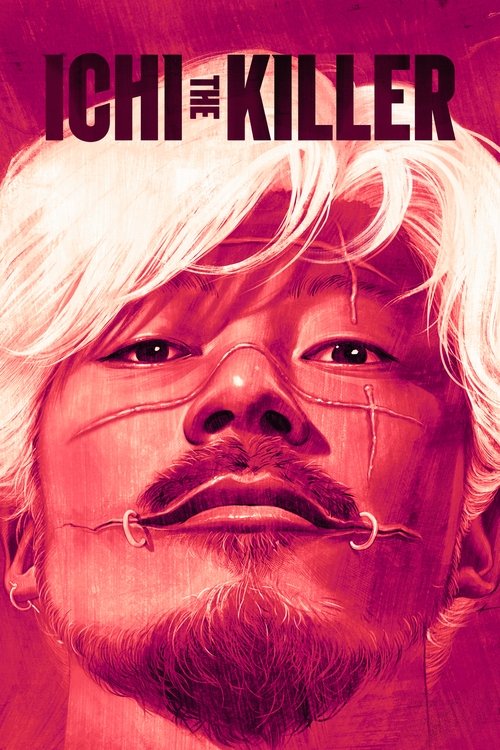
Ichi the Killer2001
Another Miike film that pairs extreme body horror with unexpected tenderness. A revenge story that questions what vengeance actually costs. Visually audacious in ways that will either thrill you or make you look away.
But This is genuinely transgressive—graphic violence, sexual content, psychological brutality. Not provocative-for-provocation's sake, but it's not easy to watch.
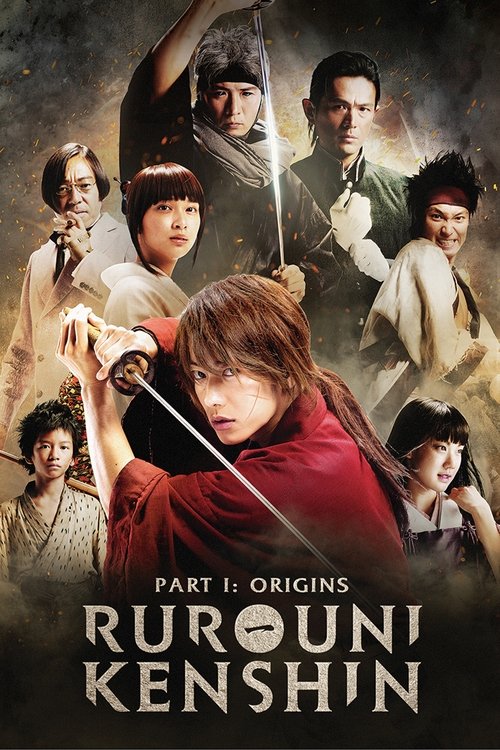
Rurouni Kenshin Part I: Origins2012
A wandering swordsman with a haunted past must confront what his strength cost. The action sequences are excellent, the emotional core is real, and there's genuine growth underneath the sword-swinging. Accessible entry to live-action anime adaptation done right.
But If you hate wirework and wire-assisted action, this will feel dated. Also pitched at a younger audience, so less grounded than Dororo.
Not sure tonight? Get a pick in a minute, starting from Dororo
The wildcard
Something you would not have found on your own.
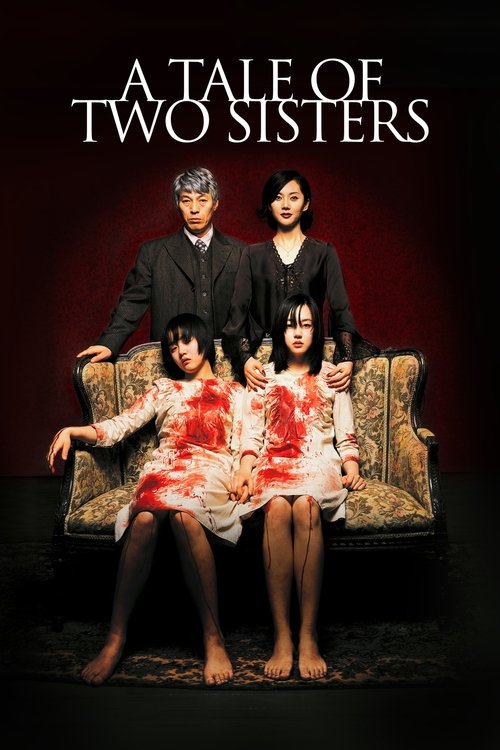
A Tale of Two Sisters2003
Both use the fantastical and grotesque to process trauma and loss; both center an unshakeable bond between two people as the emotional core; both ask what it costs to survive.
Kim Jee-woon's horror masterpiece is structurally similar to Dororo—a journey through a landscape that embodies internal trauma, body horror as metaphor for what abuse does, and the fierce loyalty between two broken people holding each other together. It's as much fairy tale as horror film.
But This is a psychological horror film, not action-adventure. The horror is internal and cumulative. Some find the reveal retroactively disappointing rather than devastating.
More like this (8)
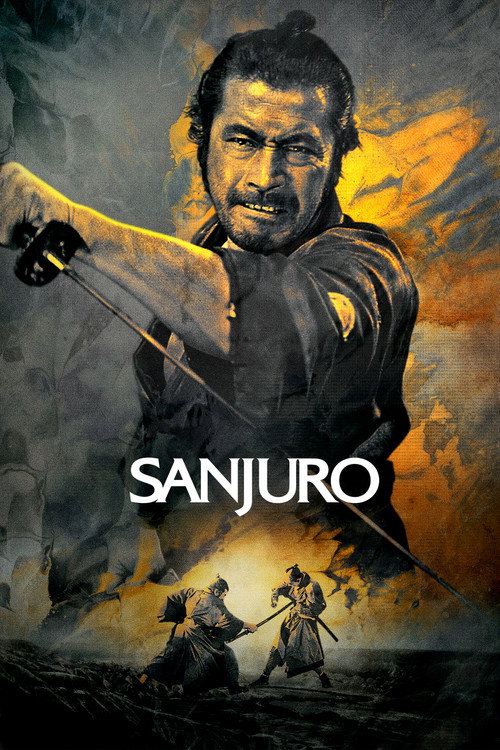
Sanjuro1962
Masaki Kobayashi's samurai tale about duty, loyalty, and the cost of violence. Shot in stunning color, morally complex, with action that still astonishes. The spiritual ancestor of everything Miike does with the genre.
But This is genuinely old. The pacing is patient in a way modern audiences find testing. The final scene is deliberately unsettling in a way some find gimmicky.
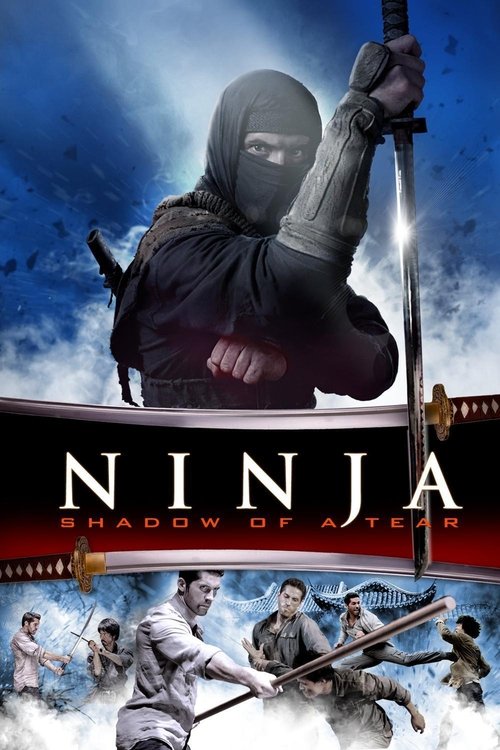
Ninja: Shadow of a Tear2013
A more grounded exploration of revenge and what we sacrifice chasing it. Scott Adkins brings real physicality, and the film trusts its action sequences to do the emotional work. Less supernatural than Dororo but similarly focused on a body and what it endures.
But It's not ambitious. Straightforward plot, familiar beats. If you want mythic weight, this won't provide it.
Harakiri1962
Masaki Koreeda's meditation on honor, system, and the body as political statement. One of cinema's greatest films about what it means to lose everything. The action sequences are rare and devastating because they've earned their weight through three hours of psychological pressure.
But This is profoundly slow and literary. You must sit with silence and stillness. The rewards are immense but they require patience.

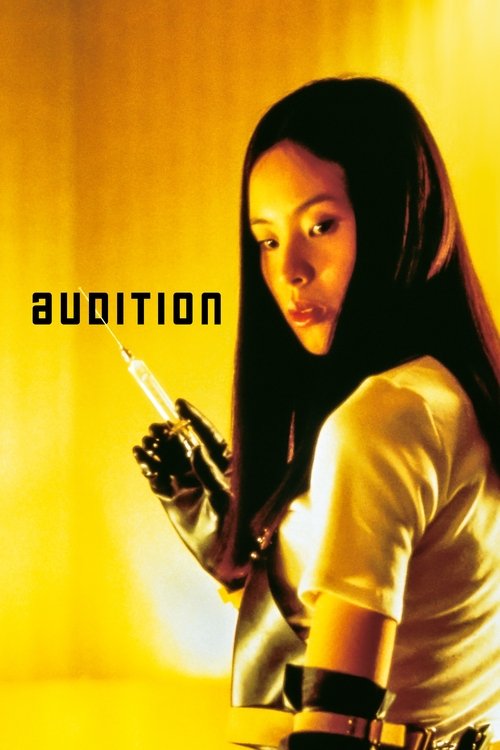
Audition2000
Takashi Miike's body-horror masterpiece. Less fantastical than Dororo but far more intimate and disturbing. A single relationship becomes a meditation on desire, control, and what we project onto strangers. Unforgettable and genuinely upsetting.
But The final third is extremely difficult. Graphic violence on a real, domestic scale. This is not entertainment; it's an ordeal designed to make you uncomfortable.
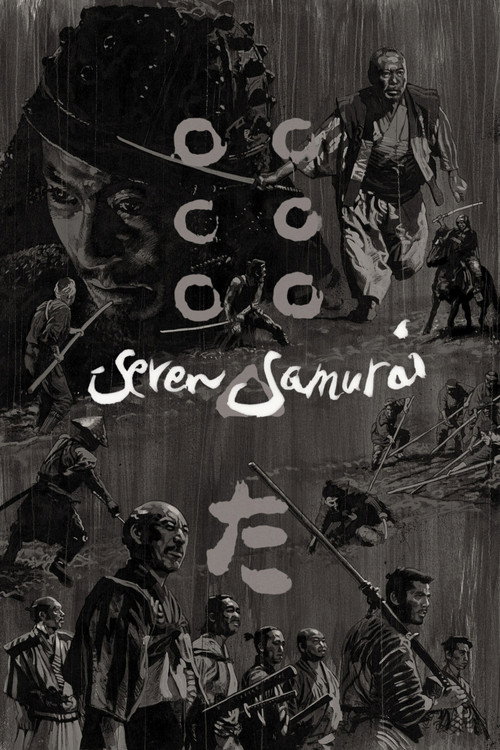
Seven Samurai1954
The template for everything. Kurosawa's film about seven flawed warriors hired to protect a village. Longer than Dororo but moves better. The character work is exceptional and the action sequences revolutionized cinema.
But Three-and-a-half hours. Some of the Japanese cultural context requires patience to decode. Might feel overly familiar if you've seen its descendants.
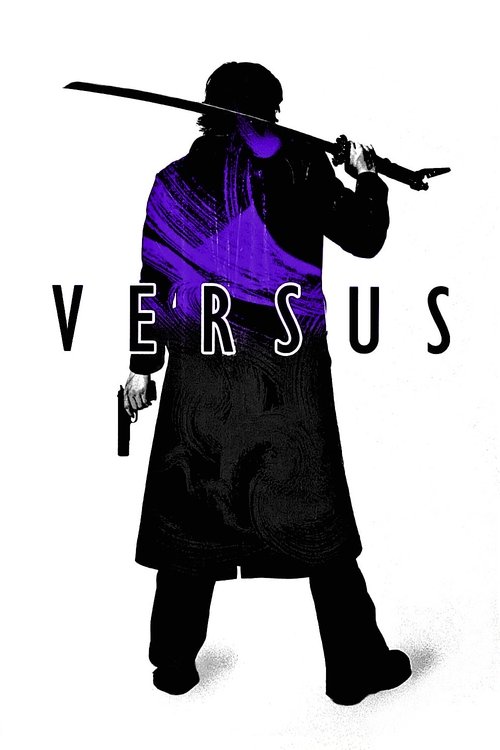
Versus2000
Ryuhei Kitamura's fever dream of a film: two men fighting in a forest that shouldn't exist, between life and death, reason and madness. Raw, cheap-looking, and defiantly weird. Pure action filmmaking that doesn't need plot to justify itself.
But It's aggressively stylized to the point of incoherence. Some will find it exhilarating; others will find it incomprehensible posturing. The budget shows.
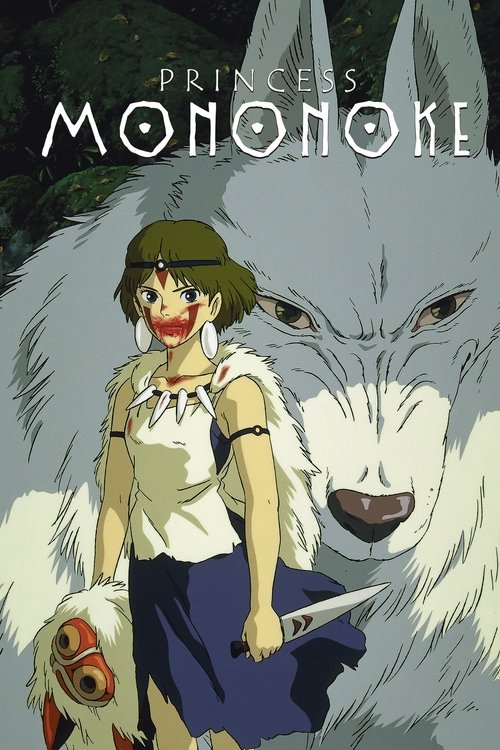
Princess Mononoke1997
Both feature protagonists stripped of humanity who must reclaim it through connection; both pit individual agency against systems larger than the self; both argue that becoming whole means accepting transformation, not returning to what was.
Miyazaki's animated epic about a young man caught between the human and natural worlds, his body itself a battleground between forces larger than himself. Staggering visual beauty paired with genuine moral complexity—no side is entirely right, and redemption is possible but costly.
But It's a different medium entirely, which throws people sometimes. Also subtitled and slow by modern standards. Some find Miyazaki's philosophy-first approach precious; it's not a plot engine.
The Ballad of Little Jo1993
Both explore how the body becomes a burden, a tool, and the site of resistance; both show survival as requiring a kind of self-erasure; both argue that reclaiming the body means reclaiming choice about how it's seen and used, not simple restoration.
Maggie Greenwald's Western about a woman who disguises herself as a man to survive a brutal landscape. Unlike most films about this subject, it doesn't romanticize the disguise or frame it as empowerment—it's a daily violence, a constant performance, a price paid. Quiet, thoughtful, and genuinely strange.
But It's a very small film. Slow. Unfamiliar with Western generic conventions and deliberately skeptical of them. Some find the aesthetic deliberately unglamorous to the point of bleakness.

People
Cast
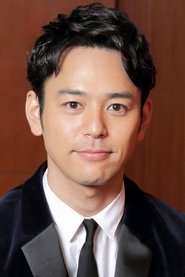 Satoshi TsumabukiHyakkimaru
 Ko ShibasakiDororo
 Kiichi NakaiKagemitsu Daigo
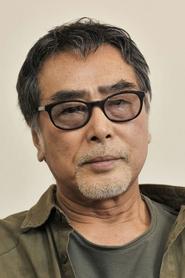 Yoshio HaradaJukai
 Eita NagayamaTahomaru
 Mieko HaradaYuri
- Katsuo NakamuraBipa
 Anna TsuchiyaSabame Lady
 Kumiko AsoOjiya
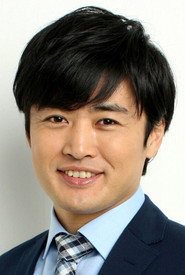 Gekidan HitoriScoundrel
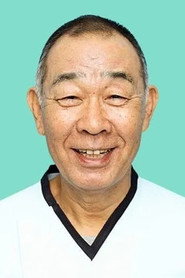 DendenPraying Father
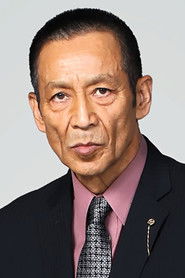 Shun SugataHibukuro
Directing
- Tony Ching Siu-TungAction Director
- Yuji ShimomuraAction Director
- Akihiko ShiotaDirector
Writing
- Osamu TezukaComic Book
- Akihiko ShiotaScreenplay
- Masaru NakamuraScreenplay
Production
- Takashi HiranoProducer