
Film
Goemon
Sogo Ishii's maximalist samurai-ninja action film follows legendary bandit Goemon as he unearths a mystical box that promises to reshape Japan's future. It's gorgeous, kinetic, utterly unhinged—part historical drama, part supernatural spectacle, part fever dream. For those craving action that takes itself seriously but never settles down.
Should you watch it?
Watch it if you love stylised period adventures where the swordplay, colour and mythic sweep matter more than tidy plotting, and you are happy to be carried along by a big, flamboyant fairy-tale energy.
Skip it if you want grounded historical realism or a lean, tightly edited story, since this one is lavish, busy and indulgent across its two-hour-plus running time.
What it asks of you: It asks for a long stretch of patience and a willingness to let the visuals and fantasy elements run wild, with fast action set against slower, more sprawling scenes.
Not sure? Find tonight's pick in a minute.
If you liked this
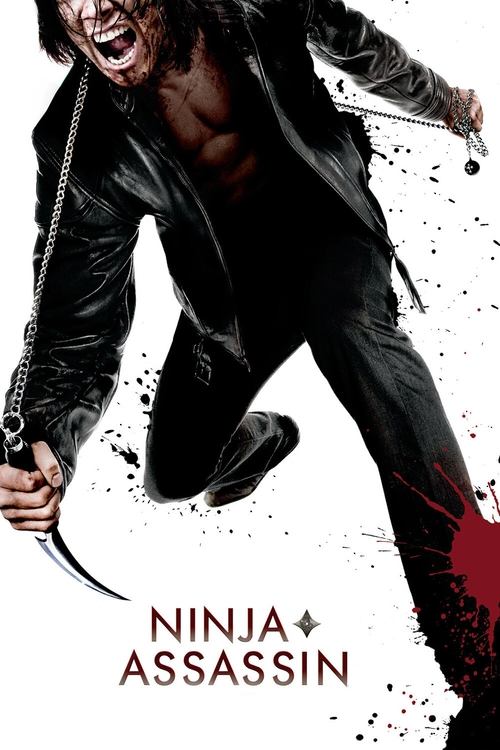
Ninja Assassin2009
Rain delivers raw physicality in a slick revenge thriller set across rain-soaked landscapes. Like Goemon, it marries ninja mythology with modern action filmmaking and visual excess.
But The plot is thin and the dialogue often strained. If you need character development over style, this leans harder into spectacle than substance.
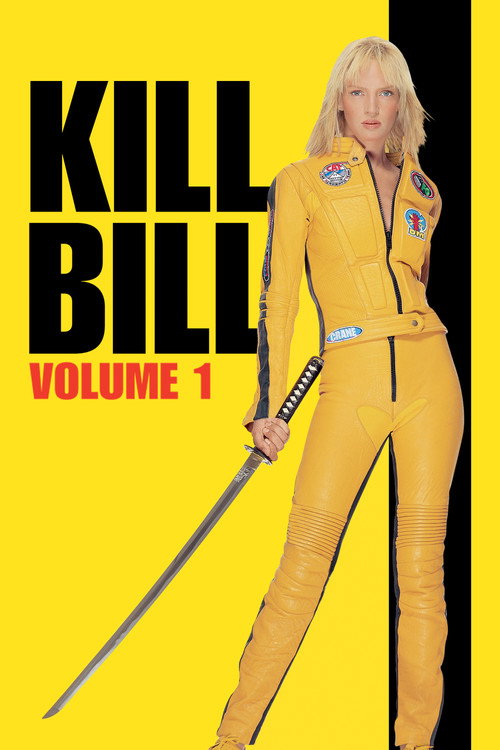
Kill Bill: Vol. 12003
Tarantino's love letter to samurai and revenge cinema—vibrant, genre-shuffling, gloriously excessive. It shares Goemon's refusal to choose between style and substance, between homage and originality.
But At nearly two hours, it stops without resolving the main plot. Some find the tonal shifts jarring; others find them the whole point.
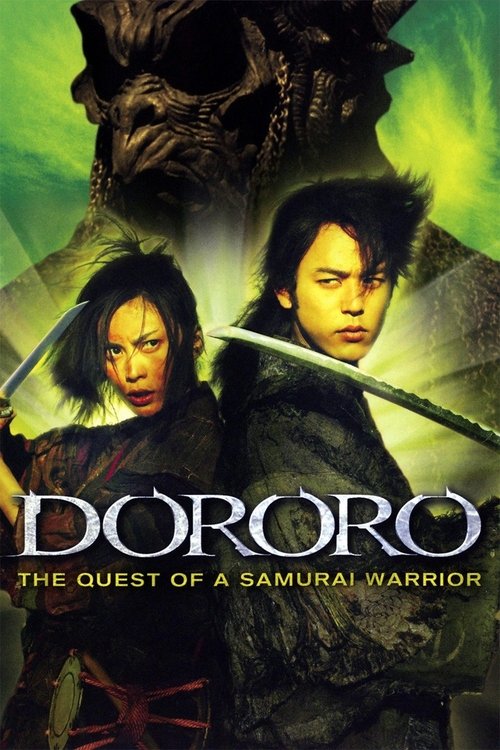
Dororo2007
Visually inventive samurai-fantasy with a child warrior uncovering dark magic. Like Goemon, it takes Japanese legend and warps it through contemporary action sensibilities without apology.
But The story feels scattered across multiple genres. Tonal whiplash between camp, horror, and earnest drama won't work for everyone.
Not sure tonight? Get a pick in a minute, starting from Goemon
The wildcard
Something you would not have found on your own.
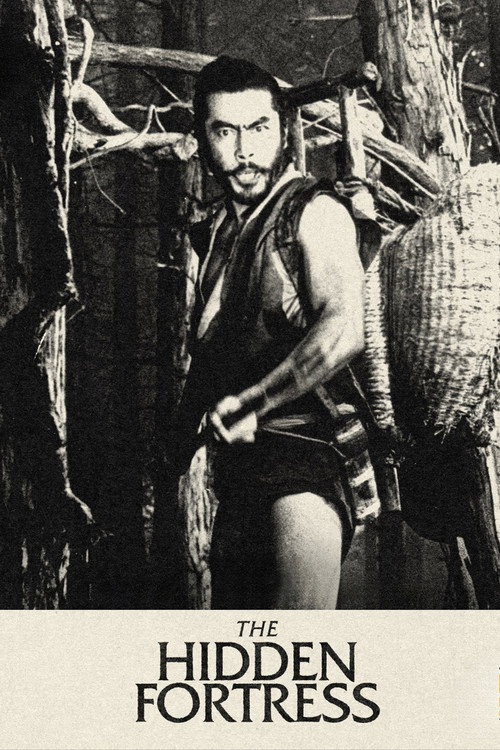
The Hidden Fortress1958
Goemon is a direct literary descendent of this film's structure and mythology. Watching this first makes Goemon read as an homage that understood what Kurosawa was reaching for and pushed it further into fantasy.
Kurosawa's great adventure film: hidden royalty, bandits, treasures, and journeys through a kingdom in chaos. It's the DNA of samurai spectacle. Goemon is what happens when someone remakes this with supernatural elements and modern action grammar.
But Shot in black-and-white widescreen in 1958. If you need contemporary pacing and color saturation, it feels remote despite its adventure spirit.
More like this (6)
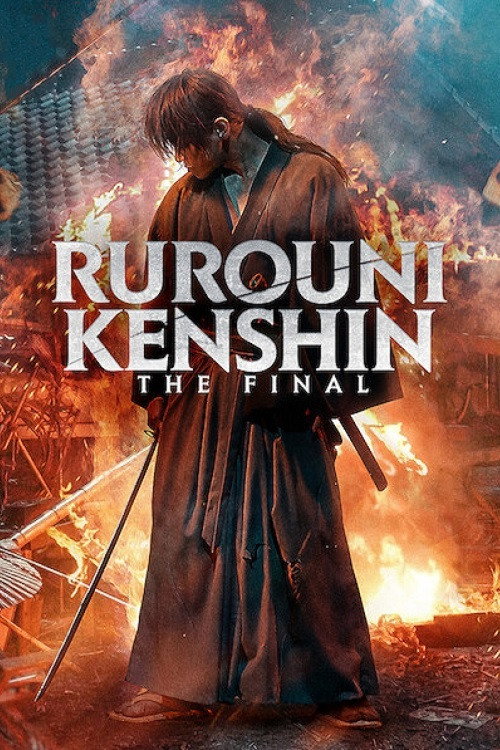
Rurouni Kenshin: The Final2021
A live-action samurai epic that understands how to stage beautiful sword work. It shares Goemon's commitment to craft—every frame is considered, every action set a composition.
But Two hours of a specific story you may not be invested in. Even if you loved the anime, this requires patience with its deliberate pacing.
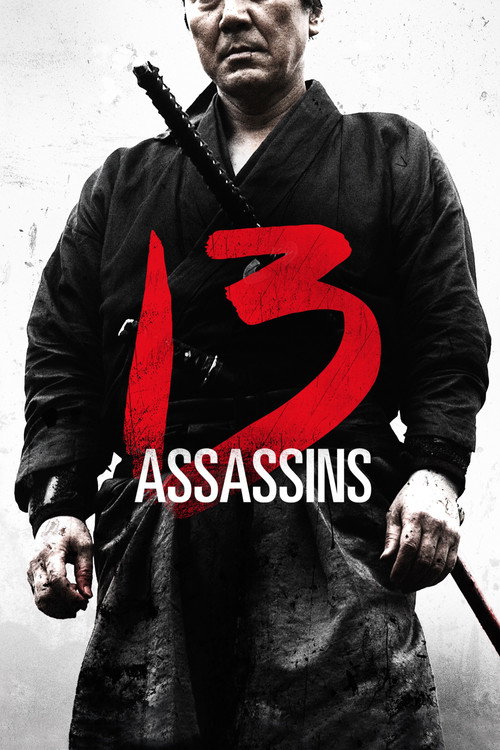
13 Assassins2010
Takashi Miike's masterclass in sustained action filmmaking. Samurai honor, political intrigue, and relentless momentum—made the same year as Goemon by a director equally obsessed with spectacle and consequence.
But The final thirty minutes is one battle. If you prefer variety in your action, the repetition can feel punishing rather than hypnotic.
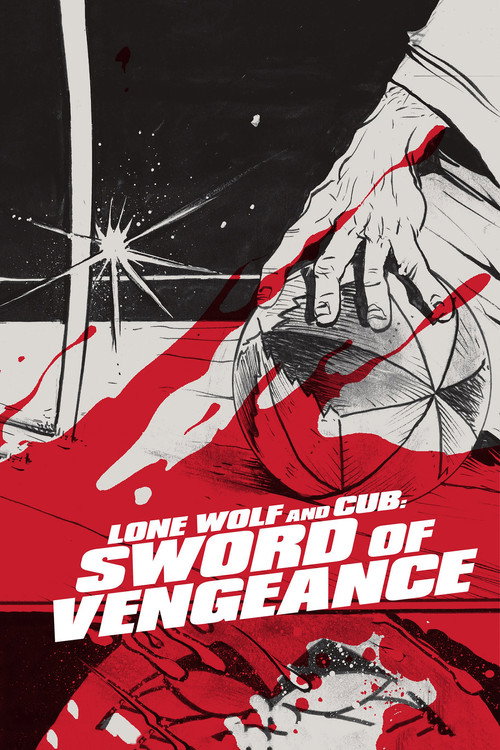
Lone Wolf and Cub: Sword of Vengeance1972
The original samurai revenge epic—stylish, violent, operatic. Goemon owes everything to this film's willingness to prioritize visual storytelling and mythic scope over plot logistics.
But 1972 means you're watching dubbed voice work and film stock that shows its age. The pacing is methodical in ways modern audiences find slow.
Harakiri1962
A samurai masterpiece that interrogates honor and duty. If Goemon is the fantasy version of the samurai myth, Harakiri is the devastating real one—they're in conversation.
But It's a tragedy with no joy. The cinematography is black-and-white and austere. Prepare for grief rather than exhilaration.

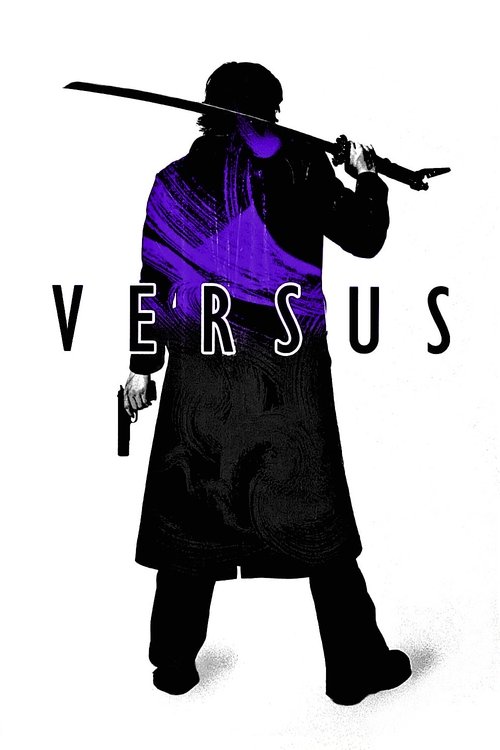
Versus2000
Ryuhei Kitamura's wild debut: samurai, zombies, gun-fu, and a forest that doesn't obey physics. Peak Japanese B-movie ambition—anarchic where Goemon is granular, but equally committed to visual mayhem.
But The plot is skeletal and the acting is... let's say uneven. It's a style object, not a character study. The humor won't land for everyone.
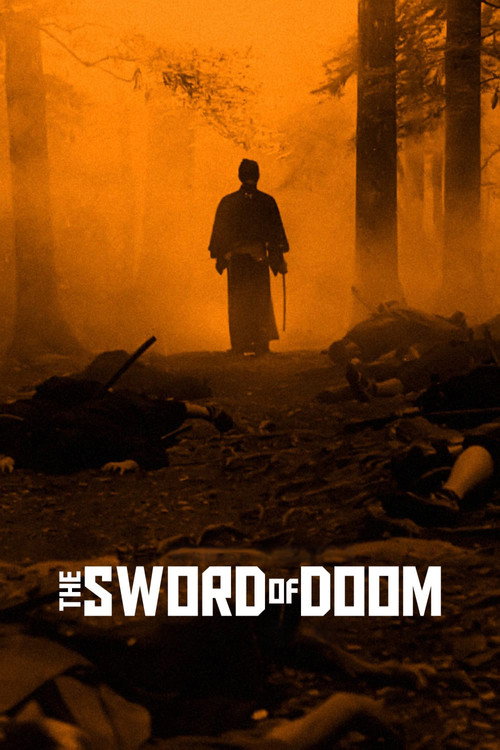
The Sword of Doom1966
Tatsuya Nakadai as a swordsman with no moral center. A meditation on violence and drift. Goemon is concerned with destiny and magic; this earlier film is concerned with emptiness.
But It ends without resolution and offers no catharsis. If you watch samurai films for honor and clarity, you'll find neither here.
People
Cast
 Yosuke EguchiGoemon Ishikawa
 Ryoko HirosueChacha Asai
 Takao OsawaSaizo Kirigakure
 Jun KanameMitsunari Ishida
 Mikijiro HiraRikyu Sen
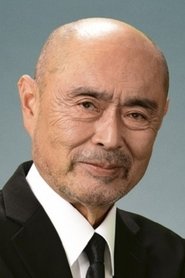 Masatô IbuIeyasu Tokugawa
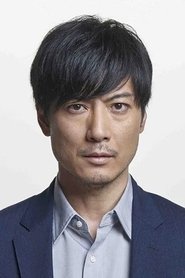 Tetsuji TamayamaMatahachi
 RyoGoemon's mother
 Erika TodaCourtesan Yukiri
 Eriko SatoYoshino
 Mayumi SadaOrin
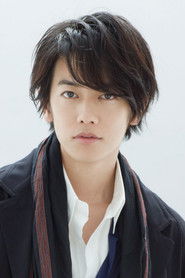 Takeru SatohKirigoku Saizo
Directing
- Kazuhiko KondoAssistant Director
- Kazuaki KiriyaDirector
Writing
- Kazuaki KiriyaOriginal Story
- Kazuaki KiriyaScreenplay
Production
- Yoshiya NagasawaAssociate Producer
- Masashi YamaguchiCasting
- Kazutaka AkimotoExecutive Producer
- Shingo SekineExecutive Producer
- Kazuaki KiriyaProducer
- Takashige IchiseProducer
Recommended by
Princess Iron Fan, Lone Wolf and Cub: Baby Cart at the River Styx, Revenge of the Kung Fu Master