
Film
Rurouni Kenshin: The Final
A live-action samurai epic that adapts the beloved manga's most emotionally devastating arc. Takeru Satoh returns as Kenshin, the wandering swordsman haunted by his violent past, now facing enemies who demand he reckon with the cost of his redemption. Spectacular action, genuine heartbreak, and a story about atonement that earns its weight.
If you liked this
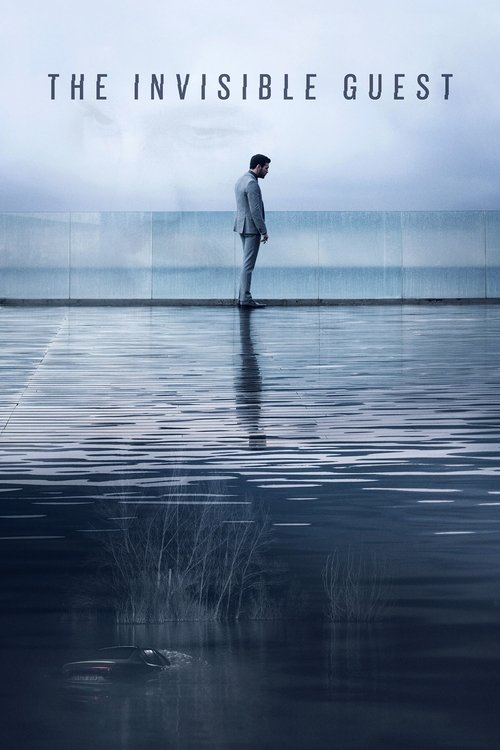
The Invisible Guest2017
A Spanish thriller with the same skill at layering emotional truth beneath surface narrative. Like Rurouni Kenshin, it makes you care deeply about why people do terrible things, then subverts your understanding repeatedly.
But A locked-room mystery rather than action spectacle. If you're here purely for swordplay, this pivots away from that entirely.
Harakiri1962
The definitive meditation on samurai honor and the emptiness behind the code. Masaki Kobayashi's black-and-white masterpiece asks the same question Rurouni Kenshin does: what price redemption when the past won't let you go?
But Glacially slow, visually austere, and genuinely bleak. This is high art, not entertainment. Demands your full attention.

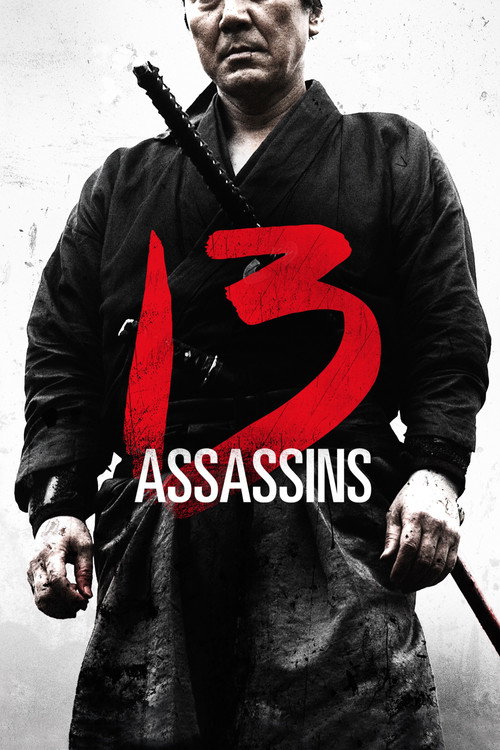
13 Assassins2010
Takashi Miike's samurai thriller delivers the action spectacle with real emotional stakes. A small band of warriors against impossible odds, with the same blend of character development and kinetic fight sequences.
But The third act is almost entirely one extended battle. If you want plot variety, you won't find it here.
Not sure tonight? Get a pick in a minute, starting from Rurouni Kenshin: The Final
The wildcard
Something you would not have found on your own.
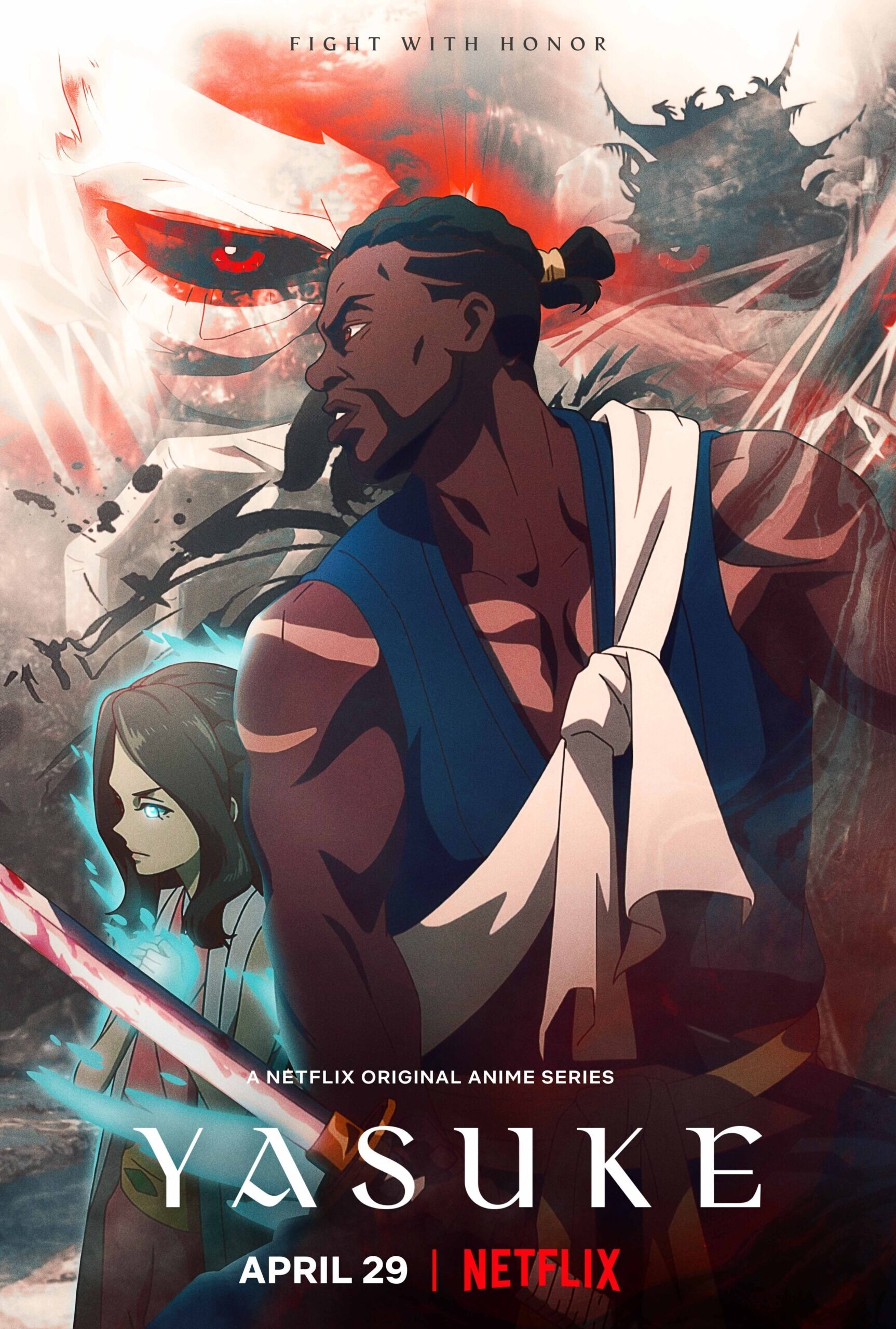
Yasuke2021
Both are about outsiders navigating samurai codes they never quite belonged to, finding redemption through violence while never escaping its weight.
An anime miniseries about a Black samurai in 16th-century Japan, grounded in real history but willing to be visually experimental and spiritually strange. Like Rurouni Kenshin, it takes the samurai genre seriously enough to ask what honor means—then tears that question apart.
But Only four episodes, so it feels like a fragment. The animation is sometimes deliberately crude, and the historical revisionism will bother people who want accuracy.
More like this (6)
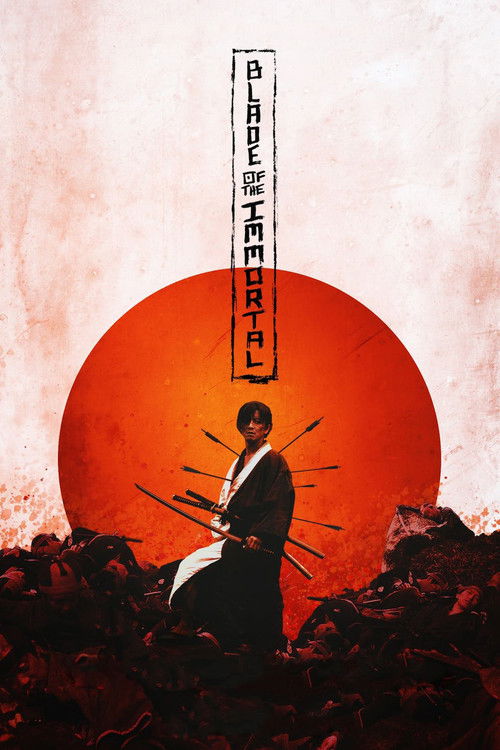
Blade of the Immortal2017
Another manga adaptation about a swordsman cursed by his own skill, seeking redemption through violence. Takashi Miike directs with baroque energy, and the thematic overlap with Rurouni Kenshin is substantial.
But Aggressively stylized in ways that feel dated already. The gore is excessive, and the narrative threads don't always cohere.
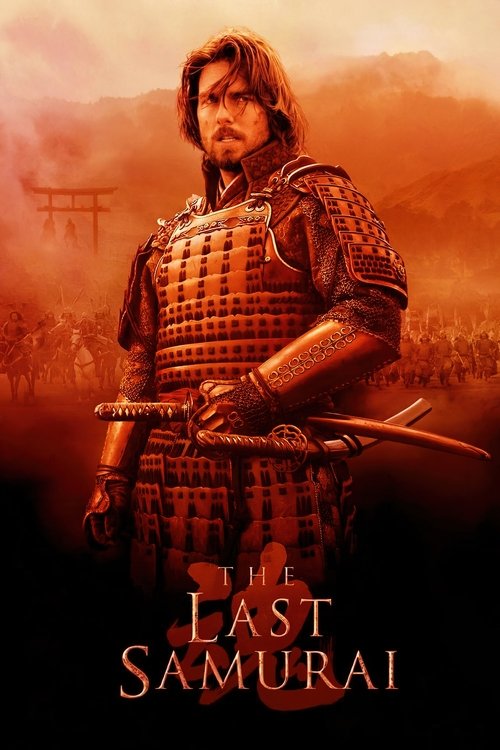
The Last Samurai2003
Tom Cruise in a film that actually earns its Orientalism by being genuinely about cultural collision and the death of a way of life. Gorgeous cinematography, Ken Watanabe's performance, and a final battle that understands what it means to lose.
But Three hours long and unapologetic about it. The pacing is deliberate, sometimes to the point of indulgence.
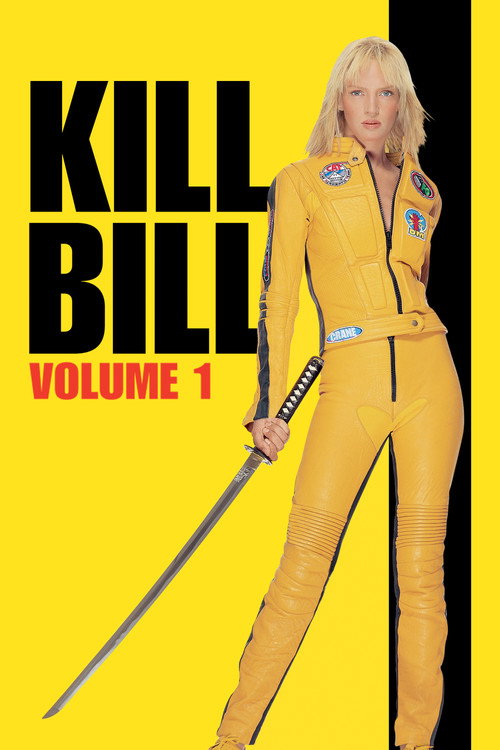
Kill Bill: Vol. 12003
Tarantino's love letter to samurai cinema with Uma Thurman as a warrior emerging from her past to settle accounts. The action is balletic, the color palette is alive, and it understands the genre's emotional core.
But Fragmented narrative and tonal whiplash. Some of the anime sequences feel incongruous with the rest.
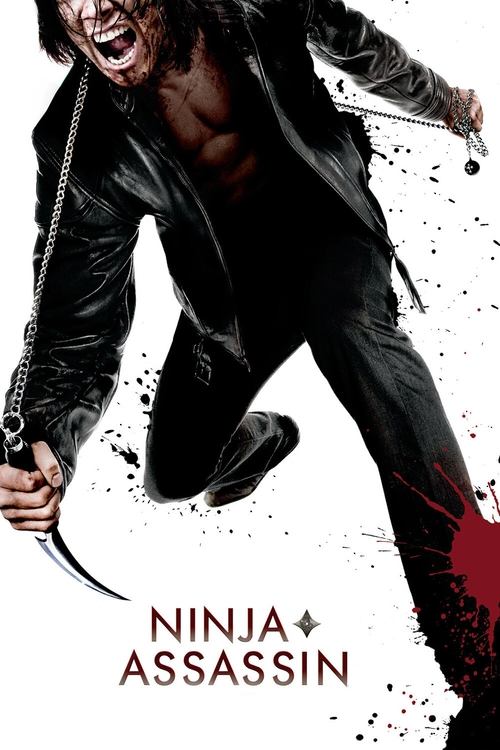
Ninja Assassin2009
Rain brings real intensity to a ninja who turns against his order. Slick action, a protagonist defined by trauma and the attempt to escape it, and the same emotional architecture as Rurouni Kenshin.
But Leaner on character, heavier on spectacle. The plot is fairly straightforward, and the emotional beats don't hit as hard.
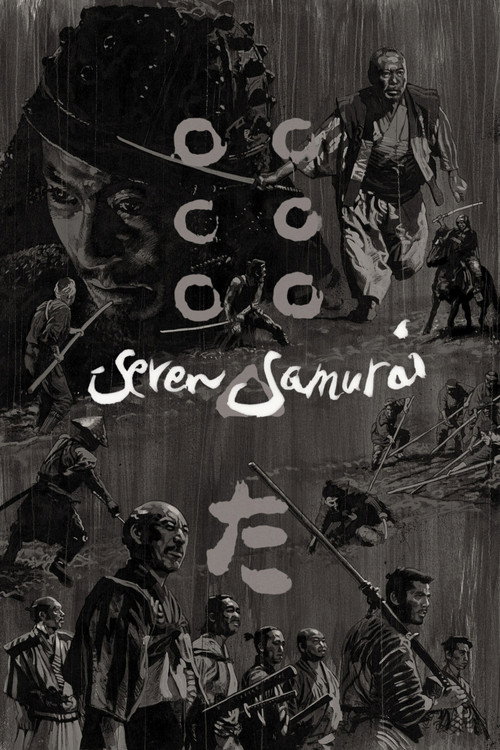
Seven Samurai1954
Kurosawa's foundational work about warriors protecting a village against bandits. If you want to understand the DNA of every samurai story that followed, including Rurouni Kenshin, this is where it comes from.
But Three and a half hours of 1954 filmmaking. The pacing is glacial by modern standards, and the image quality will test your patience.
Memories of Murder2003
Both center on protagonists haunted by their own capacity for brutality, trying to do right in systems that make rightness impossible. Both are more interested in what survives after violence than in the violence itself.
Bong Joon-ho's detective thriller set in 1980s South Korea, where two cops chase a serial killer across a landscape of institutional corruption and individual desperation. Not a samurai film—a modern crime drama—but it asks the same question Rurouni Kenshin does: what happens when you've been shaped by violence and can't escape it?
But Grim and procedural rather than heroic. The ending refuses catharsis. If you need the protagonist to triumph, this will frustrate you.

People
Cast
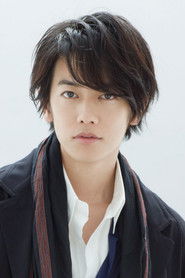 Takeru SatohKenshin Himura
 Emi TakeiKaoru Kamiya
 MackenyuEnishi Yukishiro
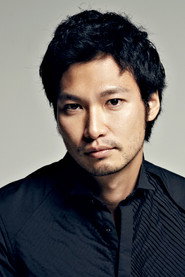 Munetaka AokiSanosuke Sagara
 Yu AoiMegumi Takani
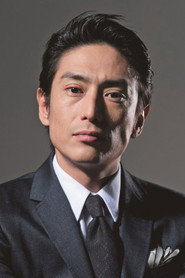 Yusuke IseyaAoshi Shinomori
 Tao TsuchiyaMakimachi Misao
 Ryosuke MiuraCho Sawagejo
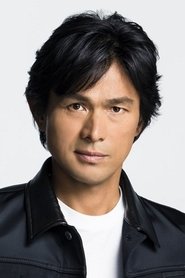 Yosuke EguchiHajime Saito
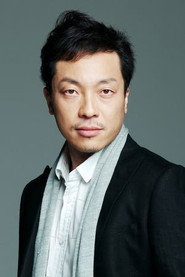 Takuma OtooHeishin Woo
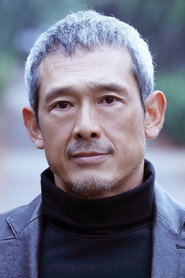 Shingo TsurumiChief Uramura
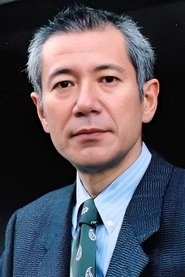 Takeo NakaharaMiyauchi Maekawa
Directing
- Keishi OtomoDirector
Writing
- Nobuhiro WatsukiComic Book
- Keishi OtomoWriter
Production
- Hiroyoshi KoiwaiExecutive Producer
- Keizô ShukuzakiLine Producer
- Satoshi FukushimaProducer
- Daisuke MuramatsuProduction Manager