
Film
Rurouni Kenshin: The Beginning
A prequel to the beloved anime that reveals how Japan's most skilled swordsman became a pacifist. Shot as live-action with genuine emotion beneath the sword work, it's a romance and tragedy about the woman who changed everything. For fans of the series and anyone who likes their action films to have a real heart.
If you liked this
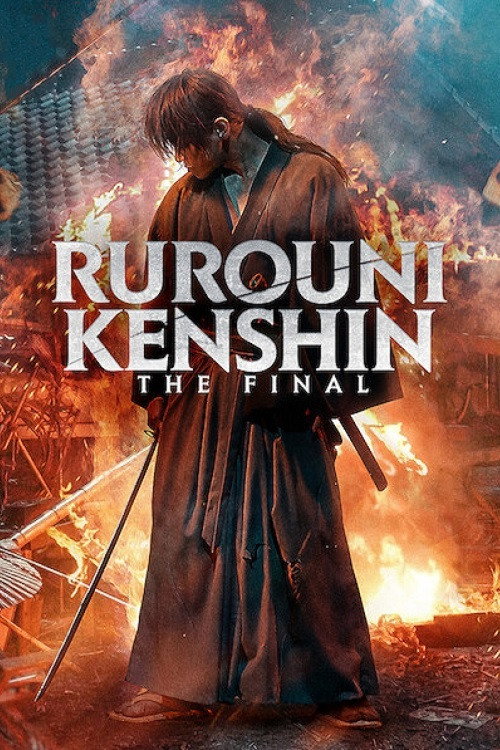
Rurouni Kenshin: The Final2021
The direct sequel that completes the Kyoto arc. If you've just watched The Beginning, this is the immediate next chapter—more of the same beautiful sword choreography and emotional weight, with higher stakes and Kenshin at his most haunted.
But It's very much a continuation rather than a standalone film. You'll be lost without The Beginning, and it assumes you care about these specific characters by now.
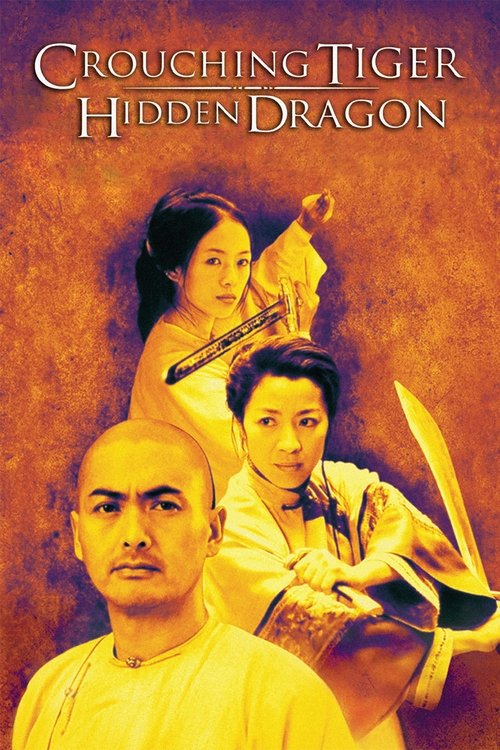
Crouching Tiger, Hidden Dragon2000
The template for romantic action cinema done right. Ang Lee crafts fight sequences that feel like dance, where emotion and violence are inseparable. A woman warrior carrying hidden trauma, a swordsman wrestling with duty—the DNA is identical to Kenshin's story.
But It's slower and more meditative than you might expect. If you want non-stop action, the quieter character moments might test your patience.
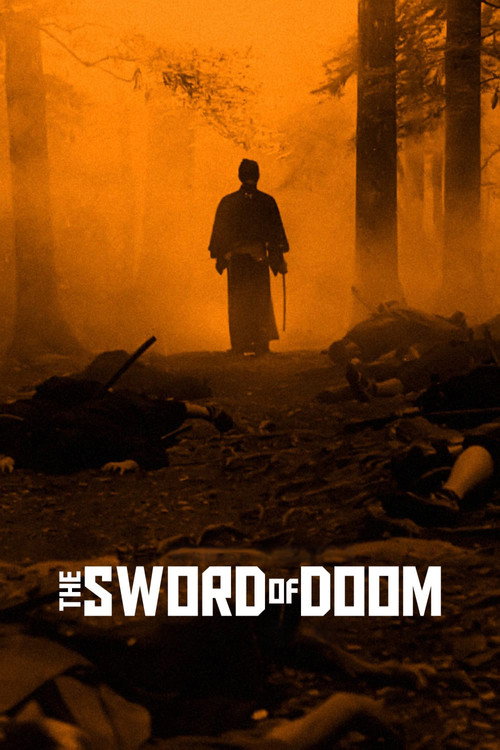
The Sword of Doom1966
A masterwork of samurai noir about a killer with a conscience. Tatsuya Nakadai gives a performance of devastating restraint as a man incapable of connection, the dark mirror to Kenshin's redemption. Shot in stunning black and white.
But It's bleak and slow by modern standards. There's minimal plot—mostly a character study of a man's moral decay. Not for those wanting traditional narrative momentum.
Not sure tonight? Get a pick in a minute, starting from Rurouni Kenshin: The Beginning
The wildcard
Something you would not have found on your own.
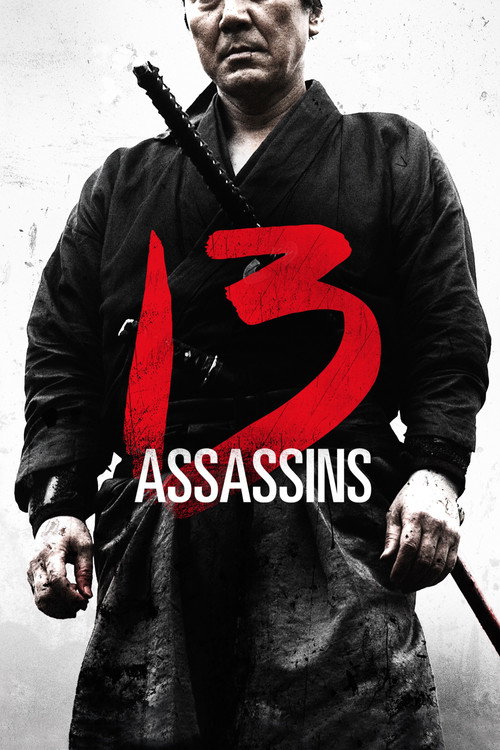
13 Assassins2010
Both explore whether taking a life—even skillfully, even necessarily—corrupts the soul. Both films believe technique is inseparable from morality.
Takashi Miike's samurai epic is pure craftsmanship—a film about the moral weight of violence, where every sword stroke costs something. The final forty-minute battle sequence is the best ever filmed, but what makes it sing is the quiet debate beforehand about whether killing is justified. Kenshin asks if a killer can change; this asks if killing for the right reason is still wrong.
But The violence is relentless and graphic in a way Kenshin restrains itself from. It's also very long and the first hour is slow setup. If you watch for spectacle alone, you'll miss what makes it matter.
More like this (8)
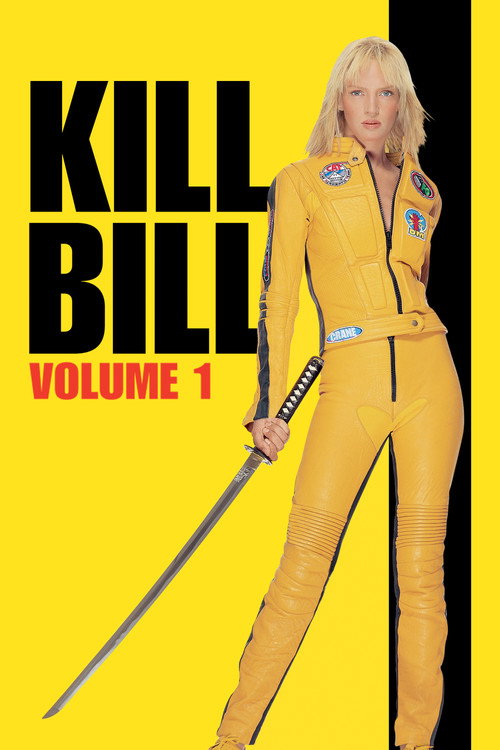
Kill Bill: Vol. 12003
Tarantino's love letter to samurai cinema and 1970s action. The same obsession with sword technique as beauty, the same question of whether a killer can step away from killing. Visually intoxicating and genuinely exhilarating.
But It's aggressively stylized and violent in a very different register from Kenshin. The tone is pulpy and playful where Kenshin is earnest. Some will find it shallow by comparison.
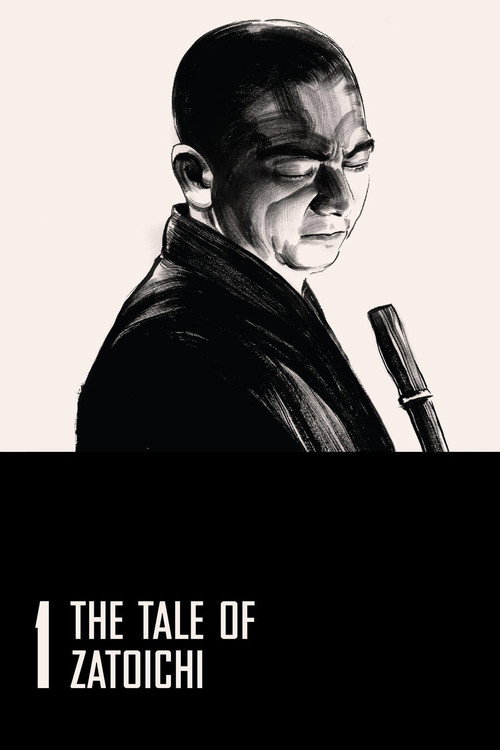
The Tale of Zatoichi1962
The original blind swordsman masterpiece. Shot with the clarity and economy of great samurai cinema, it explores the same theme—a skilled killer trying to live differently. Shintaro Katsu's performance is magnetic and understated.
But It's a period piece from 1962, so the pacing is deliberate and the action sporadic. Modern viewers expecting consistent sword battles will find long stretches of dialogue and character work.
Harakiri1962
A towering tragedy about honor, sacrifice, and the cost of principle. Masaki Kobayashi's masterpiece uses stunning black-and-white cinematography to ask hard questions about loyalty and what a man owes to those he loves. Devastating.
But It's formal, slow, and brutal in its emotional impact rather than physical violence. The ending is genuinely tragic in ways that offer no comfort. Not a film that sends you home feeling good.

The Sword of Alexander2007
A recent Ukrainian action film that treats sword combat with Kenshin's reverence for technique and form. Intimate, character-driven action where every cut matters. Proof that this kind of storytelling still works in contemporary cinema.
But It's a newer film so it may be harder to find. And it's Ukrainian-language with subtitles, which means an extra layer of attention required. Some international action films feel subtitled in a way that's hard to fully inhabit.
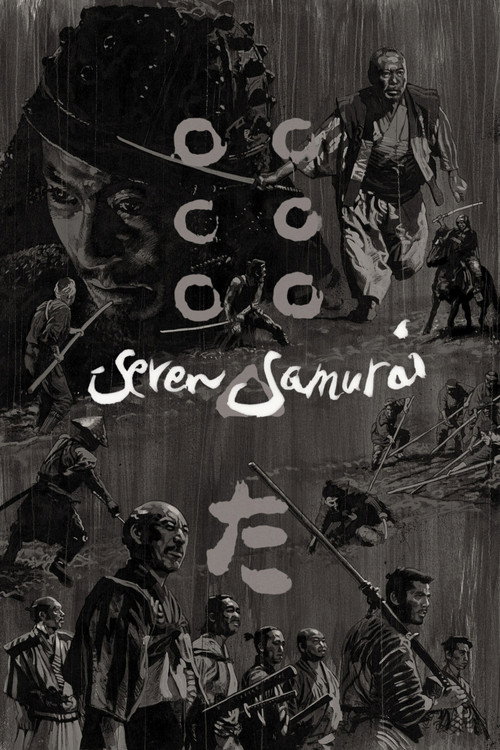
Seven Samurai1954
Kurosawa's epic about skilled fighters choosing to defend the vulnerable. The same moral weight as Kenshin—warriors grappling with what their skill should be used for. Longer than you think and worth every minute.
But It's nearly four hours long, shot in 1954, and deliberately paced. The initial samurai recruitment section tests patience before the action arrives. Commitment required.
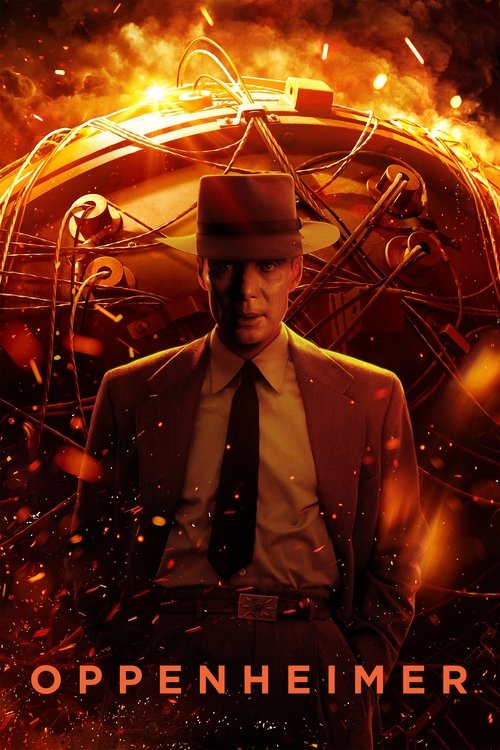
Oppenheimer2023
A sweeping tragedy about a brilliant man whose actions change him forever, forced to reckon with consequences he can't undo. Different genre entirely, but the same emotional architecture—how do you live after becoming something you despise?
But It has nothing to do with samurai or action. Three hours of dialogue and moral complexity. If you want more swords, this will feel like punishment.
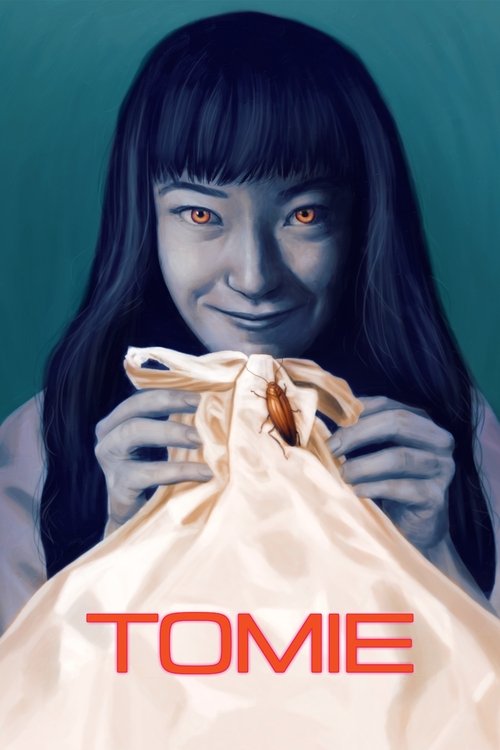
Tomie1998
Both center on a woman named Tomie/Tomoe whose relationship to a man becomes the hinge point of his entire moral life. Both ask: how much can one person change another person's destiny?
A horror film about a woman whose existence is intertwined with violence and obsession. Utterly different genre, but Tomie and Tomoe are mirror images—one corrupts everything she touches, one redeems through love. Hideous, beautiful, and far more sophisticated than its premise suggests.
But It's genuinely horrific with body horror and sexual violence. The film treats women's bodies as sites of trauma, which will alienate many viewers. It's also deeply Japanese in its sensibilities—slow, symbolic, sometimes oblique.
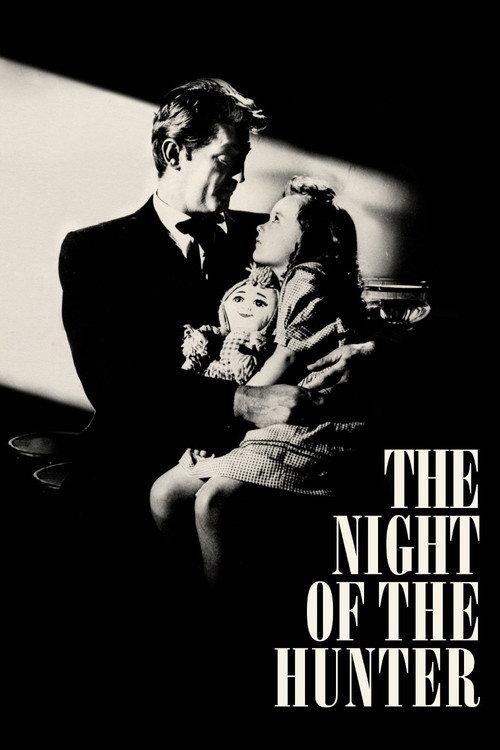
The Night of the Hunter1955
Like Kenshin, it's about the wages of violence and a man trying to escape his own nature. But where Kenshin finds redemption, this film suggests the past never fully releases you.
Charles Laughton's only film is a nightmare of Americana—a preacher who's a killer, a journey through darkness toward light. Shot in expressionist black and white like nothing else in cinema. It's about how violence leaves scars that echo across lives, how one person's cruelty reverberates. Haunting and hypnotic.
But It's slow-burn Gothic horror, not action. The violence is psychological rather than shown. If you're watching for sword fights, you're watching the wrong film. And it's deeply unsettling—not cathartic.
People
Cast
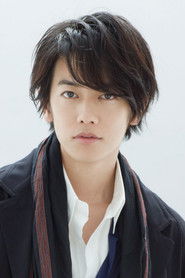 Takeru SatohKenshin Himura
 Kasumi ArimuraTomoe Yukishiro
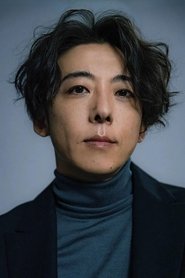 Issey TakahashiKogoro Katsura
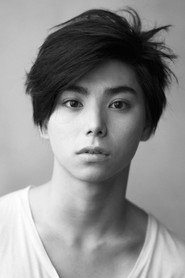 Nijiro MurakamiSoji Okita
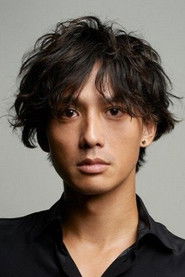 Masanobu AndoShinsaku Takasugi
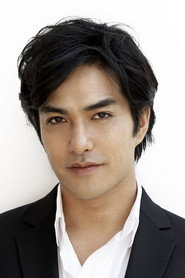 Kazuki KitamuraTatsumi
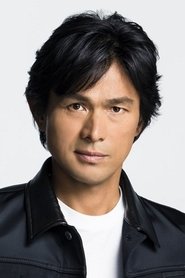 Yosuke EguchiHajime Saito
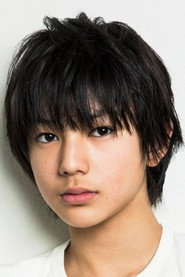 Towa ArakiEnishi Yukishiro
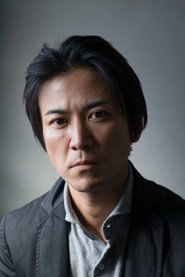 Shima OnishiIizuka
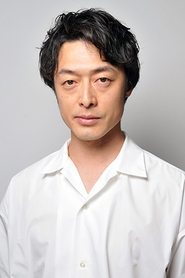 Soko WadaToshizo Hijikata
 Mansaku IkeuchiKatagai
 Mayu HottaIkumatsu
Directing
- Keishi OtomoDirector
Writing
- Nobuhiro WatsukiComic Book
- Keishi OtomoScreenplay
Production
- Keizô ShukuzakiLine Producer
- Hiroyoshi KoiwaiProducer
- Satoshi FukushimaProducer
- Daisuke MuramatsuProduction Manager