
Film
Tomie
A 1998 Japanese horror film where a woman undergoes hypnosis to recover repressed memories, fixating on the name Tomie—which a detective investigating brutal murders encounters too. It's unsettling body horror woven with psychological mystery, building dread through fragmentation and violation. For those drawn to J-horror that gets under your skin rather than merely startling you.
Should you watch it?
Watch it if you like slow-burning Japanese horror that builds dread through a puzzle of memory and cold procedural detail, where the scares arrive sideways rather than as jump-cuts.
Skip it if you need a tidy, fully explained mystery or a steady pace; this one drifts, withholds answers, and some of its logic will feel loose.
What it asks of you: About ninety-five minutes of unhurried build, with long quiet stretches and a dread that accumulates rather than erupts, so settle in and let it come to you.
Not sure? Find tonight's pick in a minute.
If you liked this
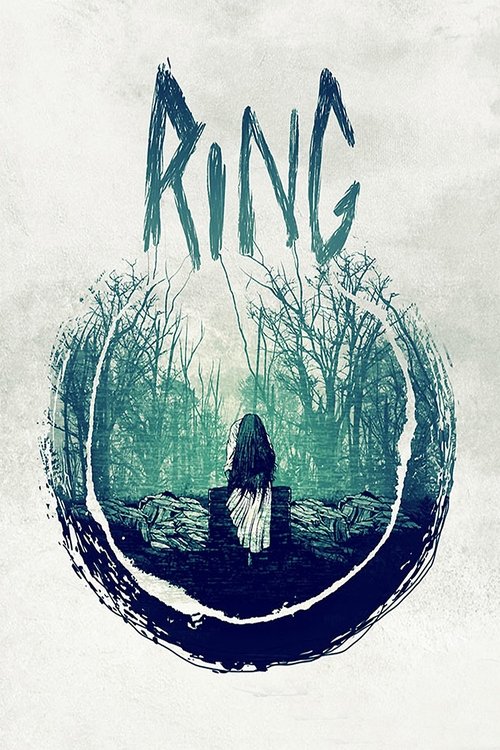
Ring1998
Released the same year, this redefined horror for a generation. A cursed videotape, creeping inevitability, and an atmosphere so thick you can feel it. Essential viewing if you haven't, revelatory if you have.
But The pacing is glacial by modern standards, and some effects haven't aged gracefully. Patience required.
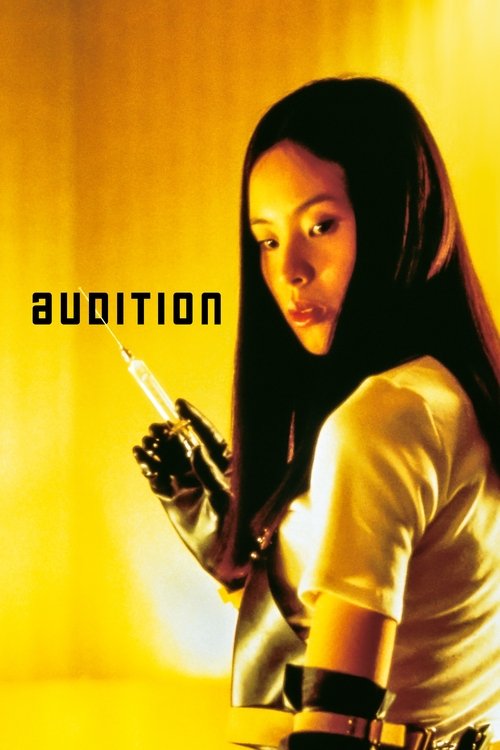
Audition2000
Takashi Miike's masterpiece of escalating dread. A man's search for love becomes something far darker. Like Tomie, it uses misdirection brilliantly and refuses to look away from its own cruelty.
But Genuinely difficult to watch in places. This is not comfort viewing. Some will find it exploitative rather than exploratory.
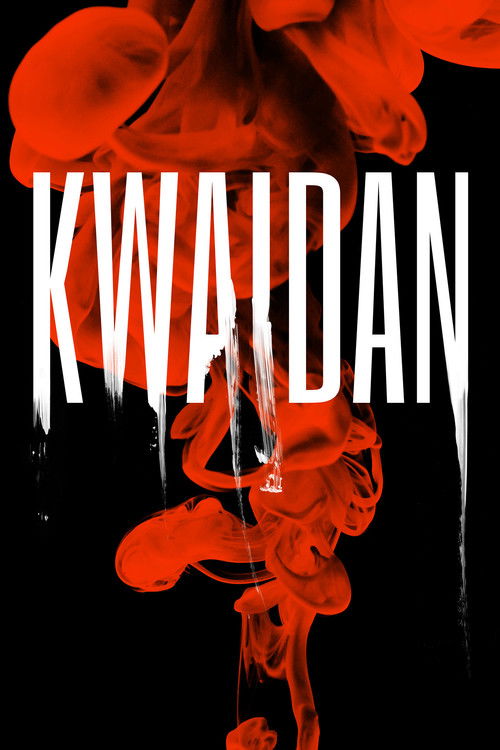
Kwaidan1965
Masaki Kobayashi's quartet of ghost stories, steeped in Japanese folklore and psychological unease. No jump scares, only a creeping sense that something is terribly, fundamentally wrong.
But Painterly and slow. If you want propulsive narrative momentum, look elsewhere. This is horror as meditation.
Not sure tonight? Get a pick in a minute, starting from Tomie
The wildcard
Something you would not have found on your own.
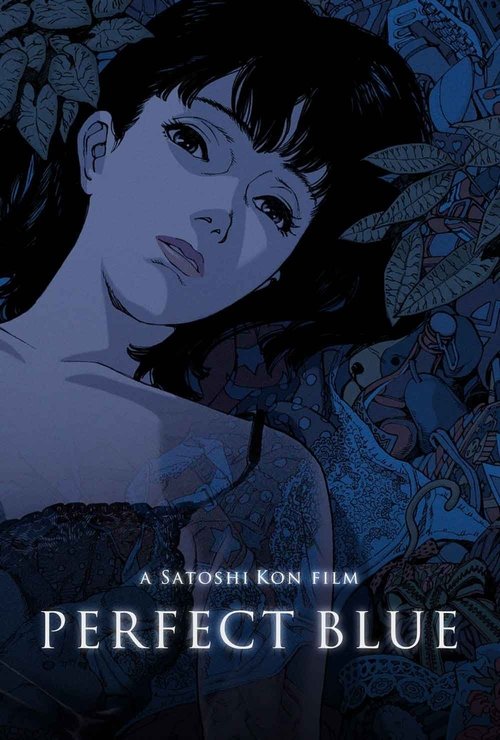
Perfect Blue1998
Both use memory and identity as unreliable narrators. Both build horror from fragmentation rather than monster or killer. Both ask: whose mind are we really in?
Satoshi Kon's anime psychological thriller about a pop idol turning actress, stalked by obsession and fragmentation. The violence here is psychological rather than physical, identity itself the crime scene. Extraordinarily inventive.
But It's animation, which some dismiss as derivative or childish—a massive mistake. The narrative loops and jumps will disorient intentionally.
More like this (8)
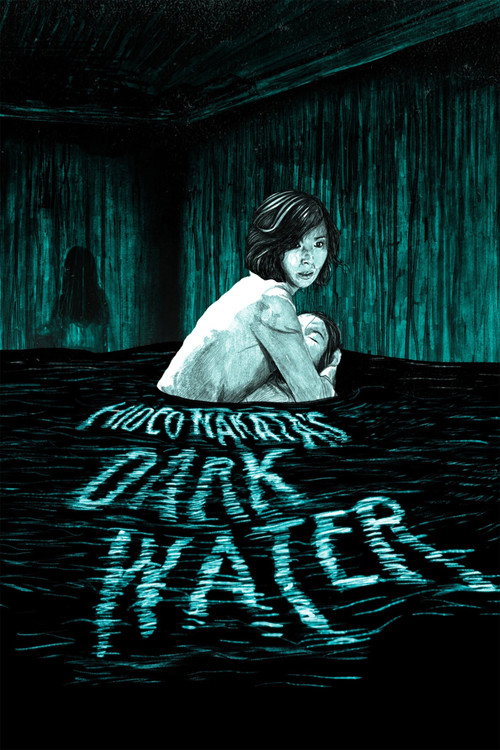
Dark Water2002
Another Hideo Nakata, another masterclass in atmosphere. A mother and daughter in a deteriorating apartment haunted by something worse than ghosts—decay, inevitability, the slow erosion of hope.
But It builds dread rather than delivering scares. Some find it depressing rather than frightening.
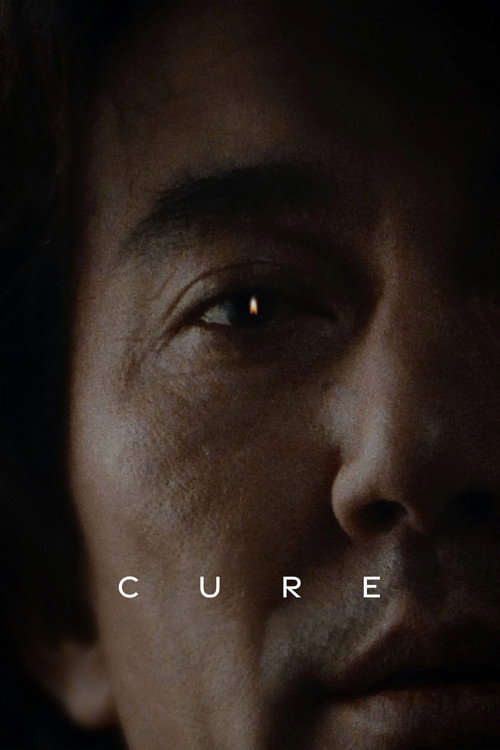
Cure1997
Kiyoshi Kurosawa's interrogation of identity and hypnosis. A detective pursues a killer who seems almost possessed, each victim bearing the same mysterious mark. Reality warps throughout.
But Deliberately oblique. Expects you to sit with uncertainty and will not hand you easy answers. Fragmented narrative can frustrate.
The Wailing2016
A South Korean mystery-horror about a village plagued by murders and a spiritual sickness. Questions of faith, guilt, and what we truly know build to devastating effect. Masterfully constructed.
But Over two and a half hours. Demands active engagement rather than passive consumption. Ending divides viewers sharply.

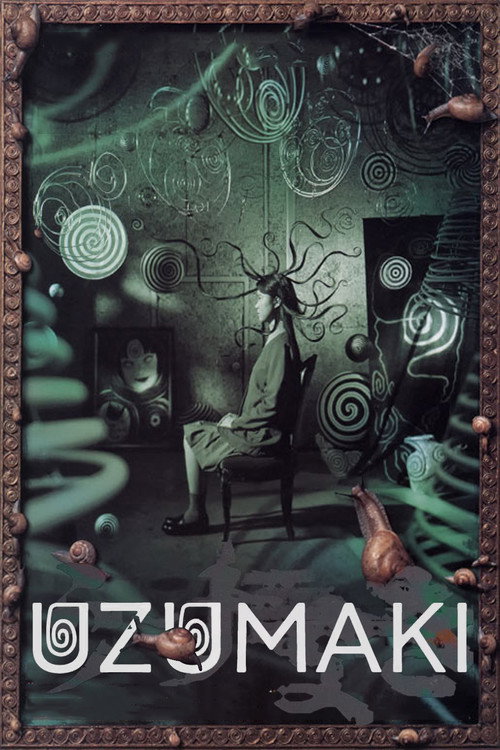
Uzumaki2000
A small town becomes obsessed with spirals in ways both mundane and horrifying. Adapted from manga, it brings that visual language to film with genuine unsettling power. Visually distinctive.
But The plot is thin and deliberately so. If you need clear narrative progression, this will feel like a series of scenes rather than a story.
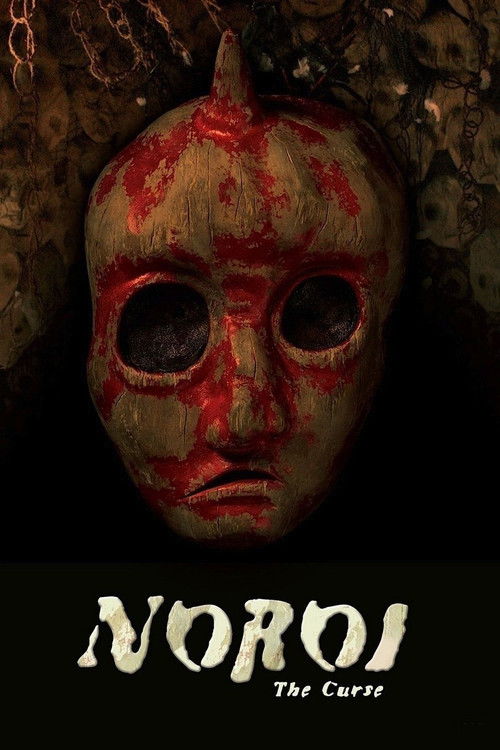
Noroi: The Curse2005
Found-footage horror from Koji Shiraishi that builds genuine unease through accumulation. A documentary filmmaker investigates a mysterious actress, and the truth is worse than any ghost story.
But Shot entirely as a recovered documentary. Some find this format tedious; others find it brilliant. The ending is abrupt.
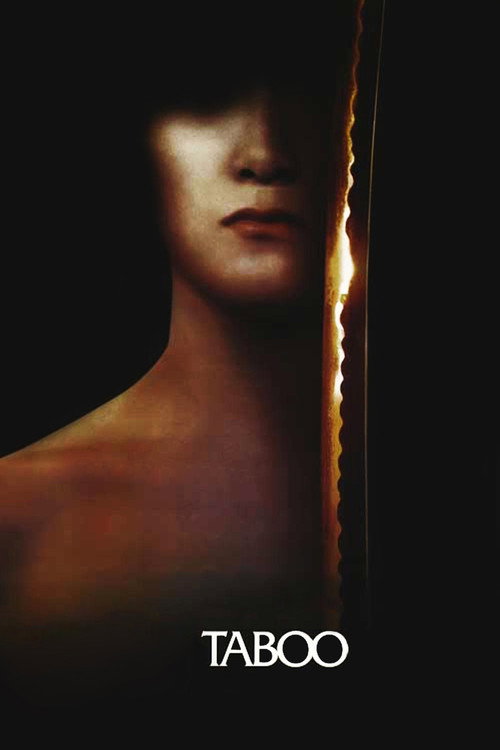
Taboo1999
Nagisa Oshima's final film, a murder mystery set in a samurai militia during Japan's civil war. Beauty and violence collide; desire and madness blur. Hypnotic and strange.
But More art film than genre exercise. Sexuality and ambiguity are central in ways that may perplex or alienate. Pacing is deliberate rather than tense.
Mulholland Drive2001
Both follow a woman reconstructing shattered memories, only to discover the truth is far darker than forgetting. Both suggest the mind itself is the horror, not what it contains.
David Lynch's film noir nightmare about Hollywood, ambition, and fractured identity. A woman survives a crash and loses her memory; everything that follows is beautiful and wrong. Hypnotic, devastating.
But It's 147 minutes and deliberately resists coherence. Lynch fans worship it; others find it pretentious. You must surrender to it entirely or not at all.

Possession1981
Like Tomie, it features a woman whose identity becomes monstrous and fluid. Both blur the line between psychological breakdown and supernatural possession. Both are genuinely difficult to parse, which is entirely the point.
Andrzej Żuławski's surreal, visceral nightmare about a marriage collapsing into literal and figurative monstrosity. Isabelle Adjani is extraordinary. The film moves like a fever dream, obscene and unnerving.
But Deliberately difficult and deliberately weird. Some sequences are grotesque body horror. The plot is deliberately incoherent—it's an emotional space, not a narrative. Extremely demanding viewing.

People
Cast
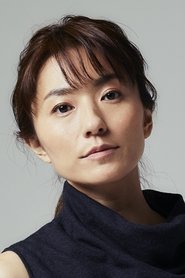 Mami NakamuraTsukiko Izumisawa
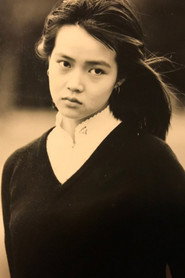 Yoriko DoguchiDr. Hosono
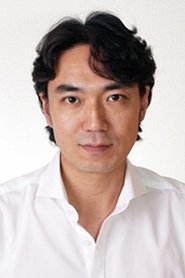 Kōta KusanoYuuichi Saiga
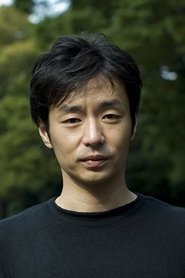 Kenji MizuhashiKenichi Yamamoto
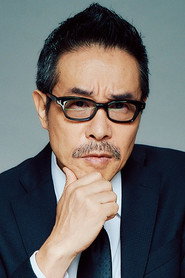 Tomorowo TaguchiDetective Harada
 Miho KannoTomie Kawakami
- RumiKaori
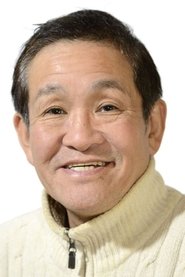 Ikko SuzukiLandlord
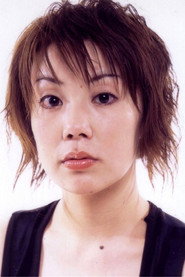 Kae MinamiKazumi
 Junji ItoPhotographer (uncredited)
Directing
- Ataru OikawaDirector
Writing
- Junji ItoNovel
- Ataru OikawaWriter
Production
- Mikihiko HirataExecutive Producer
- Tsutomu TsuchikawaExecutive Producer
- Shun ShimizuProducer
- Yasuhiko HigashiProducer
- Youichiro OnishiProducer