
Film
Uzumaki
- Horror
- Dark fantasy
- Very dark
- Strange
Uzumaki is a Japanese horror film about a town gripped by an escalating obsession with spirals—a premise so absurd it could derail instantly, but instead becomes genuinely unsettling. It's visually inventive and strange, operating on dream logic rather than plot mechanics. For those who want horror that prioritizes atmosphere and weirdness over jump scares and explanations.
Should you watch it?
Watch it if you enjoy horror that builds from small, unsettling oddities into something absurd and personal, and you don't mind a story that refuses to explain its own logic.
Skip it if you need a tidy plot or a scare every few minutes; its slow drift and gleefully strange turns can feel more like a fever dream than a story.
What it asks of you: Settle in for ninety minutes of patient, escalating unease, where the mood matters more than clarity and the bizarre details pile up quickly.
Not sure? Find tonight's pick in a minute.
If you liked this
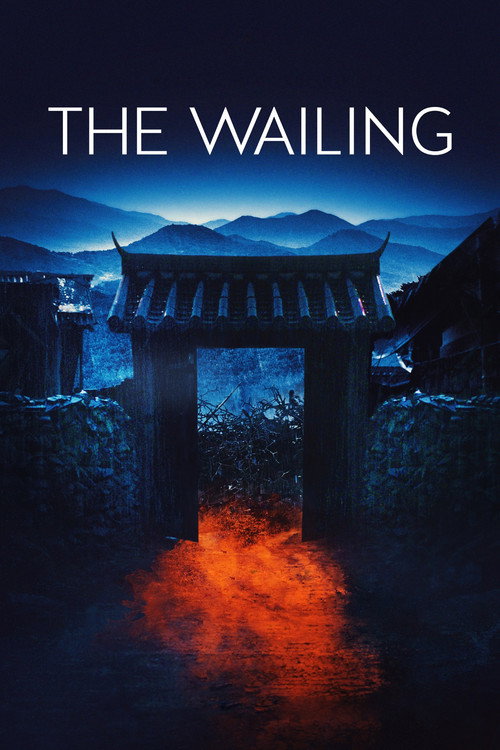
The Wailing2016
A Korean mystery-horror that builds dread through atmosphere and ambiguity. Like Uzumaki, it trusts the audience to sit with unease rather than spelling everything out, and escalates from personal crisis to cosmic wrongness.
But It's 156 minutes and deliberately paced. The ending offers no catharsis or clear answers, which frustrates people seeking resolution.
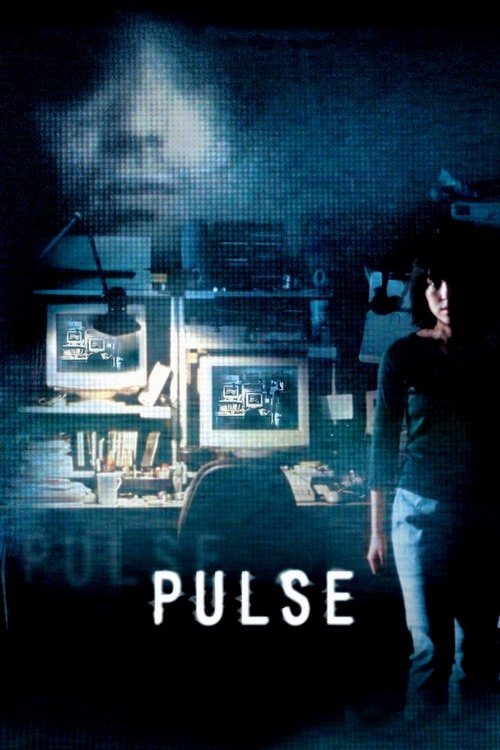
Pulse2001
Another Japanese horror film obsessed with a single, mundane mechanism of terror (the internet as death portal). It shares Uzumaki's commitment to building horror from an almost ridiculous central concept, executed with visual restraint and creeping dread.
But The CGI has aged poorly. Plot-wise it's fragmented and episodic, prioritizing mood over narrative coherence.
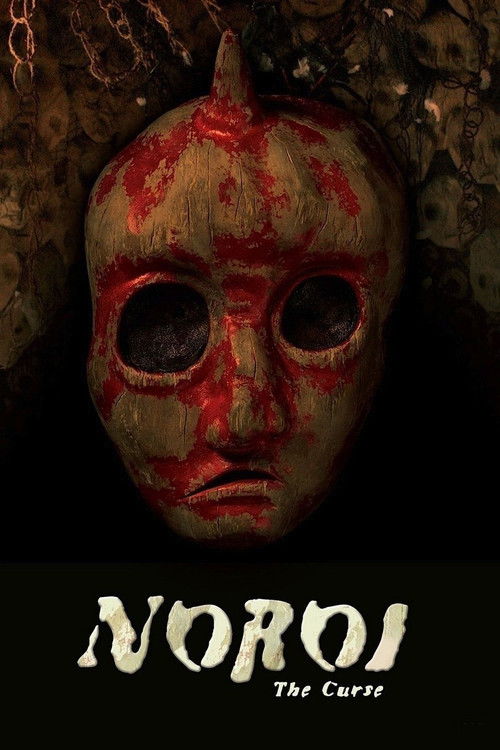
Noroi: The Curse2005
A found-footage horror documenting supernatural phenomena that spiral outward and upward toward something unknowable. Like Uzumaki, it's more interested in texture and accumulation than jump scares, and builds to genuine wrongness.
But Found-footage format will feel dated if you're tired of that style. Very slow-burn; the payoff requires patience.
Not sure tonight? Get a pick in a minute, starting from Uzumaki
The wildcard
Something you would not have found on your own.
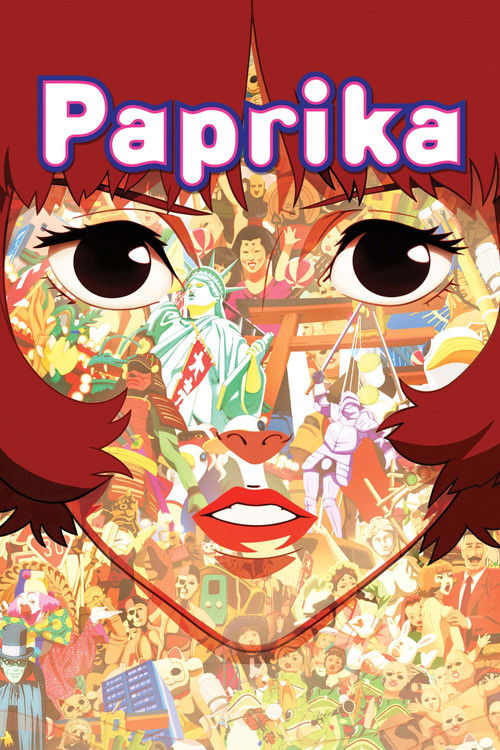
Paprika2006
Both use a single geometric or conceptual obsession (spirals vs. dreams invading reality) as the engine of horror, and both commit fully to visual distortion as the primary storytelling device.
Satoshi Kon's anime about dreams invading reality features spiraling, recursive imagery, and visual disorientation as the actual horror mechanism. It shares Uzumaki's love of impossible geometry and obsessive visual repetition, but as psychedelic spectacle rather than creeping dread.
But Anime format may not be what you're seeking. The film is visually dense and requires sustained attention; it's exhausting in a different way than Uzumaki.
More like this (8)
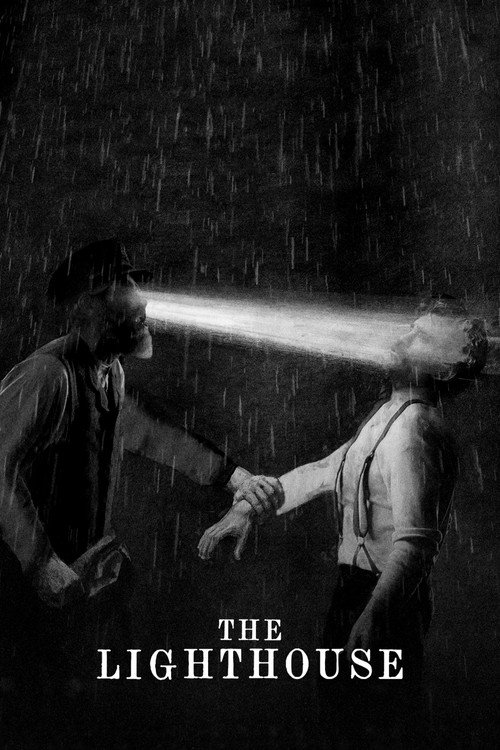
The Lighthouse2019
Stylized, formally strange, and obsessed with repetition and circular logic—both visually and thematically. If Uzumaki's distorted aesthetic appeals to you, this is similarly committed to making unease tangible through form.
But Deliberately claustrophobic and abstract. Black-and-white, short runtime, but psychologically exhausting rather than plot-driven.
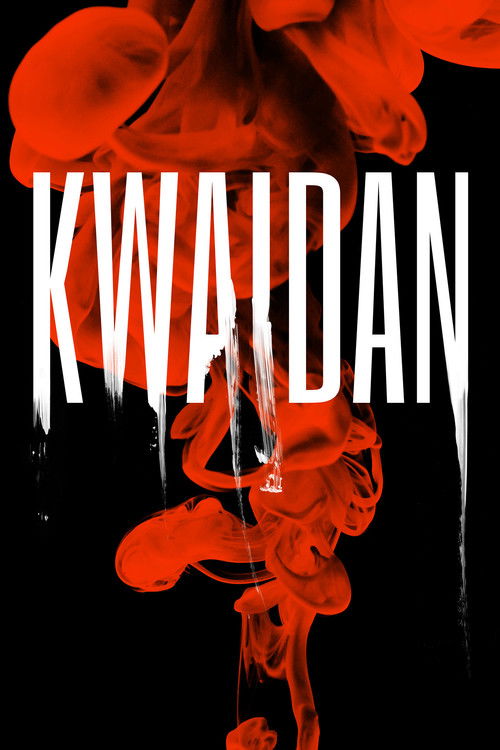
Kwaidan1965
Four Japanese ghost stories told with painterly color cinematography and a deep commitment to mood over explanation. Like Uzumaki, it treats the supernatural as something that simply *is*, and finds beauty in the unsettling.
But Episodic and slow by modern standards. The stories are quiet and contemplative rather than actively scary.
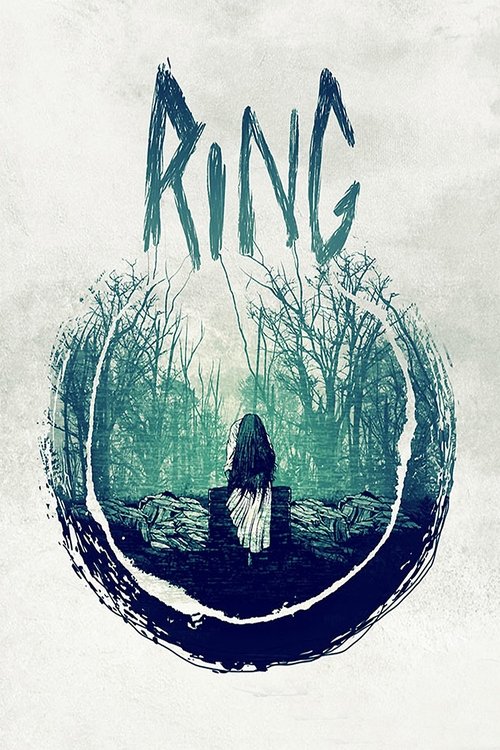
Ring1998
The essential Japanese horror film that defined a era. Like Uzumaki, it builds dread from a single, simple mechanism (the cursed videotape) and trusts visual language to convey mounting terror.
But You may already know it, or its legacy may have been diluted by American remakes and cultural saturation.
Mulholland Drive2001
A dream-logic mystery where repetition, doubling, and circular structure become the actual story. Like Uzumaki, it abandons conventional narrative for something more hallucinatory and emotionally true.
But It's deliberately opaque and requires active interpretation. Rewatchability is the point; first-time viewing can feel frustrating.

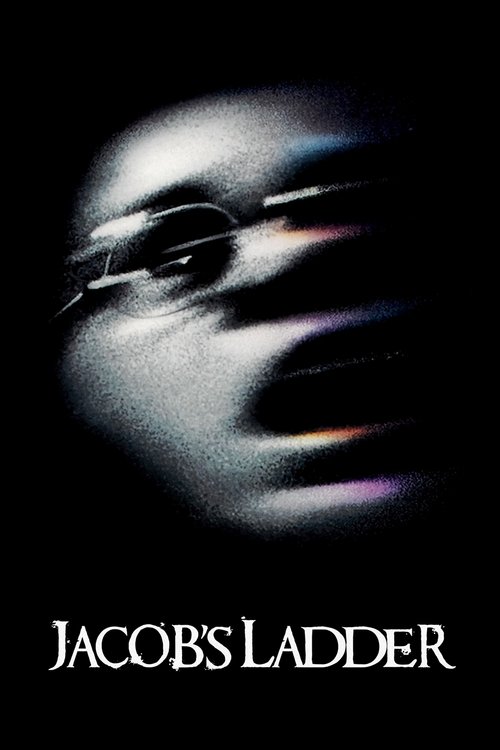
Jacob's Ladder1990
Psychological horror that doesn't distinguish between external threat and internal collapse. Like Uzumaki, it builds dread through visual distortion and escalation, and refuses easy answers about what's real.
But Body horror and disturbing imagery throughout. The 90s special effects, while intentional, may not land the same way now.
Suspiria1977
An Italian horror film that prioritizes color, sound design, and visual composition over plot logic. If Uzumaki's commitment to aesthetic over narrative appeals to you, this is its spiritual predecessor.
But Giallo conventions mean plot takes a back seat to atmosphere. Can feel dated or overwrought if you prefer restraint.

Synecdoche, New York2008
Both are small-scope stories that become apocalyptic through obsessive repetition. Both treat a single concept (spirals, theatrical doubling) as an all-consuming force that defines reality.
A surreal drama about obsession and recursive loops—a man creates a play that contains itself that contains itself. Like Uzumaki, it's formally strange, demands active engagement, and treats its central obsession as cosmically significant rather than rationally explicable.
But It's a drama, not horror. Very dense with ideas; can feel pretentious or emotionally distant. Challenging rather than cathartic.

Meshes of the Afternoon1943
Both use circular, obsessive repetition as their formal and thematic core. Both prioritize visual language and dreamlike logic over plot, and both suggest psychological or metaphysical horror through pure structure rather than explicit threat.
A 14-minute avant-garde film about a woman's recursive day that loops and fragments—it's hypnotic rather than scary, but built entirely on circular structure and visual obsession. More experimental than Uzumaki, but the DNA is there.
But It's extremely short and avant-garde, not conventional narrative. Silent-era film grammar may feel remote. Requires a specific appetite for experimental cinema.

People
Cast
 Eriko HatsuneKirie Goshima
 Fhi FanShuichi Saito
 Hinako SaekiKyoko Sekino
 Shin Eun-kyungChie Marayama
 Keiko TakahashiYukie Saito
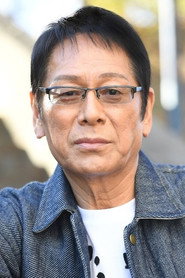 Ren OsugiToshio Saito
 DendenOfficer Futada
 Masami HoriuchiReporter Ichiro Tamura
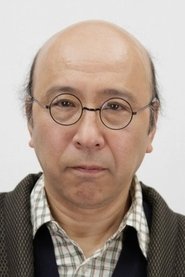 Tarō SuwaYasuo Goshima
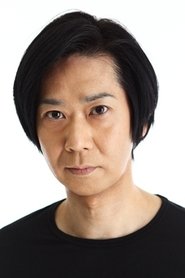 Toru TezukaYokota Ikuo
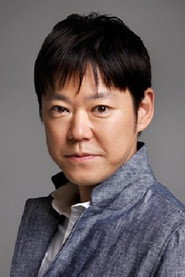 Sadao AbeMitsuru Yamaguchi
 Asumi MiwaShiho Ishikawa
Directing
- HiguchinskyDirector
Writing
- Junji ItoNovel
- Kengo KajiScreenplay
Production
- Akemi SuyamaProducer
- Mitsuru KurosawaProducer
Recommended by
Mushi-Shi, Cure, Junji Ito Maniac: Japanese Tales of the Macabre, Vlad, Tomie