
Television series
Mushi-Shi
- Fantasy
- Supernatural mystery
- Slow-burning
- Dip in and out
Mushi-Shi is slow-burn folklore anime, each episode a self-contained encounter between a wandering exorcist-scholar and one of the ancient organisms occupying the edges of human perception. It's contemplative rather than plot-driven: muted watercolour backdrops, sparse dialogue, and endings that resolve into ambiguity rather than triumph. Watch it for the mood — patient, eerie, quietly moving — not for momentum. Best suited to viewers who love slow cinema and Japanese folklore over spectacle.
Should you watch it?
Watch it if you like quiet, self-contained stories where a strange natural phenomenon is treated with patience and folklore-like wonder, and you don't mind an episode ending on a question rather than a resolution.
Skip it if you want a serialized plot that builds toward a big reveal; the episodes stand alone and the mood stays hushed, so momentum comes in small, quiet increments.
What it asks of you: Each episode runs about twenty-five minutes and rewards slow attention, so you settle in, let the silences sit, and accept that answers arrive sideways rather than all at once.
Not sure? Find tonight's pick in a minute.
If you liked this
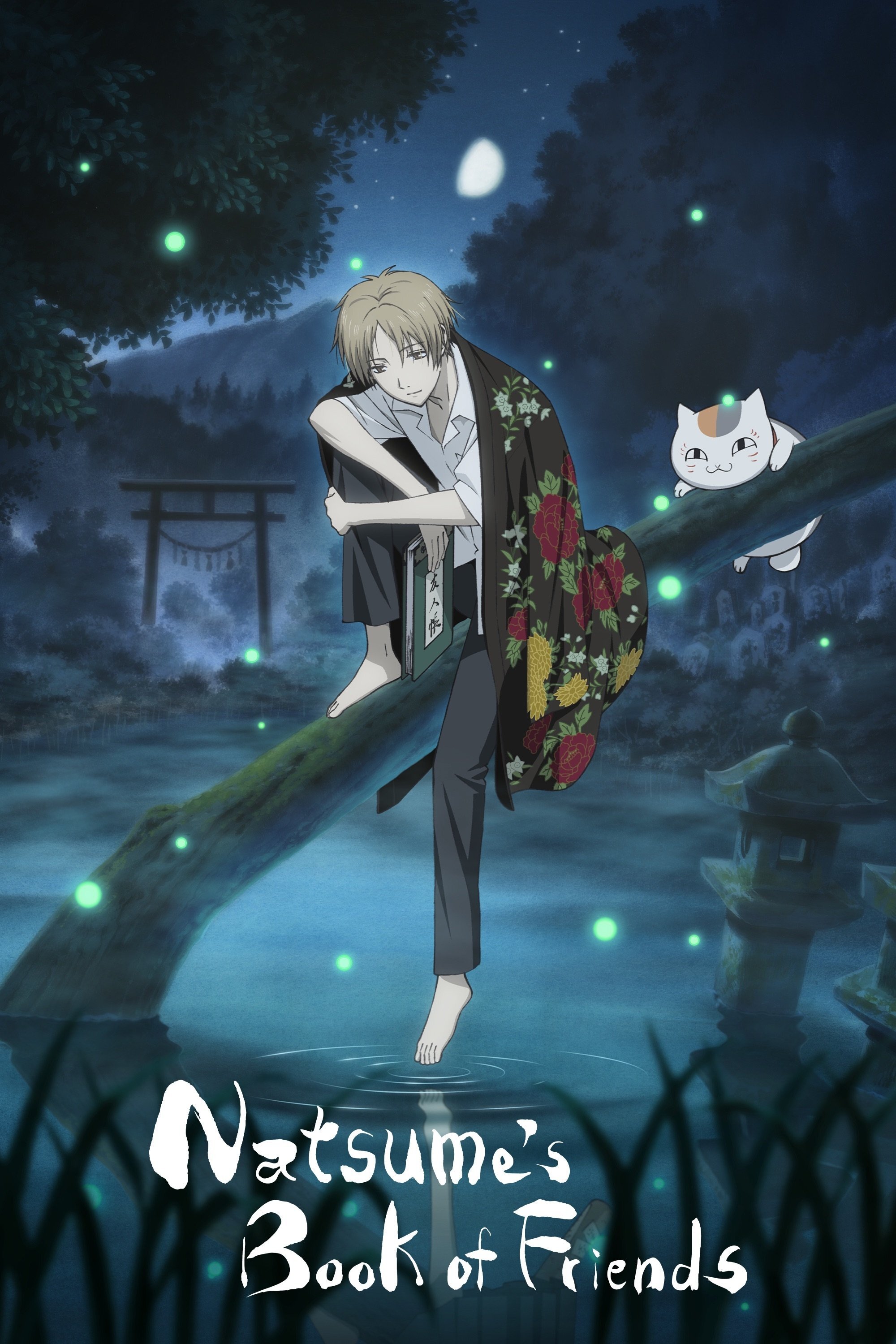
Natsume's Book of Friends2008
The gentlest cousin to Mushi-Shi — a boy inherits a book that binds him to spirits, and each episode is a small, careful act of healing or letting go. Same unhurried tenderness.
But It's softer and more sentimental; if you wanted Mushi-Shi's eerie ambiguity, this leans warmer and safer.
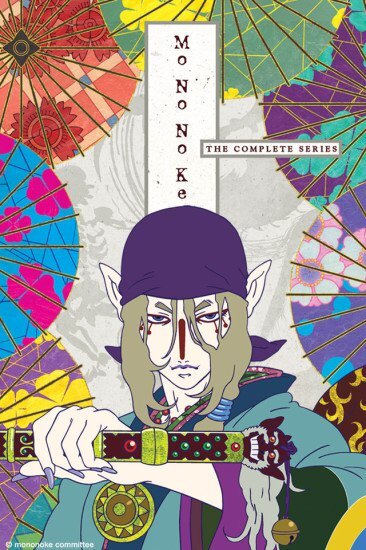
Mononoke2007
A wandering medicine seller diagnoses supernatural afflictions using astonishing, ornate, almost kaleidoscopic visuals — folklore horror with real bite and formal daring.
But The visual style is deliberately overwhelming and theatrical, a world away from Mushi-Shi's restraint — some find it exhausting rather than hypnotic.
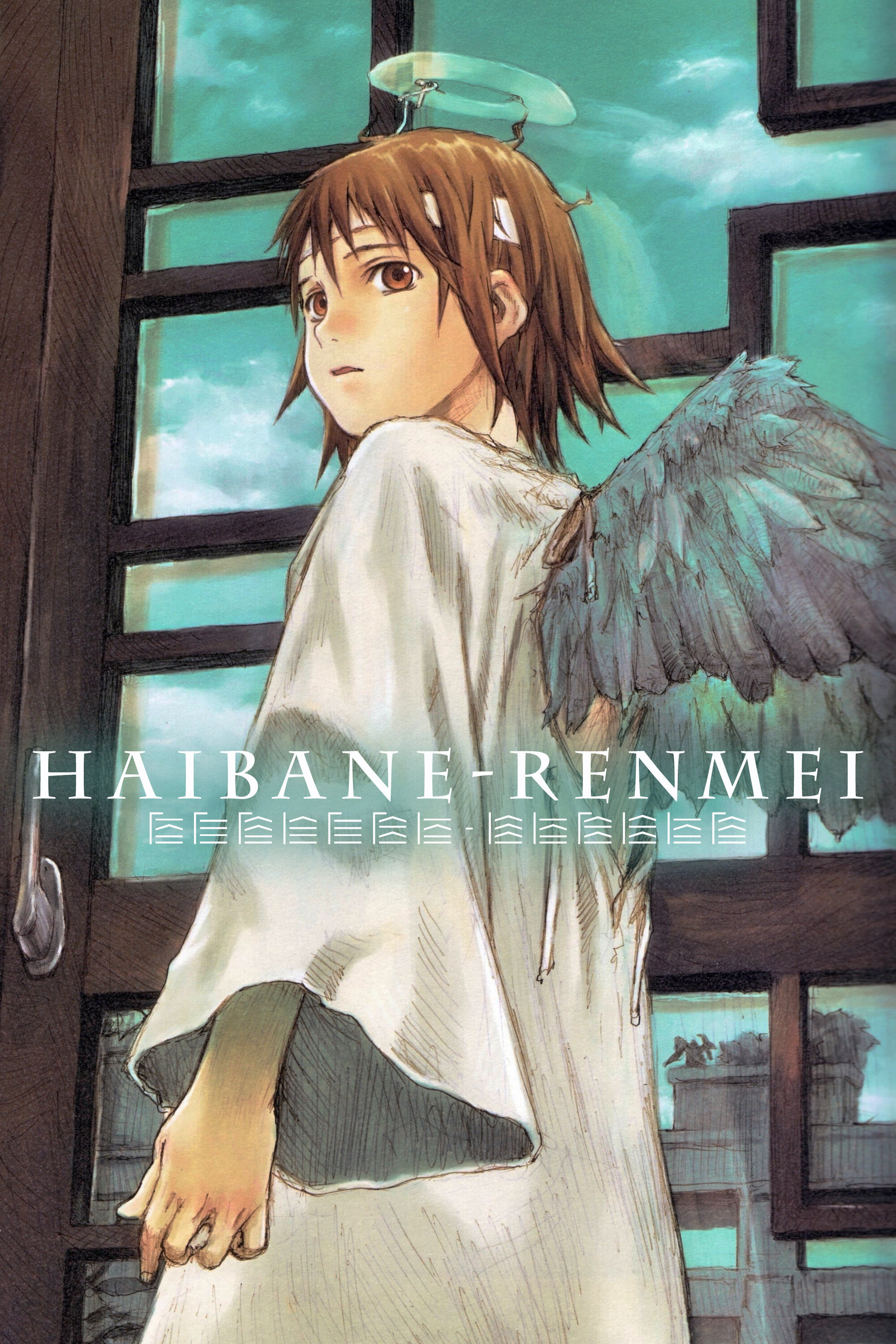
Haibane Renmei2002
A hushed, melancholic anime about half-remembered lives in a walled town, built from silence and small gestures rather than exposition. Similar patience with grief and mystery.
But It's sadder and more emotionally direct — less about strange biology, more about loss and belonging.
Not sure tonight? Get a pick in a minute, starting from Mushi-Shi
The wildcard
Something you would not have found on your own.
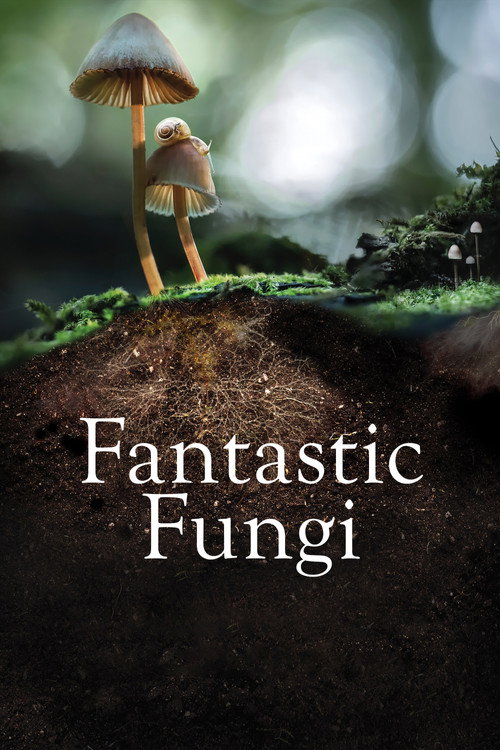
Fantastic Fungi2019
Mushi-Shi imagines an invisible ecosystem older than animals or plants, quietly shaping the world around it — this documentary shows you that such a thing genuinely exists, in fungal networks science is still mapping.
A documentary about mycelial networks — real organisms that are barely plant, barely animal, and connect entire forests underground. It's the closest thing to actual Mushi you'll find.
But Some of its claims about fungal consciousness get mystical and unproven; skeptics may wince at the leaps.
More like this (7)
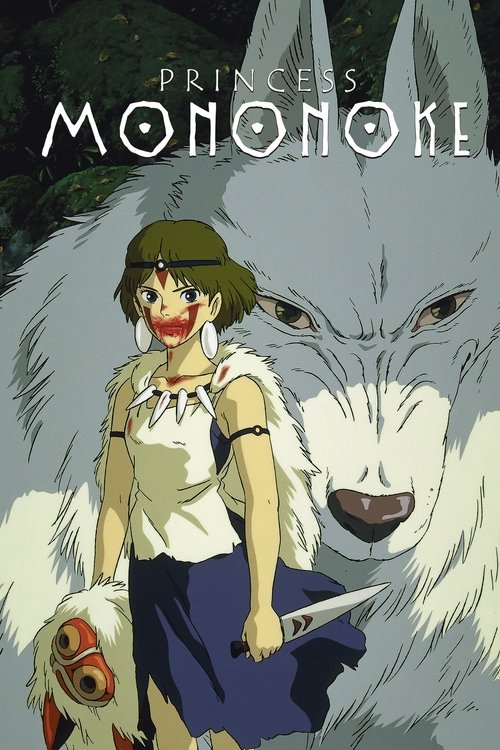
Princess Mononoke1997
Miyazaki's vision of forest spirits and human encroachment shares Mushi-Shi's reverence for nature as something ancient, indifferent, and worth protecting.
But It's a two-hour epic with clear heroes and villains — much more narrative drive than Mushi-Shi ever allows itself.
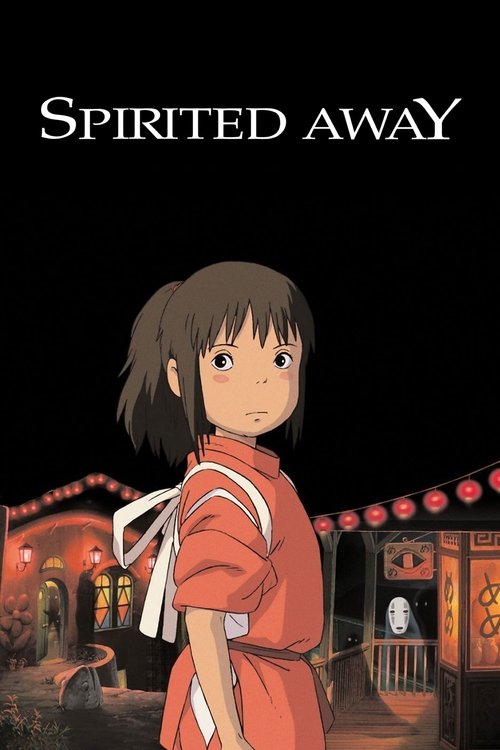
Spirited Away2001
A gateway into Japanese folklore anime for anyone new to the genre — spirits, bathhouses, and rules of an unseen world rendered with total conviction.
But It's a coming-of-age adventure at heart, brighter and more eventful than Mushi-Shi's quiet dread.
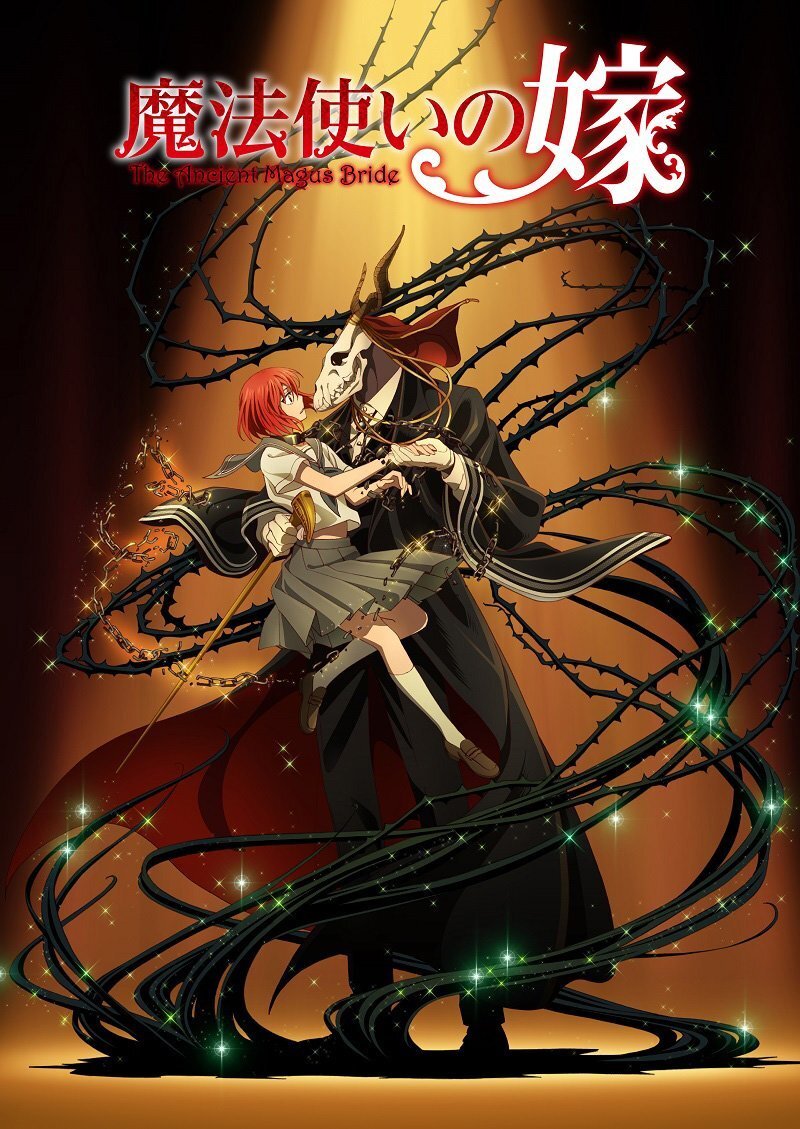
Mahoutsukai no Yome2017
A woman apprentices to a fae sorcerer and learns folklore rules the hard way — the same sense of an ancient, half-hidden ecosystem running alongside ours.
But It has a romance arc and a clearer overarching plot, pulling it further from Mushi-Shi's plotless drift.
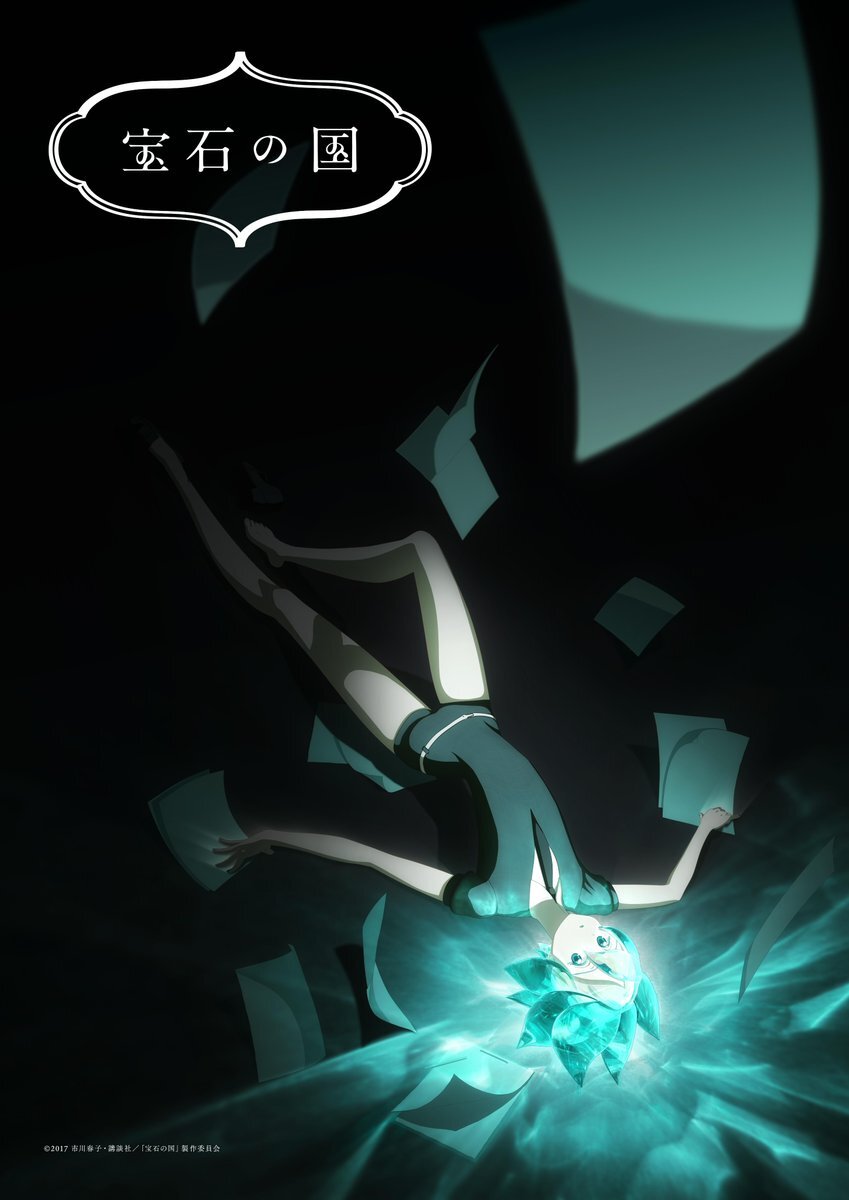
Land of the Lustrous2017
Gem-people fight faceless lunar creatures in a hauntingly beautiful, meditative world where identity and body are strange and mutable — a very different but kindred unease.
But It's science fiction with a much darker, more violent trajectory — no gentle mushi-watching here.
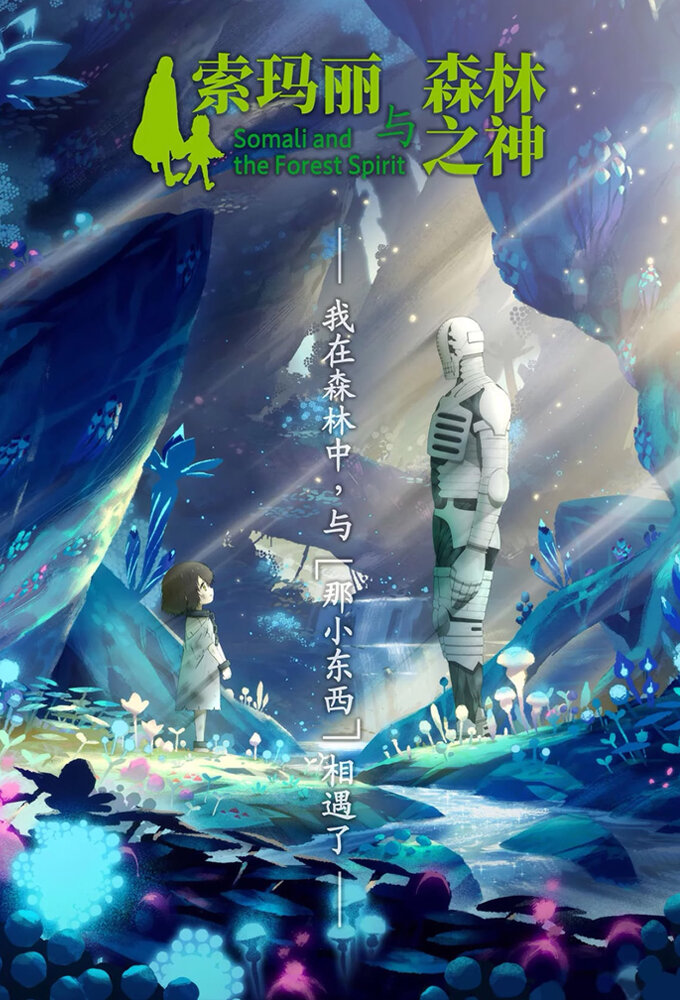
Somali to Mori no Kamisama2020
A golem wanders a dying world with a human child in tow, discovering small mysteries and losses along the road — gentle, episodic, quietly devastating.
But It's more sentimental and family-focused, with a clearer emotional throughline than Mushi-Shi's cooler detachment.
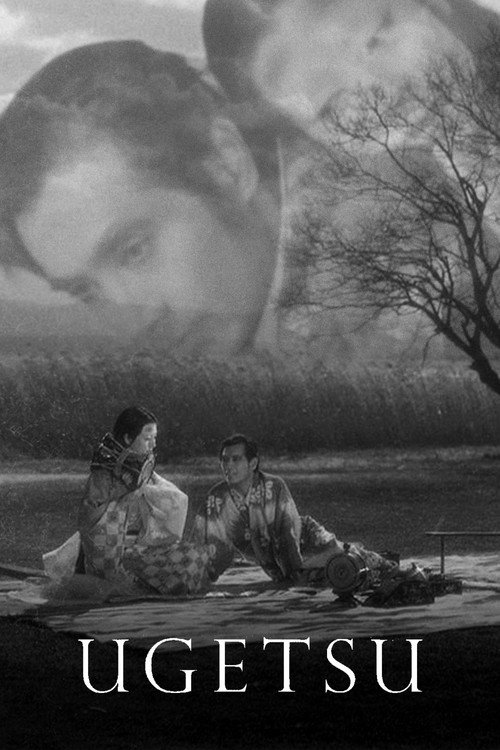
Ugetsu1953
Decades before Mushi-Shi, Mizoguchi was already treating the supernatural as ordinary, sad, and inseparable from human suffering — same folkloric matter-of-factness, entirely different toolset.
A black-and-white Japanese classic where ghosts and the living move through the same landscape without any dramatic fanfare — folklore treated as simple fact, exactly like Mushi-Shi does.
But It's a somber wartime melodrama with none of Mushi-Shi's episodic structure, and the pacing is very much of its era.
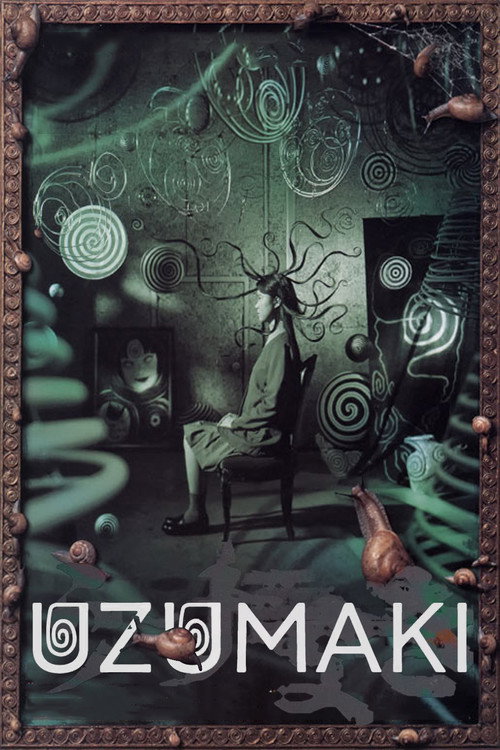
Uzumaki2000
Both are about a non-human pattern of life spreading through people almost gently, without malice — Mushi-Shi treats that as tragedy, Uzumaki treats it as full-blown horror.
A town is slowly consumed by an obsessive, organic pattern that infects bodies and minds — body horror that takes Mushi-Shi's premise of 'a force quietly colonising you' and turns the dial to nightmare.
But It's gleeful, grotesque splatter horror with none of Mushi-Shi's calm — this will disturb you, not soothe you.
People
Cast



Recommended by
Frieren: Beyond Journey's End, Mononoke, Violet Evergarden, To Your Eternity, Mahoutsukai no Yome, Natsume's Book of Friends, Tale of the Nine Tailed, Les Revenants, The Journey of Elaina, Alaska State Troopers, Hyouka, xxxHolic, Flying Witch, Mis muertos tristes, Hidamari Sketch, BARTENDER Glass of God, Pokémon, Hyouge Mono, Gegege no Kitarou, Happily Ever After: Fairy Tales for Every Child