Television series
Junji Ito Maniac: Japanese Tales of the Macabre
A direct adaptation of twenty Junji Ito short horror stories, each a standalone nightmare about obsession, bodily transformation, and cosmic dread. Gorgeously grotesque animation that captures Ito's pen-and-ink aesthetic: unsettling, meticulous, deliberately paced. For anyone who loves horror that works through atmosphere and revulsion rather than jump scares.
Should you watch it?
Watch it if you love anthology horror built from short, unnerving images, where a single uncanny idea gets stretched into dread and then left to sit with you.
Skip it if you want a continuous story with characters you follow across an evening, since each tale is brief and unrelated, and the body-horror imagery can be relentless.
What it asks of you: Short bursts of close attention: roughly 24 minutes a sitting, with a new story arriving before the last has fully faded, and grotesque imagery that lingers.
Not sure? Find tonight's pick in a minute.
If you liked this
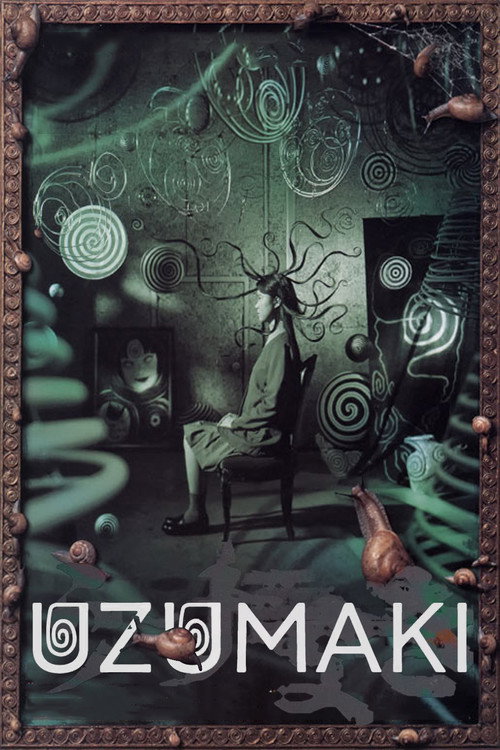
Uzumaki2000
Based on Ito's most famous work, this explores the same obsessive visual logic—spirals consuming reality—with live-action texture and commitment to the premise that rivals the manga itself.
But Oddly paced and bleak in ways that don't resolve cleanly. The horror is conceptual rather than cathartic, which can feel frustrating on first viewing.
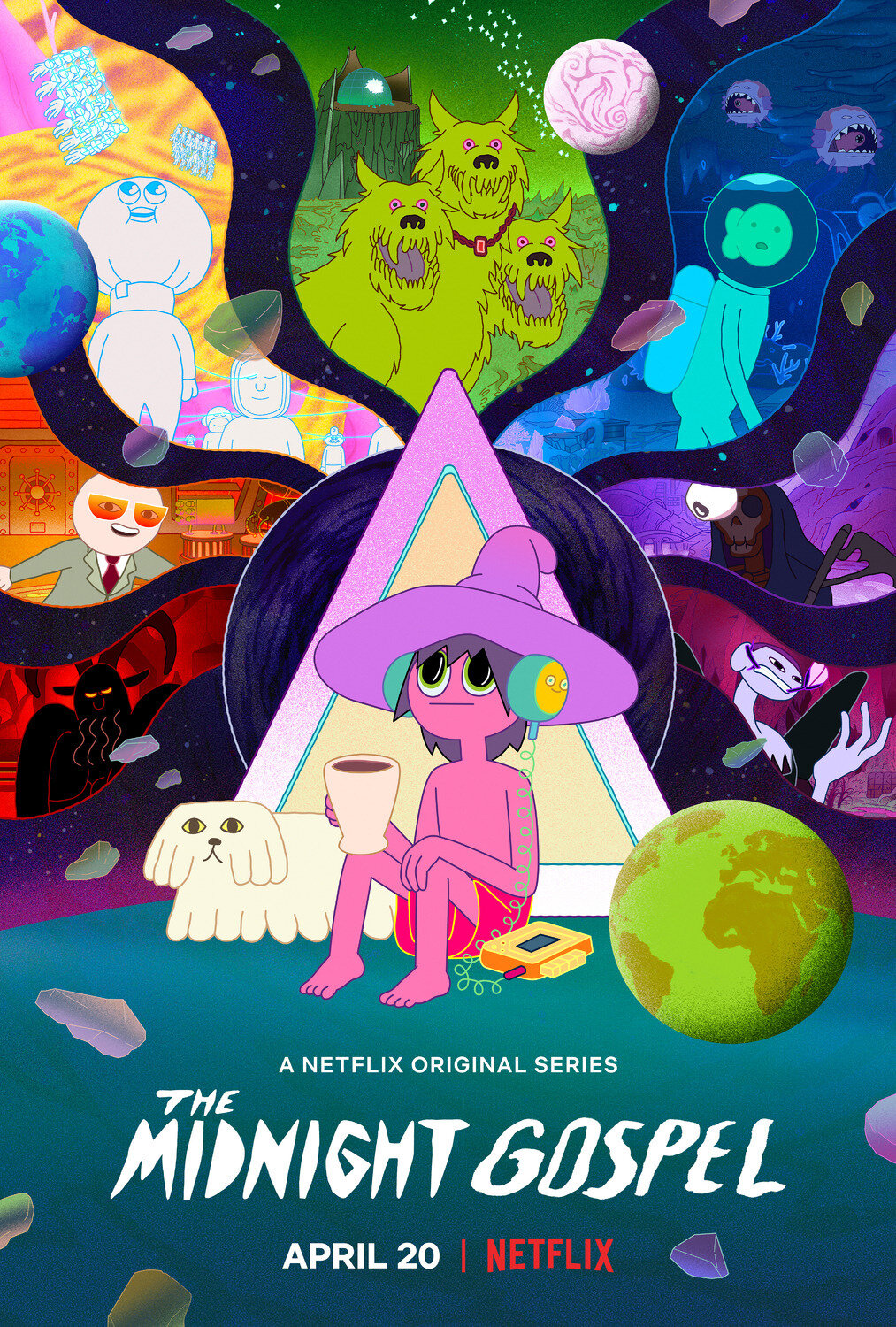
The Midnight Gospel2020
Surreal, grotesque animation paired with genuine emotional weight. Episodes blend cosmic body horror with conversations about meaning and death. Ito fans recognize the visual language immediately.
But Tone whiplash—it oscillates between trippy comedy and existential dread. Some find the philosophical monologues earnest to the point of heaviness.
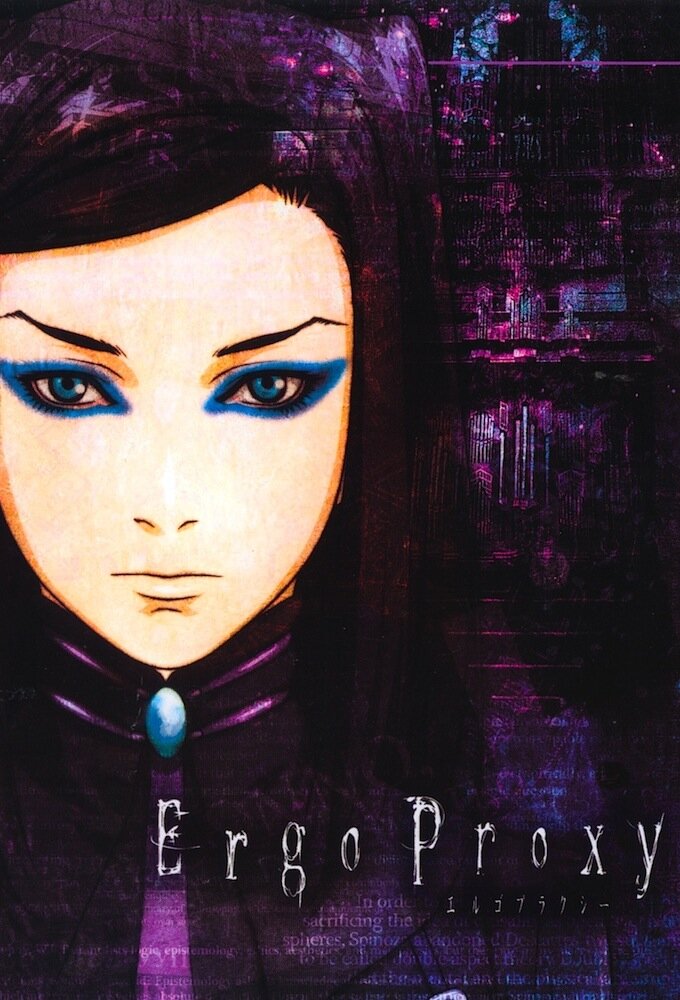
Ergo Proxy2006
Cyberpunk meditation on identity and humanity with the same patient, melancholic unease. Minimal dialogue, gorgeous grim animation, builds dread through mood rather than plot momentum.
But Deliberately slow and abstract. The narrative is deliberately elliptical; some viewers find the pacing maddening rather than hypnotic.
Not sure tonight? Get a pick in a minute, starting from Junji Ito Maniac: Japanese Tales of the Macabre
The wildcard
Something you would not have found on your own.
Mobius1997
Like Ito, Mobius finds the uncanny in repetition and geometry. A spiral made flesh, or a beetle made eternal. Both artists make the infinite into something you can see on your skin.
Czech stop-motion: a beetle-creature and its infinite corridor. Hypnotic, tactile, disturbing in ways that have nothing to do with gore. Pure formal ingenuity generating unease. Under 13 minutes.
But Wordless, abstract, structurally spare. Some will find it impenetrable or simply boring rather than mysterious. The horror is entirely conceptual.
More like this (7)
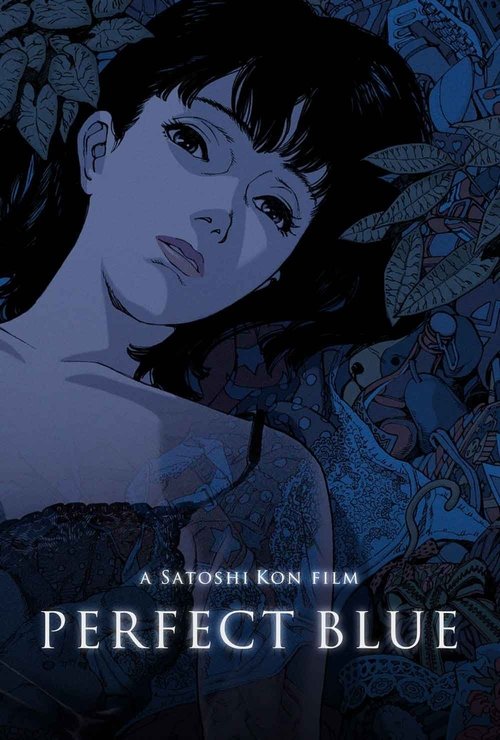
Perfect Blue1998
Satoshi Kon's psychological horror masterpiece: obsession, identity fragmentation, and the horror of being watched. The animation is fluid and disorienting in exactly the right way.
But Older animation. Less viscerally grotesque than Ito's work, more cerebral—if you want body horror specifically, this skews psychological.
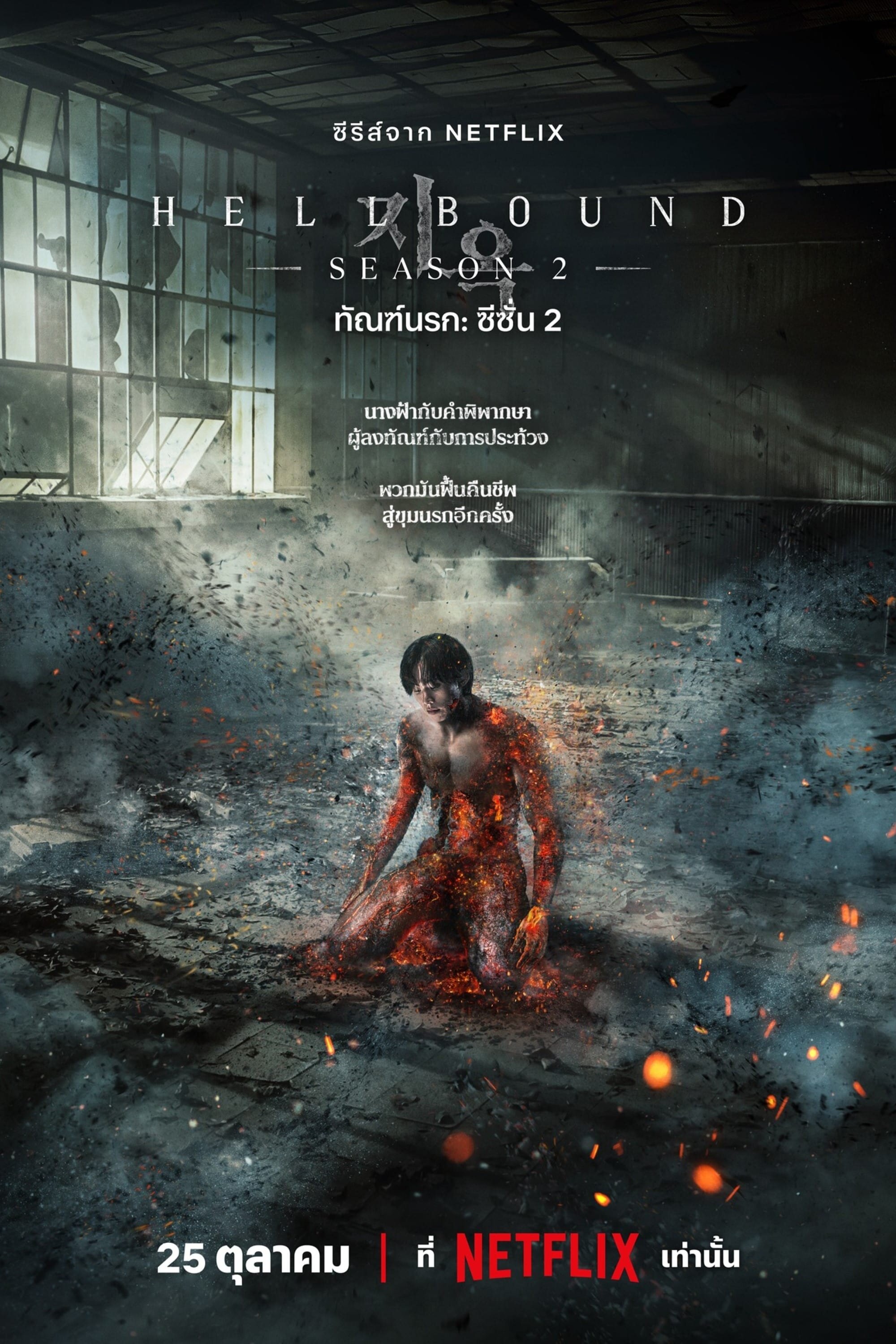
Hellbound2021
Korean horror that shares Ito's fascination with social collapse and inexplicable supernatural law. Impeccable craft, high stakes, genuinely unsettling worldbuilding.
But Much more plot-driven and TV-conventional. If you want atmosphere and short-form strangeness, this is a heavier commitment with clearer story structure.
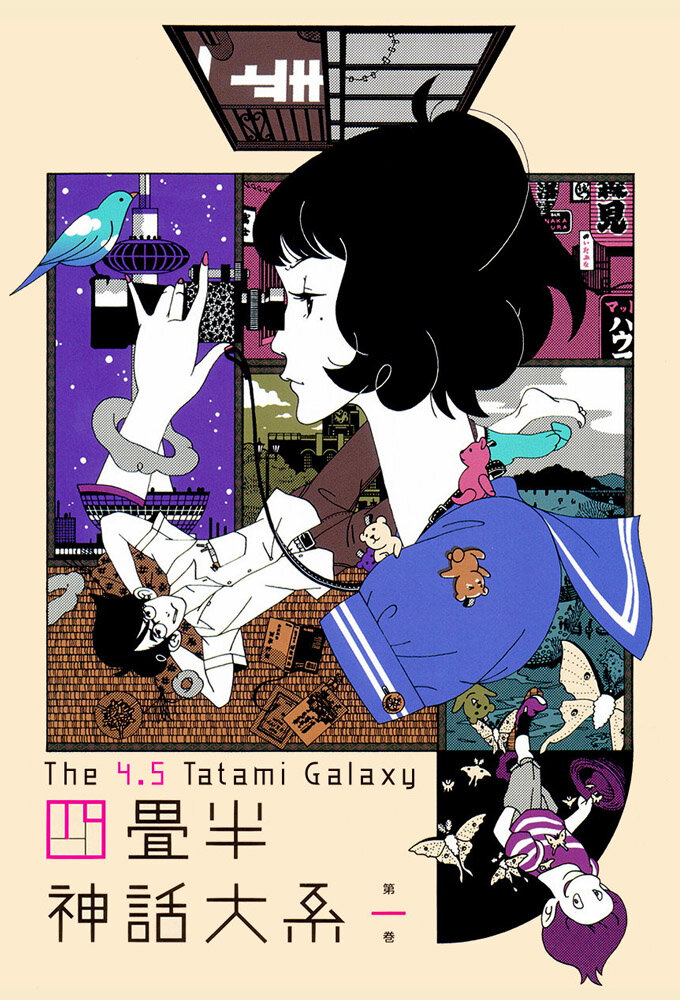
Yojouhan Shinwa Taikei2010
Experimental anime with hand-drawn texture and visual inventiveness that echoes Ito's commitment to style as content. Surreal, obsessive, rewatchable, formally brilliant.
But Comedy-drama, not horror. The rapid-fire dialogue and aesthetic chaos will frustrate anyone wanting straightforward narrative or scares.
Toilet-Bound Hanako-kun2020
Supernatural mysteries with deliberately unsettling character design and atmosphere. Each arc carries genuine dread beneath the quirky premise. Animation is inventive and distinctly eerie.
But Leans into magical-girl tropes and lightheartedness that occasionally undercut the horror. Tone can feel uneven if you want sustained terror.

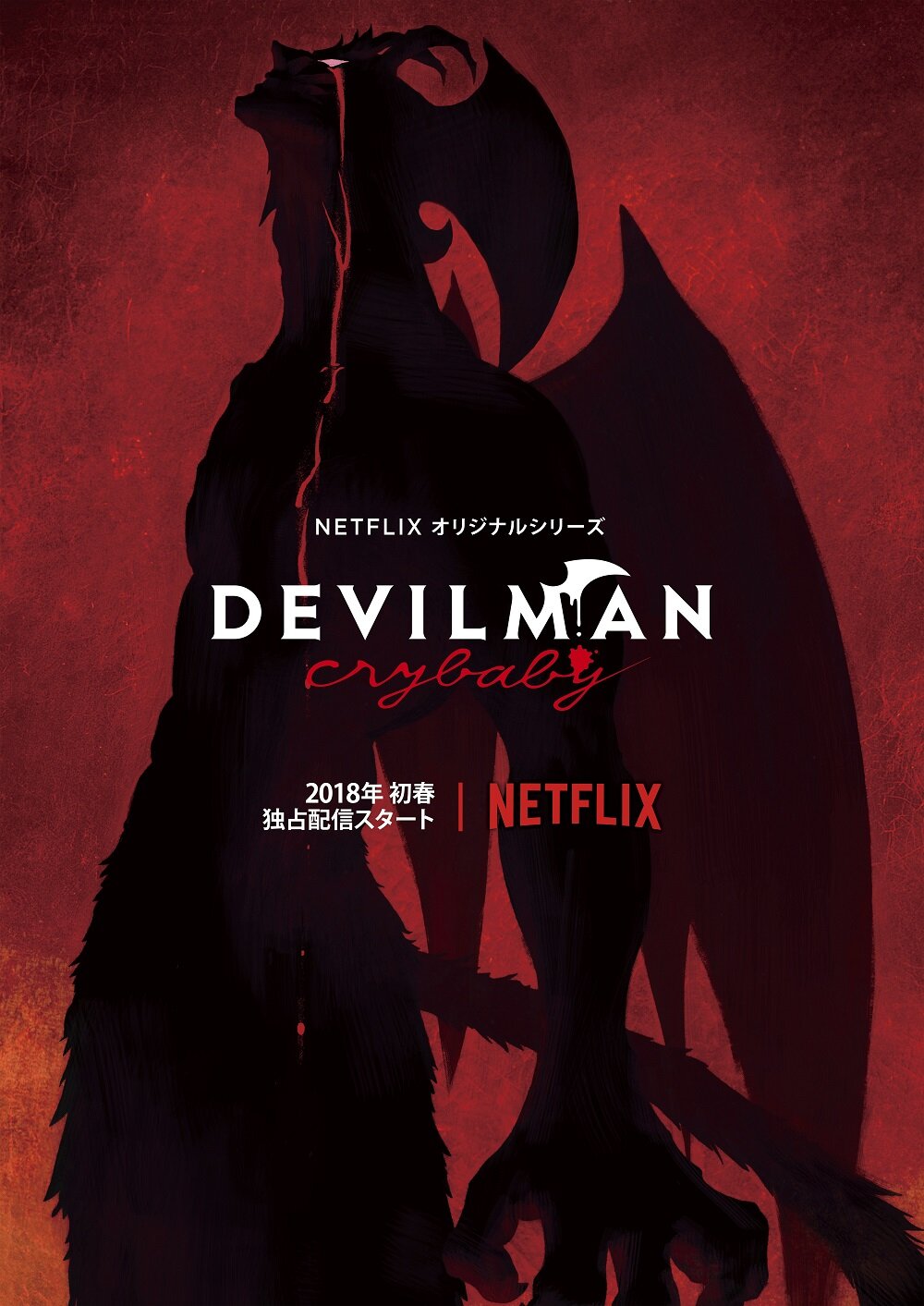
Devilman Crybaby2018
Go Nagai adaptation that revels in grotesque transformation and bodily mutation. Visceral, unapologetic, maximalist—the opposite of restrained but shares Ito's commitment to horror as transformation.
But Aggressively stylised and violent. Tone is deliberately chaotic and sometimes juvenile; the bombast can feel exhausting over a full season.
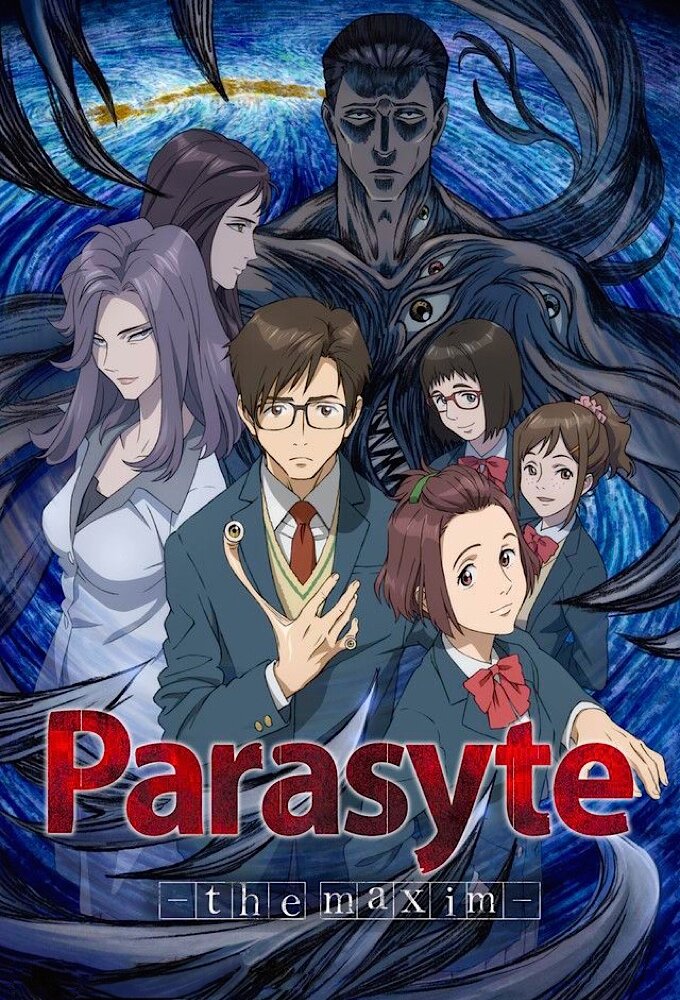
Kiseijuu: Sei no Kakuritsu2014
Body-invasion horror with meticulous worldbuilding and a protagonist who feels the wrongness of his own transformation. Ito fans recognize the DNA: dread rooted in physical wrongness.
But Anime action-series pacing; more mainstream and less meditative than Ito's storytelling. The second half becomes plot-heavy in ways that dilute the central premise's unease.
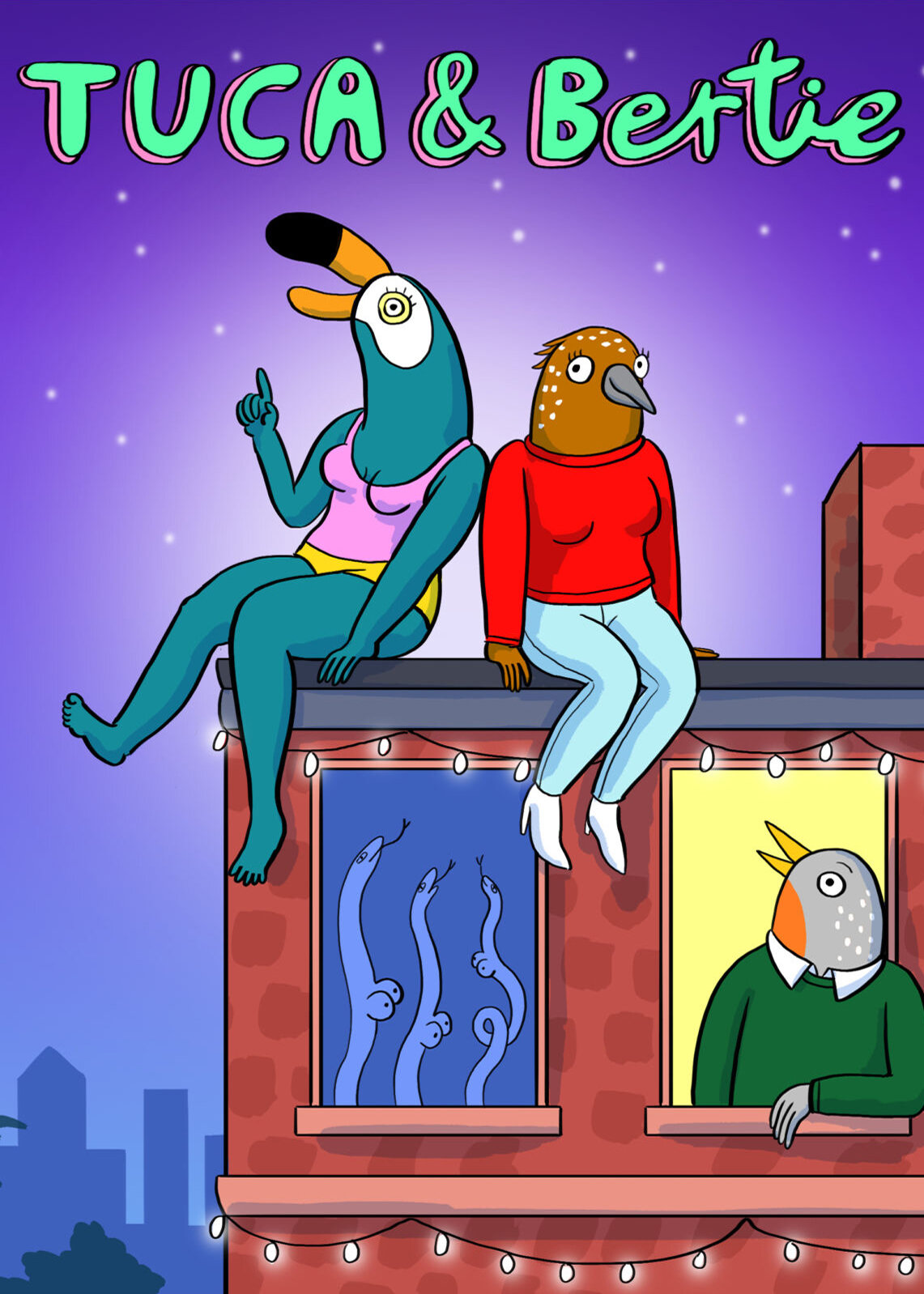
Tuca & Bertie2019
Like Ito, Tuca & Bertie treats the grotesque as a formal problem: how do you make beauty and revulsion coexist in the same frame? Both demand the audience sit with discomfort without resolution.
Adults Swim surrealism: grotesque, beautiful, obscene, kind. Each episode collapses genre. Episode "Bertie the Brain" is pure cognitive horror wrapped in absurdist comedy. Formally daring animation and comedy.
But Deliberately chaotic tone—it can read as precious or exhausting. The show refuses to signal what register you're in. Some episodes veer toward crude rather than creepy.