
Television series
Hellbound
Hellbound drops demonic enforcers into modern Seoul who condemn people to hell with no explanation. A cult claims divine authority over the chaos. What follows is a brutal exploration of faith, mob justice, and how quickly civilization fractures when people believe they're saving souls. Gorgeously shot, deeply unsettling.
Should you watch it?
Watch it if you like slow-building supernatural dread where the real horror is the crowd's reaction, a religious movement hardening around miracles and punishments, and you don't mind bleak, morally tangled characters.
Skip it if you want tight, self-contained horror; this is wide and talky, with sprawling politics and a crowd of characters that can feel diffuse, and its bleakness rarely lets up.
What it asks of you: Twelve episodes of roughly fifty-one minutes each, with a slow build and heavy stretches of argument and grief; it wants patience more than thrills, and it stays grim.
Not sure? Find tonight's pick in a minute.
If you liked this
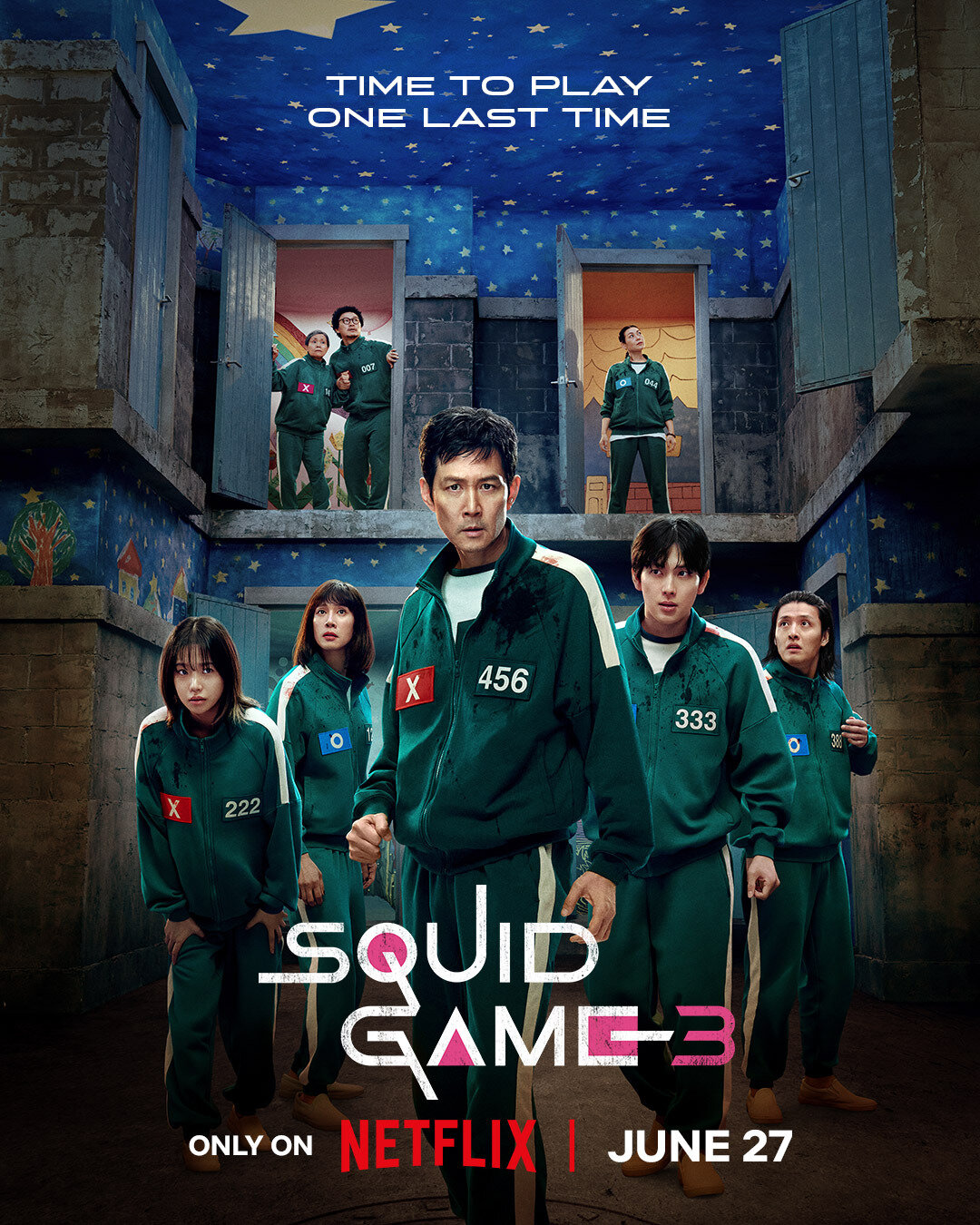
Squid Game2021
Like Hellbound, it uses extreme social pressure and moral degradation as its engine, examining how people behave when survival demands impossible choices. The visual storytelling is similarly precise and merciless.
But If you watch it for the games rather than the character study, you'll find it slower and more repetitive than you'd hoped.
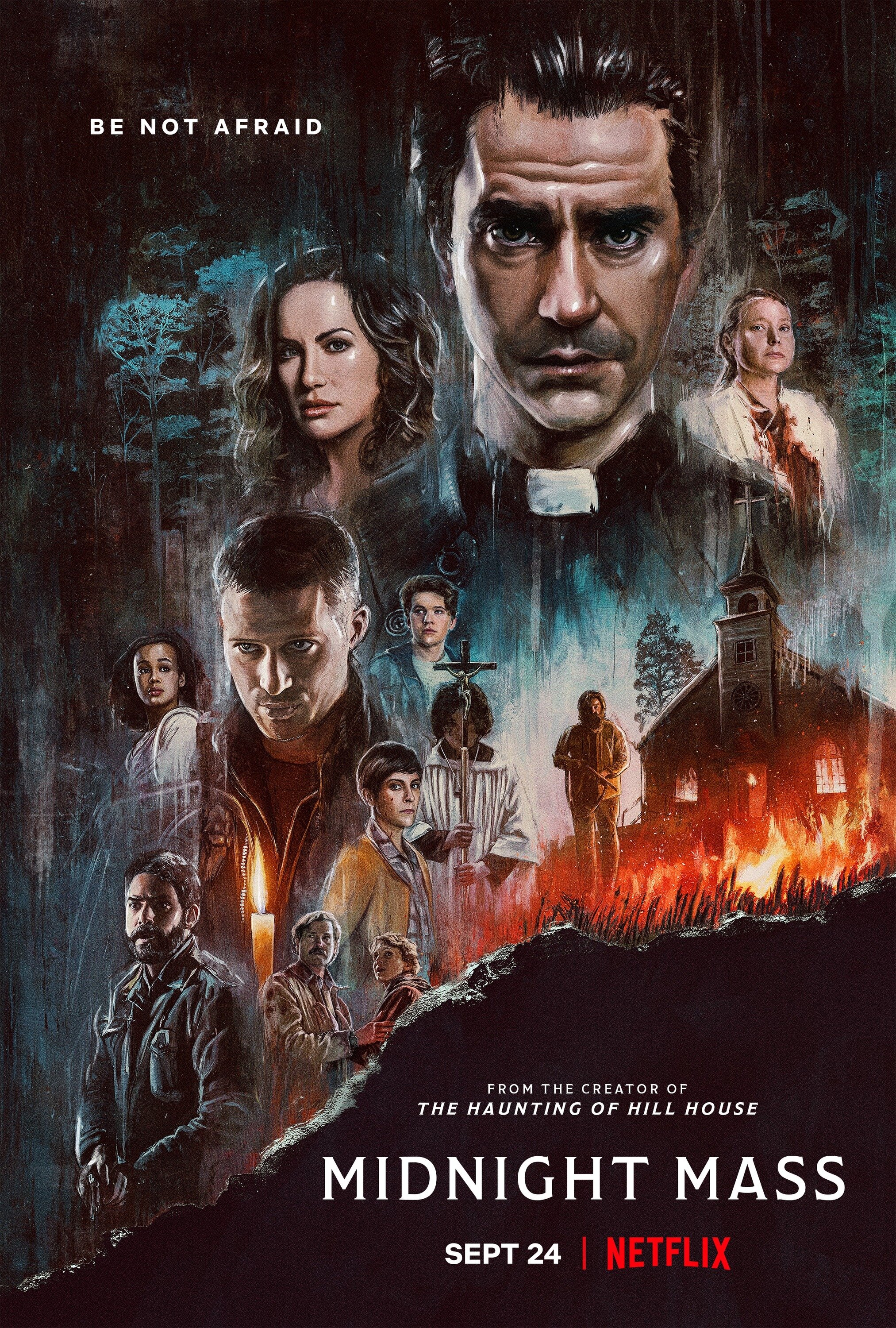
Midnight Mass2021
Mike Flanagan's miniseries shares Hellbound's interest in religious fervor as a social contagion—how faith becomes weaponized in closed communities. Same sense of dread building toward something apocalyptic.
But Six hours is a long commitment for a story that circles its themes more than it resolves them. The pacing can feel glacial.
Memories of Murder2003
Bong Joon-ho's masterpiece about a serial killer investigation captures the same Korean sensibility: moral ambiguity, institutional failure, ordinary people caught in systems larger than themselves. Absolutely gripping.
But It's bleak and methodical rather than visceral. If you need constant plot momentum, you'll find stretches where nothing happens except people thinking.

Not sure tonight? Get a pick in a minute, starting from Hellbound
The wildcard
Something you would not have found on your own.
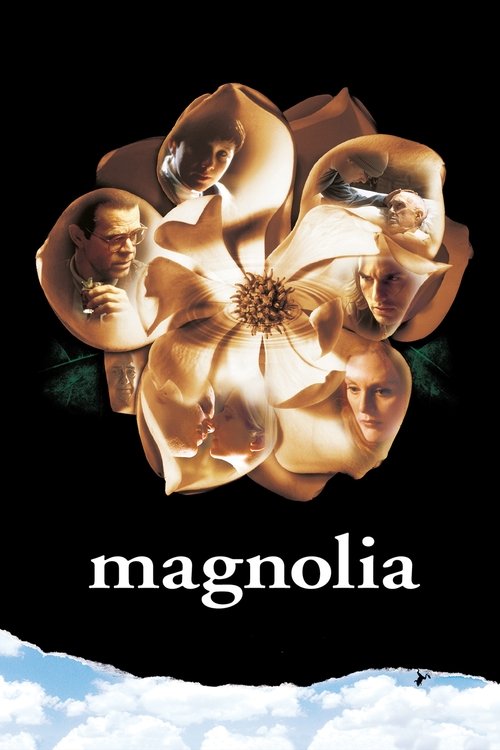
Magnolia1999
Both use an impossible event to force characters to reckon with their moral lives; both are structured like symphonies rather than plots.
Paul Thomas Anderson's three-hour epic about Los Angeles is structurally Hellbound inverted: instead of supernatural judgment descending, divine mercy does. Same interlocking narratives of shame and guilt, same sense of vast forces reshaping lives, same visual audacity.
But It's a dense prestige film from 1999 that requires patience. The famous rain sequence feels either transcendent or unbearably pretentious depending on your tolerance for earnestness.
More like this (8)
The Wailing2016
Na Hong-jin's horror-mystery operates in Hellbound's territory: religious uncertainty, accusations that destroy communities, a refusal to tell you what's actually true. Hypnotic and philosophically dense.
But Its ambiguity is the point, which frustrates people who want answers. Two hours forty minutes of intentional uncertainty can feel pretentious if you're not in the mood for it.

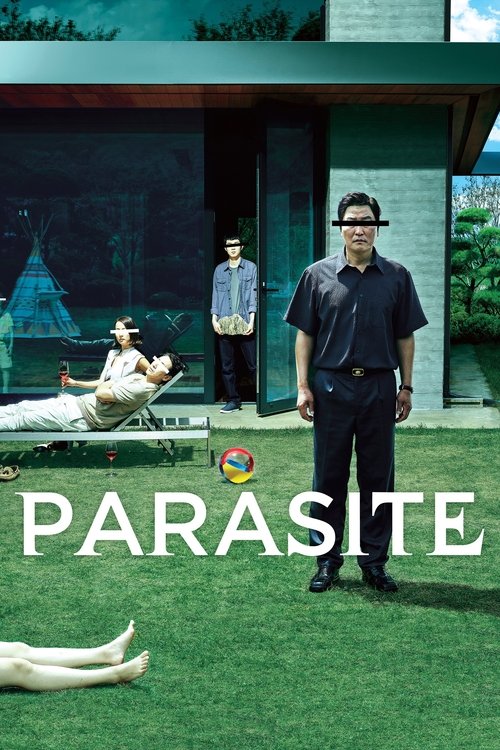
Parasite2019
Another Bong film about class systems and social collapse, but where Memories of Murder is a police procedural, this is a thriller about survival. The tonal shifts are dizzying and brilliant.
But Its genre-hopping might feel like it doesn't know what it is. The final act abandons realism entirely, which some find exhilarating and others find manipulative.
The Handmaid's Tale2017
Both shows depict theocracies enforced through terror and public spectacle. The character work is exceptional, and the show never lets you forget the cost of ideological certainty on individual lives.
But Later seasons lose focus and start repeating themselves. It's increasingly exhausting rather than dramatically propulsive, which can feel like punishment rather than catharsis.
Martyrs2008
Pascal Laugier's brutal French horror asks what faith costs. Like Hellbound, it's visually stunning and morally corrosive—it challenges you to think about the suffering it depicts rather than just react to it.
But It's genuinely torturous to watch. Graphic violence in service of philosophy is still graphic violence, and some people rightly decide that's not how they want to spend an evening.
Train to Busan2016
Yeon Sang-ho's zombie thriller (he also directed Hellbound) uses genre to explore human nature under pressure. It's suspenseful, beautifully composed, and surprisingly moving about sacrifice and class.
But If zombie films feel exhausted to you, this won't change your mind. It's excellent at what it does, but what it does is familiar.
The Guest2014
Yeon Sang-ho's earlier film—a psychological thriller about a man claiming to be a missing soldier. Like Hellbound, it's about paranoia, trust, and communities torn apart by an inexplicable presence.
But It's deliberately frustrating. The mystery is never fully solved, and if you need narrative resolution, you'll leave angry.
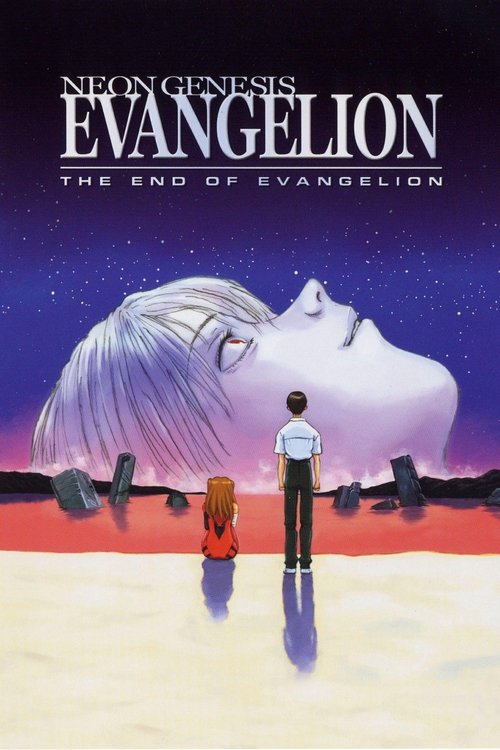
Neon Genesis Evangelion: The End of Evangelion1997
Both suggest that belief systems are more dangerous than the catastrophes they claim to explain; both climax with mass psychological collapse.
Hideaki Anno's animated apocalypse is about faith, institutional control, and what happens when people's deepest beliefs collide with reality. Visually stunning and philosophically merciless in ways live-action often can't achieve.
But It's Japanese anime, which is a format hurdle for some. It's also deeply weird and deliberately assaults the viewer. The final act is deliberately unpleasant in ways designed to make you uncomfortable.
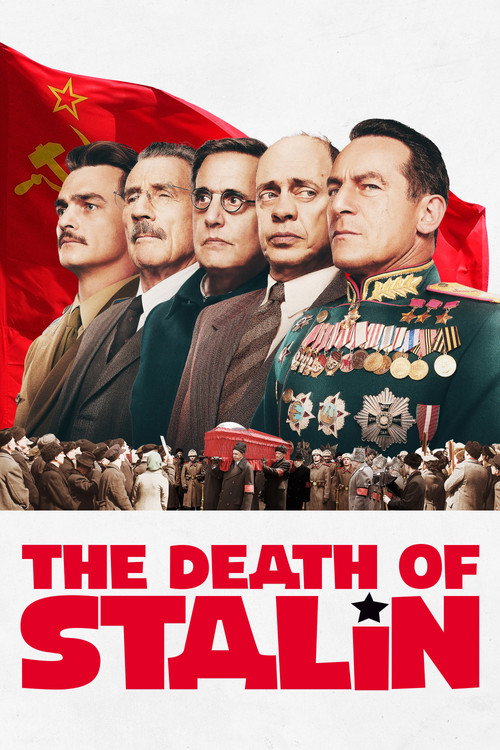
The Death of Stalin2017
Both show how chaos becomes opportunity for power-seekers; both suggest that institutional failure is more terrifying than the crises that cause it.
Armando Iannucci's satirical Soviet thriller depicts institutional chaos and competing ideologies as dark comedy. Like Hellbound, it's about how quickly order collapses and how people weaponize uncertainty, but it finds absurdity where Hellbound finds dread.
But The rapid-fire political dialogue is dense and requires engagement. Satire about authoritarian systems doesn't land if you're not paying attention, and the film refuses to simplify itself.
People
Cast









Writing
- Yeon Sang-hoCreator
Recommended by
Junji Ito Maniac: Japanese Tales of the Macabre, Death Parade, Free State of Jones, The Scholar Who Walks the Night, Berserk: The Golden Age Arc I - The Egg of the King, Dead-End Job