
Television series
Ergo Proxy
Ergo Proxy is a thoughtful sci-fi noir about androids, existential awakening, and what it means to be alive. Set in a sterile utopian city, it follows a detective and a drifter investigating murders that spiral into philosophy and the uncanny. Moody, visually striking, and unhurried—it rewards patience with genuine strangeness and emotional depth. For fans of ideas layered into atmosphere.
Should you watch it?
Watch it if you love slow-burning sci-fi mysteries where the puzzle is philosophical as much as criminal, and you're happy to sit with an uneasy, melancholy world that gradually reveals its own rules.
Skip it if you want tidy answers or brisk episodes, since it often lingers on atmosphere and ideas, and its middle stretch can feel meandering before the pieces start to click.
What it asks of you: Twenty-three episodes of patient, moody build-up at roughly half an hour each, with dense world-building you have to keep track of rather than simply follow.
Not sure? Find tonight's pick in a minute.
If you liked this
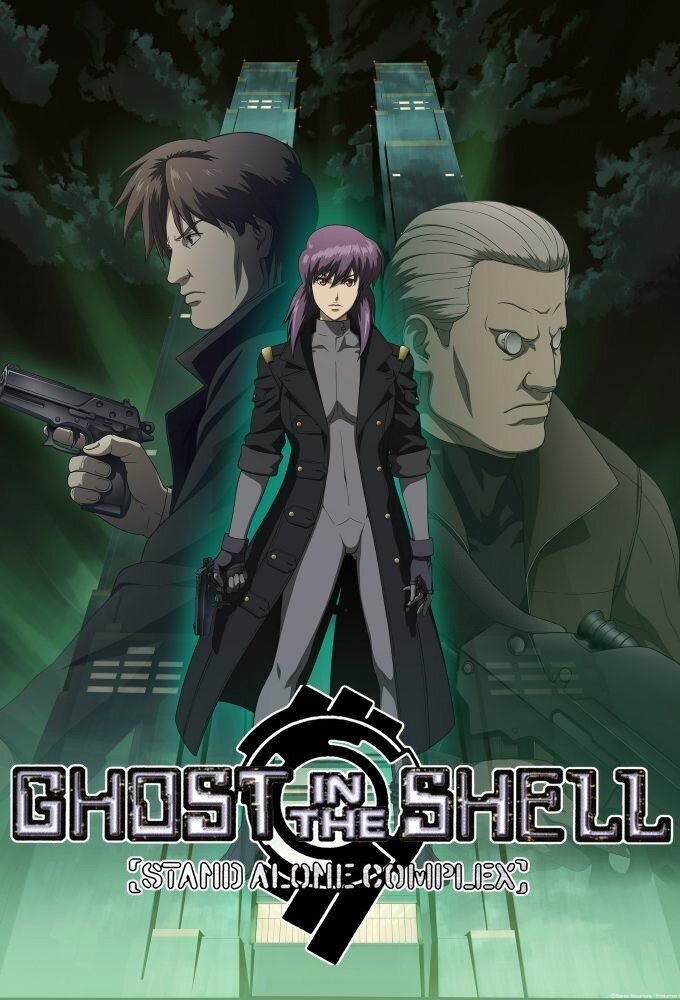
Ghost in the Shell: Stand Alone Complex2002
Another anime that weaponizes sci-fi aesthetics to ask what consciousness actually is. It's got action, but the real tension lives in dialogue and doubt. Gorgeous animation and a band of characters you'll obsess over.
But The first season is 26 episodes of patient worldbuilding. If you want plot momentum or resolution, you'll find it frustratingly cool and distant.
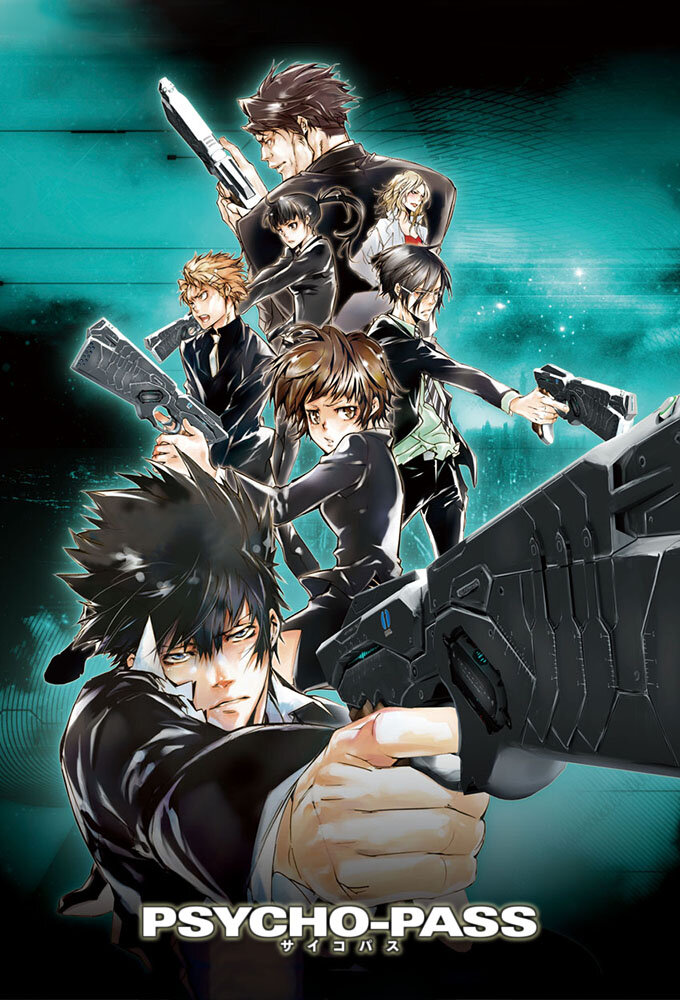
Psycho-Pass2012
A crime procedural where the system itself is the villain. Mystery of the week wrapping around a larger philosophical question about free will and surveillance. Sharp, stylish, and it actually builds toward something consequential.
But The second season exists and is widely considered weaker. The first season ends at its peak, which is perfect but might feel incomplete.
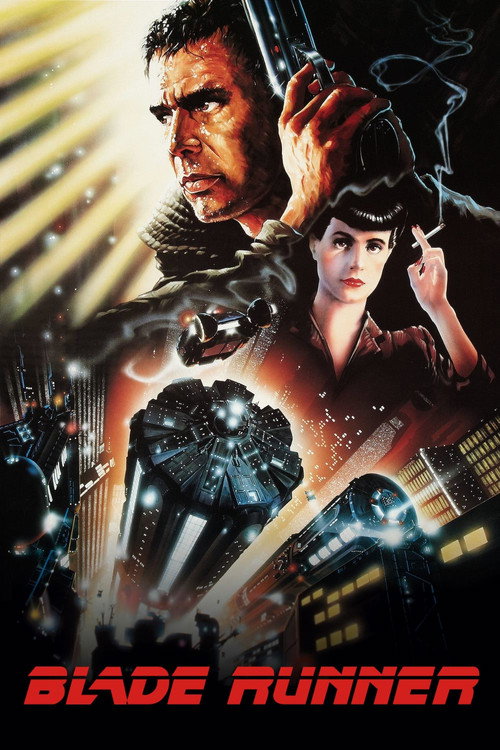
Blade Runner1982
The grandparent of everything you're watching. Visually dark, narratively ambiguous, built on the question of what separates human from artificial. Slow burn that earns every frame. It changed how we think about this stuff.
But Pacing that would feel glacial to someone raised on modern cuts. It's made to be absorbed, not consumed. The theatrical ending is different from the director's cut, and both feel incomplete in ways that matter.
Not sure tonight? Get a pick in a minute, starting from Ergo Proxy
The wildcard
Something you would not have found on your own.
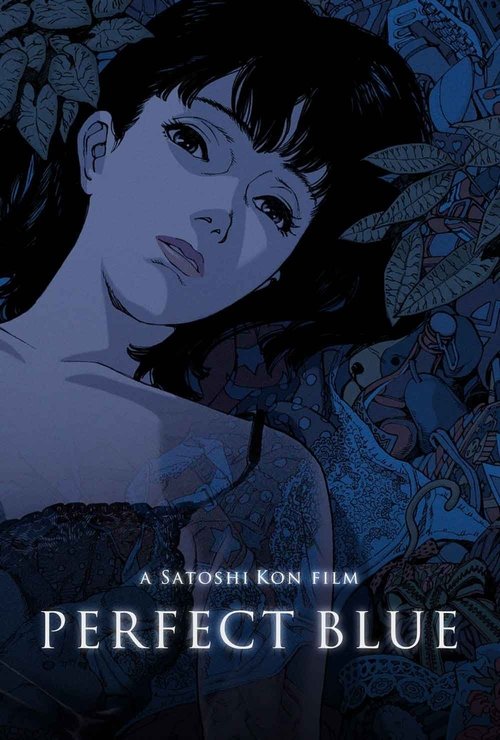
Perfect Blue1998
Both films use the uncanny and visual distortion to literalize psychological fragmentation. Both ask who remains constant when identity is unstable. Both make reality unreliable as a storytelling tool.
Satoshi Kon's first film. A pop idol's identity fractures as fiction and reality bleed together. It's a giallo thriller drawn in anime, exploring obsession and the self. Visceral, unsettling, psychologically intricate. You've likely never seen anything quite like it.
But It's sexually violent in ways that matter thematically but are still hard to watch. Also disorienting by design—the dream sequences and perspective shifts can feel incoherent if you're not leaning in.
More like this (8)
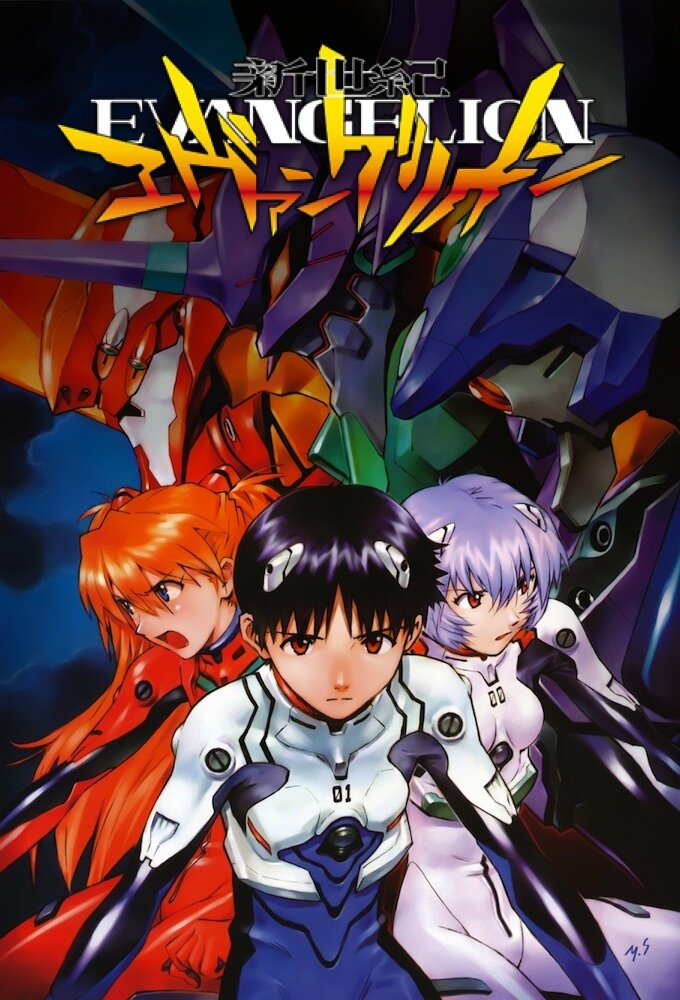
Neon Genesis Evangelion1995
An anime that stops being about giant robots and becomes about despair, identity, and whether connection is worth the pain. Its final episodes abandon plot entirely for psychological breakdown. Genuinely unlike anything else.
But The last two episodes are experimental and deliberately unsettling. If you need narrative clarity or catharsis, you won't get it. Also deeply depressing, which is kind of the point.
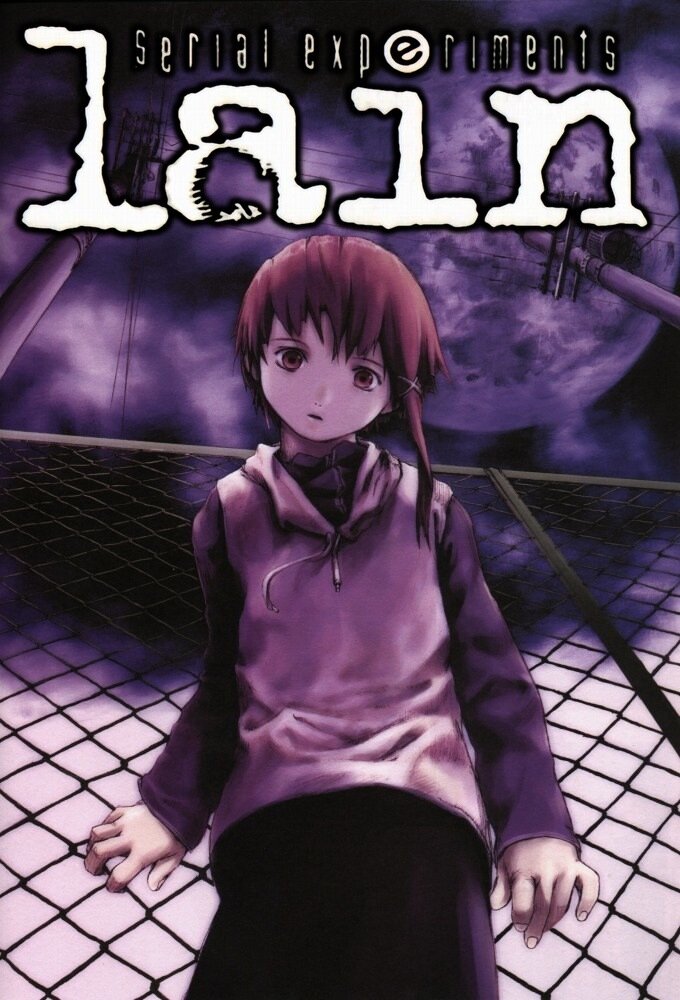
Serial Experiments Lain1998
Thirteen episodes of pure atmospheric cyberpunk dread. It asks what reality is when consciousness can be digitized. Every frame is composed like a painting. Genuinely eerie and philosophically relentless.
But It's cryptic and refuses to explain itself. No recap, minimal dialogue, visuals that repeat hypnotically. You'll feel confused and that's intentional. Not for people who need closure.
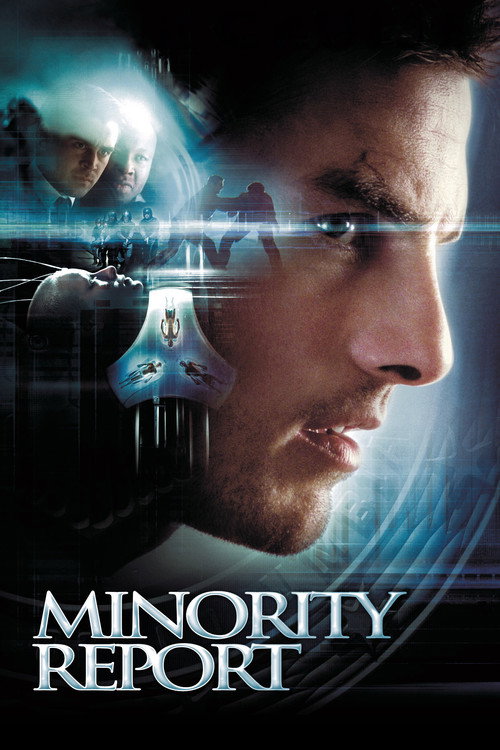
Minority Report2002
Crime prevention through precognition—same DNA as Psycho-Pass and Ergo Proxy. Spielberg's version is sleek and kinetic but anchored by the moral question of punishing people for crimes they haven't yet committed.
But It's a summer thriller first and philosophy second. If you're craving the intellectual weight of harder sci-fi, it'll feel entertaining but slightly weightless.
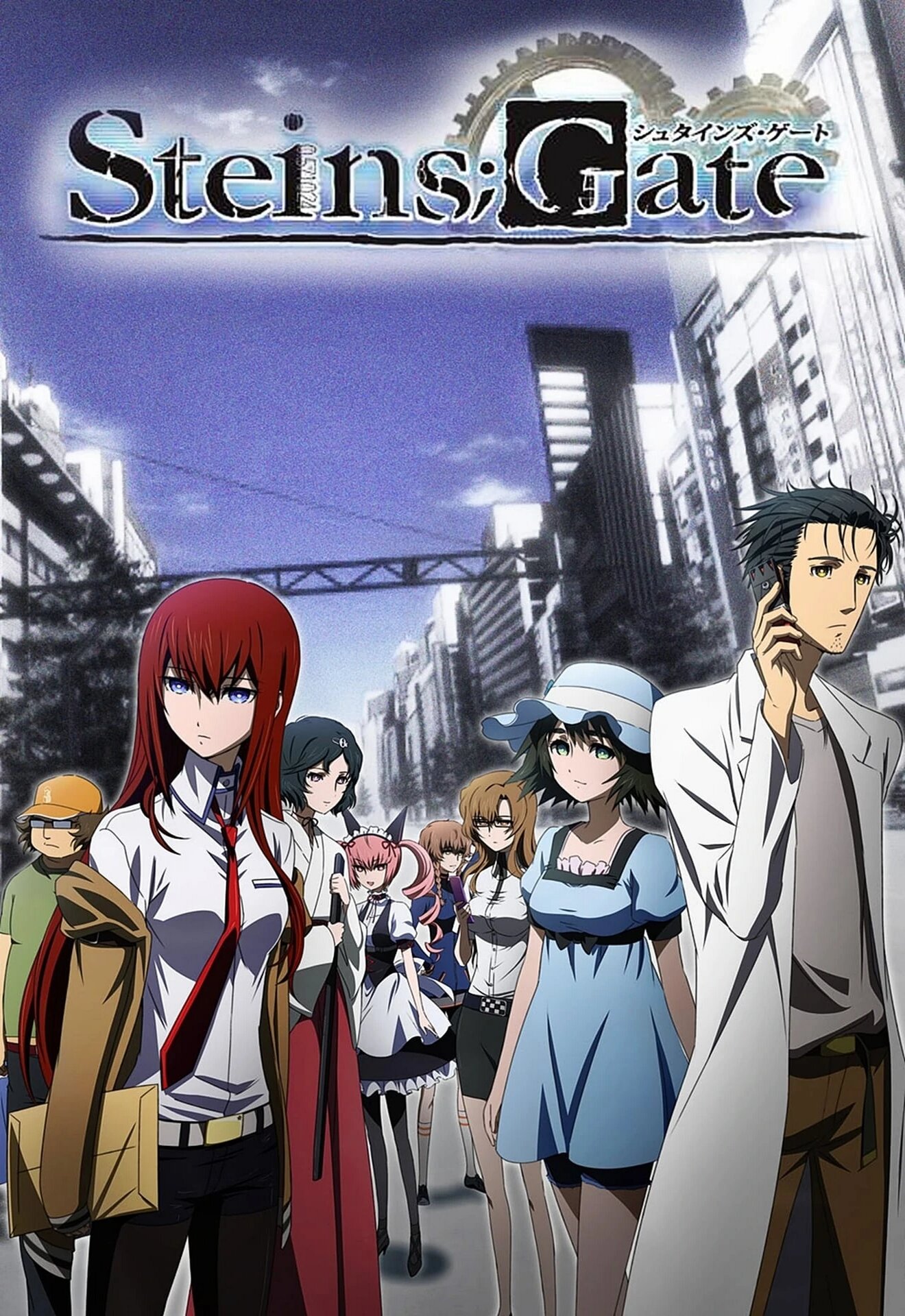
Steins;Gate2011
A time-travel thriller that moves like a mystery: clues stack, logic becomes paranoia, and the friendships matter as much as the paradoxes. Excellent character work wrapping around a genuinely clever plot.
But The first 12 episodes are setup. If you bounce off slow-burn mysteries, you won't make it to the payoff. Also occasionally dips into fanservice that feels tonal.
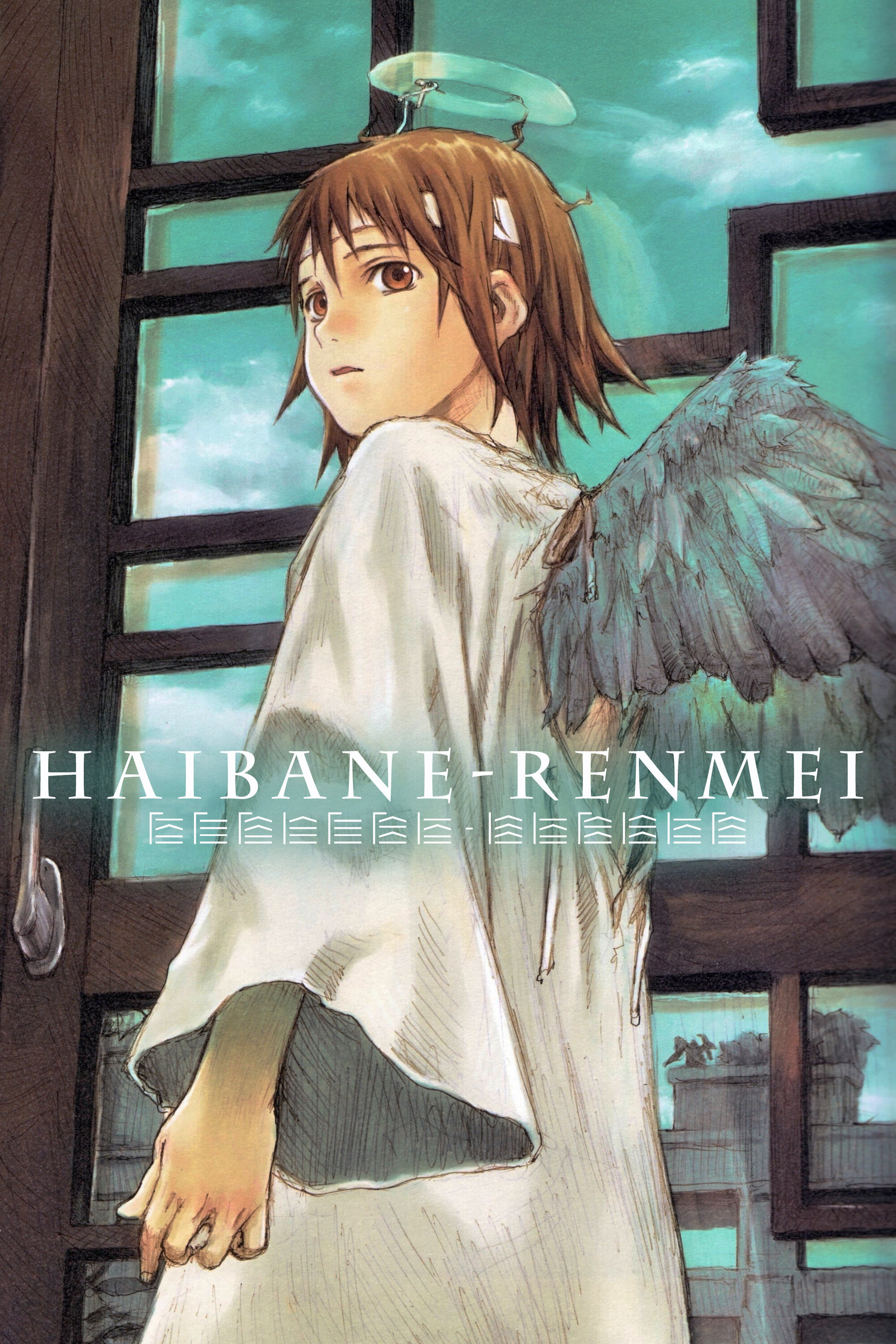
Haibane Renmei2002
Thirteen episodes of quiet, melancholic mystery in a grey world where no one remembers their past. It's contemplative and strange in the way Ergo Proxy is. Beautiful character animation and an ending that haunts you.
But Virtually no plot momentum. It's atmosphere and small moments and questions that never fully answer. If you need driving narrative, this will feel like waiting.
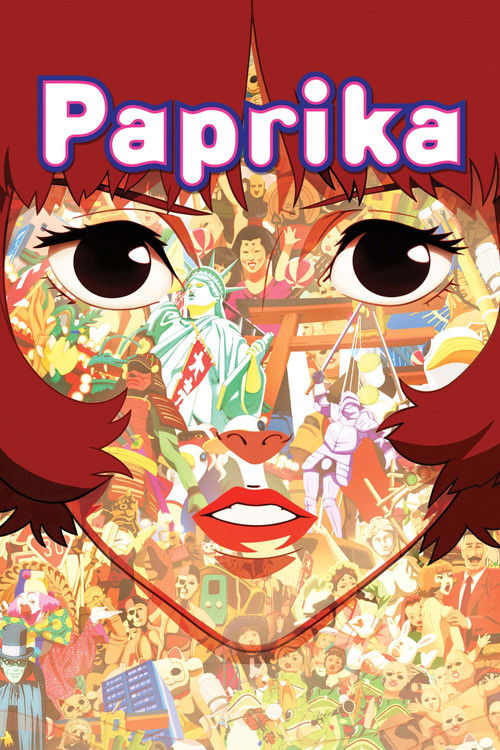
Paprika2006
A fever dream about a device that lets therapists enter patients' dreams. It's visually wild, narratively complex, and genuinely moving. Satoshi Kon's masterpiece—colorful where Ergo Proxy is grey, but equally obsessed with identity.
But The plot gets abstract and hard to track. If you're watching for clarity, the dream logic will frustrate you. Also nearly all of it is surreal, which is thrilling or exhausting depending on mood.
The Seventh Seal1957
Both are about how consciousness and mortality reshape identity. Both use sparse visuals and long silences to build dread. Both are ultimately about what remains when everything else is stripped away.
Bergman's masterpiece about a knight questioning faith, meaning, and mortality while playing chess with Death himself. Medieval, philosophical, visually stark and composed like a painting. It predates modern philosophical sci-fi but asks the same questions about existence.
But It's in Swedish with subtitles, shot in grayscale, and moves at a contemplative pace. There's no music, minimal action. If you're watching for entertainment rather than art, it will feel slow and bleak.

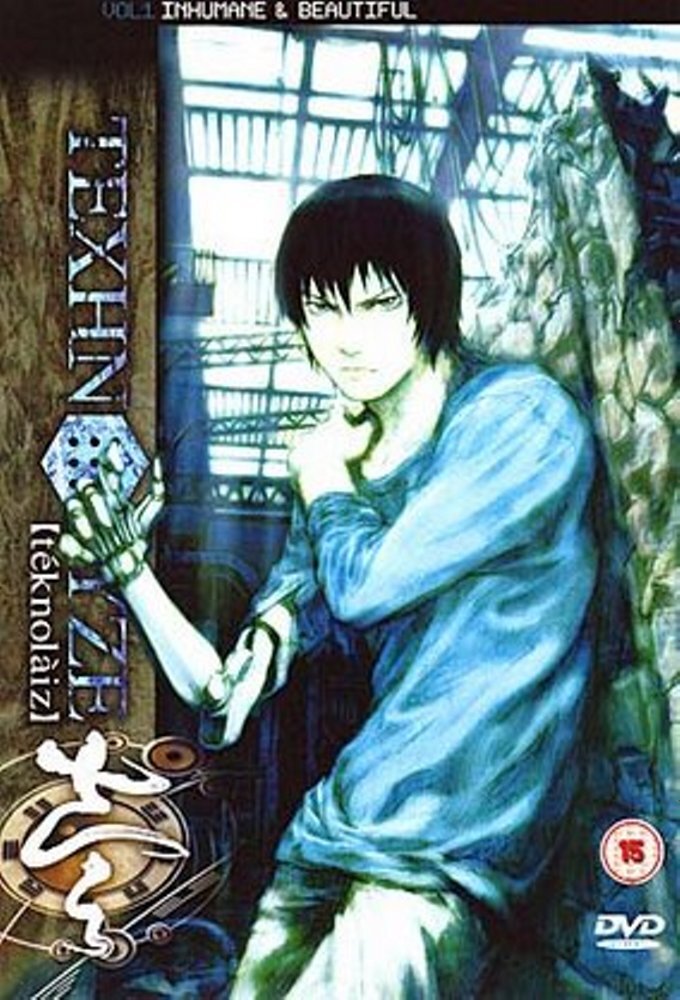
Texhnolyze2003
Both obsess over what technology does to the self. Both use industrial aesthetics and existential dread as visual language. Both are willing to be oblique and difficult in service of mood. Both suggest that awakening might be more like dissolution.
A cyberpunk series where technology is flesh and identity is traded for augmentation. Wordless first episode, minimal dialogue throughout, told almost entirely through visual storytelling. Dark, atmospheric, genuinely alien. Built by the same studio that made Lain.
But There's almost no exposition. You're dropped into a dying industrial city and left to interpret. The pacing is glacial and the ending is bleak in ways that feel unresolved. Not for people who need narrative clarity or hope.
People
Cast







Recommended by
Monster, Kaiji, 91 Days, Serial Experiments Lain, To Your Eternity, Mobile Suit Gundam: Tekketsu no Orphans, Spice and Wolf, Children of the Sea, Claymore, Gunslinger Girl, Texhnolyze, Boogiepop Phantom, Ajin, Blood+, Psycho-Pass, RahXephon, Darling in the FranXX, Darker Than Black, Jin-Roh: The Wolf Brigade, .hack//SIGN, Higurashi no Naku Koro ni, Banana Fish, Junji Ito Maniac: Japanese Tales of the Macabre, Noir, Bunny Drop, Haibane Renmei, Durarara!!, Coil a Circle of Children, Mekaku City Actors, Michiko e Hatchin, Akudama Drive, Heaven Official's Blessing, Noragami, Kaiba, Mobile Suit Gundam 0080: War in the Pocket, Akagi, Tokyo Babylon 1, Exosquad, B: The Beginning, Appleseed, Ranpo Kitan: Game of Laplace, No. 6, Sonny Boy, Witch Hunter Robin, Another, The Garden of Sinners: Paradox Spiral, Mobile Suit Gundam: The Witch From Mercury, Zetsuen no Tempest, Planetes, Memories, LINK CLICK, Ima, Soko ni Iru Boku, Wangan Midnight, Dimension W, Katanagatari, Gakkou Gurashi!, Masou Kishin Cybuster, Atom: The Beginning, Tengoku-Daimakyou, Selector Infected Wixoss, Casshern Sins, Phantom: Requiem for the Phantom, Nagi no Asukara, Tales of the Unexpected, The Chronicles of Riddick, Gilgamesh, Ghost in the Shell: Arise - Border 1: Ghost Pain, Gachiakuta, Ghost in the Shell: SAC_2045, Evangelion: 3.0 You Can (Not) Redo, Steins;Gate: The Movie - Load Region of Déjà Vu, Black Bullet, Dragon Ball Z: The History of Trunks, Le Chevalier D'Eon, Kiznaiver, Trinity Blood, Shinsekai Yori, Kindaichi Shounen no Jikenbo