Television series
Mekaku City Actors
Mekaku City Actors weaves together supernatural mystery and character drama across a fractured timeline. A group of teens with eye-based powers navigate strange incidents in their city, each carrying secrets that slowly unfold. It's visually inventive, funny in bursts, deeply emotional by design, and rewards paying close attention to how its pieces fit together.
If you liked this
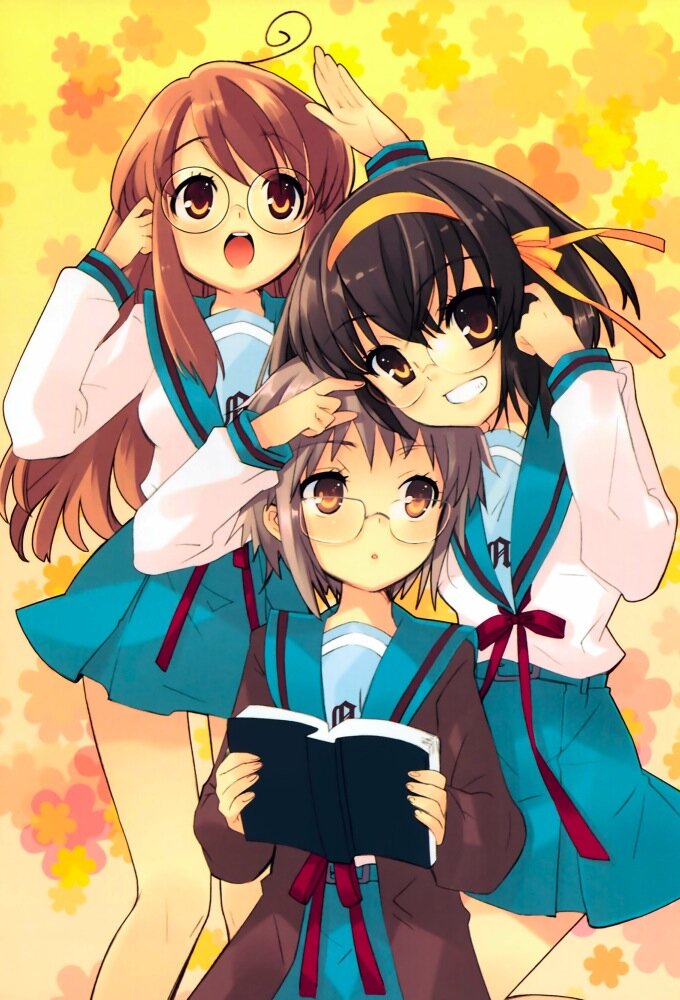
Suzumiya Haruhi no Yuuutsu2006
Mystery-driven ensemble with reality-bending stakes and playful time-jumping narrative. Shares the energy of ordinary characters stumbling into something vast and inexplicable, with genuine emotional weight underneath the strangeness.
But Deliberately confusing episode order and a pacing that asks for patience. Some find its mystery less satisfying on reveal than in speculation.
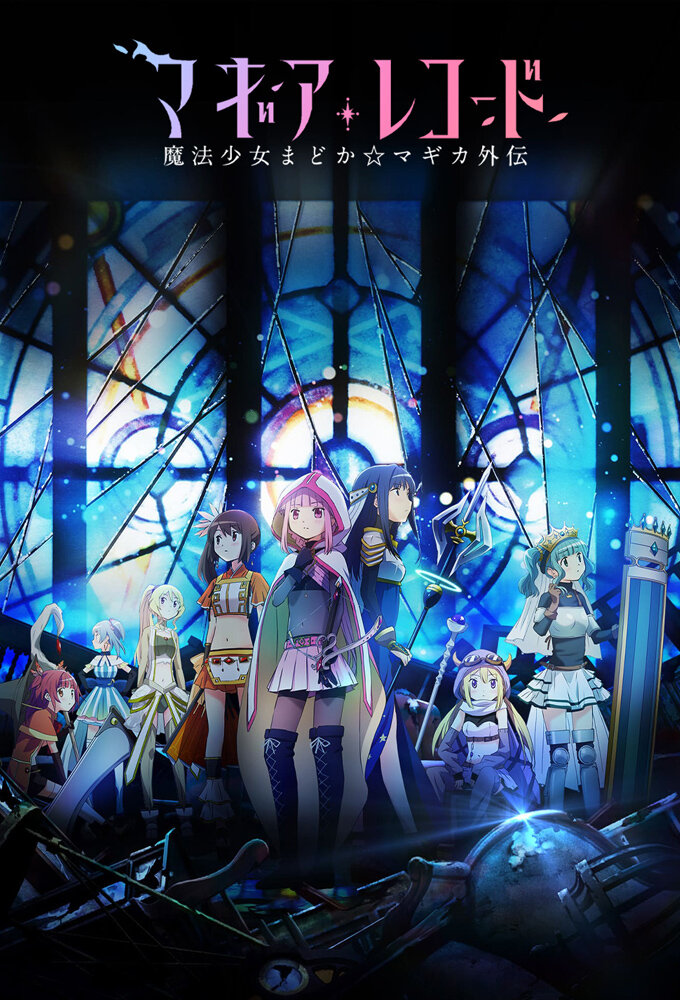
Magia Record: Puella Magi Madoka Magica Side Story2020
Deceptively cheerful magical-girl show that gradually peels back layers of tragedy and philosophical weight. Both explore how special powers isolate their holders and what truth costs to uncover.
But Tonal shifts from bright to bleak can feel jarring. Requires engagement with heavy themes about sacrifice and systemic cruelty.
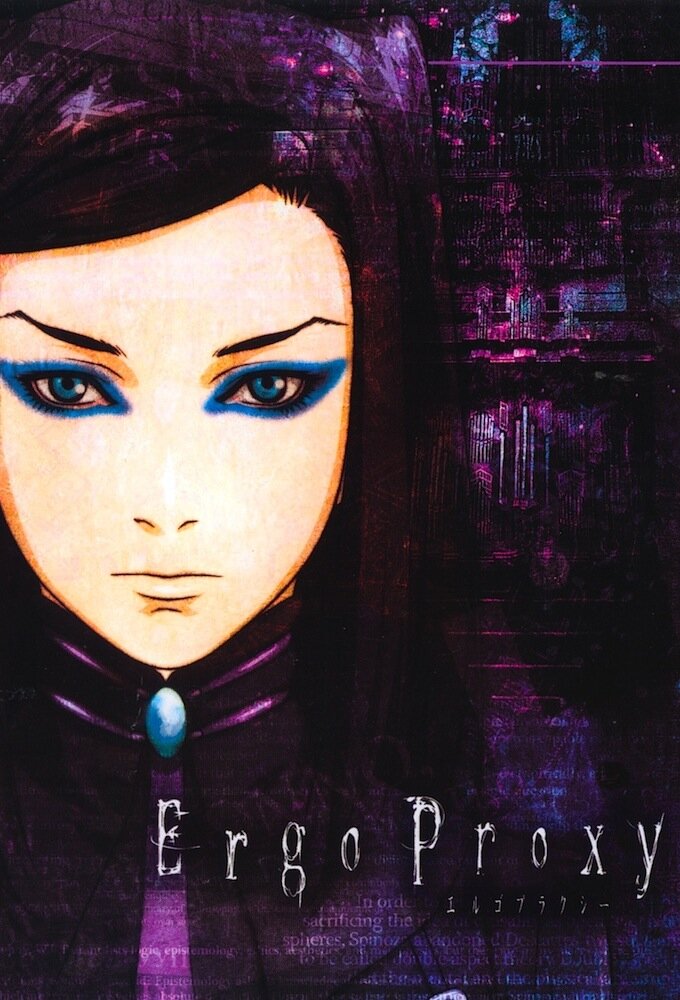
Ergo Proxy2006
Cryptic sci-fi about identity and humanity unfolding through fragmented scenes and philosophical conversations. Matches Mekaku's willingness to trust viewers with incomplete information and reward careful watching.
But Deliberately slow and obscure. The narrative reveals happen gradually and some threads stay ambiguous; frustrating if you need clear answers.
Not sure tonight? Get a pick in a minute, starting from Mekaku City Actors
The wildcard
Something you would not have found on your own.
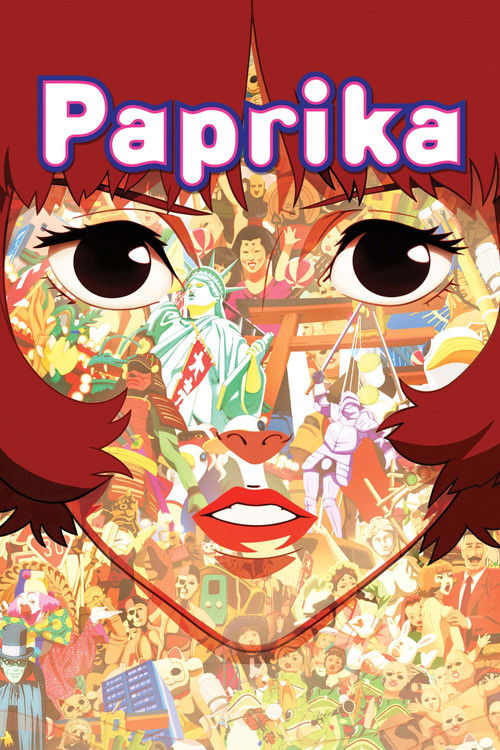
Paprika2006
Both use eye-based metaphors and fractured narratives to explore the gap between perception and truth. Where Mekaku builds its mystery linearly, Paprika scatters it across dream-logic.
Visually maximalist psychedelic thriller about dreams bleeding into reality and identity fragmenting across layers of consciousness. Same core idea as Mekaku—reality is malleable and how we see determines what we see—but rendered through pure visual storytelling and surrealism.
But Deliberately disorienting. If you need clarity and narrative spine, this favors aesthetic experience over plot coherence.
More like this (7)
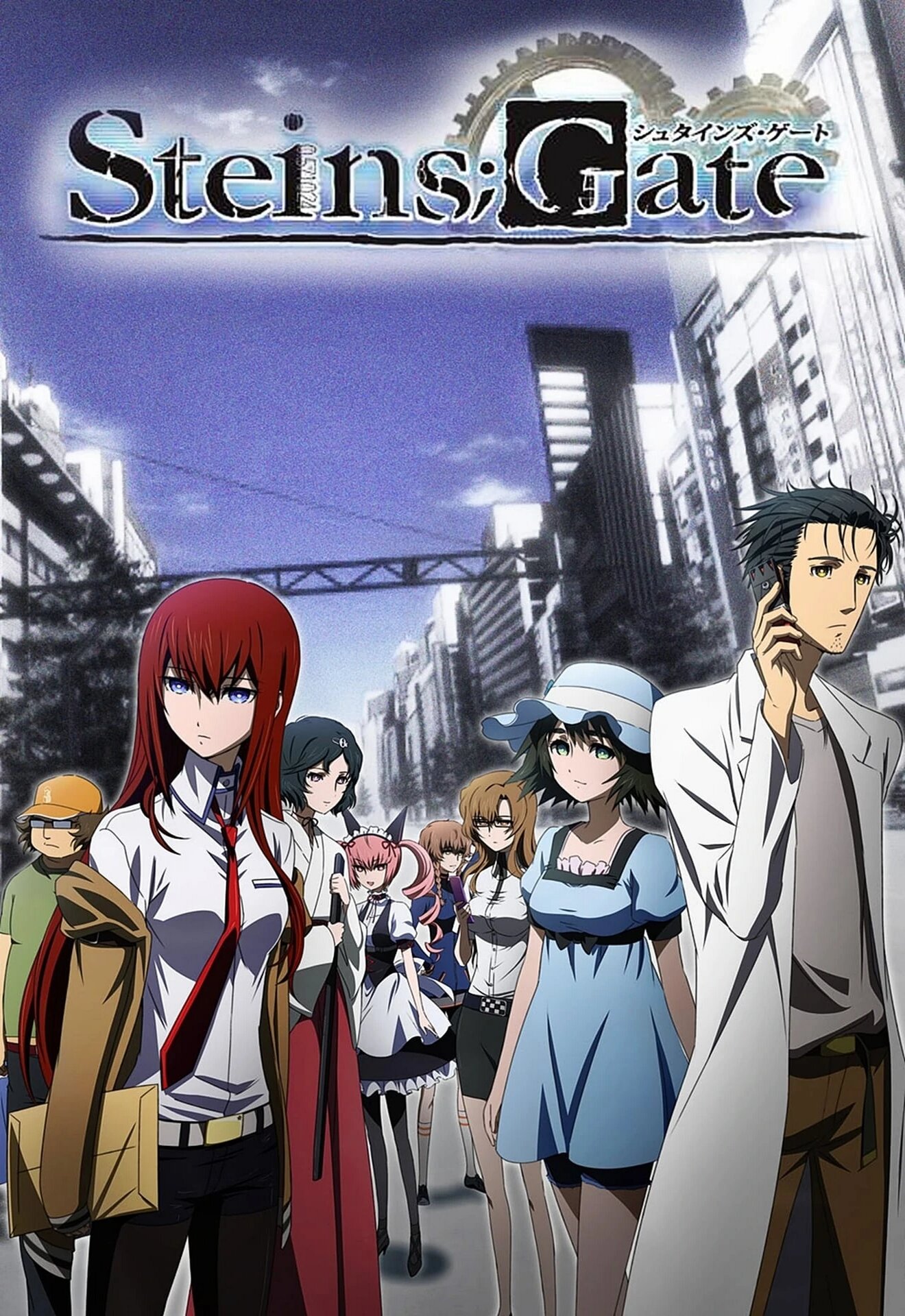
Steins;Gate2011
Time-travel conspiracy thriller where character moments matter as much as plot twists. Like Mekaku, it uses a tight ensemble and personal stakes to make its supernatural mystery feel earned and devastating.
But Exposition-heavy first half tests patience. The time-loop mechanics can feel overly complex without a rewatching commitment.
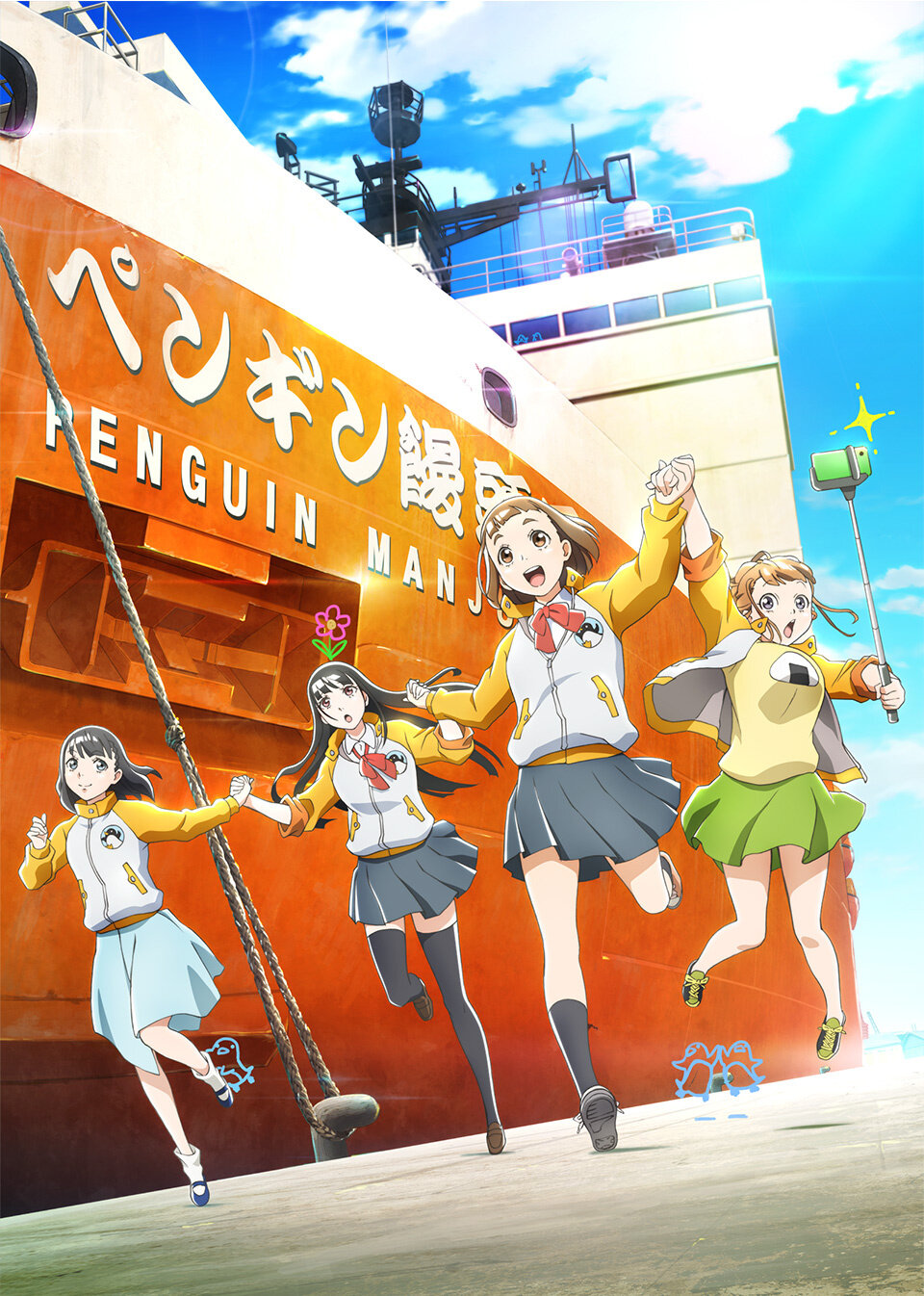
Sora yori mo Tooi Basho A Story that leads to the Antarctica2018
Character-first ensemble adventure that builds genuine intimacy between misfits with different wounds. Shares Mekaku's gift for making small moments between people feel as important as the larger plot.
But Lacks the supernatural mystery element. If you're here for the metaphysical puzzle, this is grounded coming-of-age instead.
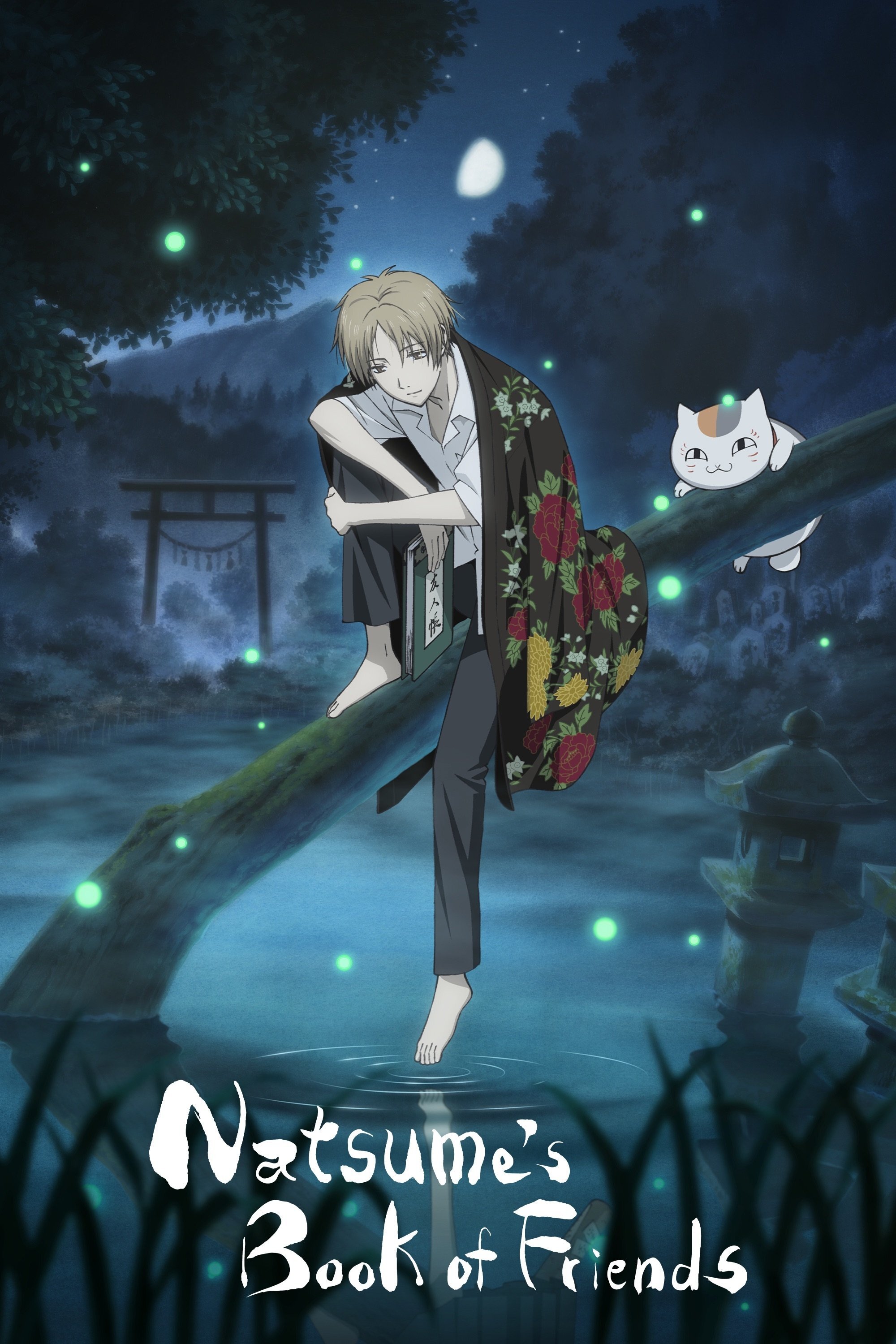
Natsume's Book of Friends2008
Quiet supernatural series about a boy who sees spirits no one else can. Each episode explores loneliness and connection through folklore and ghost stories, with the same warmth-and-strangeness balance.
But Episodic structure means it unfolds slowly. Comfort-show pacing might feel aimless if you need momentum.
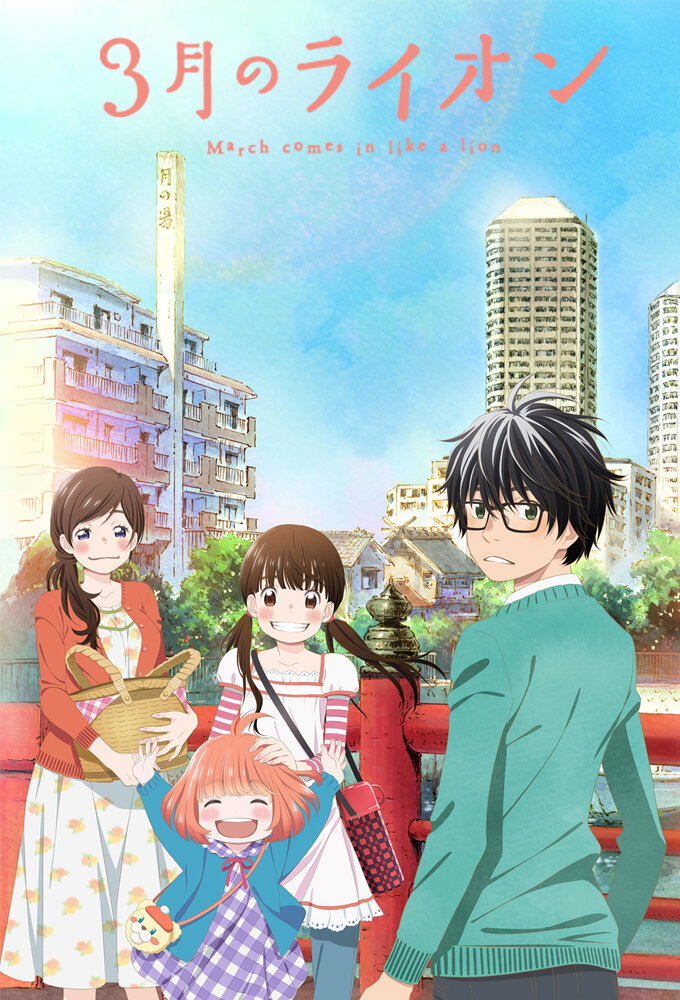
March comes in like a lion2016
Ensemble drama with magical-realist visual style and deep interior life. Captures how traumatized people find family in unexpected places, with the same visual inventiveness and emotional precision.
But Heavy focus on grief and PTSD. The gentleness of the approach requires emotional openness; it won't be fun if you need action.
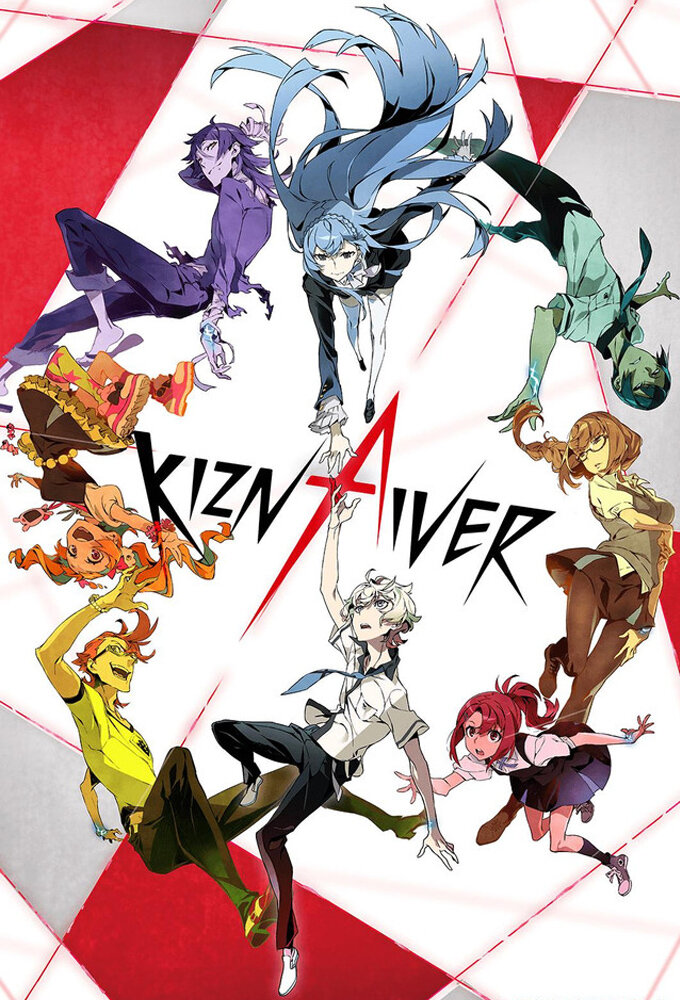
Kiznaiver2016
Teens with mysterious powers forced together by fate, slowly learning each other's trauma. Explores connection and shared pain with genuine creativity, though in a more direct way than Mekaku manages.
But Leans harder into teen melodrama. Less interested in intellectual mystery than emotional catharsis.
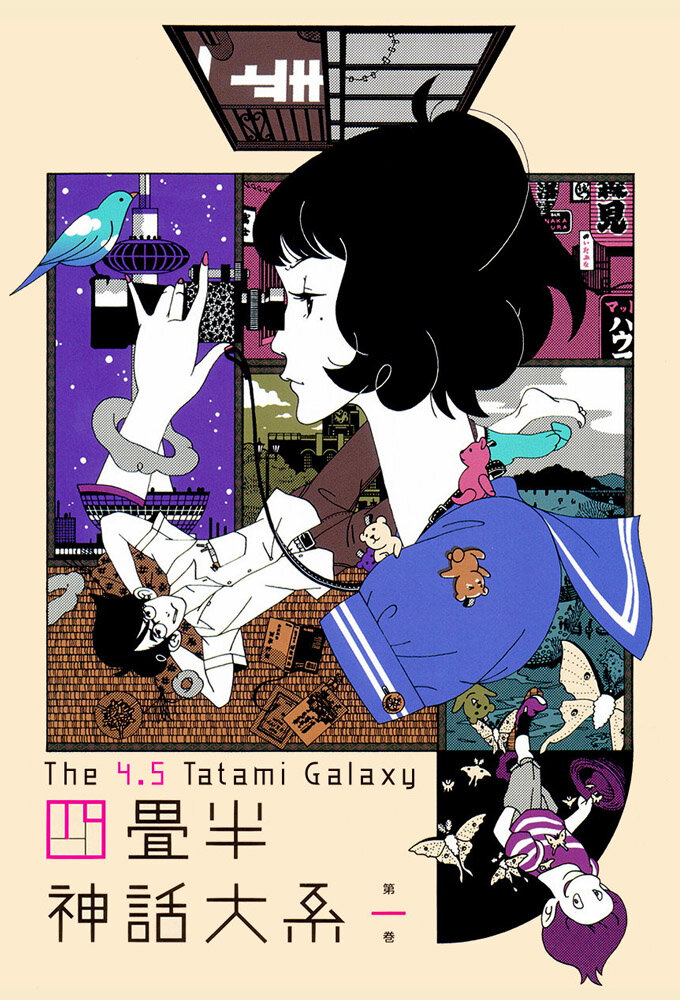
Yojouhan Shinwa Taikei2010
Both collapse timelines and explore how identity shifts based on the choices made and the people you're alongside. Same director (Masaaki Yuasa) obsession with perspective literally reshaping reality.
Rapid-fire comedy about a student's temporal loop trying different lives, told in Japanese ink-drawing style. Like Mekaku, it uses visual invention and chronological playfulness to explore identity, belonging, and how small choices redirect everything.
But Relentless pacing and thick Japanese dialogue. The visual style is hyper-busy and can overwhelm; dialogue-heavy without subtitles.
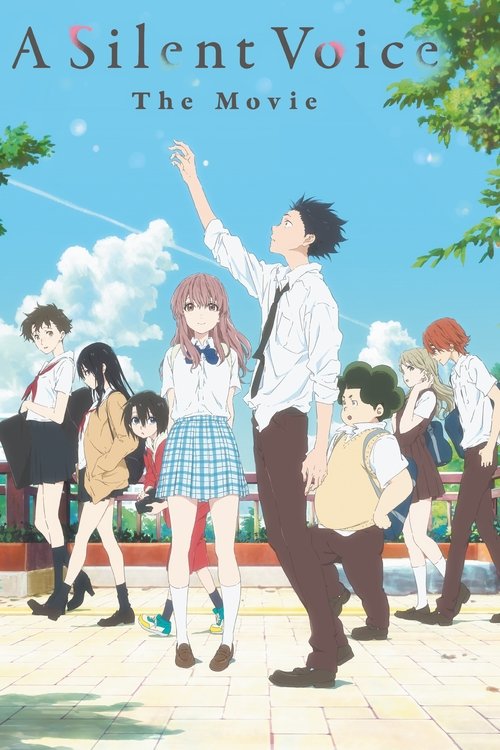
A Silent Voice: The Movie2016
Both use supernatural/disability metaphors to examine how we fail to truly see each other. Mekaku's powers isolate; deafness isolates. Both ask what connection costs and whether understanding is possible.
Devastating exploration of isolation, bullying, and shame told through a deaf protagonist and the hearing boy trying to make amends. Uses visual language to communicate what words cannot, matching Mekaku's eye-power metaphor as literal commentary on communication breakdown.
But Heavy trauma narrative about abuse and suicidal ideation. The weight and sorrow don't lift; it's cathartic but not comforting.