
Film
Ghost in the Shell: Arise - Border 1: Ghost Pain
A prequel origin story for Ghost in the Shell's most iconic character. This 58-minute film strips back to how Motoko Kusanagi became the legendary operative we know, set in a grimy 2027 cyberpunk New Port City still scarred by war. It's visually stunning, deliberately paced, and assumes you're smart enough to follow its layered conspiracy plot without hand-holding. For fans wanting deeper lore and newcomers willing to sit with ambiguity.
Should you watch it?
Watch it if you enjoy cyberpunk crime stories where the pleasure lies in watching sharp, procedural detective work and dense political intrigue unfold around cyborgs and hackers, rather than in nonstop spectacle.
Skip it if you want a clear, self-contained plot that resolves neatly; this is the opening chapter of a larger story, so it sets up a web of conspiracies and characters and leaves many threads loose.
What it asks of you: It runs under an hour and asks you to keep track of several investigations and a crowd of shadowy factions at once, with quiet talk and slow build-up doing much of the work between its bursts of action.
Not sure? Find tonight's pick in a minute.
If you liked this
Psycho-Pass2012
A cerebral cyberpunk thriller about surveillance, justice, and artificial intelligence that matches Arise's moral complexity. Stunning animation, genuinely unsettling premise, and a protagonist who has to decide what law actually means when machines enforce it.
But It's 22 episodes, so you're committing to a season. The first half can feel repetitive as it establishes its world, though it pays off.

Paprika2006
Satoshi Kon's hallucinogenic masterpiece about identity, technology, and the blurred line between dreams and reality. Visual storytelling at its peak, with a protagonist navigating digital worlds who echoes Kusanagi's fractured sense of self.
But It's deliberately surreal and non-linear. If you need plot clarity and emotional beats spelled out, this will frustrate you.

Cowboy Bebop1998
Foundational cyberpunk anime about a crew of outsiders operating in moral grey zones. Features the same blend of noir atmosphere, spectacular action, and philosophical questions about identity and purpose that make Arise sing.
But It's episodic rather than serialized until the final arc, so the narrative payoff takes patience. Also, it was made in 1998, and the animation shows it.

Not sure tonight? Get a pick in a minute, starting from Ghost in the Shell: Arise - Border 1: Ghost Pain
The wildcard
Something you would not have found on your own.
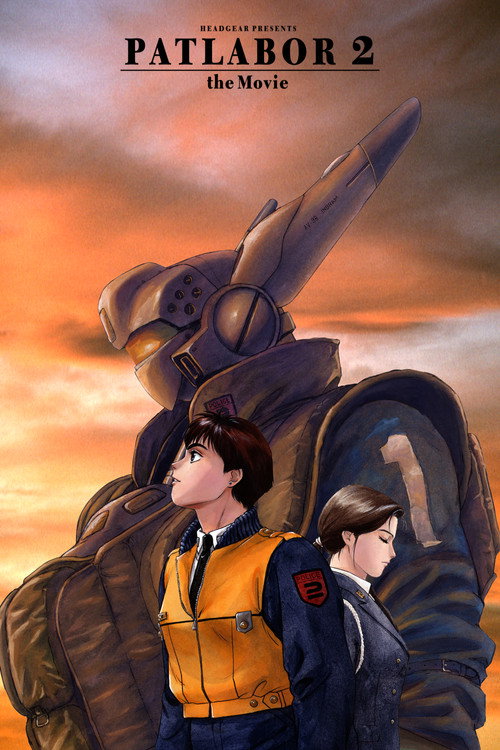
Patlabor 2: The Movie1993
Both are genre films that use their trappings (cybernetics, action) as vehicles for slow-burn investigations of state power, institutional corruption, and whether individual agency matters when systems are rigged. Neither needs explosions to be thrilling.
A brilliant political thriller disguised as a robot police procedural. It's methodical, skeptical of institutions, and uses action scenes to explore how power actually works—the same philosophical DNA as Arise, but arriving via a completely different route. The animation is still stunning.
But You should probably see the first Patlabor film and some of the TV series first; this assumes you know these characters. Also, it's very talky and politically dense in ways that can feel abstract.
More like this (6)
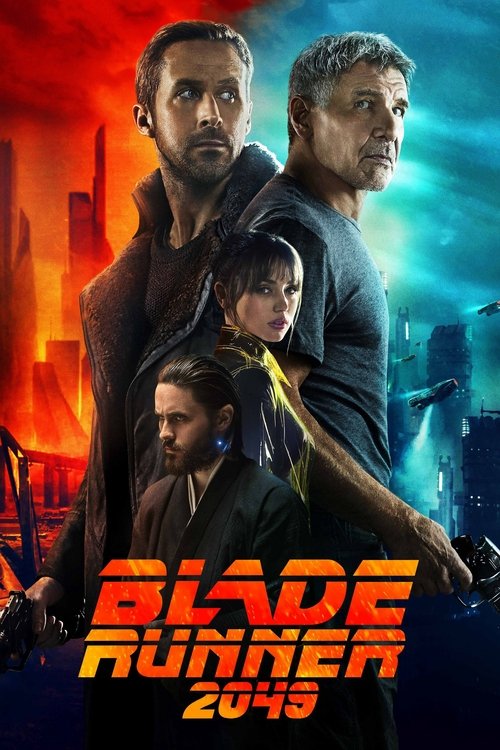
Blade Runner 20492017
A sci-fi meditation on consciousness and humanity told through gorgeous, deliberate cinematography. Like Arise, it refuses to rush—every scene earns its space. Perfect if you want that same thoughtful, visual-first approach to existential questions.
But It's very slow. Some viewers find it glacial. And it assumes you've seen the original Blade Runner, though it does work standalone.
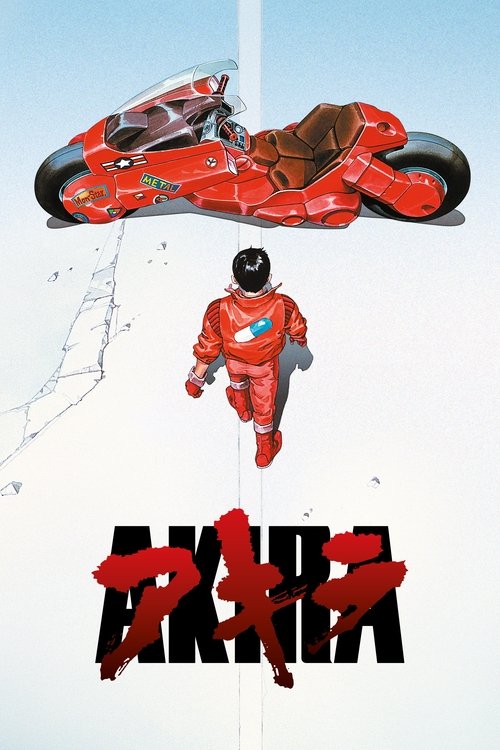
Akira1988
The anime that changed everything. Kinetic action, wild visuals, a Tokyo transformed by technology and trauma, and a plot about power, control, and what happens when individuals become weapons. Essential cyberpunk DNA.
But It's deliberately cryptic about its own plot. Even fans argue about what it means, and that ambiguity can read as poor storytelling if you want answers.
Ergo Proxy2006
A post-apocalyptic meditation on consciousness and purpose that shares Arise's philosophical bent and willingness to linger on atmosphere over exposition. Moody, strange, visually distinctive, and genuinely moving if you stay with it.
But It's slow, sometimes frustratingly so. The pacing won't work for everyone, and it ends on ambiguity that some find unsatisfying rather than haunting.

Jin-Roh: The Wolf Brigade1999
A political thriller wrapped in cyberpunk aesthetics about a soldier caught between loyalties and duty. Gorgeously animated, morally murky, and willing to sit with ambiguity about its protagonist's descent into complicity.
But It's primarily a political and romantic story rather than an action film, which surprises viewers expecting a standard sci-fi thriller. The love story doesn't resolve satisfyingly if you're looking for closure.

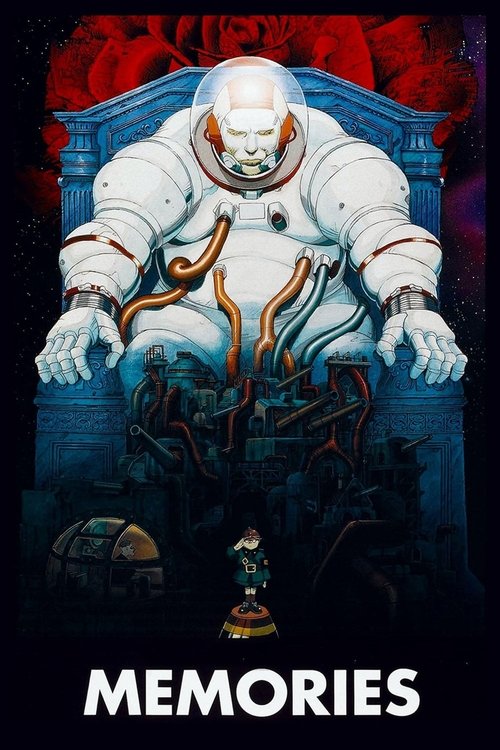
Memories1995
Both Memories and Arise treat science fiction as a tool for exploring how technology changes what it means to be human, and neither spells out their thematic concerns. Both assume cinema can do more than entertain.
A three-part anthology film that's practically a masterclass in visual storytelling. Katsuhiro Otomo (Akira's creator) shows you what sci-fi cinema can be when you trust the audience's intelligence completely. Each segment is distinct, disorienting, and stays with you.
But It's an anthology, so there's no narrative momentum or character arc. It's also deliberately strange and refuses conventional satisfaction. Some viewers find it pretentious.
Harakiri1962
Both examine how institutions—whether a futuristic military or a feudal code—break individuals into components that serve larger systems. Both use formal precision to make that violence visible.
A 1962 samurai film about ritual, loyalty, and the violence systems demand from individuals. It has nothing to do with cyberpunk, but its formal precision, its investigation of institutional coercion, and its refusal to mythologize duty speak directly to what Arise is exploring.
But It's a very different film—no action spectacle, no sci-fi gloss, just patient camera work and emotional brutality. And it's quite long at 161 minutes.

People
Cast
 Maaya SakamotoMotoko Kusanagi (voice)
 Ikkyu JukuDaisuke Aramaki (voice)
 Kenichirou MatsudaBatou (voice)
 Kazuya NakaiBorma (voice)
 Shunsuke SakuyaIshikawa (voice)
 Tomoyuki DanIshikawa (voice)
 Takuro NakakuniSaito (voice)
 Tarusuke ShingakiTogusa (voice)
 Miyuki SawashiroLogicoma (voice)
 Kenji NojimaTsumugi (voice)
 Yoji UedaPaz (voice)
Directing
- Kazuchika KiseDirector
- Masahiko MurataDirector
Writing
- Shirow MasamuneComic Book
- Shirow MasamuneOriginal Story
- Tow UbukataScreenplay
Production
- Kimikazi UeyamaExecutive Producer
- Koichi UeyamaExecutive Producer
- Mitsuhisa IshikawaExecutive Producer
- Shinjiro YokoyamaExecutive Producer
- Takuya MatsushitaExecutive Producer
- Junichiro TsuchiyaProducer
- Ken OkawaraProducer
- Kengo AbeProducer
- Mitsutoshi ArimotoProducer
- Tomohisa NishimuraProducer
- Toru KawaguchiProducer
- Yoshihiro FurusawaProducer
- Hideji KanekoProduction Supervisor
- Katsuji MorishitaProduction Supervisor
- Keiji OtaProduction Supervisor
- Satoshi KonoProduction Supervisor
- Shiro SasakiProduction Supervisor