
Film
Memories
- Science fiction
- Dip in and out
Memories is three standalone sci-fi anime shorts by different directors, each exploring technology's grip on humanity. Visually stunning and philosophically restless, it's cerebral rather than plot-driven—made for viewers who love speculative ideas rendered in rich animation. Not for passive watching.
Should you watch it?
Watch it if you like science fiction that feels handmade and melancholy, and you don't mind three separate stories sharing one mood more than one plot.
Skip it if you need one story to carry you, since three unconnected shorts mean the cast, tone and look reset each time, leaving little room to settle.
What it asks of you: Plan for just under two hours in three chapters, each with its own pace and palette, and give each one your full attention rather than half of it.
Not sure? Find tonight's pick in a minute.
If you liked this
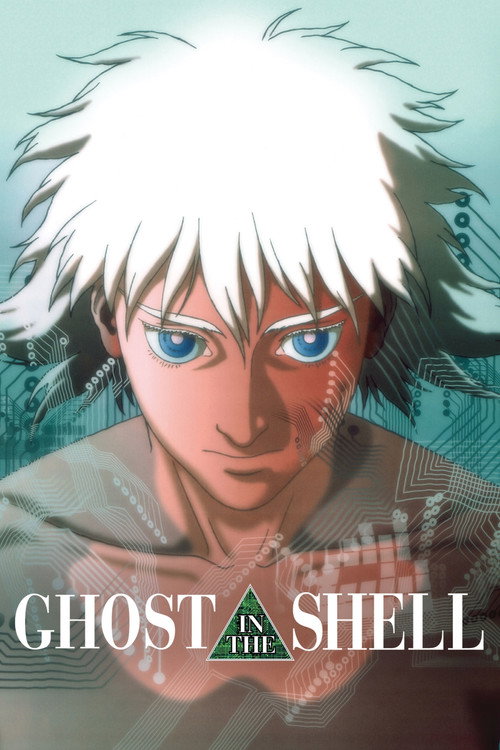
Ghost in the Shell1995
Dropped the same year, this cyberpunk masterpiece shares Memories' fascination with consciousness and the body as obsolete. Equally dense, equally gorgeous, equally mind-bending.
But Nearly thirty years old; the philosophy can feel heavy-handed on first viewing, and anime fans have debated its meaning endlessly since.
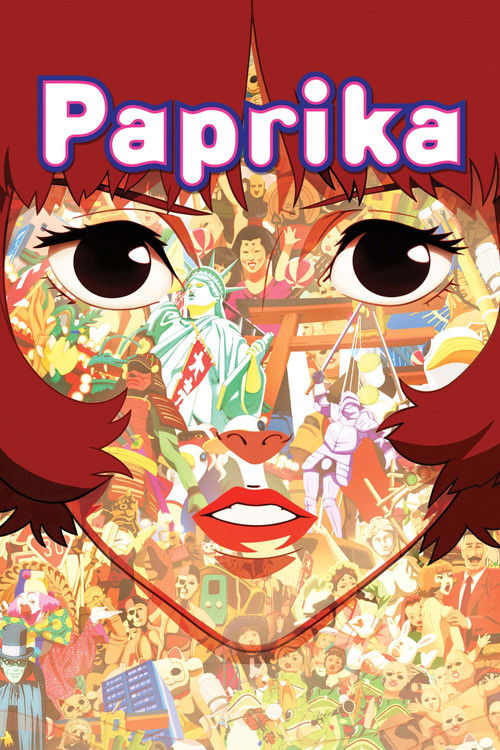
Paprika2006
Satoshi Kon's fever dream about reality collapsing into dream-logic. Like Memories, it prioritizes visual invention and conceptual wildness over traditional narrative momentum.
But The plot unravels deliberately; if you need a clear three-act structure, you'll find it frustrating rather than freeing.
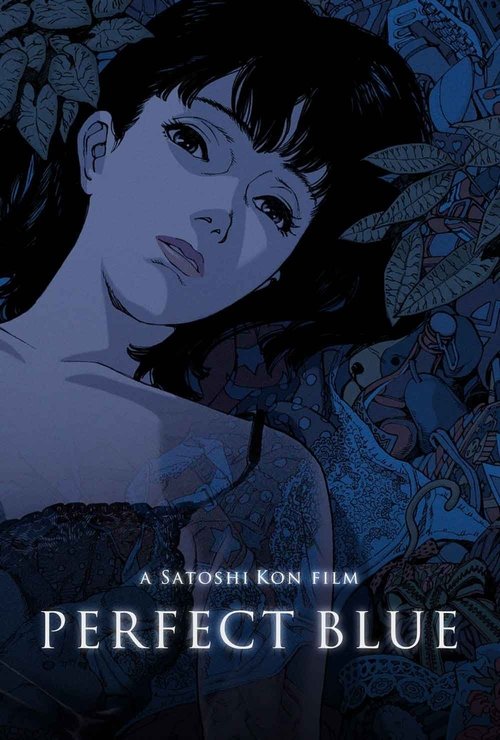
Perfect Blue1998
Another anime masterpiece playing with perception and identity. Psychological thriller wrapped in gorgeous hand-drawn frames. Every frame feels alive in the way Memories achieves.
But Genuinely unsettling and occasionally graphic; it's about descent into paranoia, which some find more disturbing than entertaining.
Not sure tonight? Get a pick in a minute, starting from Memories
The wildcard
Something you would not have found on your own.
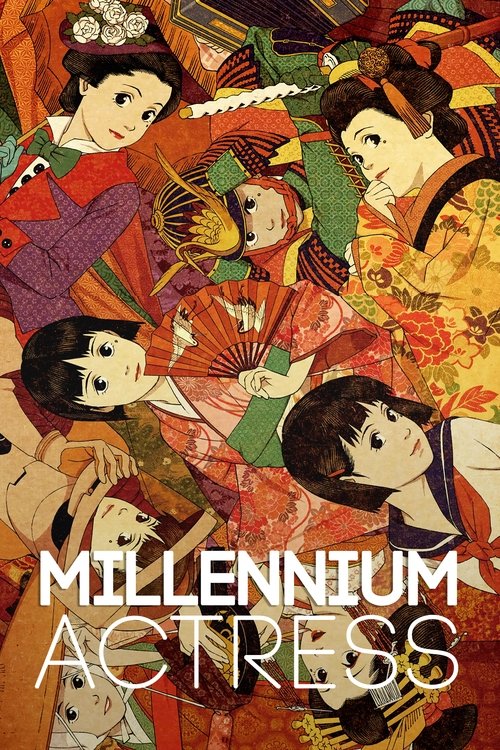
Millennium Actress2002
Both are anime that use visual spectacle not for spectacle's sake, but to render abstract ideas (time, consciousness, memory) as lived experience. The medium becomes the meaning.
Satoshi Kon's greatest work: a biopic where cinema itself becomes the story. Memories uses animation to break physics; this uses it to collapse time and narrative. Both treat the medium as capable of philosophy.
But A love letter to cinema that assumes you love cinema. If you're indifferent to film history, it'll feel precious and recursive.
More like this (8)
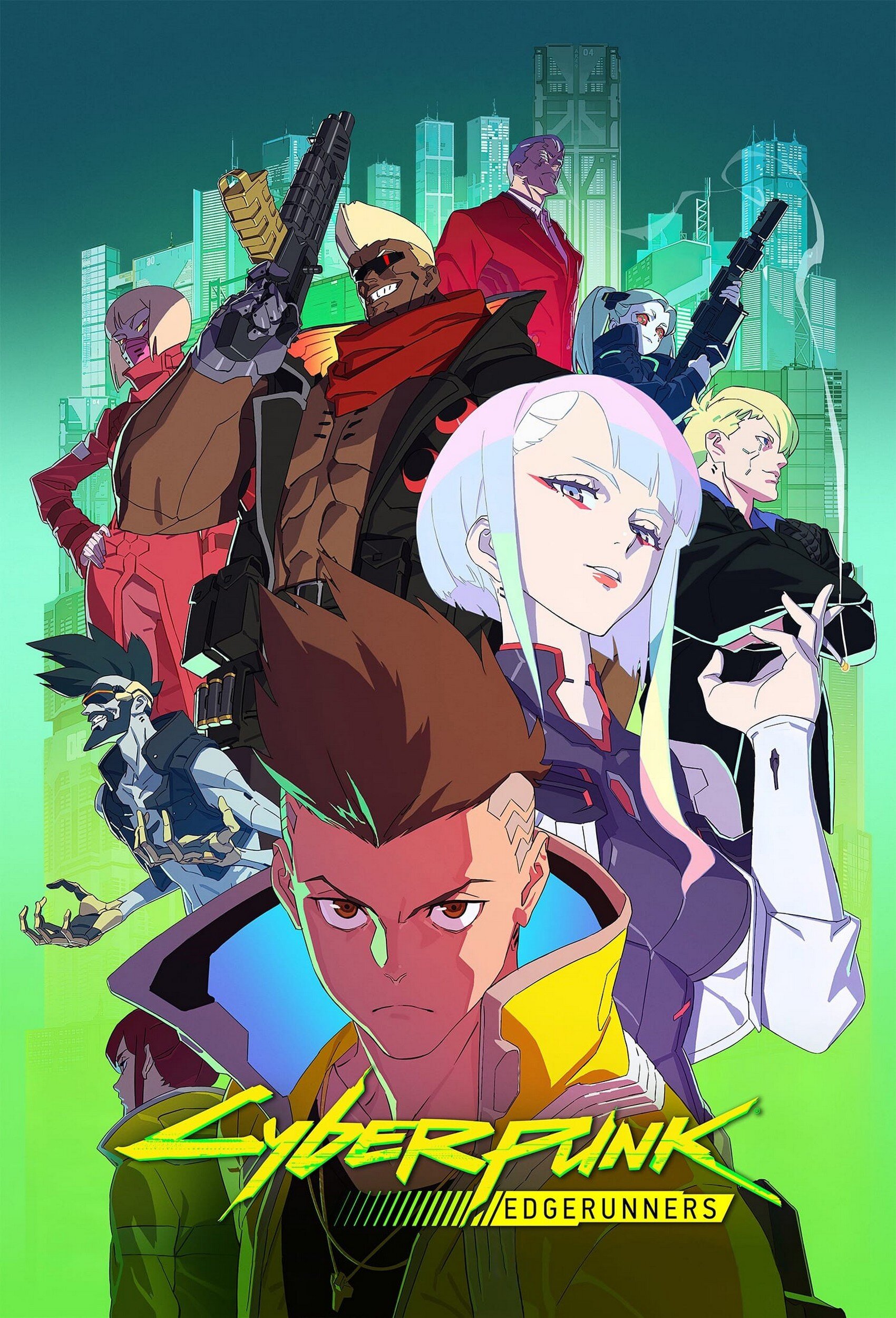
Cyberpunk: Edgerunners2022
Ten episodes of pure visual storytelling about a corpo-dystopia. Captures that same '90s anime ambition to make sci-fi look like nothing else on screen. Heartbreaking and hypnotic.
But Based on a video game; some plot threads depend on game lore, and the ending commits to tragedy in a way that stings.
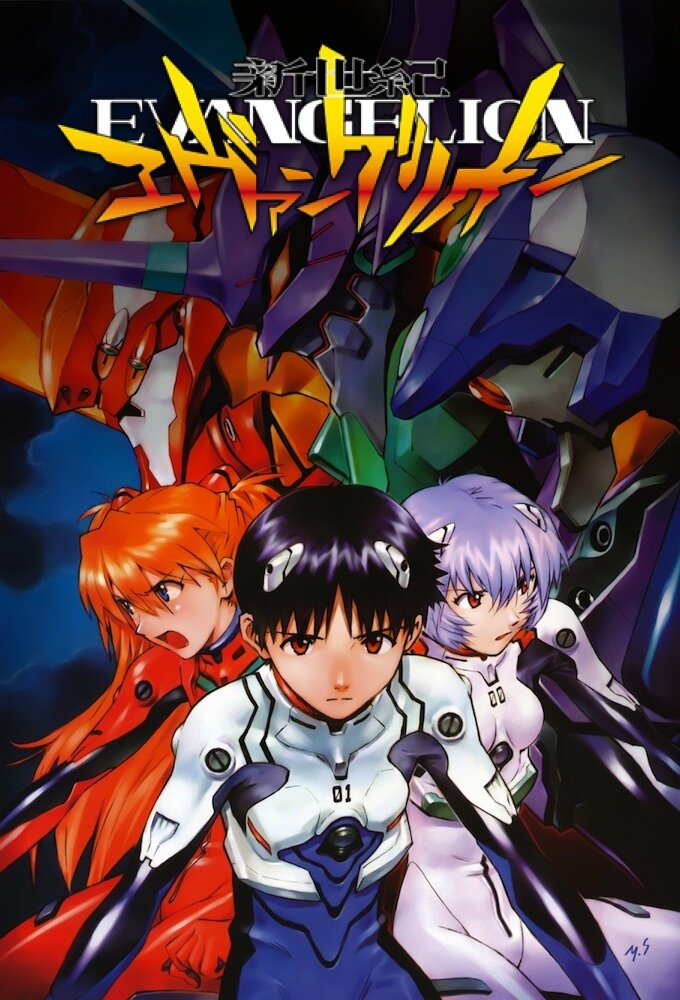
Neon Genesis Evangelion1995
Contemporary with Memories, equally ambitious about what anime could be. Spiritual and mechanical, poetic and brutal. Rewires how you think about robots and humans.
But Notoriously hostile to passive viewing. Also genuinely disturbing in its final episodes. Some find it pretentious; some find it prophetic.
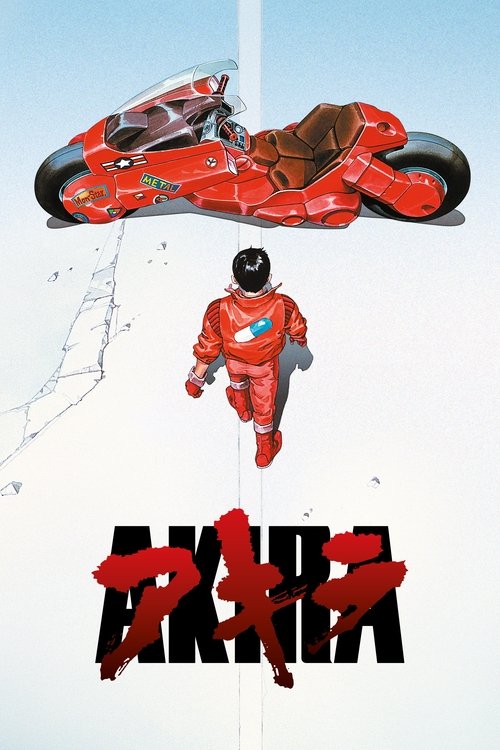
Akira1988
The blueprint for everything Memories learned from. Post-apocalyptic Tokyo rendered in obsessive detail. If you haven't seen it, it's essential; if you have, Memories makes more sense.
But The plot is deliberately opaque and moves fast; easy to feel lost. Also a foundational text, so it's not revelatory if you know anime history well.
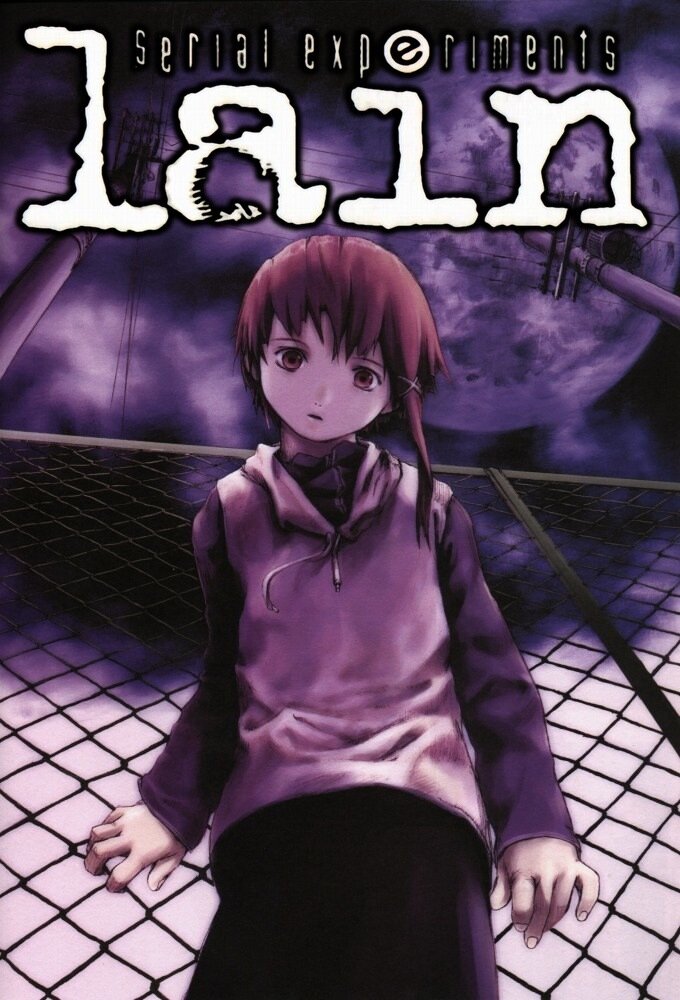
Serial Experiments Lain1998
Thirteen episodes of networked consciousness and digital philosophy. Looks like nothing else—deliberately ugly and beautiful at once. Asks the same questions as Memories but from inside the machine.
But Deliberately obtuse. Requires active theorizing and multiple rewatches. Some episodes are more vibe than plot, which frustrates viewers wanting answers.
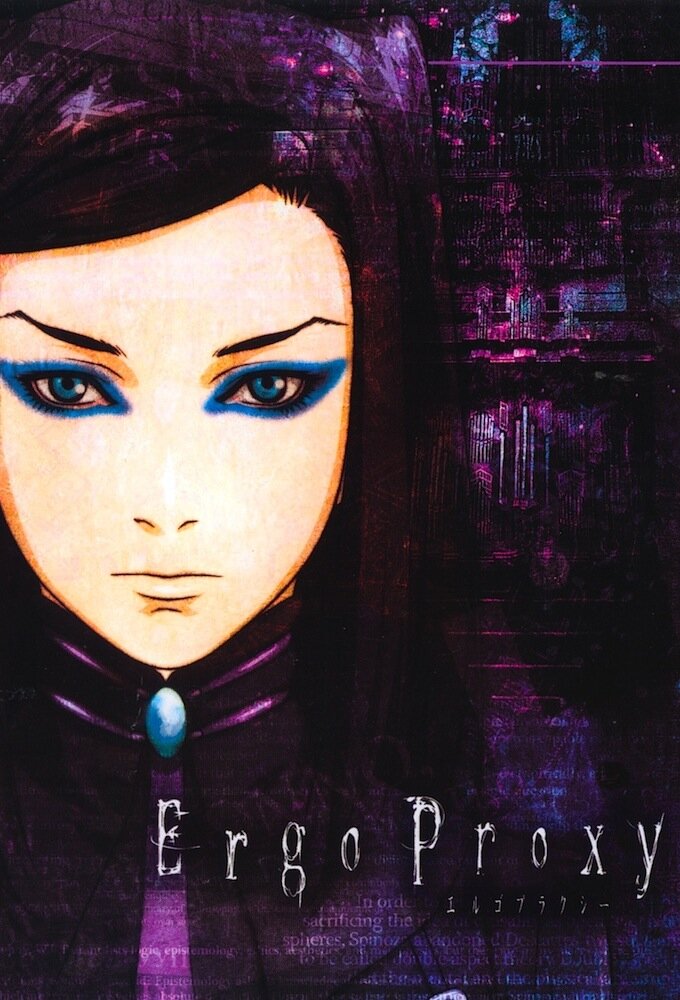
Ergo Proxy2006
Post-apocalyptic meditation on what it means to be sentient. Philosophical, atmospheric, animated with restraint and precision. Slow-burn sci-fi for patient viewers.
But Glacially paced. Dialogue is sparse and cryptic. If you prefer action and plot momentum, this will feel pretentious and empty.
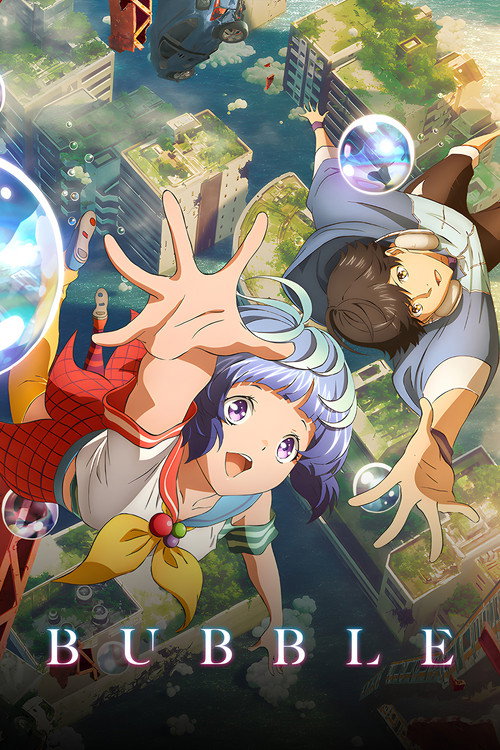
Bubble2022
Modern anime that captures Memories' sense of wonder about impossible geometry and physics. Visually inventive, thematically ambitious. Recommends itself to anyone who loved the look of '90s sci-fi anime.
But Heavy-handed about its themes; the metaphor is so obvious that subtlety vanishes. Also, a moderately generic love story wraps around the conceptual stuff.
Harakiri1962
Both are about how machinery—cultural, technological, or ideological—grinds individuals into parts. Memories shows it through neon futures; Harakiri shows it through ritual and duty. Same engine, opposite aesthetics.
Masaki Kobayashi's black-and-white samurai film about honor, complicity, and systems that consume individuals. It's Memories' exact opposite in form—austere, sparse, analog—but identical in moral weight. Profound without a single effect shot.
But Three hours of formal compositions and dialogue. Zero action. The story sits still and watches you. Demanding in a way that makes Memories feel like a blockbuster.

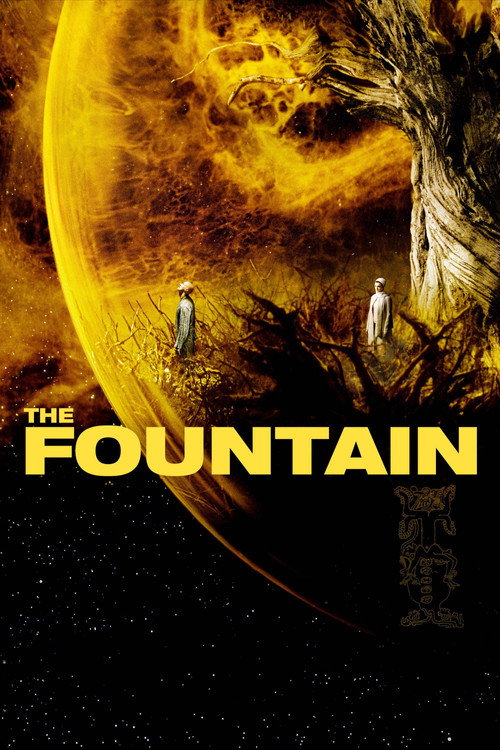
The Fountain2006
Both collapse time and sensory perception to make you *feel* abstract concepts (mortality, consciousness, transformation) rather than understand them. Both trust the audience to find meaning in abstraction and visual rhythm.
Darren Aronofsky's impossible love story across three timelines, rendered with practical effects so gorgeous you forget they're real. Like Memories, it treats visual language as philosophical—form and content are the same thing. Devastating.
But Formally experimental; three films stacked inside one. Openly metaphorical about death and loss. Not everyone's idea of entertainment—some call it self-serious; some call it a masterpiece.
People
Cast
 Tsutomu IsobeHeinz Beckner (voice)
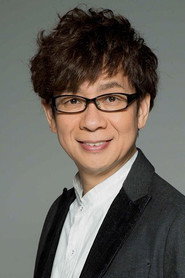 Koichi YamaderaMiguel Costrela (voice)
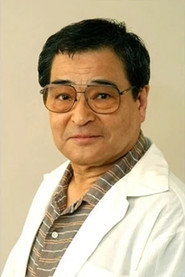 Shozo IizukaIvanov (voice)
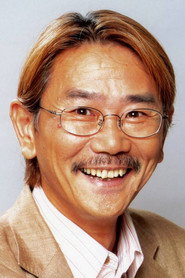 Shigeru ChibaAoshima (voice)
 Gara TakashimaEva Friedel (voice)
- Ami HasegawaEmily (voice)
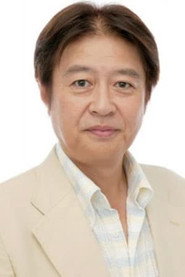 Hideyuki HoriNobuo Tanaka (voice)
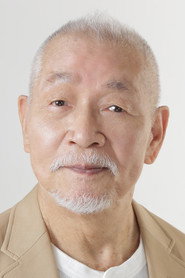 Kenichi OgataOomaeda (voice)
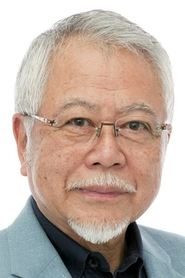 Osamu SakaKamata (voice)
 Hisako KyodaGrandma (voice)
 Michio HazamaNirasaki (voice)
 Kayoko FujiiSakiko (voice)
Directing
- Katsuhiro OtomoDirector
- Kōji MorimotoDirector
- Tensai OkamuraDirector
- Satoshi KonLayout
Writing
- Katsuhiro OtomoOriginal Story
- Katsuhiro OtomoScreenplay
- Satoshi KonScreenplay
Production
- Katsuhiro OtomoExecutive Producer
- Makoto YamashinaExecutive Producer
- Shigeru WatanabeExecutive Producer
- Shoji YakigayaExecutive Producer
- Teruo MiyaharaExecutive Producer
- Atsushi SugitaProducer
- Eiko TanakaProducer
- Fumio SamejimaProducer
- Hiroaki InoueProducer
- Masao MaruyamaProducer
- Yoshimasa MizuoProducer
Recommended by
Robot Carnival, Nemesis, Tale of Tales, Anima, Ghost in the Shell: Arise - Border 1: Ghost Pain, In the Aftermath, Masters of Science Fiction, Sunday Best: The Untold Story of Ed Sullivan, Gandahar, Slow Light