
Film
Tale of Tales
Other titles called Tale of Tales: the 2015 film.
- Fairy tale
- Strange
- Slow-burning
A Soviet animated poem rather than a story. Aleksandr Petrov's *Tale of Tales* moves like a dream through Russian folklore, memory, and loss, told in oil-painted frames of uncanny beauty. It's for anyone who's ever felt nostalgia as something almost painful—a half-hour that will quietly haunt you.
If you liked this
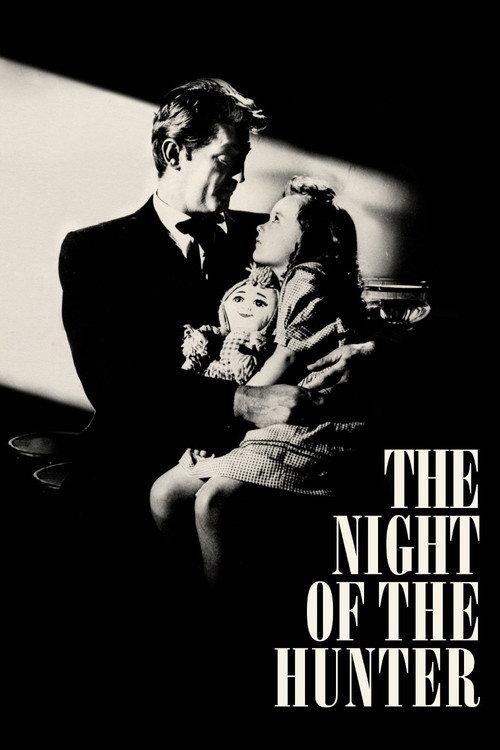
The Night of the Hunter1955
Charles Laughton's only directorial effort is a fever dream of American gothic: deep shadows, symbolic imagery, and a child's terror rendered in expressionist black-and-white that feels almost animated itself.
But It's a thriller, but a slow and metaphorical one. If you want plot momentum, this isn't it.
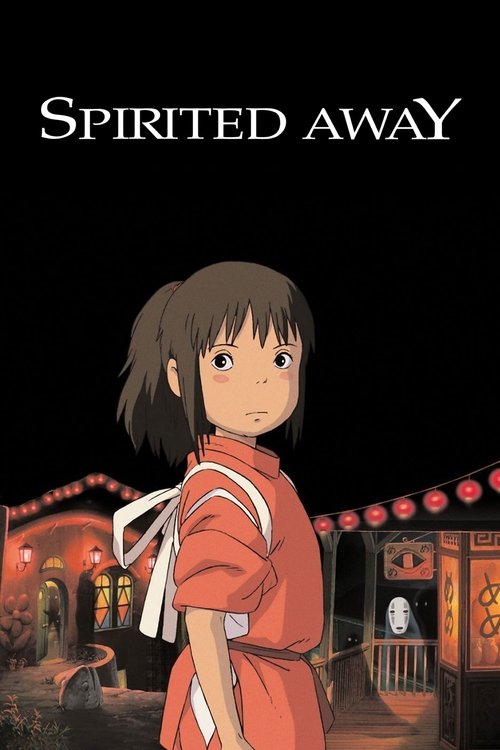
Spirited Away2001
Hayao Miyazaki's masterpiece uses animation to access the same dreamlike logic as *Tale of Tales*—childhood wonder mixed with genuine dread, rendered in hand-drawn frames of staggering detail and strangeness.
But It's much longer and more plot-driven. Some find the pacing slack in the middle hour.
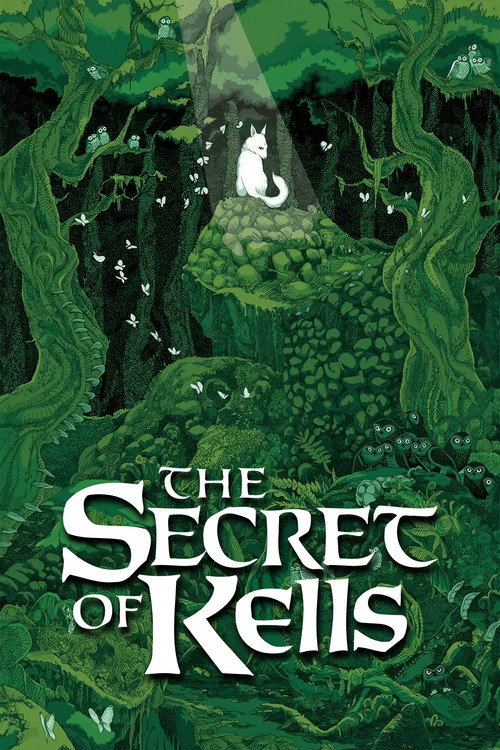
The Secret of Kells2009
Irish folklore filtered through gorgeous, stylized animation that prioritizes mood and visual poetry over narrative. A child's journey into a dangerous, beautiful world rendered in colors that shouldn't work together but do.
But The voice acting is deliberately theatrical in places. Some viewers find it affected.
Not sure tonight? Get a pick in a minute, starting from Tale of Tales
The wildcard
Something you would not have found on your own.
Stalker1979
Both are Soviet-era films about internal, emotional landscapes disguised as journeys. Both privilege atmosphere and visual poetry over plot. Both feel like they're happening inside a memory.
Andrei Tarkovsky's Russian sci-fi meditation on desire and spirituality moves at glacial pace through a mysterious zone. Released the same year as *Tale of Tales*, it shares that film's dreamlike temporal logic and obsession with memory as the only real truth.
But It's 163 minutes of contemplative, wordless passage through industrial and natural landscapes. 'Slow' doesn't cover it.

More like this (8)
Come and See1985
Elem Klimov's Soviet masterpiece about a child in WWII isn't animated, but shares *Tale of Tales*' haunted-memory approach to trauma. Visceral, devastating, unforgettable.
But This is among the hardest films ever made. It documents atrocity against children. Only watch if you're prepared for that weight.

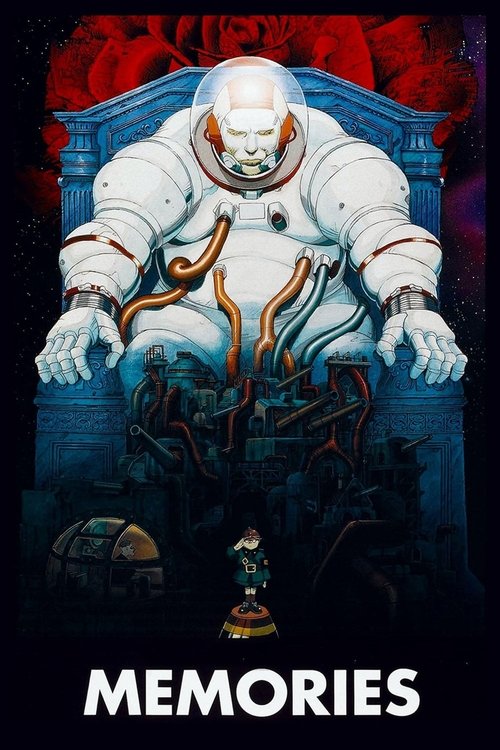
Memories1995
Satoshi Kon's three-part anime anthology is hypnotic and deeply strange—melancholic, technologically disorienting, impossible to forget. The middle story, *A Therapeutic Chair*, is particularly haunting.
But It's abstract and fragmented. The lack of conventional narrative coherence will lose some viewers quickly.
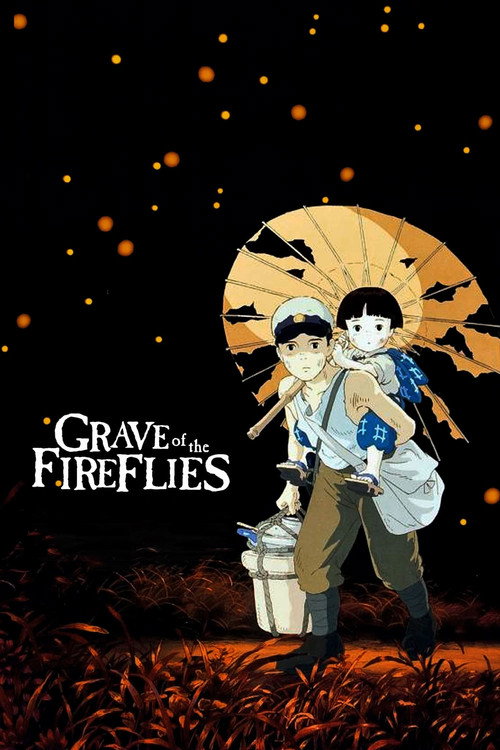
Grave of the Fireflies1988
Isao Takahata's anime about two children surviving WWII Japan. Achingly beautiful and sorrowful—the visual poetry and hand-drawn animation give the tragedy a dimension beyond what live-action could touch.
But The despair is relentless and earned. This isn't cathartic—it's an endurance test, and means to be.
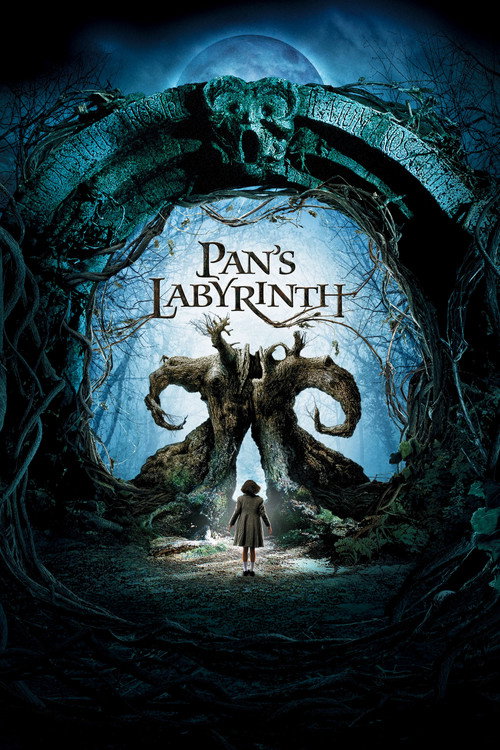
Pan's Labyrinth2006
Guillermo del Toro blends Spanish Civil War realism with dark fairy-tale imagery. A girl escapes fascist horror through a gateway between worlds rendered in gorgeous, grotesque practical effects.
But The violence toward children is real and direct. It's not safe viewing, despite its fantastical surface.
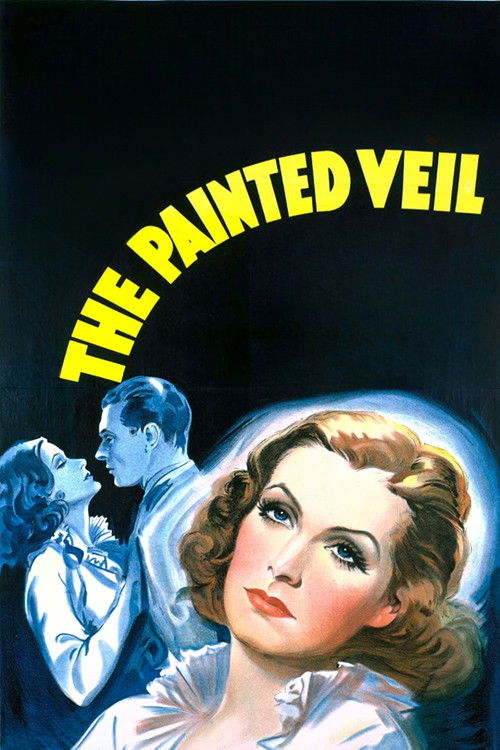
The Painted Veil1934
An early American film of melancholy and regret, shot in lush deep-focus black-and-white. A woman confronts memory and loss in a plague-stricken Shanghai. Visually it breathes like a painting.
But The pacing is glacial by modern standards. Emotional distance requires patience.
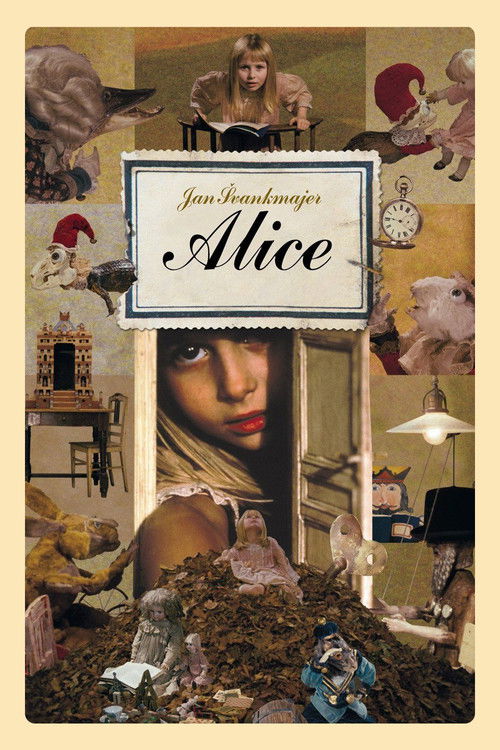
Alice1988
Jan Švankmajer's stop-motion interpretation of *Alice in Wonderland* is a nightmare where a girl wanders through a house alive with taxidermy, machinery, and decay. Surreal, disturbing, hypnotic.
But It's grotesque and deliberately unsettling. There's no reassurance or resolution. Some find it more uncomfortable than moving.
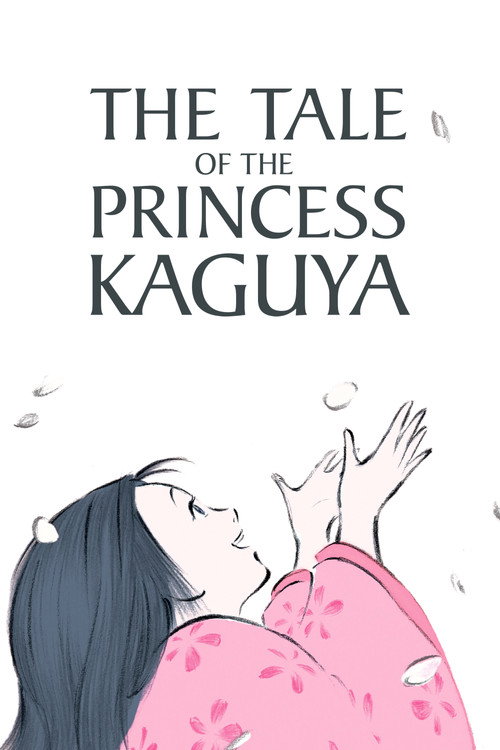
The Tale of The Princess Kaguya2013
Both are animated films that use that medium specifically to access myth and memory rather than realism. Both use their visual style—Petrov's oil-painting, Takahata's watercolor—as thematic language about time and impermanence.
Isao Takahata's final film, rendered in a watercolor-sketch style that moves like animation but reads like living ink. A fairy tale about loss and the price of returning to the earth, told in silence and gentle color.
But It's 137 minutes of visual and emotional understatement. Narrative momentum is almost non-existent. Many will find it unbearably slow.
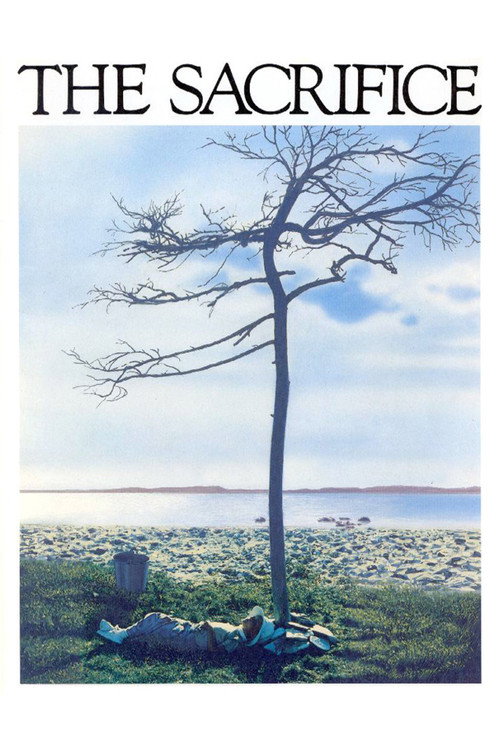
The Sacrifice1986
Like *Tale of Tales*, it's a meditation on memory, childhood, and Russia conducted in dream-logic. Both films use time strangely—Tarkovsky as long, breathing shots; Petrov as fragmented, oil-painted sequences—but both are about the same thing: what we carry from the past that won't let us go.
Tarkovsky's final film, shot in Sweden, is a ceremony of memory and dread as an aging man prepares for apocalypse. Shot in color but feels like it's being recalled—every frame hangs like a photograph in a childhood home you can't quite return to.
But It's three-and-a-half hours of philosophical crisis in real-time. If you value plot or character development, this will feel like nothing happening.
People
Cast
 Aleksandr KalyaginLittle Grey Wolf (voice)
Directing
- Yuri NorsteinDirector
Writing
- Yuri NorsteinScreenplay
- Natalya AbramovaScript Editor
- Lyudmila PetrushevskayaWriter
Production
- Gleb KovrovProducer